Understanding the Coal Conveyor Pulley
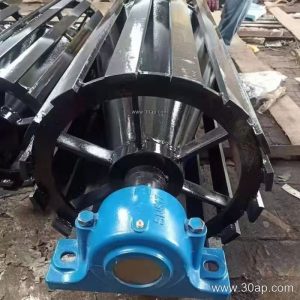
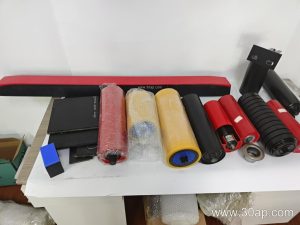
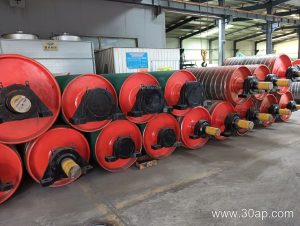
A coal conveyor pulley is the cylindrical component that drives or redirects the conveyor belt in coal handling systems. It is often called a conveyor drum or belt pulley, and it works together with the conveyor belt, idler rollers, and conveyor brackets to move coal efficiently. In coal mines, power plants, and coal preparation plants, these pulleys must withstand abrasive dust, heavy loads, and sometimes wet or corrosive conditions. The drive pulley, also known as the head pulley, transmits power to the belt, while the tail pulley and bend pulleys guide the belt along its path. Each subtype has a distinct role and should not be interchanged without proper engineering review.
Construction and Key Components
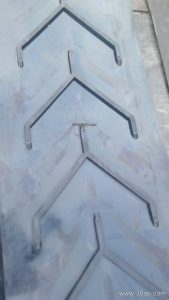
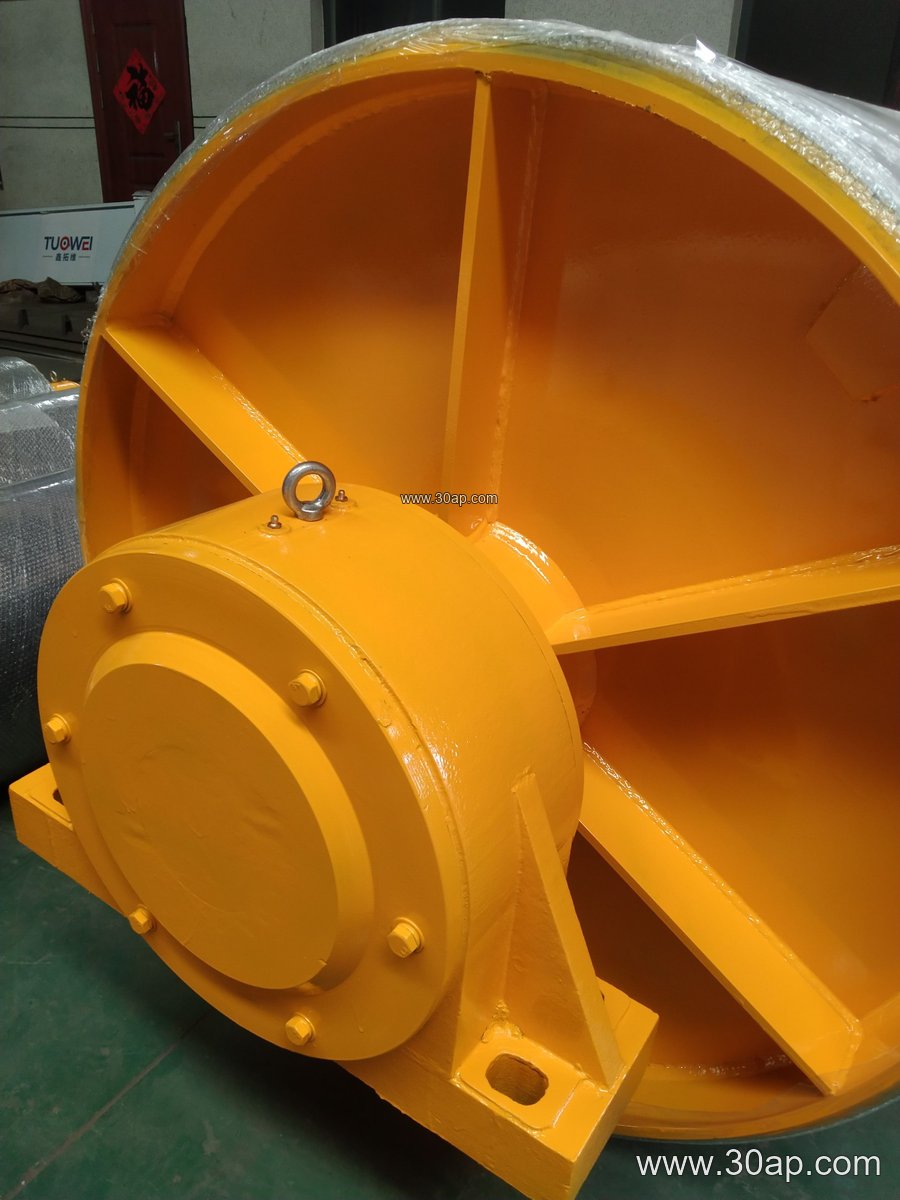
A typical coal conveyor pulley consists of a steel shell, shafts, hubs, and lagging. The shell is usually made from seamless steel tube or rolled plate, machined for balance. The shaft is sized according to torque and load requirements, not simply by belt width. Common shaft diameters include Ø50, Ø60, Ø70, Ø80, Ø90, Ø100, Ø120, Ø140, Ø160, Ø180, and Ø200 mm, but final selection depends on the drive power and radial loads. Lagging, or surface covering, protects the shell and improves friction. Options include plain surface, cast rubber, cold-bonded rubber, hot-vulcanized rubber, diamond grooving, herringbone grooving, ceramic lagging, and flat rubber. Lagging thickness commonly ranges from 8 to 20 mm. The pulley face width is normally wider than the belt; for example, a B800 belt may use a pulley face of about 950 mm, and a B1200 belt about 1400 mm. These are typical references, not fixed rules.
Where Coal Conveyor Pulleys Are Used
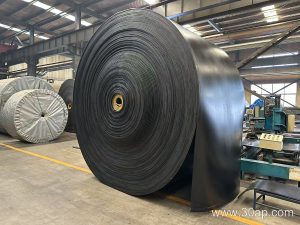
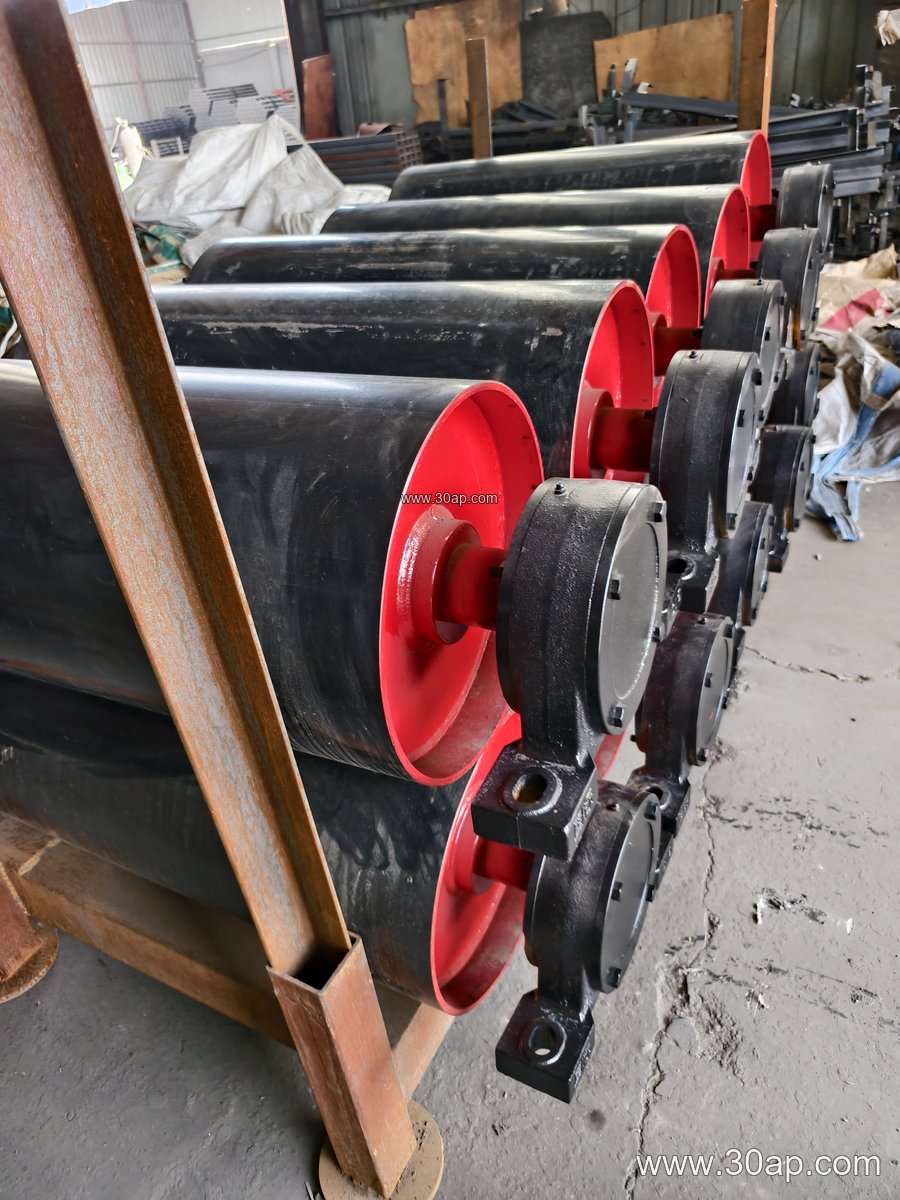
Coal conveyor pulleys are essential in coal mining, coal washing plants, and power station coal yards. In underground coal mining, flame retardant and anti-static properties are critical for the belt and related components. At a coal preparation plant, the drive pulley at the head end discharges coal onto screens or crushers, while tail and bend pulleys maintain belt tension and routing. In port coal terminals, large pulleys handle high-capacity belts, often paired with steel cord conveyor belts for long distances. The pulley must match the belt type, whether it is an EP conveyor belt, NN conveyor belt, or steel cord conveyor belt. For dusty coal, abrasion resistant conveyor belts are common, and the pulley lagging should be selected to maintain grip without damaging the belt cover.
Matching Pulley to Belt and System
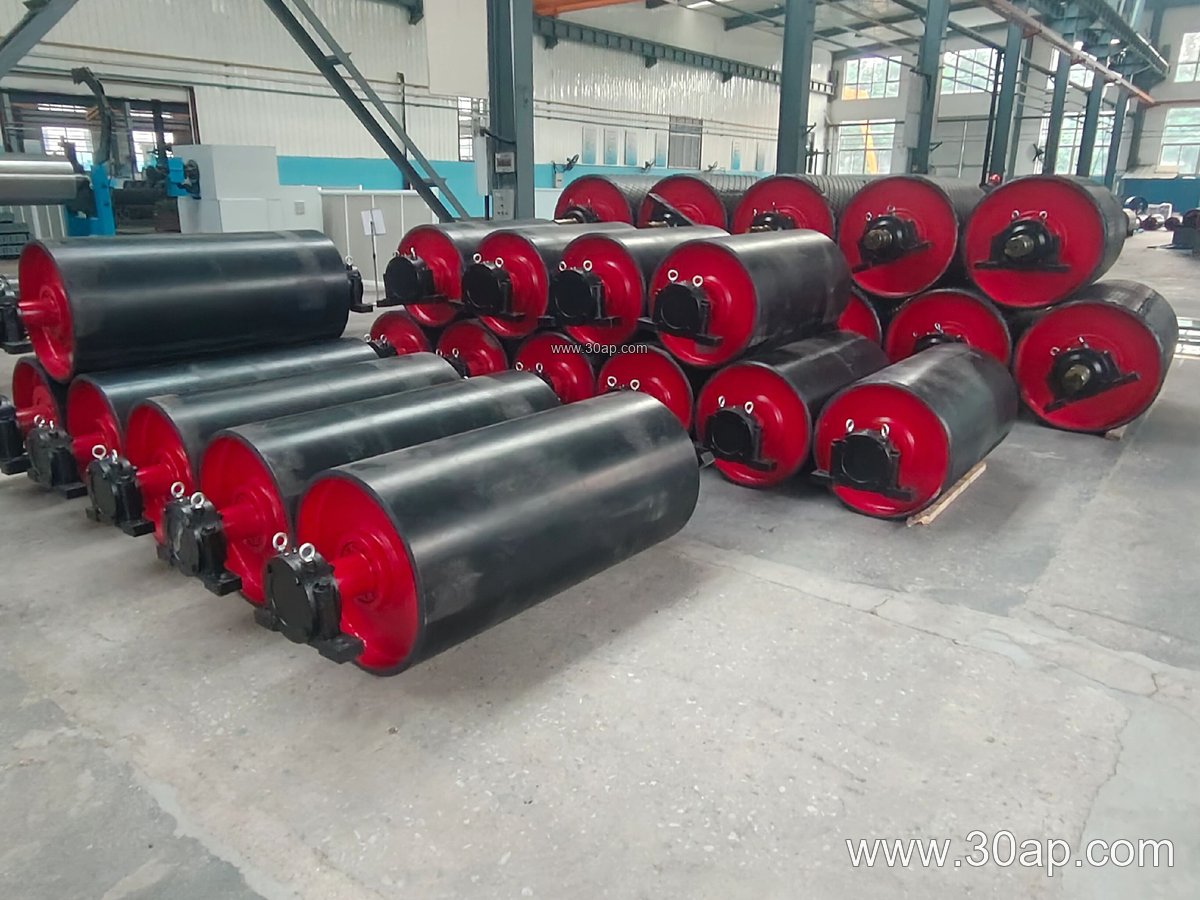
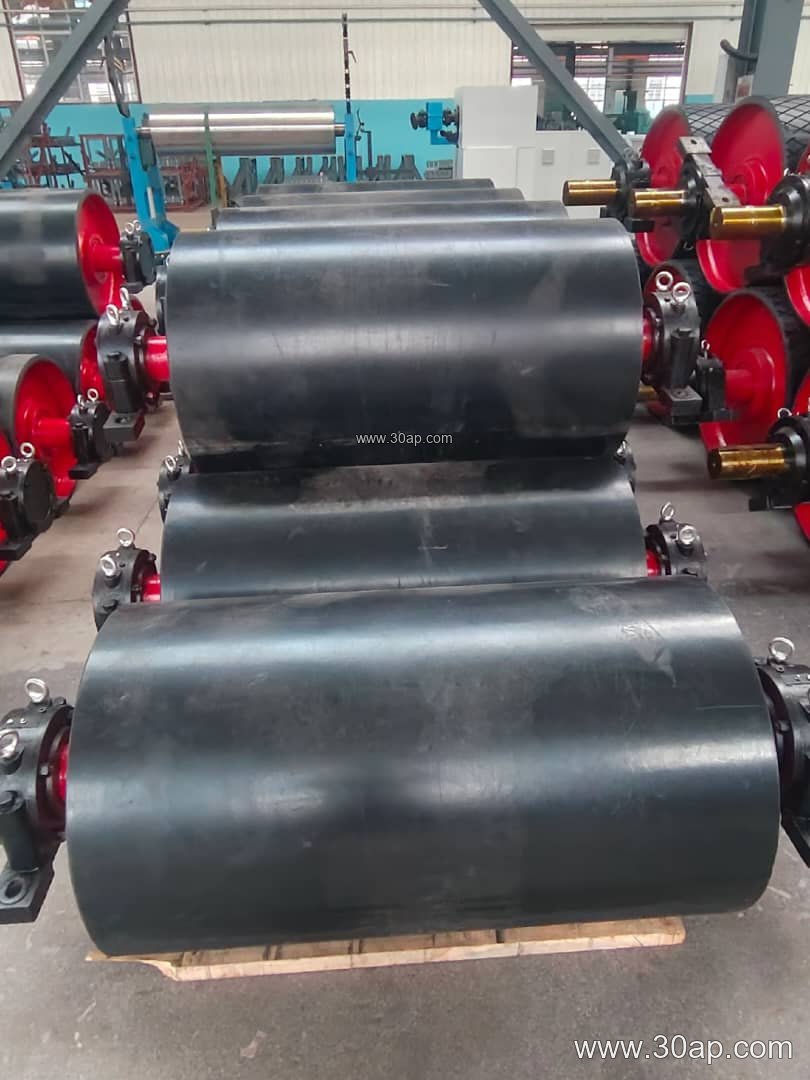
Selecting a coal conveyor pulley involves more than choosing a diameter. The pulley diameter should be compatible with the belt thickness and flexibility to avoid excessive bending stress. For a given belt width, several pulley diameters may be suitable. For instance, a B800 belt might work with a Ø500 or Ø630 pulley depending on the belt construction and tension. A B1400 belt could use a Ø800 or Ø1000 pulley. The table below shows some common combinations for reference; actual selection must be based on the conveyor design, belt tension, and shaft load.
| Belt Width (mm) | Typical Pulley Face Width (mm) | Example Diameter Range (mm) |
|---|---|---|
| B500 | 600 | Ø250–Ø400 |
| B650 | 750 | Ø315–Ø500 |
| B800 | 950 | Ø400–Ø630 |
| B1000 | 1150 | Ø500–Ø800 |
| B1200 | 1400 | Ø630–Ø1000 |
| B1400 | 1600 | Ø800–Ø1250 |
| B1600 | 1800 | Ø1000–Ø1400 |
These values are indicative and should not be treated as universal specifications. The shaft diameter is determined by torque and load, often requiring calculation beyond belt width alone. For heavy-duty mining conveyor belts, such as those with high abrasion resistance or flame retardant properties, the pulley lagging and diameter must be chosen to handle the belt’s cover thickness and stiffness.
Buyer Checklist for Coal Conveyor Pulleys
- Define the pulley role: drive, tail, bend, take-up, or snub. Each has different design requirements.
- Confirm belt width and type, such as EP1000 1200mm conveyor belt or ST1600 steel cord belt, to ensure compatibility.
- Specify lagging type and thickness based on coal conditions: diamond grooving for wet coal, ceramic lagging for high abrasion, plain for general use.
- Provide shaft load and torque data so the manufacturer can size the shaft correctly; do not assume shaft diameter from belt width.
- Consider environmental factors: underground coal mining may require flame retardant and anti-static properties for the belt and pulley components.
- Plan for maintenance: check lagging wear, shaft alignment, and bearing condition regularly. Replace worn lagging before it damages the belt.
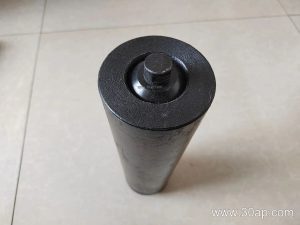
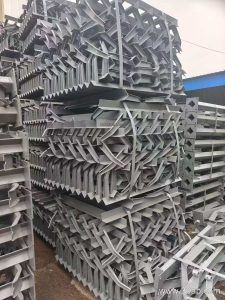
In coal handling, the conveyor pulley works alongside conveyor idler rollers and conveyor brackets to keep the system running. A well-chosen pulley reduces belt wear and downtime, whether in a coal mine, cement plant, or power station. For more information on related components such as rubber conveyor belts and idler rollers, consult your conveyor system supplier.