What the PVG800S Conveyor Belt Is
The PVG800S Conveyor Belt is a solid-woven, PVC-impregnated belt built for tough conveying duties where resistance to cutting, tearing, and flame is important. The designation “800S” typically refers to the belt’s tensile strength class and a specific construction variant within the PVG family. In many industrial settings, this belt is also called a PVC-PVG solid woven conveyor belt or simply a PVG conveyor belt, but the PVG800S name identifies the exact subtype. It is not a rubber conveyor belt in the conventional sense, nor is it an EP conveyor belt or a steel cord conveyor belt; it belongs to the solid-woven PVC/PVG group, which uses a tightly woven fabric core fully impregnated with polyvinyl chloride.
Because the cover and core are integrated, the PVG800S offers good resistance to moisture, moderate chemicals, and abrasion. It is often chosen for underground mining conveyor systems, coal mining conveyors, and other bulk material handling lines where flame retardant and anti-static properties are required. The belt can be supplied with different surface forms, such as smooth, chevron, or with corrugated sidewalls, depending on the application.
Construction and Key Features
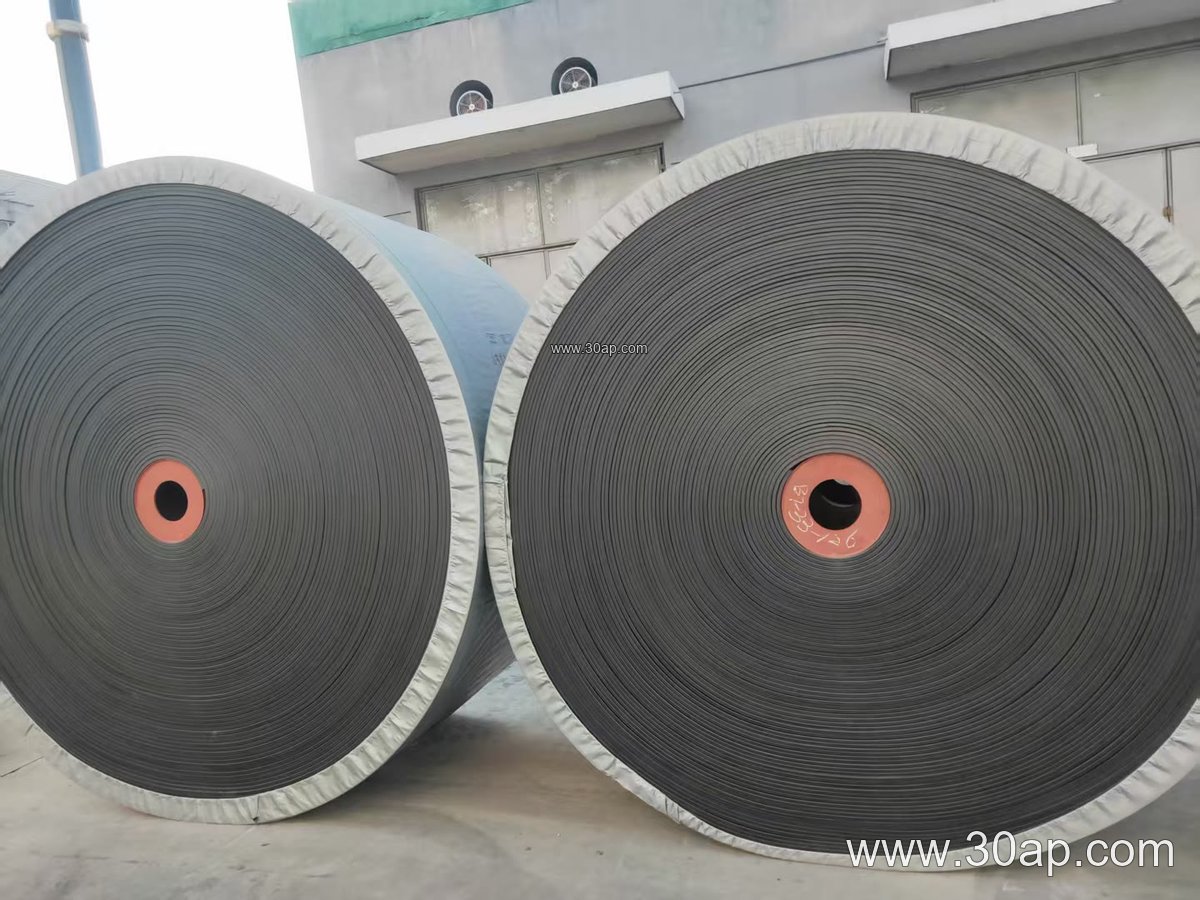
The PVG800S Conveyor Belt is built around a solid-woven fabric core. Unlike multi-ply fabric core belts where separate fabric plies are bonded with rubber, the solid-woven core is a single, interwoven structure that provides high strength and resistance to delamination. The core is impregnated with PVC compound, and the belt surfaces are covered with PVC layers that may include additives for flame retardancy, anti-static performance, or abrasion resistance.
Typical construction details include:
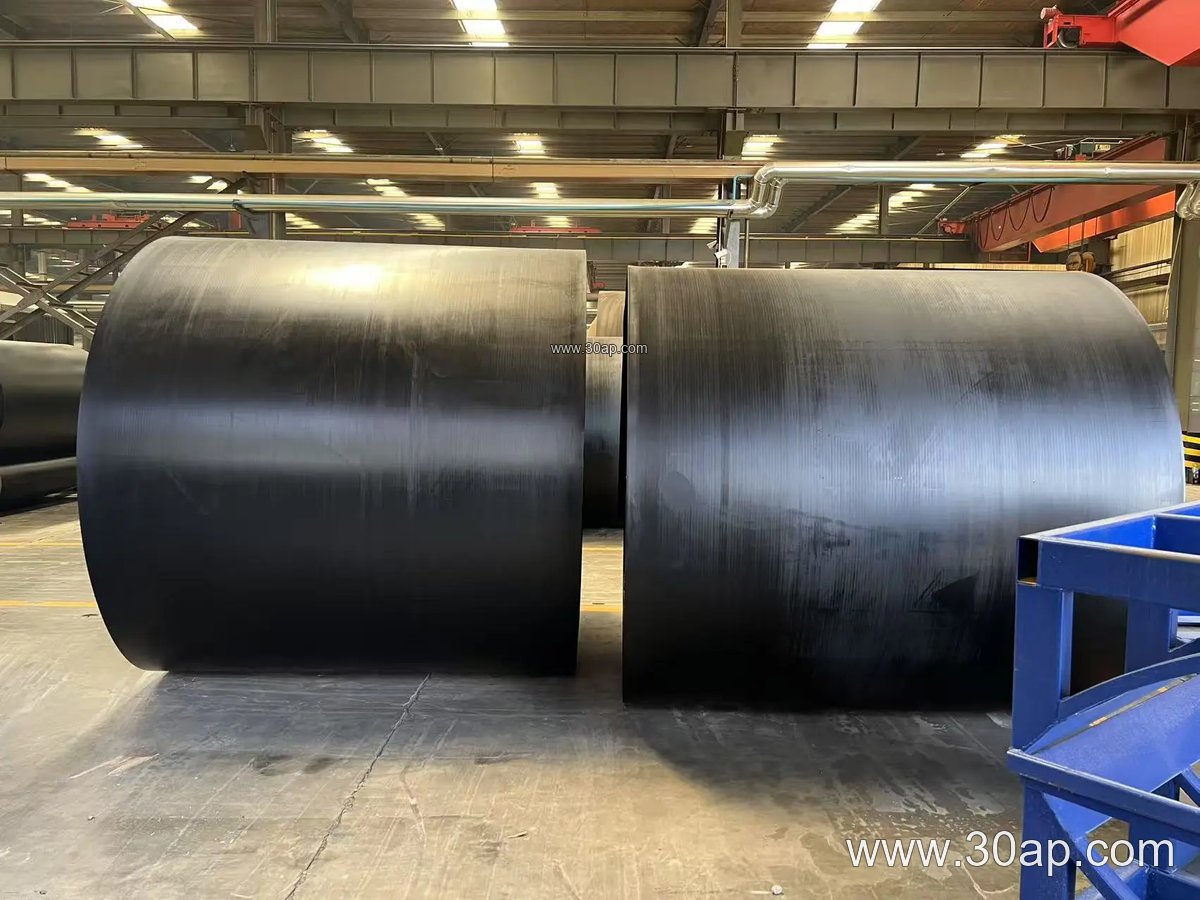
- Solid-woven fabric core with PVC impregnation
- Top and bottom PVC covers, often with different thicknesses
- Optional chevron pattern for inclined conveying
- Optional corrugated sidewall for steep-angle transport
- Flame retardant and anti-static formulations available
The “S” in PVG800S often indicates a specific cover or construction variant, such as a smoother surface or a particular flame-retardant grade. Buyers should confirm the exact meaning with the manufacturer, as definitions can vary.
Where It Is Used
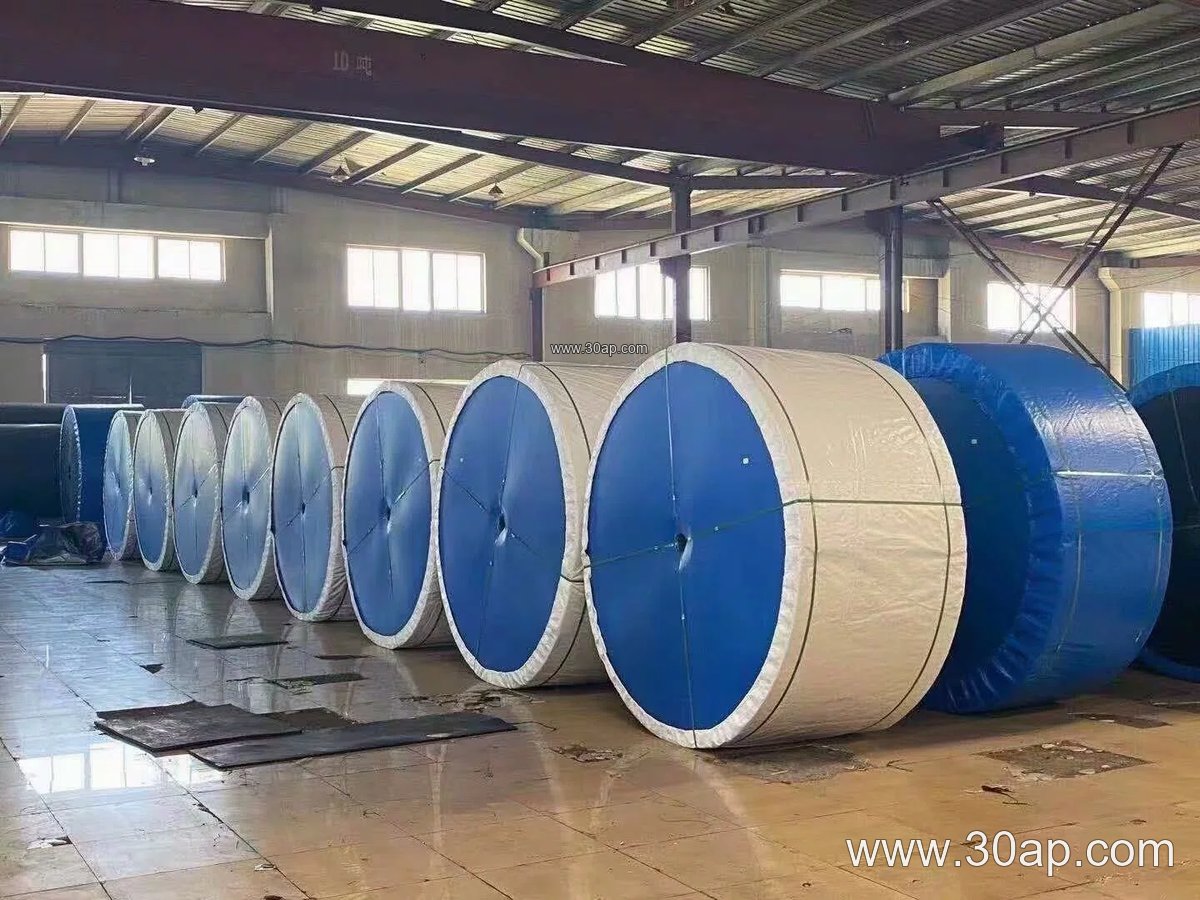
The PVG800S Conveyor Belt is widely used in industries that handle abrasive or bulky materials. Common applications include:
- Underground coal mining and coal preparation plants
- Mining and quarry operations for ore, rock, and aggregate
- Cement plants and power plants for limestone, clinker, and coal
- Sand and gravel plants, crusher discharge lines
- Ports and ship loading facilities for bulk materials
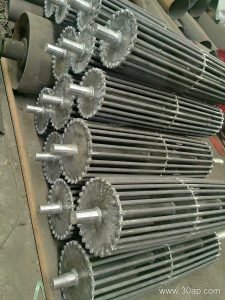
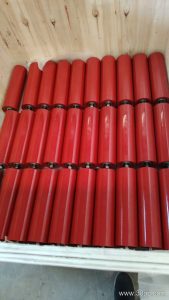
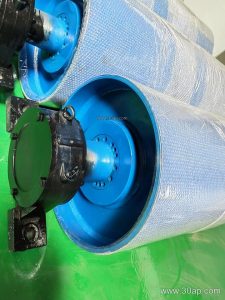
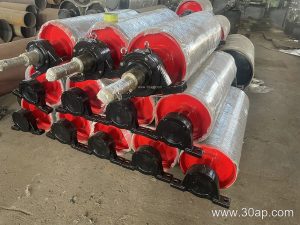
In these environments, the belt works alongside conveyor pulleys, idler rollers, and conveyor brackets. Drive pulleys, tail pulleys, and bend pulleys each play a different role, and they are not interchangeable. The PVG800S is often selected for main haulage lines where flame resistance and anti-static properties are mandatory, but it can also be used in above-ground applications where a robust, moisture-resistant belt is needed.
Specifications and Options
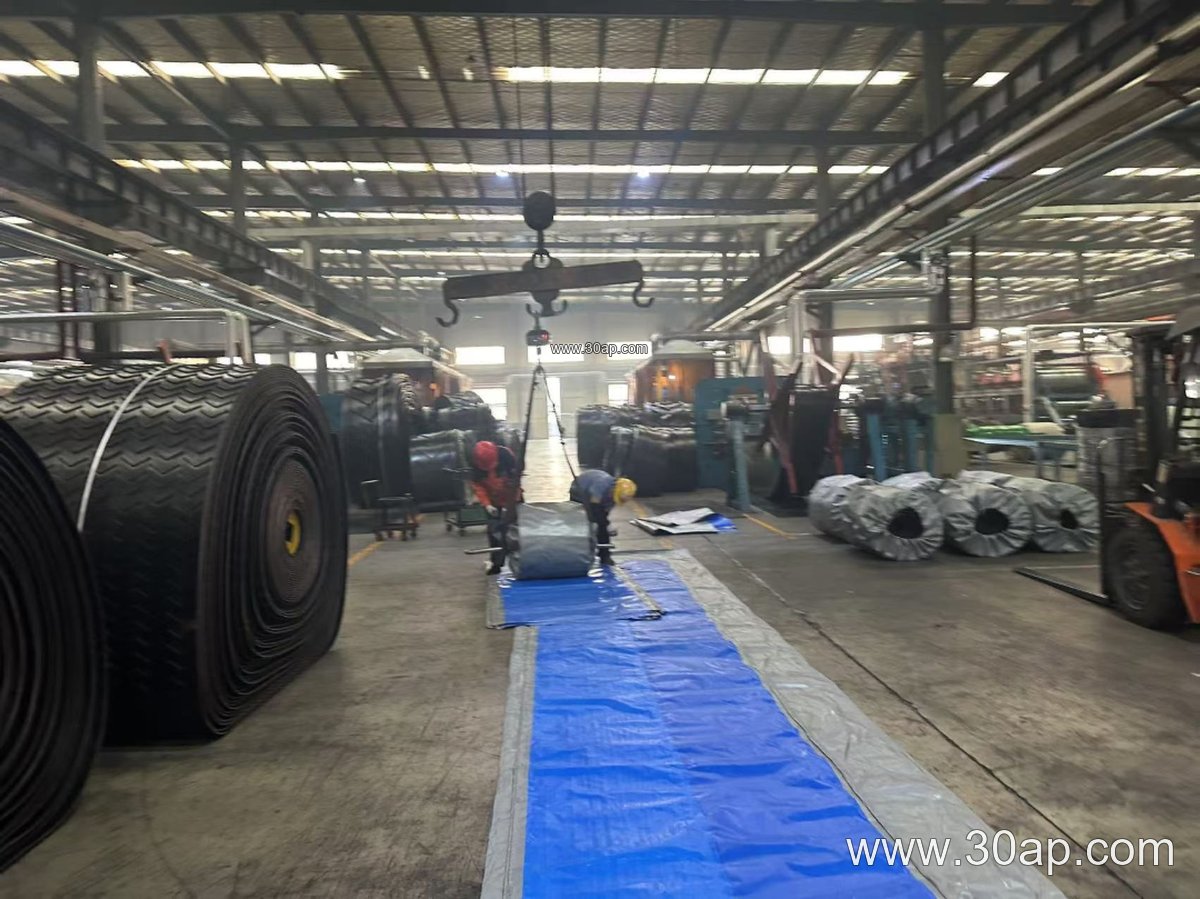
While exact specifications depend on the manufacturer, the following table outlines typical parameters for the PVG800S Conveyor Belt. These are reference values, not fixed supply promises.
| Parameter | Typical Range |
|---|---|
| Belt width | B500, B650, B800, B1000, B1200, B1400, B1600, B1800, B2000 |
| Tensile strength class | 800 N/mm (PVG800S) |
| Cover thickness | 3+1.5 mm, 4+2 mm, 5+2 mm, 6+2 mm, 8+3 mm |
| Core type | Solid-woven fabric, PVC impregnated |
| Surface options | Smooth, chevron, corrugated sidewall |
| Special properties | Flame retardant, anti-static, abrasion resistant |
For comparison, an EP conveyor belt or NN conveyor belt uses multiple fabric plies bonded with rubber, while a steel cord conveyor belt uses steel cables for very high strength. The PVG800S sits in the medium-to-high strength range of solid-woven belts and is often chosen when flame retardancy and cut resistance are more critical than pure tensile strength.
Buyer’s Checklist
When specifying a PVG800S Conveyor Belt, consider the following:
- Confirm the required flame retardant and anti-static standards for your site.
- Check the belt width against the conveyor pulley and idler roller dimensions; belt width does not dictate a single pulley diameter.
- Select cover thickness based on material abrasiveness and impact.
- Decide whether a chevron or corrugated sidewall version is needed for inclined sections.
- Verify the splice method and ensure compatibility with your conveyor brackets and pulley arrangement.
For reliable operation, match the belt to the conveyor’s drive pulley, tail pulley, and bend pulley specifications. Regular inspection of idler rollers and pulleys helps extend belt life. Whether the application is a coal mining conveyor, a quarry line, or a cement plant, the PVG800S Conveyor Belt offers a solid-woven solution where flame resistance and durability matter.