Why an Anti-Slip Lagged Pulley Matters
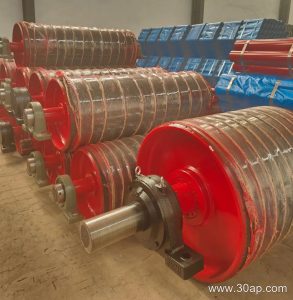
An anti-slip lagged pulley is a conveyor pulley whose shell carries a high-friction rubber or ceramic lagging to keep the conveyor belt from slipping under load. It is most often used as the drive pulley, where torque has to pass from the drum to the belt. Without a reliable friction surface, a wet or dusty belt can lose traction, overheat, and wear out early. In a quarry, a cement plant, or a power plant coal yard, that means unplanned stoppages and extra maintenance.
The same product is also called a rubber-lagged drive pulley or a friction-lagged conveyor pulley. Those names describe the same item. They should not be confused with a tail pulley or a bend pulley, which serve different positions on the conveyor and are not interchangeable with it.
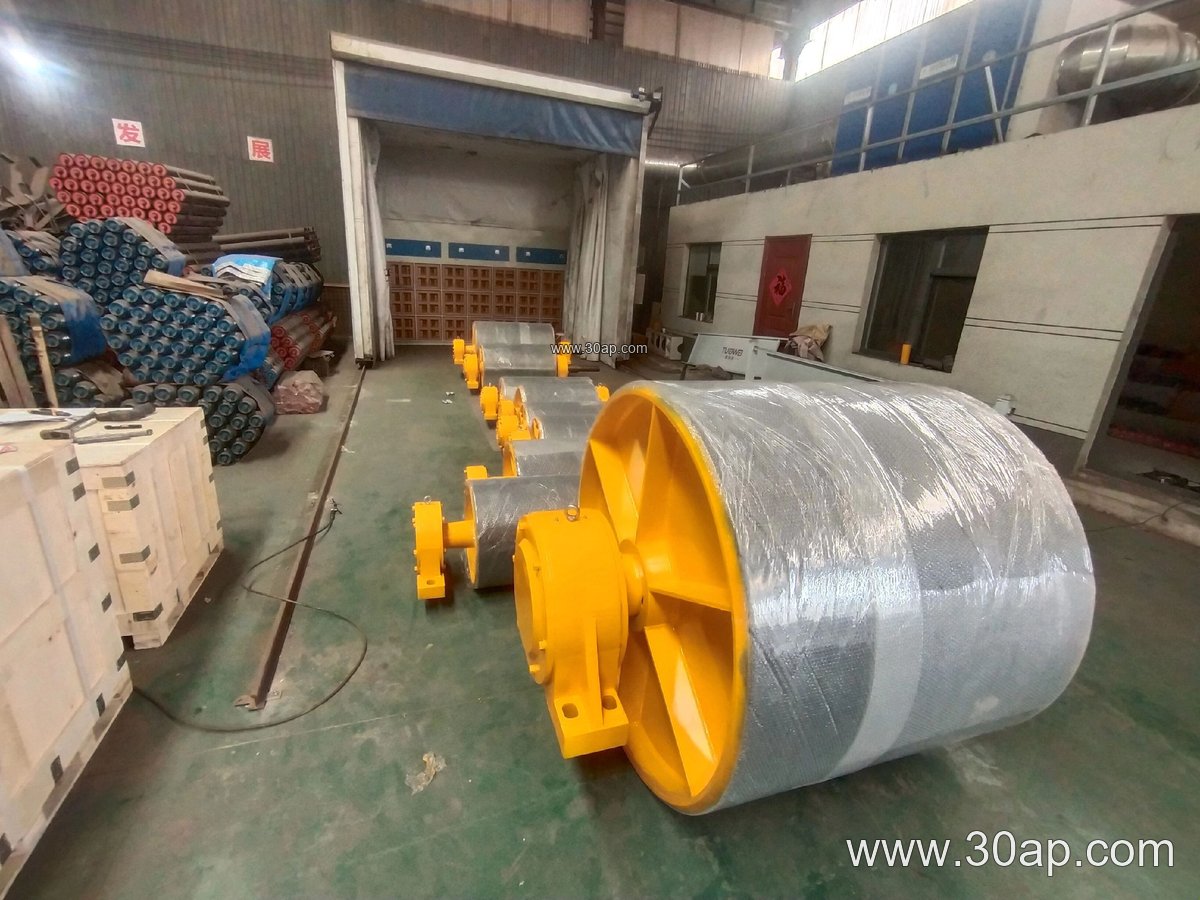
How the Lagging Is Built
Traction comes from the lagging layer wrapped around the pulley shell. Common surface forms include plain rubber, diamond rubber, herringbone rubber, and ceramic lagging. Diamond and herringbone grooves help water and fines escape from the contact zone, while ceramic tiles suit very abrasive service. The lagging is usually cold-bonded or hot-vulcanized onto the shell, and common thicknesses are 8, 10, 12, 15, and 20 mm.
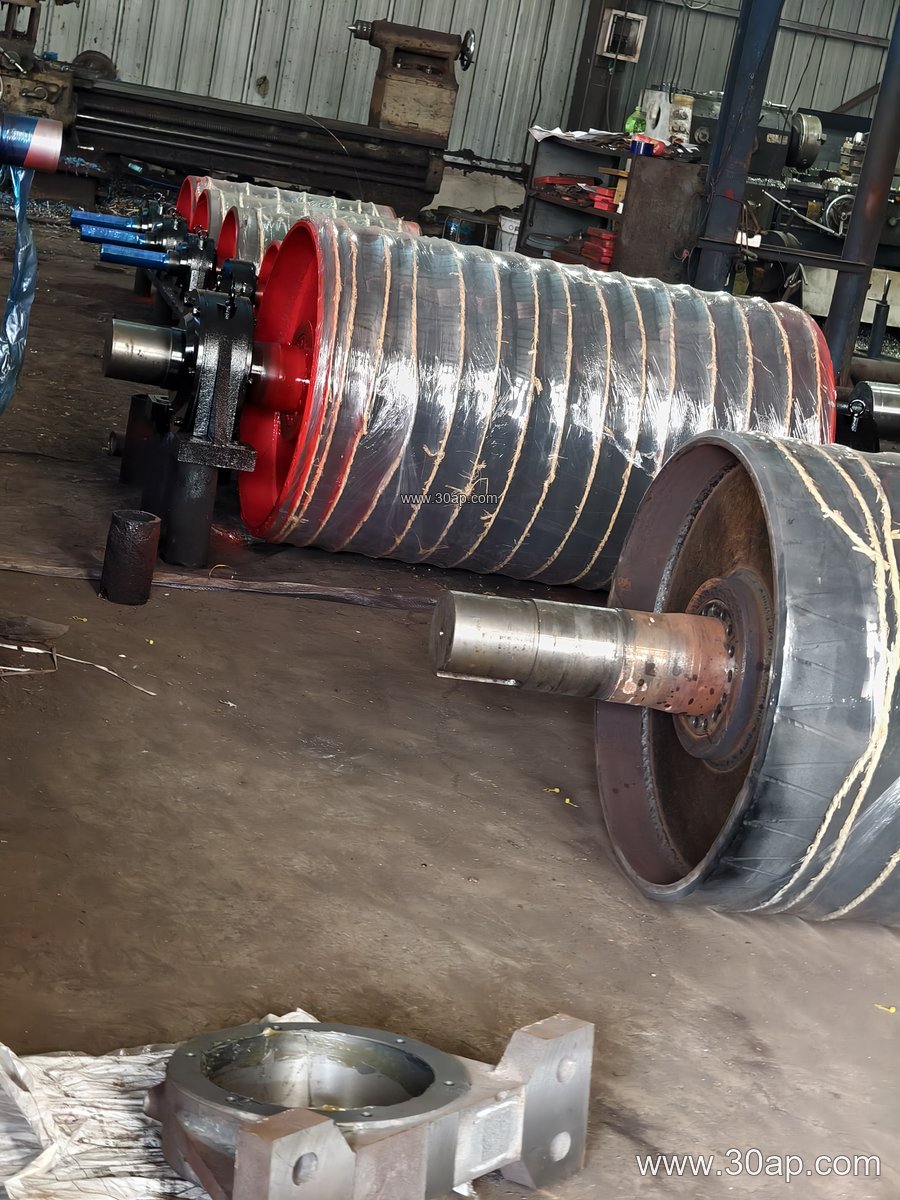
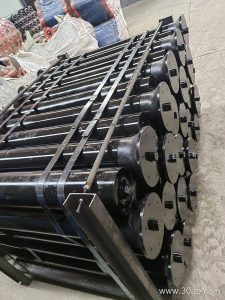
Beneath the lagging, the shell, hub, and shaft must be strong enough for the torque and belt tension. Shaft diameter is set by torque and load, not by belt width alone, so a buyer should provide the actual duty rather than assume a fixed combination. Common shaft sizes run from Ø50 up to Ø200 in many conveyor pulley designs.
Typical Sizes and Combinations
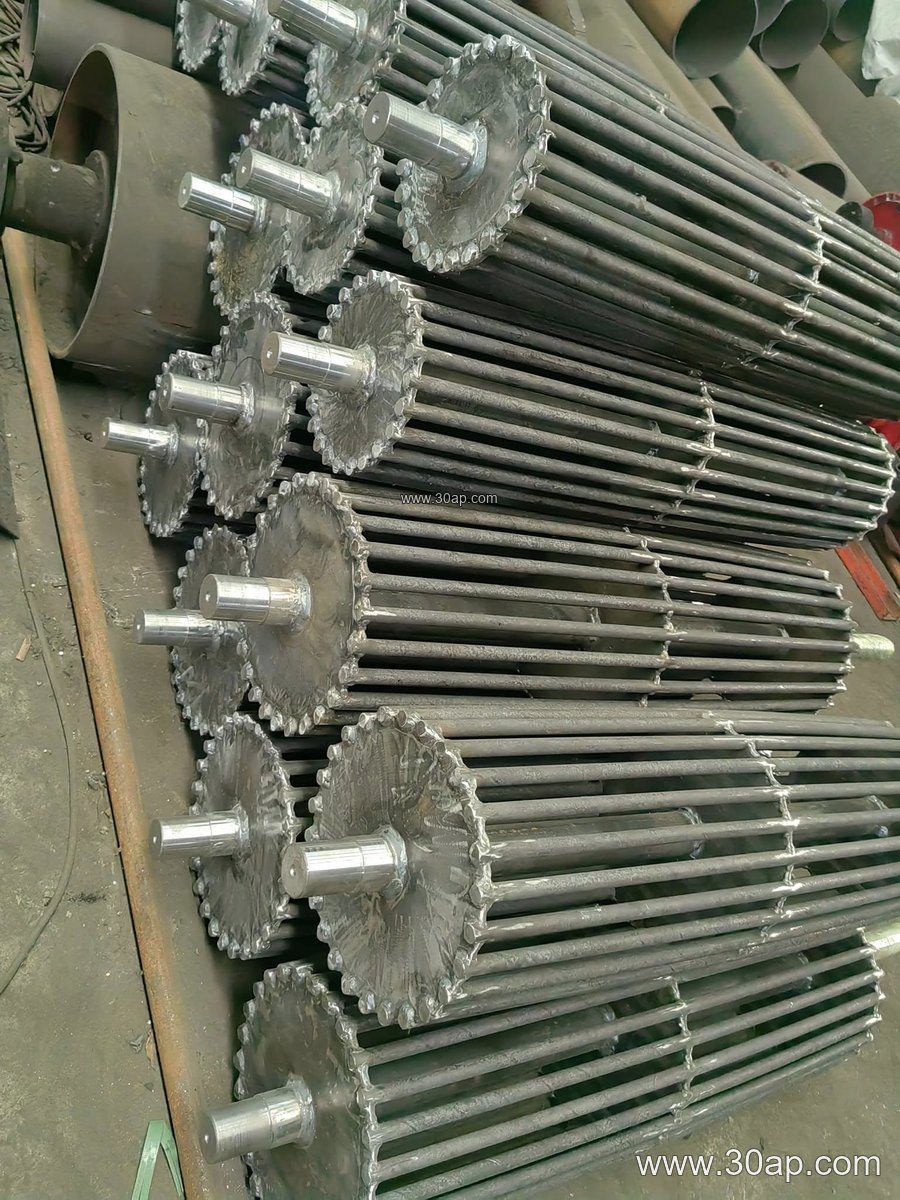
Drum diameter and face width are chosen together with belt width and tension. The table below shows common reference combinations; these are examples, not a fixed matching rule.
- B800 × Ø500 — light to medium drive duty on an aggregate or sand line
- B1000 × Ø800 — bulk material handling in a cement or coal plant
- B1200 × Ø1000 — heavier drive duty, often with an EP or steel cord belt
- B1400 × Ø800 — wide belt on a moderate-tension conveyor
- B1600 × Ø1250 — large head drive in a port or mine application
The pulley face is usually wider than the belt; for example, a B650 belt often runs on a face of about 750 mm, and a B1200 belt on about 1400 mm. Final dimensions should always follow the conveyor design.
Where It Is Used
This pulley appears wherever a belt needs reliable grip. In a limestone quarry or an iron ore beneficiation line, it drives a heavy-duty mining conveyor belt against dust and grit. In a coal washing plant, it may work with a flame retardant conveyor belt. In a cement plant, it handles clinker on a heat resistant conveyor belt. Port bulk terminals and power plant coal conveyors also rely on lagged drive drums for steady traction.
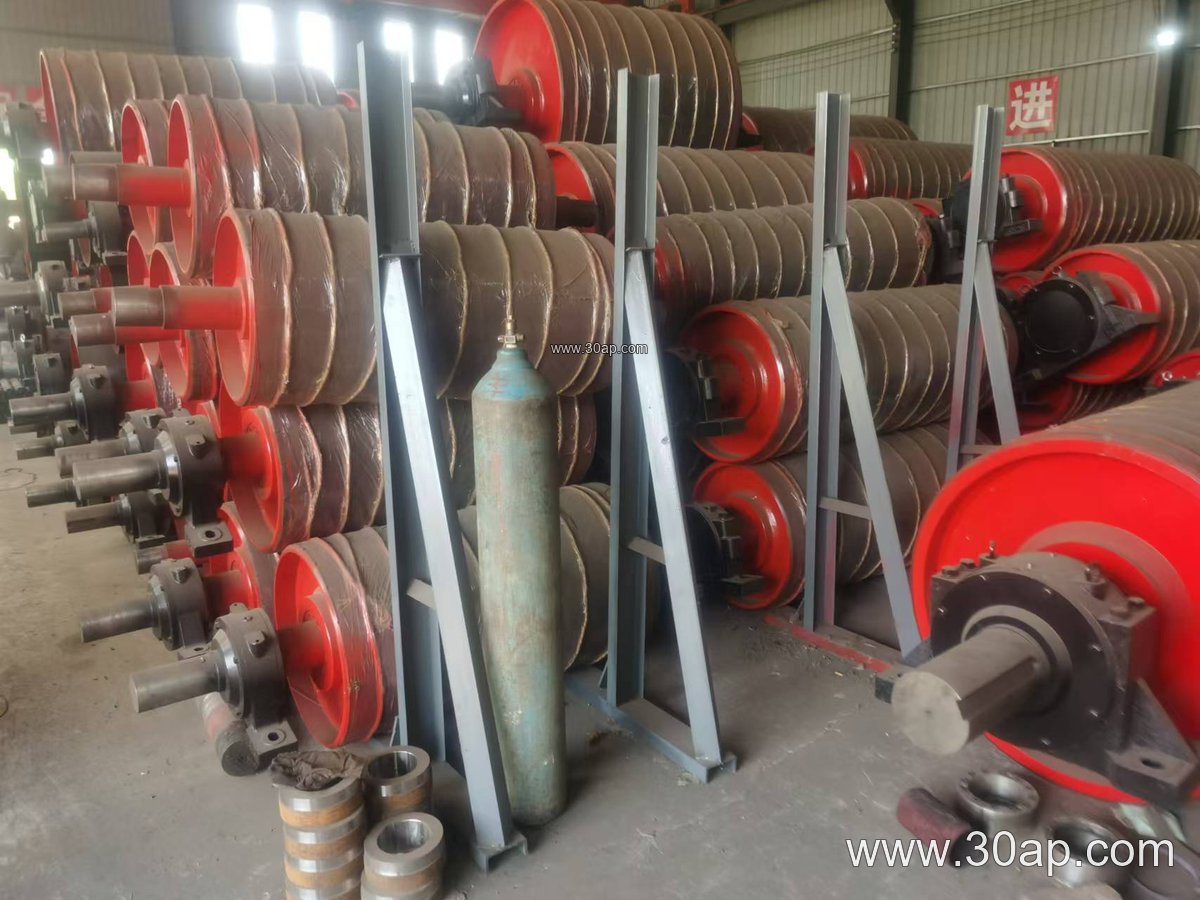
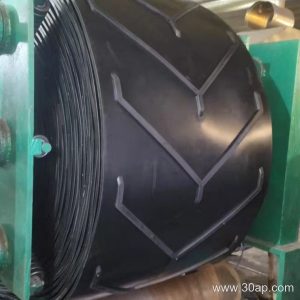
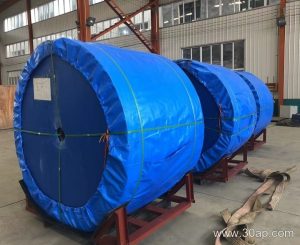
The belt itself matters too. An EP conveyor belt, NN conveyor belt, or steel cord conveyor belt has different tension behavior, and the drive pulley must be sized to suit it. For steep inclines, a chevron conveyor belt or a corrugated sidewall conveyor belt may be used, and the drive pulley must still maintain grip without damaging the cleats.
What Buyers Should Check
- Position and duty: confirm the pulley is for the drive position, not a tail or bend location.
- Lagging type and thickness: match the surface to the material and moisture level.
- Belt width and tension: supply the belt type and working tension so the diameter and shaft can be calculated.
- Bearing and bracket: confirm the conveyor bracket and bearing size fit the shaft and frame.
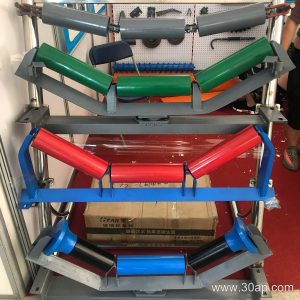
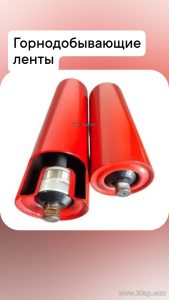
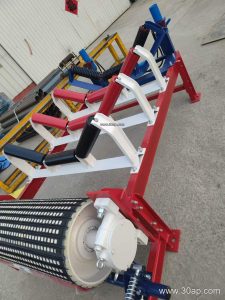
- Maintenance: check lagging wear and bolt tightness regularly, and keep idler roller alignment in good order so the belt tracks centrally.
A well-chosen anti-slip lagged pulley protects the belt, reduces slip-related heat, and keeps the conveyor running through dusty, wet, or high-tonnage conditions.