What a Bend Pulley Does on a Conveyor
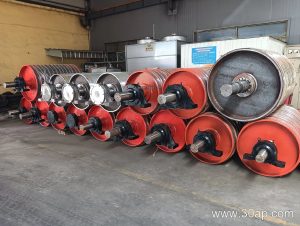
A bend pulley is a direction-changing drum that guides the conveyor belt through a turn without driving it. It is usually mounted at the tail end, in the take-up zone, or wherever the belt path needs to be redirected. Unlike a drive pulley, it transmits no torque to the belt, and unlike a tail pulley, its main job is not to receive material at the loading point. In a typical tension arrangement, the bend pulley works together with a take-up pulley to increase belt wrap and maintain tension.
Because the belt wraps around it under tension, the bend pulley must be robust enough to resist bending loads and bearing stress. On a long overland conveyor at a quarry or a coal handling line at a power plant, a poorly sized bend pulley can cause belt tracking problems and premature belt edge wear.
Construction and Surface Options
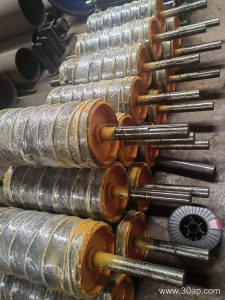
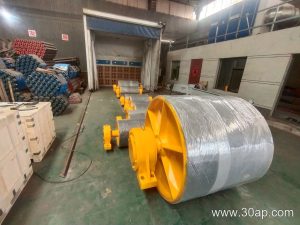
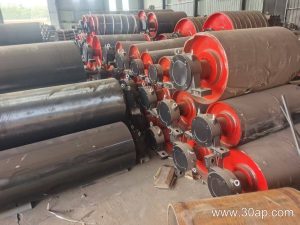
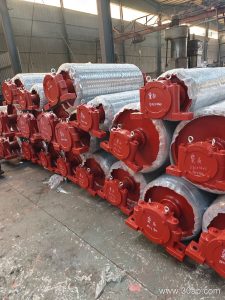
Most bend pulleys use a welded steel shell with a machined face, pressed or cast end discs, and a through shaft supported by self-aligning bearings in pillow blocks or a bracket assembly. The shell is often crowned slightly to help the belt self-center. Surface treatment depends on the duty:
- Plain face for light-duty redirects where friction is not critical.
- Rubber lagging applied by cold bonding or hot vulcanizing, typically 8 to 15 mm thick, to improve grip and protect the shell.
- Diamond or herringbone lagging to shed water and fines, common in wet or dusty service.
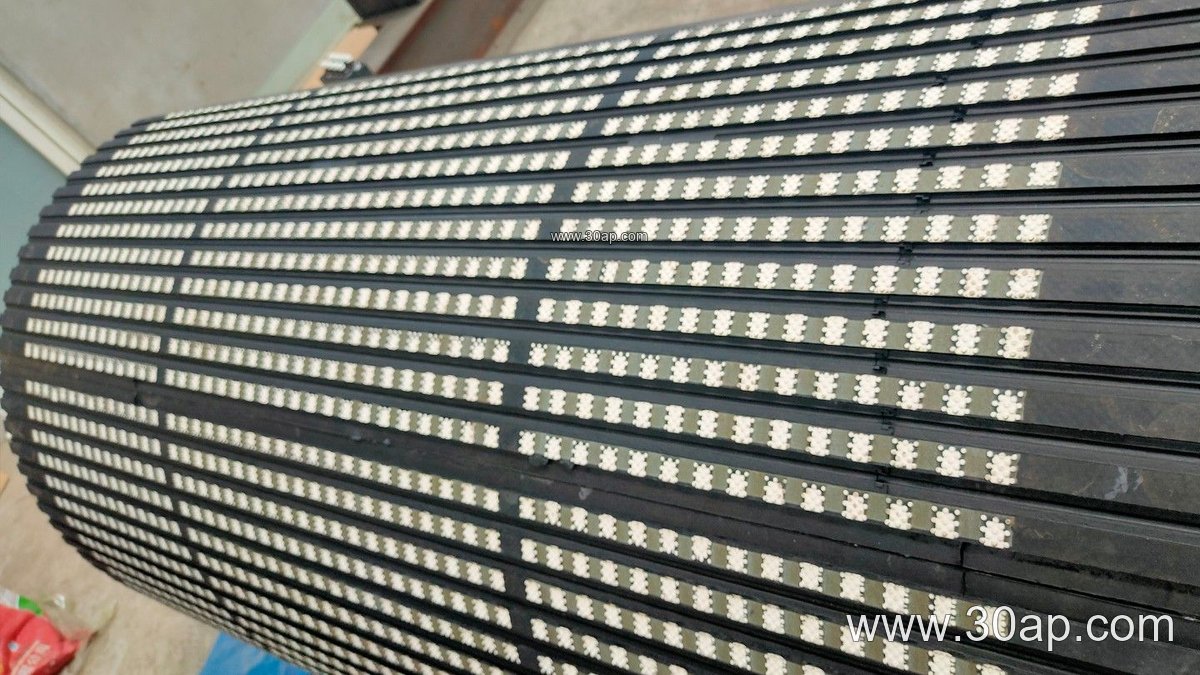
- Ceramic lagging for high-tension, high-slip positions.
The pulley face width normally exceeds the belt width, so a B800 belt generally runs on a pulley face of about 950 mm, and a B1200 belt on roughly 1400 mm. The shaft diameter is determined by torque and radial load, not by belt width alone, and common shaft sizes range from Ø50 to Ø200 mm depending on the design.
Where Bend Pulleys Are Used
You will find these drums in almost any bulk handling circuit. In a limestone quarry, a bend pulley redirects the belt on the return side before the take-up. In a cement plant, it helps route the belt around the clinker cooler discharge. In a coal preparation plant, it works with flame retardant conveyor belts and abrasion resistant belting to keep the return strand aligned. Port bulk terminals use large bend pulleys on ship loading conveyors, while a copper or iron ore concentrator may use heavy-duty units with thick lagging to handle sharp, abrasive material.
The bend pulley is not a substitute for a drive pulley or a tail pulley, and it should not be confused with a snub pulley, which has a different wrap function. Each position in the conveyor has its own load profile and selection criteria.
Matching the Pulley to the Belt
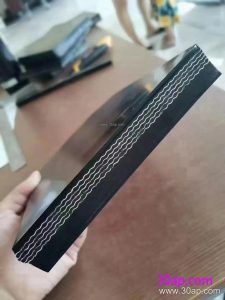
Belt type influences pulley choice. A steel cord conveyor belt with high tension needs a robust shell and bearing assembly, while a multi-ply fabric core belt may run on a lighter drum. When the belt carries hot material, a heat resistant conveyor belt may require a pulley with heat-tolerant lagging. In underground mining, a flame retardant conveyor belt is paired with pulleys that meet the same fire-safety expectations for the installation.
Typical combinations include B800 × Ø500, B1200 × Ø1000, and B1400 × Ø800, but these are examples only. The correct diameter depends on belt speed, wrap angle, belt stiffness, and the allowable bending stress of the belt carcass. A larger diameter reduces belt flex fatigue, which matters for high-strength belts such as EP1000 or ST1600 constructions.
Buyer Checklist
- Confirm the belt width, belt type, and belt tension so the pulley face and shaft can be sized correctly.
- State the mounting position: tail, take-up, or intermediate redirect.
- Choose lagging based on environment: plain for dry clean service, diamond for wet, ceramic for high slip.
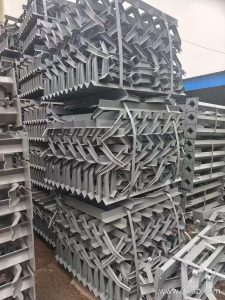
- Check bearing type and bracket dimensions against the conveyor frame.
- Ask for dynamic balance and runout tolerances, especially on large diameters above Ø1000.
- Plan for inspection of lagging wear and bearing condition during scheduled shutdowns.
For more information on matching drums to belting, visit conveyor-pulley.com or review the conveyor bracket options at beltconveyorparts.com. A bend pulley that is correctly specified will keep the belt tracking smoothly and extend the service life of the entire conveyor line.