What Conveyor Bracket Procurement Covers
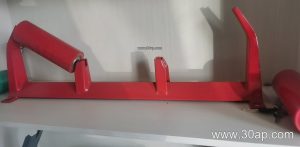
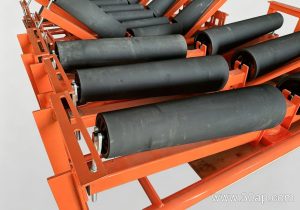
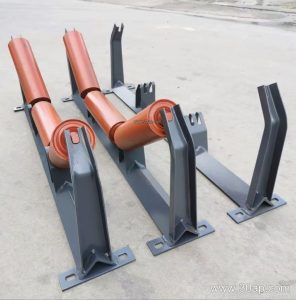
Conveyor bracket procurement is the process of sourcing the structural supports that hold idler rollers in place along a belt conveyor. These brackets, often called idler frames or idler support brackets, are the interface between the conveyor stringer and the rotating idlers that carry the belt. A well-planned procurement decision ensures that the bracket matches the belt width, trough angle, and roller diameter used on the line, whether the site is a quarry, a cement plant, or a coal handling facility.
Unlike a drive pulley or a tail pulley, which transmit power and set belt tension, the bracket is a static support component. It does not rotate, but its geometry directly affects belt tracking, material containment, and idler life. Buyers should treat bracket procurement as an engineering fit question, not a commodity purchase.
Construction and Common Configurations
Most brackets are fabricated from angle steel, channel steel, or folded steel plate. The choice of material and thickness depends on the load and the environment. In a sand and gravel line, a folded plate bracket may be sufficient, while a heavy-duty mining conveyor belt system often calls for channel steel frames with reinforced mounting points.
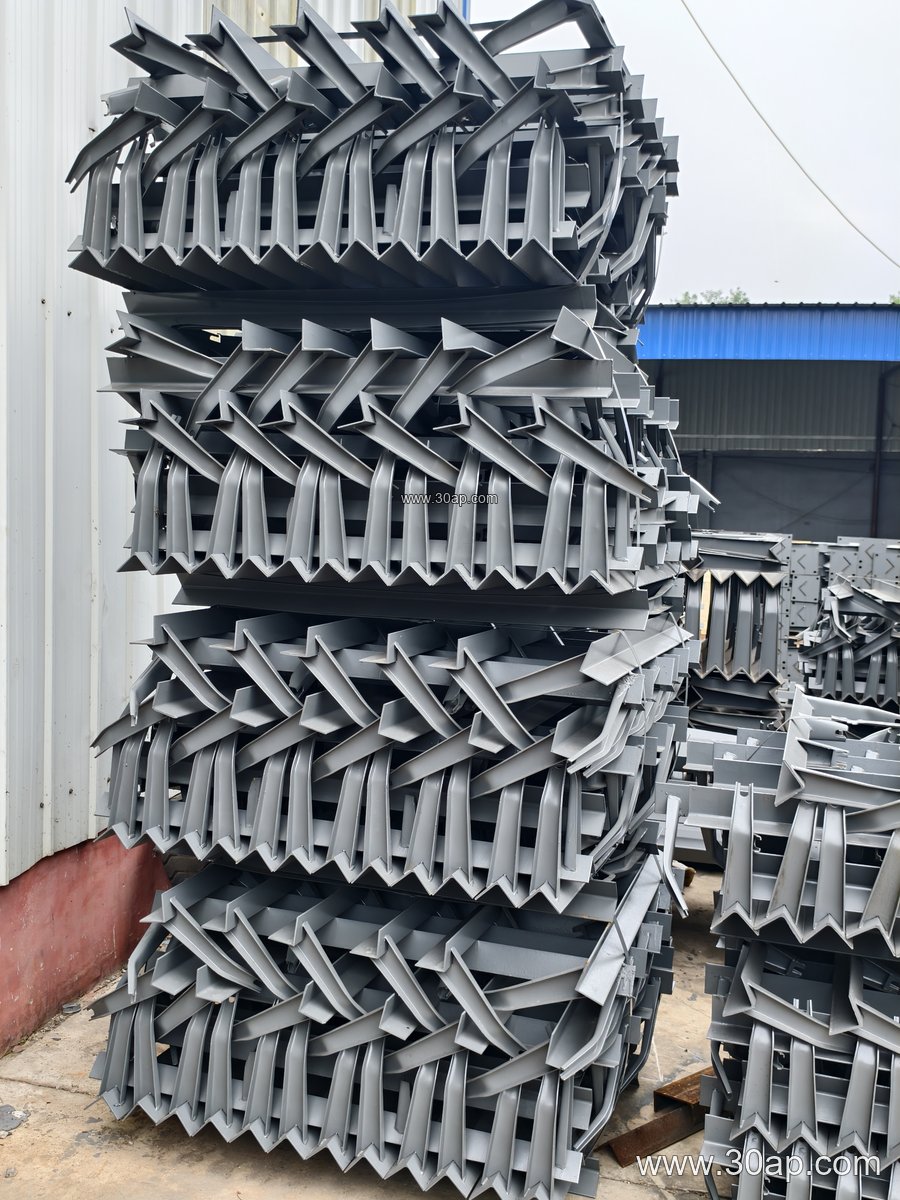
Common bracket types include troughing brackets (carrying side), impact brackets at load points, return brackets, V-return brackets, self-aligning brackets, and transition brackets near pulleys. Adjustable brackets allow the trough angle to be set between common values such as 20, 30, 35, and 45 degrees. Forward-leaning brackets, typically around 1.5 to 2 degrees, are used for belt training on some installations. Each type has a specific role; a return bracket should not be substituted for a troughing bracket, just as a bend pulley is not a substitute for a drive pulley.
Matching Brackets to Belt and Roller Dimensions
Bracket selection starts with the belt width and the idler roller diameter. Common belt widths in bulk handling include B500, B650, B800, B1000, B1200, B1400, B1600, B1800, B2000, B2200, and wider. Roller diameters are typically Ø89, Ø108, Ø133, Ø159, or Ø194. The bracket must have the correct mounting hole spacing and crossbeam length for the combination; these dimensions are not fixed across all widths and should be confirmed with the supplier or the conveyor design.
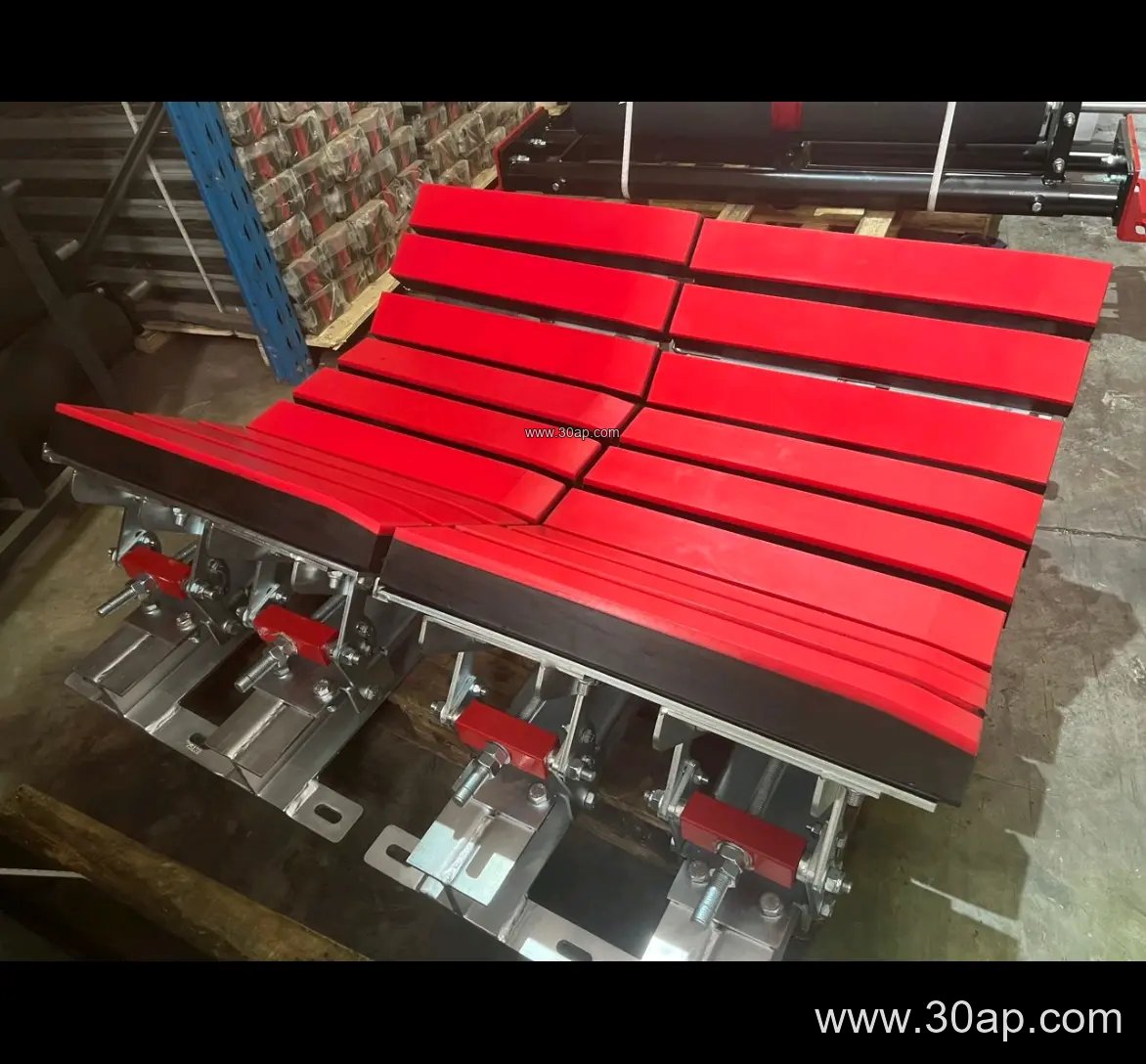
The table below shows representative combinations, not mandatory pairings. A B800 belt may use a 35-degree trough with Ø108 rollers in one plant and a different roller diameter in another, depending on load and belt speed.
| Belt Width | Trough Angle | Roller Diameter | Typical Bracket Type |
|---|---|---|---|
| B650 | 30° | Ø89 | Troughing bracket |
| B800 | 35° | Ø108 | Troughing bracket |
| B1000 | 35° | Ø133 | Troughing or impact bracket |
| B1200 | 45° | Ø133 | Troughing bracket |
| B1400 | 35° | Ø159 | Troughing bracket |
| B1600 | 45° | Ø159 | Troughing or transition bracket |
For wider belts, such as a 1800mm wide conveyor belt or a 2000mm belt, bracket frames are often heavier and may require additional cross bracing. The bracket should also be checked against the conveyor pulley diameter at transition zones, because the transition distance affects belt stress.
Where These Brackets Are Used
Bracket procurement is relevant wherever a belt conveyor operates. In a limestone quarry or aggregate plant, troughing brackets support the carrying idlers under a crusher conveyor belt. In a coal mining operation, flame retardant conveyor belt and anti-static conveyor belt requirements may extend to the bracket’s grounding path. In a power plant coal yard, brackets must tolerate dust and occasional washdown. Cement plants use brackets on clinker and raw material conveyors, while port ship loading conveyors rely on robust frames for high-tonnage bulk material conveyor belts.
Other industries include steel plants, fertilizer plants, and grain silos. In each case, the bracket type follows the belt path: troughing on the carry side, return brackets underneath, and impact brackets at transfer points.
Procurement Checklist for Buyers
- Confirm belt width, trough angle, and roller diameter for each conveyor section.
- Specify bracket type by location: carrying, return, impact, transition, or self-aligning.
- State the material and finish, such as painted or galvanized steel, where corrosion is a concern.
- Provide mounting hole spacing and crossbeam length, or ask the supplier to confirm against the conveyor drawing.
- Check compatibility with the idler roller end type and the conveyor stringer.
- For adjustable brackets, define the angle range and locking method.
- Review documentation for dimensional tolerances and load ratings; do not assume one bracket fits all belt widths.
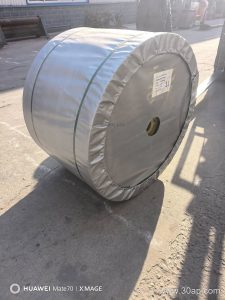
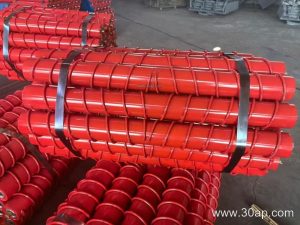
Because brackets are often purchased alongside conveyor belt, idler roller, and conveyor pulley components, a coordinated procurement plan reduces fit-up problems during installation. Buyers should avoid treating the bracket as an afterthought; a mismatch in hole spacing or trough angle can cause belt misalignment and premature idler wear.
For more information on conveyor components and bracket options, visit conveyor bracket and conveyor pulley resources.