What a PVG Conveyor Belt Is
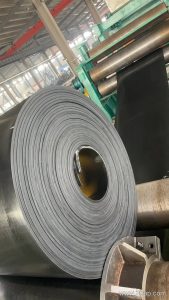
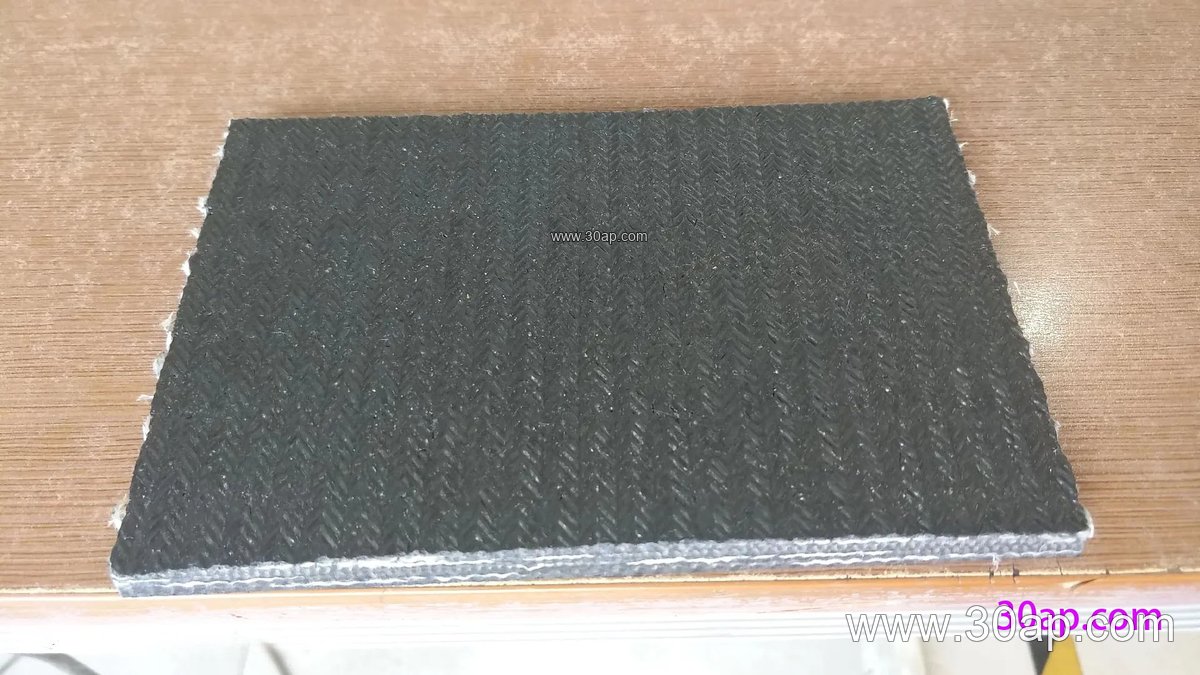
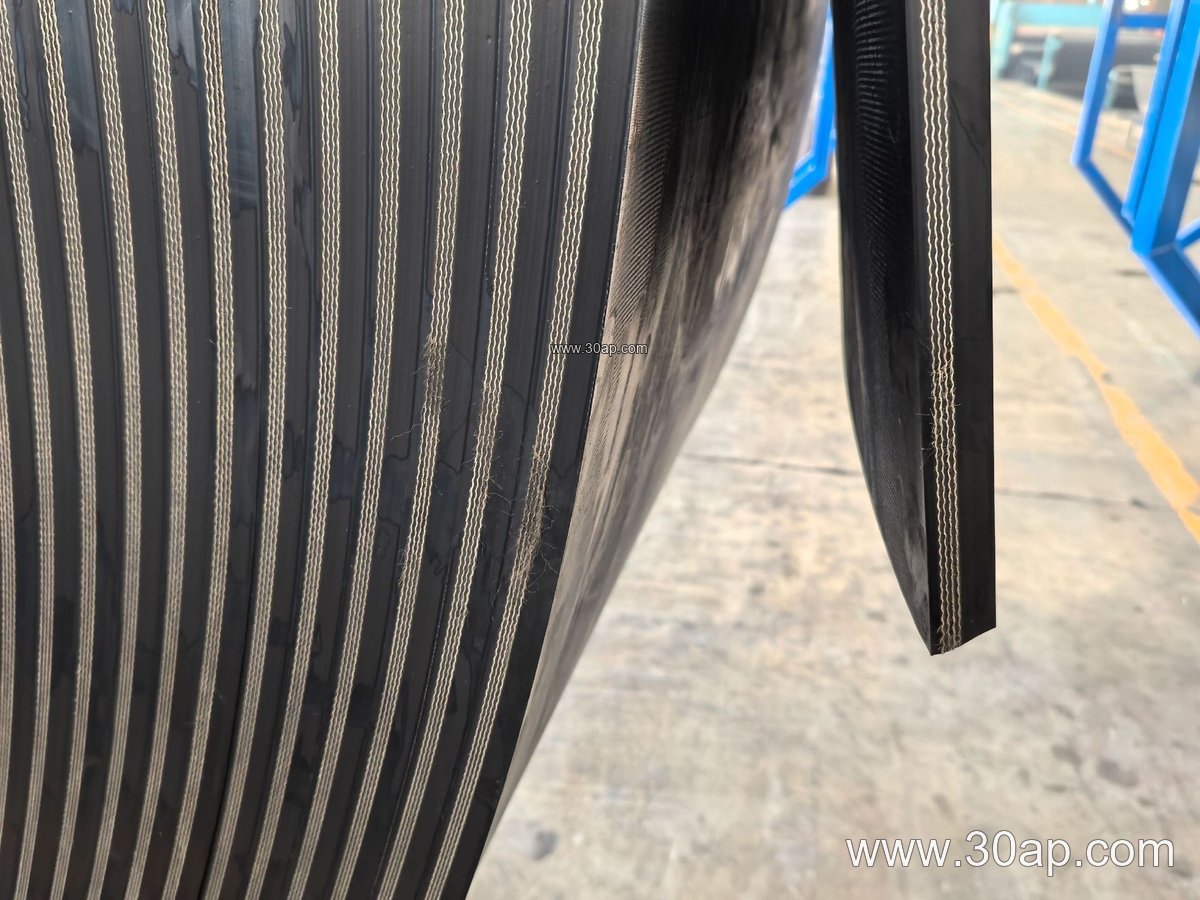
A PVG Conveyor Belt is a solid-woven, PVC-impregnated conveyor belt with rubber covers. The carcass is a single-ply fabric that is fully saturated with polyvinyl chloride, which gives the belt its strength and makes it resistant to moisture and rotting. The top and bottom surfaces carry rubber covers, usually with a patterned or smooth finish depending on the duty. Because the whole carcass is impregnated rather than laminated from separate plies, the belt has good resistance to delamination and works well in wet or dusty conditions.
The product is often called a PVC/PVG solid woven belt, and PVG800 and PVG800S are common designations for fire-resistant grades used in underground service. It is not a steel cord belt and should not be confused with an EP fabric core belt or an NN conveyor belt, which use different carcass constructions.
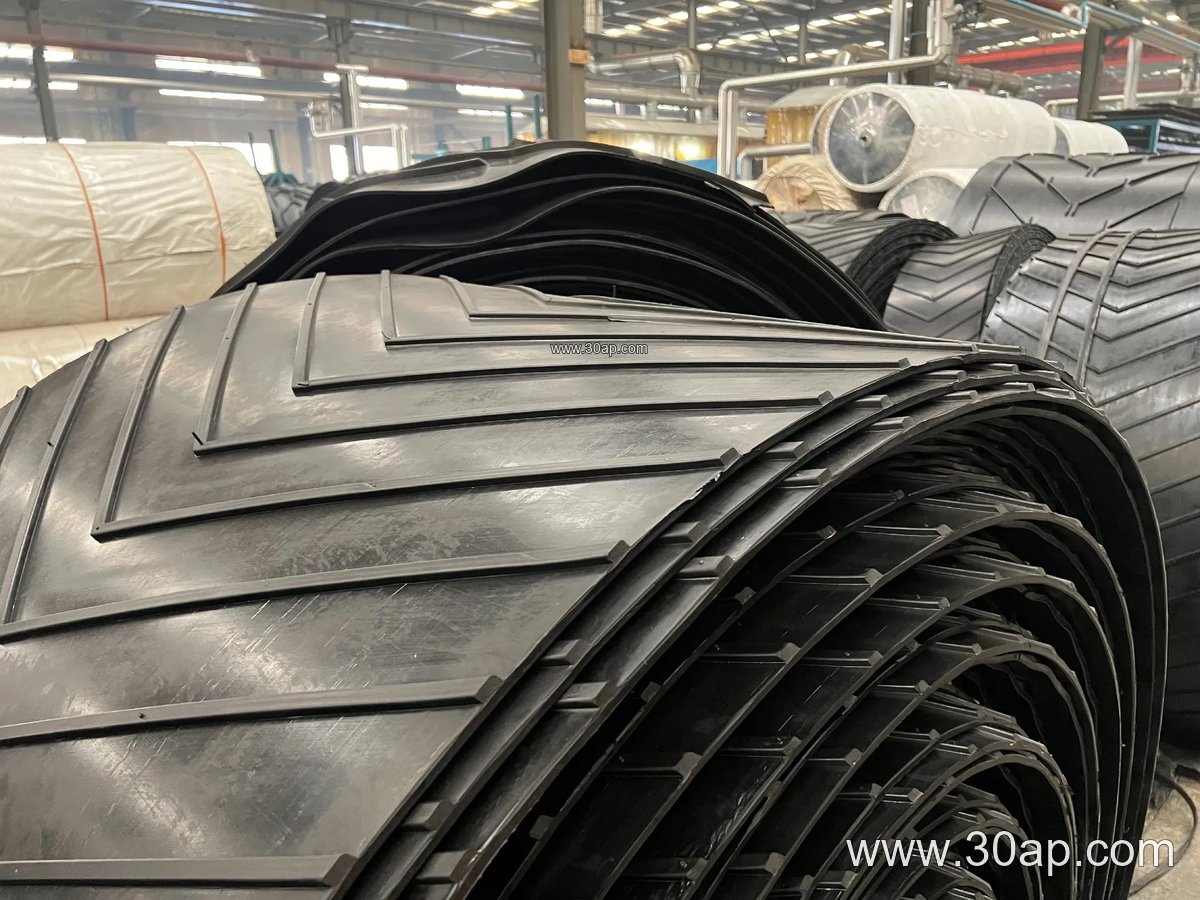
Construction and Surface Options
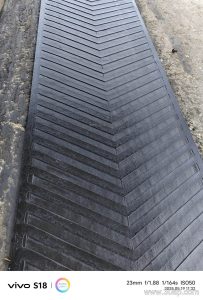
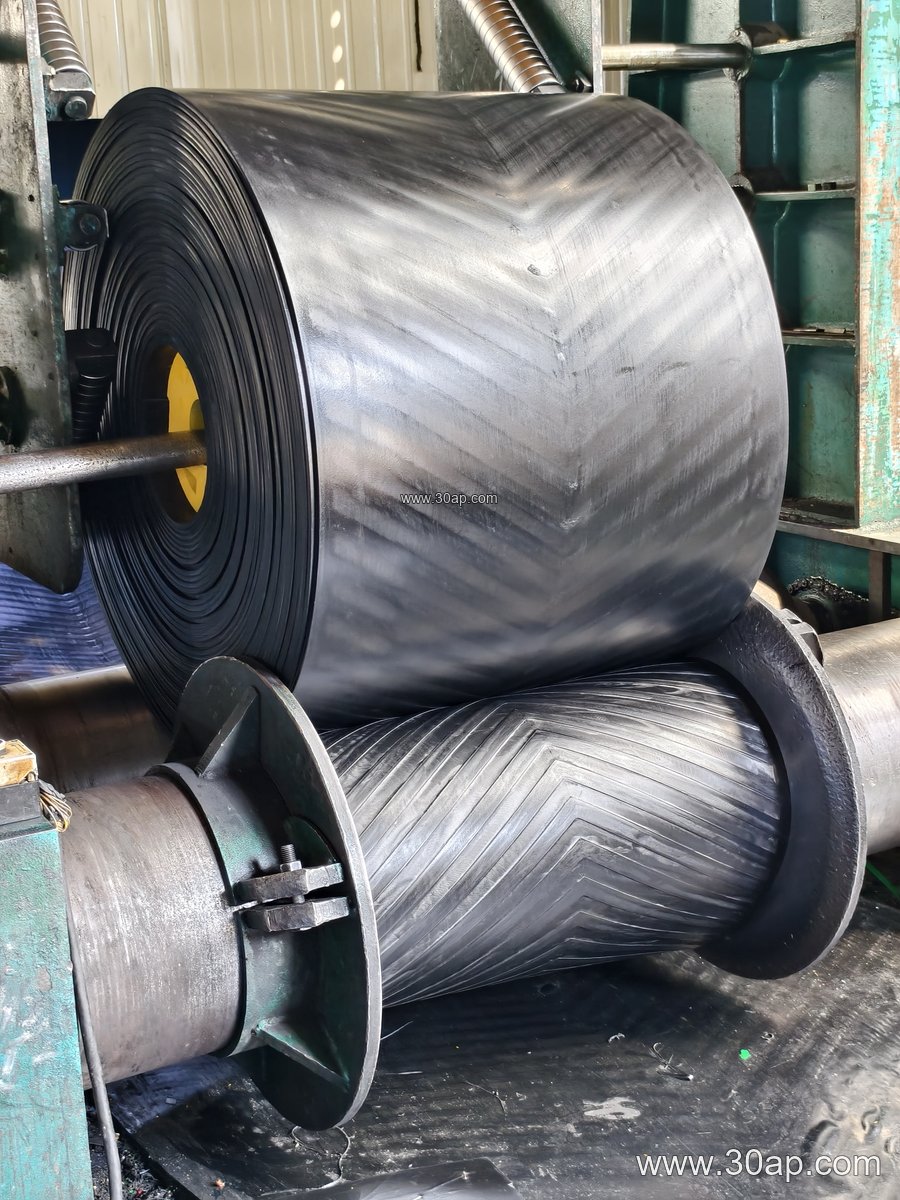
The carcass is woven from high-strength synthetic yarn, then impregnated with PVC paste and cured. Rubber covers are applied to both faces. Cover thickness is usually specified as a pair of numbers, for example 3+1.5 mm or 4+2 mm, where the first figure is the top cover and the second is the bottom cover. Buyers can also request chevron or patterned top covers for incline work, and corrugated sidewall or skirted edges where material spillage must be controlled.
Fire resistance and anti-static behaviour are the properties most often requested for this belt type, particularly for coal mining conveyor belt duties. A flame retardant conveyor belt grade is typical for underground coal mining conveyor belt systems, while a fire resistant conveyor belt version is chosen where the risk profile calls for it.
Where It Fits in a Conveyor
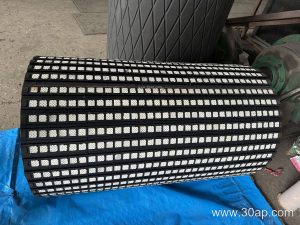
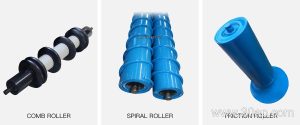
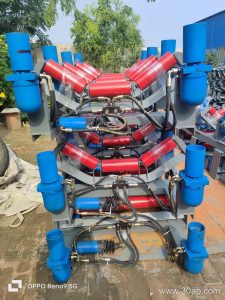
The belt runs over a conveyor pulley at the head and tail, is supported by idler roller sets along the carry side, and returns over return idlers. The drive pulley transmits traction, the tail pulley provides the turning point, and bend pulleys route the belt through take-up or transfer zones. These pulleys are not interchangeable, and the belt’s tension rating should be matched to the drive arrangement rather than assumed from belt width.
Typical applications include:
- Coal mining and underground mining conveyor systems
- Power plant coal handling and ash transport
- Cement plants and quarry conveyor lines
- Sand and aggregate plants, crusher conveyor belts
- Port and ship loading conveyors handling bulk material
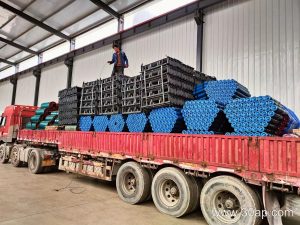
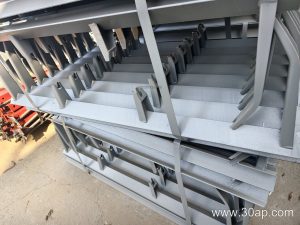
In these industries the belt often works alongside a conveyor bracket and idler roller assembly that must be aligned and maintained to keep the belt tracking correctly.
Specifications Buyers Should Confirm
There is no single universal specification. The table below shows common reference ranges; actual values should be confirmed with the supplier for each order.
| Parameter | Common Reference |
|---|---|
| Belt width | 500 mm to 2000 mm, with 800 mm, 1000 mm, 1200 mm and 1400 mm frequently used |
| Cover thickness | 3+1.5 mm, 4+2 mm, 5+2 mm, 6+2 mm, 8+3 mm |
| Strength designation | PVG800, PVG800S and similar grades |
| Surface form | Smooth, patterned, chevron, skirted or corrugated sidewall |
| Special properties | Flame retardant, anti-static, abrasion resistant, oil resistant, cold resistant |
When specifying, state the material carried, lump size, incline angle, throughput and ambient conditions. A belt for an iron ore conveyor or copper ore conveyor may need heavier covers, while a coal conveyor belt in a power plant may prioritise flame retardant and anti-static performance.
Selection and Maintenance Notes
Match the belt strength to the working tension, not to the pulley diameter alone. A wide belt does not automatically require a larger shaft, and belt width and pulley size are separate design decisions. Check that the idler roller spacing suits the load, that the conveyor bracket is square, and that the drive pulley lagging is in good condition. Keep the belt clean and avoid sharp transfer points that can cut the rubber cover. For hot material, a heat resistant conveyor belt grade is a better fit than a standard PVG belt; for oily loads, consider an oil resistant conveyor belt.
For more information on belt and component selection, visit conveyorbeltingpro.com for PVG conveyor belt guidance and related conveyor pulley and idler roller data.