What a Ø133 Conveyor Idler Does on the Line
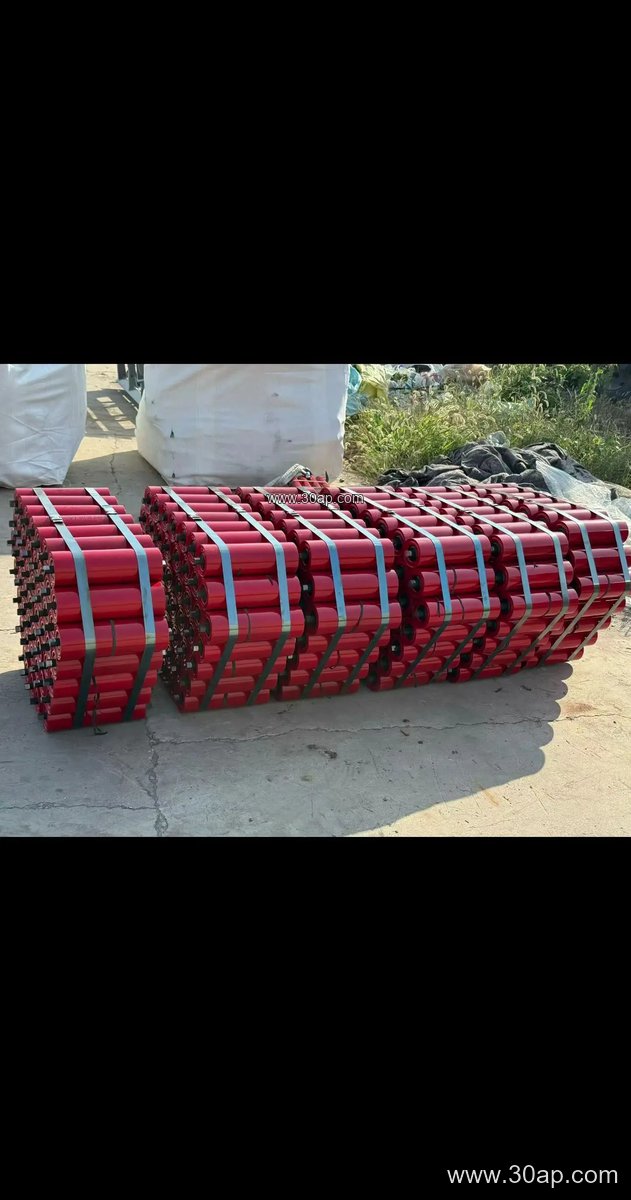
A Ø133 conveyor idler is a carrying or return roller with a nominal shell diameter of 133 mm, used to support the conveyor belt and control its path along the structure. In a quarry, limestone mine, or sand and aggregate line, these rollers sit under the loaded strand and along the return run, letting the belt travel with low rolling resistance while keeping material contained. The idler is not a drive component. It works together with the conveyor pulley, conveyor bracket, and belt to form the running circuit.
The size is common on medium and wide belts where the load per roller is significant. It is also used on heavy-duty mining conveyor belts and crusher conveyor belts that carry lumpy, abrasive rock. Selecting the right roller diameter, length, and bearing arrangement matters more than picking a number from a catalogue.
Construction and Main Components
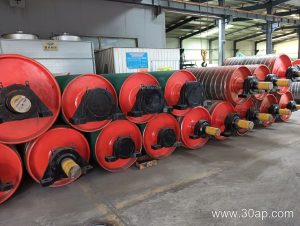
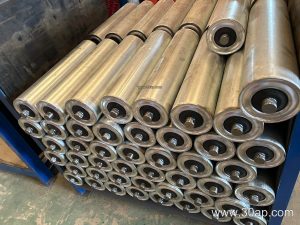
An idler roller of this diameter usually consists of a steel tube shell, stamped or cast bearing housings, a shaft, and sealed bearings. Roller ends are fitted with labyrinth seals, and in dusty plants the seal design is often the difference between long service and frequent replacement.
- Shell: steel tube is standard; nylon, ceramic, or rubber rings may be added for specific wear or impact conditions.
- Bearing: common sizes include 6205, 6305, 6306, and 6308. The correct bearing depends on load, speed, and seal arrangement, not on diameter alone.
- Shaft: fixed by the bracket and designed for the actual radial load; shaft diameter should be confirmed with the idler supplier.
- Sealing: dust and water protection is essential in cement plants, coal handling, and power plant coal conveying.
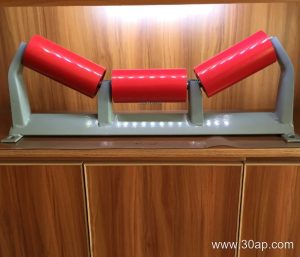
Roller length varies with belt width, trough angle, and the idler set configuration. For a three-roll troughing set, common roller lengths are roughly 200 mm for B500, 250 mm for B650, 315 mm for B800, 380 mm for B1000, 465 mm for B1200, 530 mm for B1400, 600 mm for B1600, and 670 mm for B1800. These are reference examples; side rollers and centre rollers can differ, and the final length is set by design.
Where It Fits in Bulk Handling
You will find Ø133 idlers in limestone crushing and screening plants, iron ore and copper ore handling, and aggregate stockpile conveyors. They also appear in cement plants, where dust is constant, and in power plant coal yards where flame retardant conveyor belts are common for safety. In a washing coal plant, sealed rollers help resist fine coal slurry.
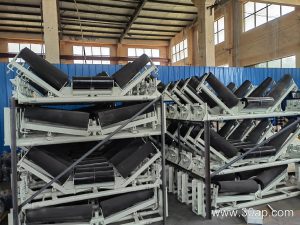
The roller may be used in troughing sets at 20, 30, 35, or 45 degrees, depending on how much material the belt must hold. Transition idlers near the tail and head help the belt change from flat to troughed smoothly. Return rollers, including V-type and flat return designs, support the empty strand. Impact idlers with rubber rings are often placed below the loading point to absorb the drop energy from crushers and screens.
When the belt carries hot sinter or clinker, heat resistant conveyor belts are used, but the idler specification still needs to suit the temperature and the surrounding structure. For long overland runs, steel cord conveyor belts may be paired with robust idlers, while EP conveyor belts and multi-ply fabric core belts are common in general bulk service.
Specification Points Buyers Should Check
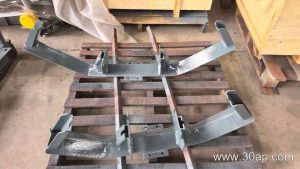
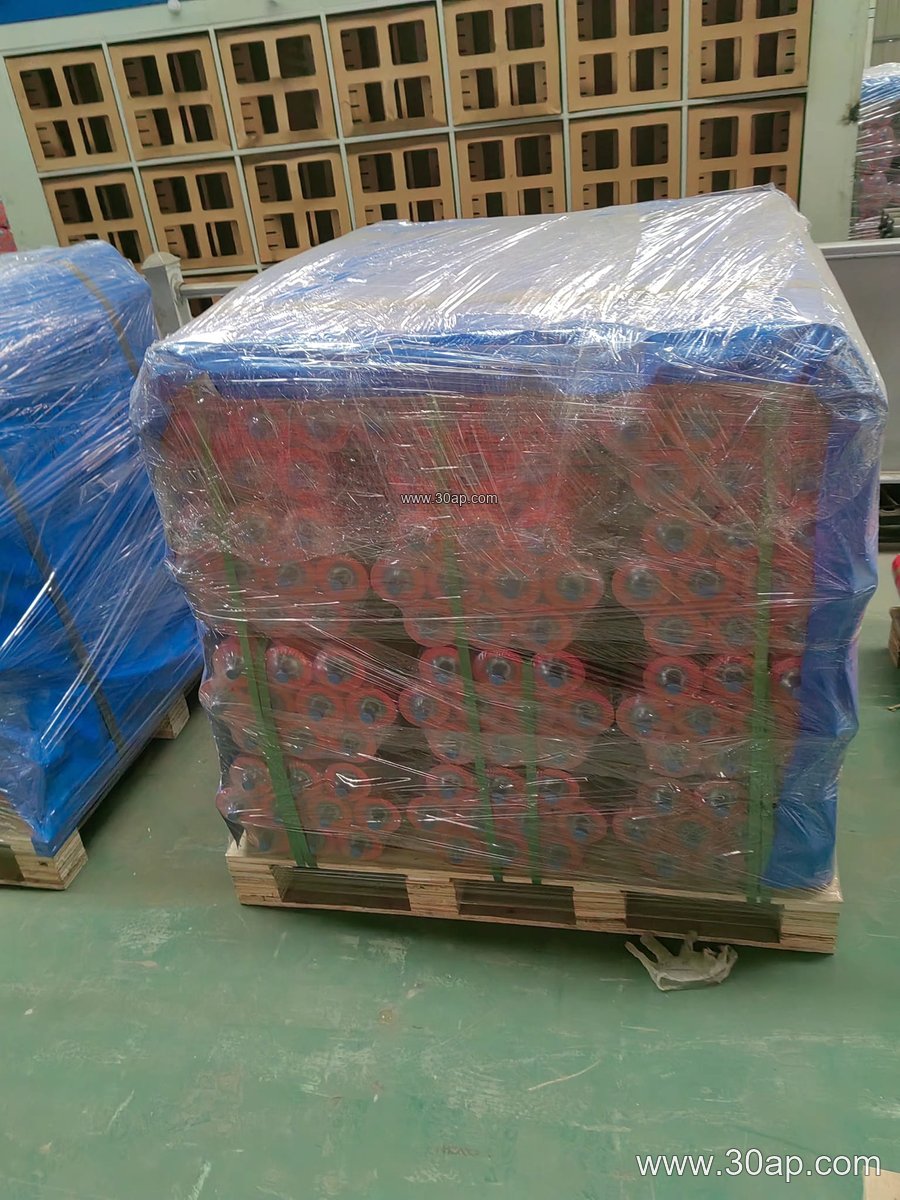
The nominal diameter is only one part of the data sheet. Buyers should confirm the roller length, shaft size, bearing type, seal class, shell thickness, and surface finish. Trough angle and idler set type also affect the order, because a three-roll troughing set and a single-roll return idler use different fittings.
| Parameter | Typical reference | Notes |
|---|---|---|
| Nominal diameter | Ø133 mm | Confirm with actual product drawing |
| Belt width examples | B800, B1000, B1200, B1400, B1600 | Roller length changes with set design |
| Trough angle | 20°, 30°, 35°, 45° | Chosen by material and belt behaviour |
| Bearing examples | 6205, 6305, 6306, 6308 | Depends on load and speed |
| Roller surface | Steel, nylon, ceramic, rubber ring | Rubber rings for impact zones |
| Set form | Single, two-roll, three-roll troughing | Return and transition sets also exist |
Ask for the actual shaft diameter rather than inferring it from belt width. A B1000 belt can be served by more than one idler design, and the same Ø133 shell may be built with different bearing and shaft combinations. The conveyor pulley at the drive and tail ends has its own specification and should not be confused with the idler.
Installation and Maintenance Notes
Alignment is the first maintenance task. Idlers should sit square to the belt centreline, with the troughing rolls at the correct angle. Misalignment causes belt wander and edge wear. Check that the conveyor bracket is secure and that the roller turns freely by hand before start-up.
During operation, listen for seized bearings and watch for material build-up on the shell. In dusty cement or coal handling service, clean the idler area periodically. Replace rollers that show flat spots, damaged seals, or excessive play. Keeping spare idlers in the correct length and bearing combination reduces downtime on a quarry or ore conveyor.
For more information on matching idlers with conveyor belts, pulleys, and brackets, visit our site at www.example.com/conveyor-idler and review the related conveyor components.