What an EP200 Conveyor Belt Is
An EP200 Conveyor Belt is a fabric core belt built around polyester warp and nylon weft cords. In this construction, the EP fabric carcass carries the tension load while the rubber covers protect the belt from wear and the working environment. The number 200 refers to the nominal tensile strength of the carcass, commonly expressed in N/mm, so an EP200 belt sits in the light-to-medium strength range of the EP family. Buyers who need a belt for a quarry, a cement plant, a sand and gravel line or a coal handling system often encounter it as a practical choice for medium-duty runs.
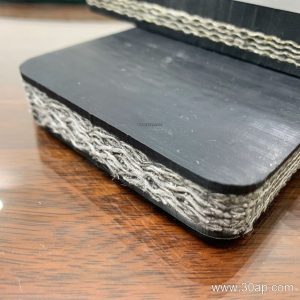
The full name EP Rubber Conveyor Belt is also used in the trade, and both terms describe the same product. The carcass is the key difference between EP belts and other fabric constructions. A Multi-Ply Fabric Core Conveyor Belt with EP plies provides good longitudinal strength with limited stretch under load, which helps keep take-up travel within reason on long conveyors.
How the Belt Is Built
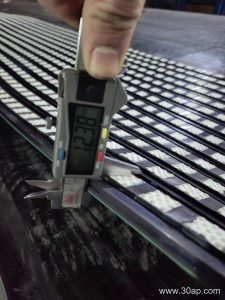
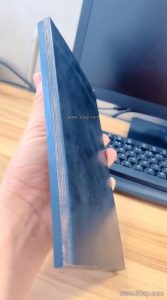
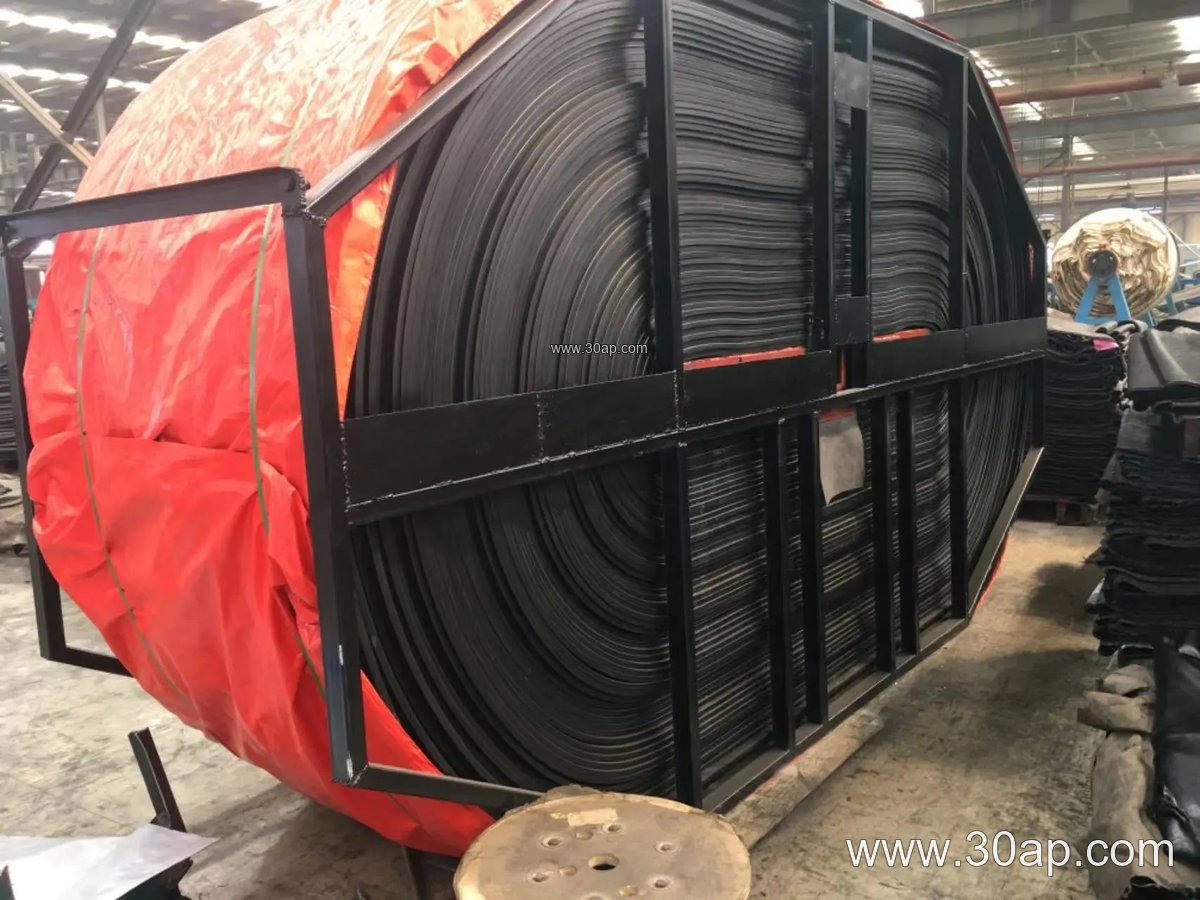
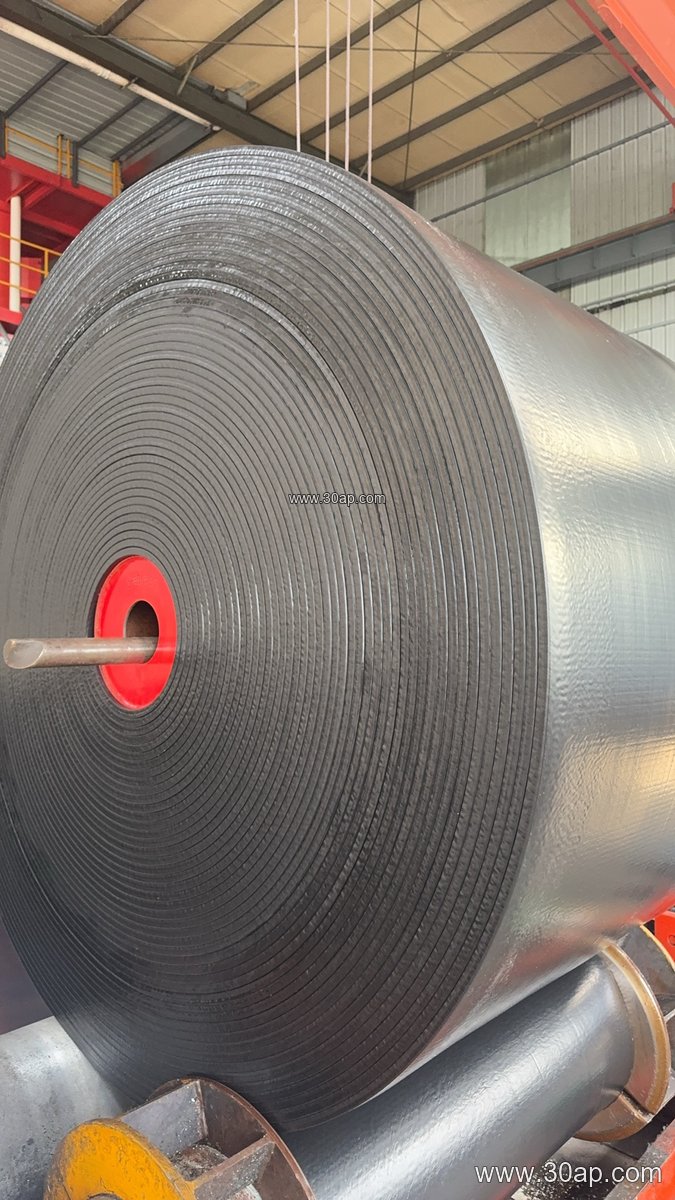
The carcass usually contains two to six EP plies, bonded with skim rubber and protected by top and bottom covers. Cover thickness is selected according to the material being carried and the abrasion expected at the loading point. Common cover combinations include 3+1.5 mm, 4+2 mm, 5+2 mm, 6+2 mm and 8+3 mm, but the final figure follows the conveyor design rather than a fixed rule.
For dusty or dusty-wet service, anti-static grades may be requested. For hot clinker or sinter, a Heat Resistant Conveyor Belt compounds are chosen instead of standard rubber. Where oil or grease is present, an Oil Resistant Conveyor Belt cover helps limit swelling. These variants share the EP carcass but differ in the rubber compound and sometimes in the ply construction.
Where EP200 Belts Are Used
The EP200 Conveyor Belt is common in medium-capacity bulk handling. Typical duties include:
- Aggregate and sand conveying in a quarry or sand making plant
- Cement plant raw meal and clinker transport, where a Cement Conveyor Belt with suitable covers is needed
- Coal handling in a Coal Conveyor Belt or Coal Mining Conveyor Belt circuit, with Flame Retardant Conveyor Belt or Anti-Static Conveyor Belt options where required
- Power plant fuel and ash lines using a Power Plant Conveyor Belt specification
- Port and ship loading duties where a Bulk Material Conveyor Belt must resist abrasion
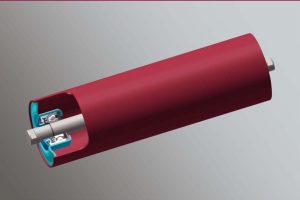
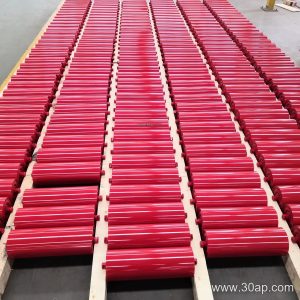
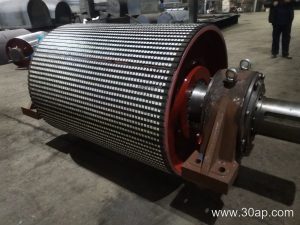
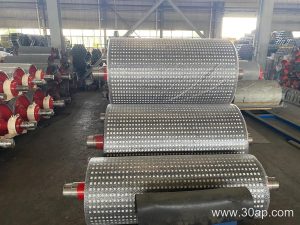
It also appears in crushing circuits as a Crusher Conveyor Belt or Stone Crushing Conveyor Belt, and in recycling lines where mixed waste calls for a tough cover. The belt works with conveyor pulleys, idler rollers and a conveyor bracket frame, but the belt itself is the wear part that determines replacement intervals.
Specifications and Related Grades
The EP family runs from EP100 up to EP2000 in common catalogues. The table below shows representative grades and typical widths; actual supply depends on the manufacturer and the conveyor design.
| Grade | Typical Width Range | Typical Cover (mm) | Ply Range |
|---|---|---|---|
| EP100 | B500 to B1200 | 3+1.5 to 5+2 | 2 to 4 |
| EP200 | B500 to B1600 | 4+2 to 8+3 | 3 to 5 |
| EP315 | B650 to B1800 | 4+2 to 8+3 | 3 to 5 |
| EP400 | B800 to B2000 | 5+2 to 8+3 | 4 to 6 |
| EP630 | B1000 to B2000 | 6+2 to 8+3 | 4 to 6 |
Widths such as 800mm, 1000mm, 1200mm and 1400mm are widely used. A 1200mm Wide Conveyor Belt or a 1500mm Wide Conveyor Belt may suit larger tonnage, while a narrow 650mm belt fits smaller transfer points. None of these widths dictates a specific pulley diameter; the drive, tail and bend pulleys are sized from belt tension and shaft load, not from width alone.
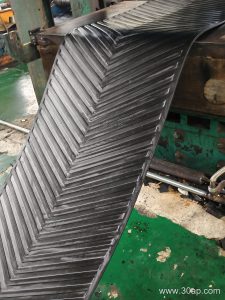
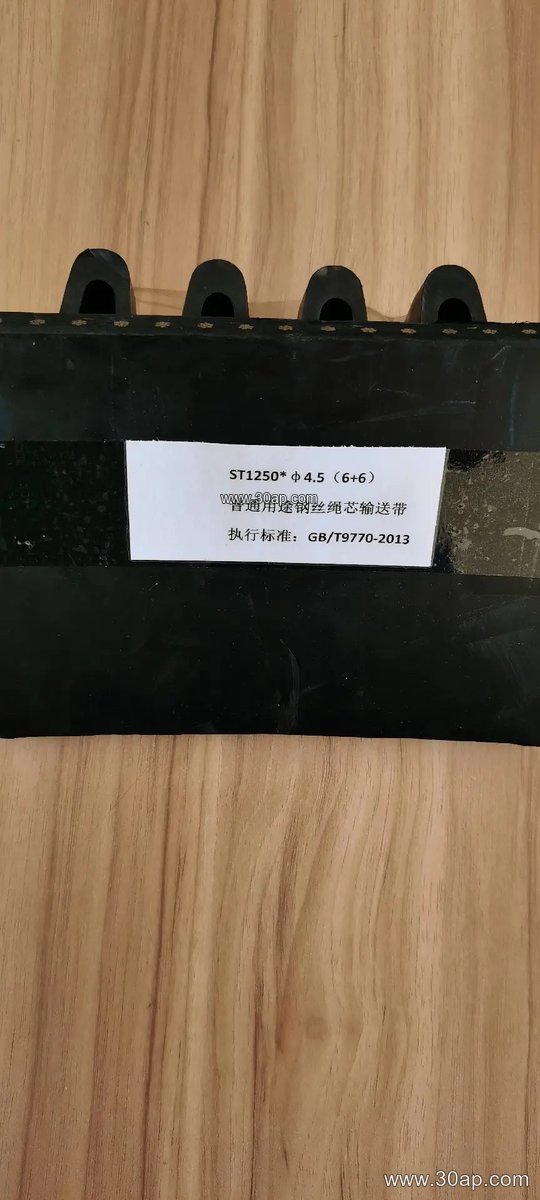
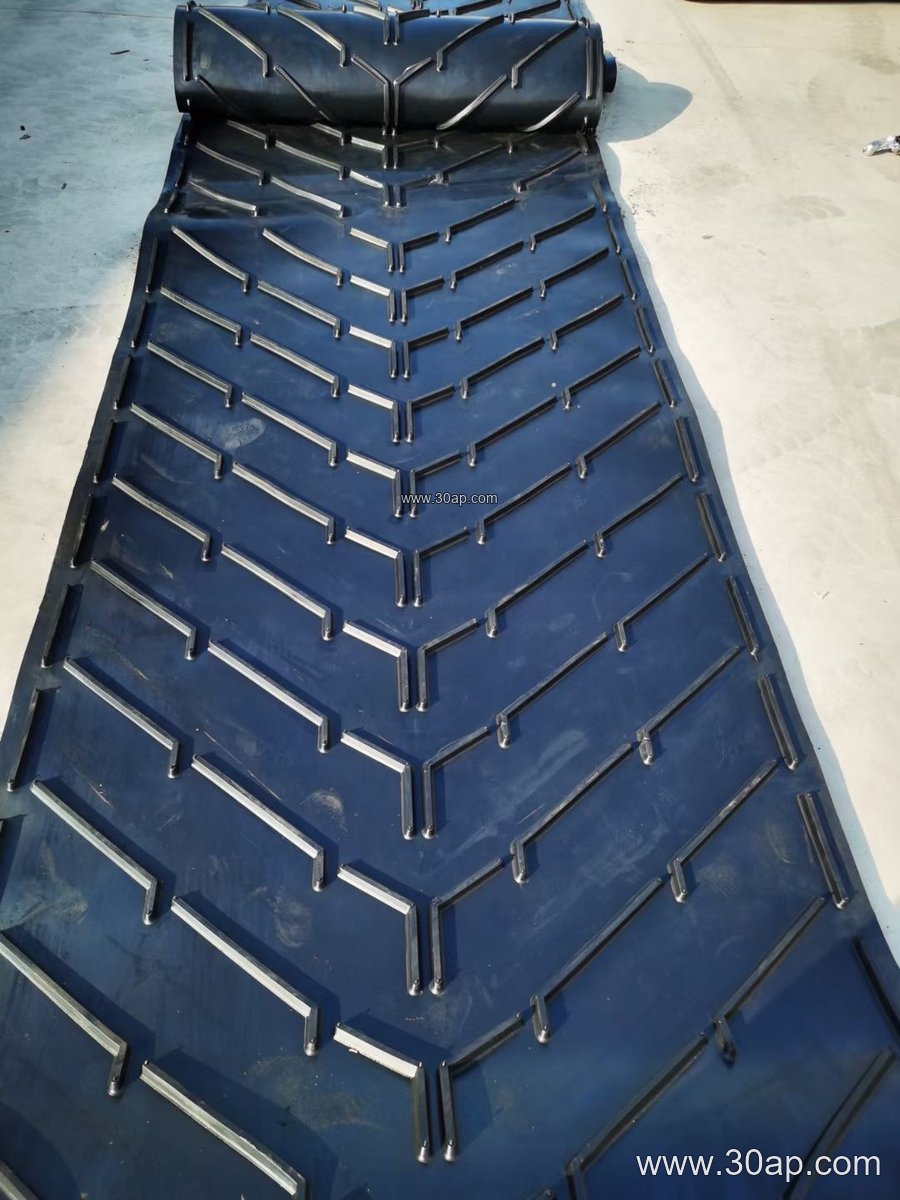
EP200 is often compared with NN Conveyor Belt grades such as NN200. Both are fabric core belts, but EP carcasses generally offer lower elongation and better moisture resistance. For very high tension or long overland runs, a Steel Cord Conveyor Belt such as ST1000 or ST1250 may be more suitable, while a Chevron Conveyor Belt or Corrugated Sidewall Conveyor Belt is chosen when the incline or material containment demands it.
What to Check Before Ordering
Confirm the belt width, the number of plies, the cover grade and cover thickness, and whether flame retardant, anti-static, heat resistant or oil resistant properties are needed. Check the pulley diameters and the take-up arrangement so the belt can be spliced correctly, and specify whether an Endless Conveyor Belt is required for a fixed-center drive. For a mining project, a Heavy-Duty Mining Conveyor Belt or High Abrasion Resistant Conveyor Belt cover may extend service life at the loading point. For cold climates, a Cold Resistant Conveyor Belt compound avoids cracking at start-up.
Proper alignment of idler rollers, pulley lagging and the conveyor bracket frame reduces edge damage and tracking problems. A belt that is correctly specified for tension, cover wear and environment will usually outperform a higher-grade belt that is mismatched to the duty.