What a Conveyor Loading Point Impact Idler Does
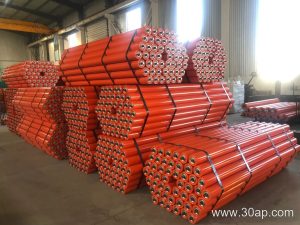
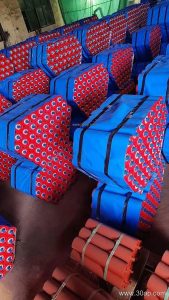
At the transfer point where material drops onto a conveyor, the belt takes a beating. A Conveyor Loading Point Impact Idler is designed specifically for this zone. Unlike standard carrying idlers, this impact idler roller absorbs the energy of falling rock, ore, or aggregate, protecting the conveyor belt from cuts, gouges, and premature wear. In quarry, mining, and cement plant operations, the loading point is often the most critical section for belt longevity.
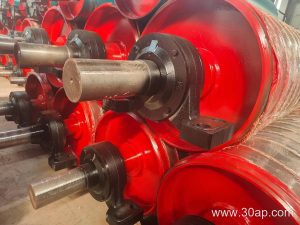
The impact idler is not a drive pulley or a tail pulley; it is a support roller mounted under the belt at the load zone. Its construction usually includes a heavy-duty steel tube, reinforced bearings, and a rubber or polymer cushioning layer. Some designs use rubber rings or discs to further dampen shock. The goal is simple: keep the belt stable, reduce bounce, and extend service life in the harshest part of the conveyor system.
Construction and Key Components
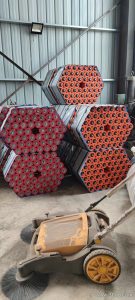
A typical impact idler features a thick-walled steel shell, often with a rubber surface or rubber rings. The bearing housings are sealed to keep out dust and water, which is essential in coal mining, power plant coal handling, and aggregate plants. Common bearing sizes include 6205, 6305, and 6306, but the exact match depends on the idler diameter and load rating.
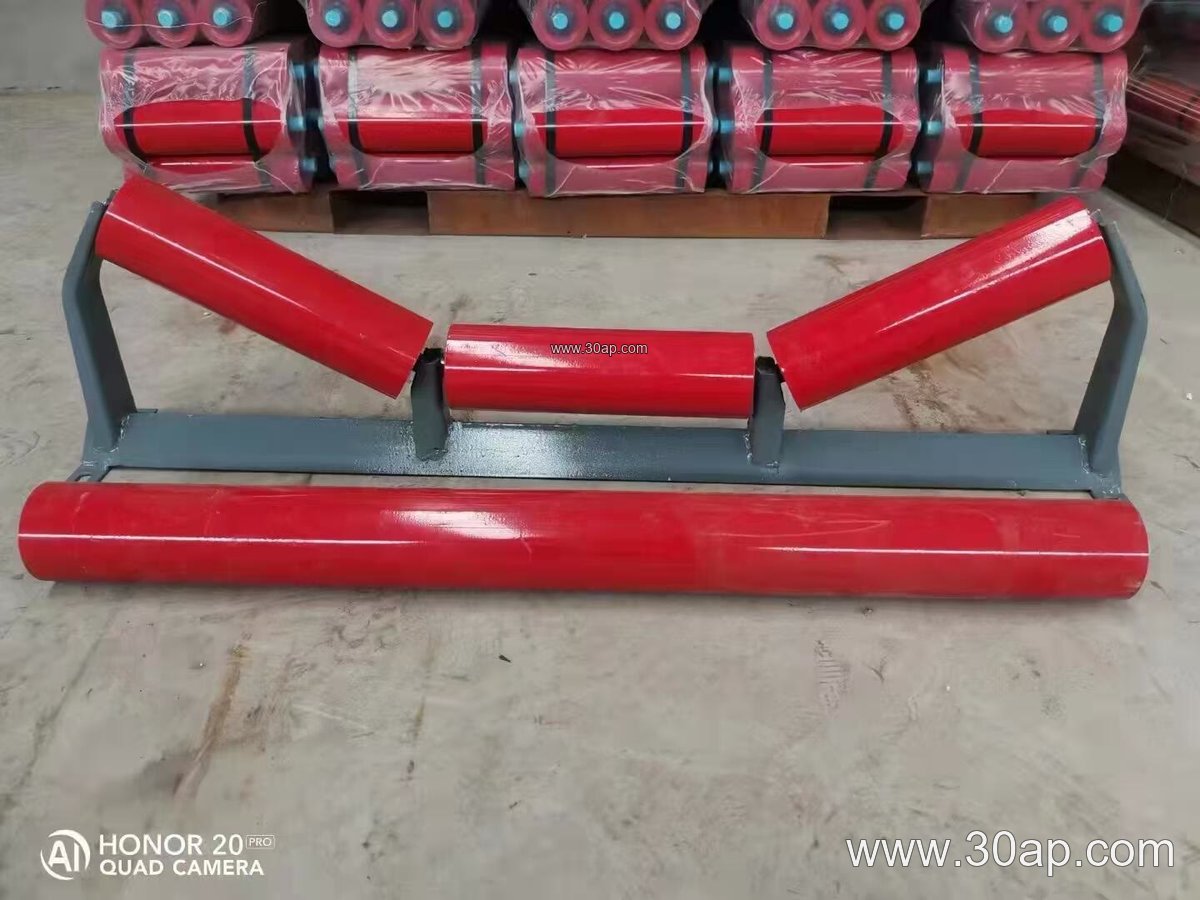
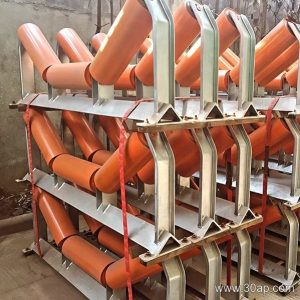
Roller diameters for impact idlers often range from Ø89 mm to Ø159 mm, with larger sizes used for high-capacity belts. The roller length is matched to the belt width and trough angle. For example, a three-roll troughing set on a B1000 belt may use a center roll around 380 mm long, while a B1400 belt might use 530 mm rolls. These are typical references, not fixed rules; side rolls and center rolls can differ.
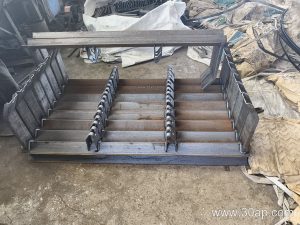
Common trough angles are 20°, 30°, 35°, and 45°. The impact idler is usually mounted in a troughing frame or bracket that fits the existing conveyor structure. Some designs include a slight forward tilt of about 1.5° to 2° to help center the belt, but this is a feature of self-aligning or training idlers, not a requirement for every impact station.
Where Impact Idlers Are Used
You will find impact idlers at the loading point of belt conveyors in:
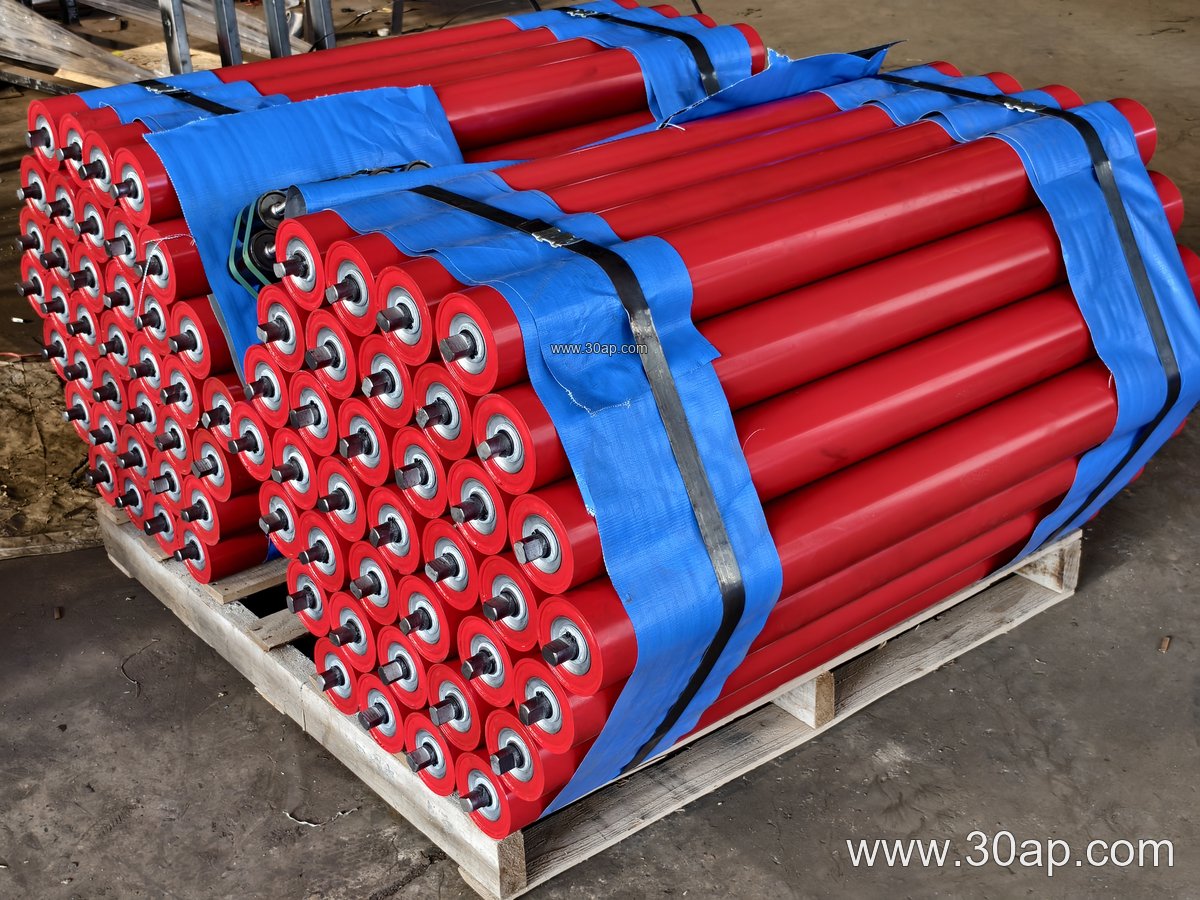
- Quarries and aggregate lines handling crushed stone
- Coal mines and coal preparation plants
- Cement plants feeding clinker or raw meal
- Iron ore and copper ore transfer stations
- Power plant coal yards and ship unloading
In these environments, the conveyor belt must withstand sharp edges, heavy lumps, and repeated impact. A standard carrying idler may fail quickly under such conditions, while an impact idler spreads the load and cushions the blow. This is especially important when using a heavy-duty mining conveyor belt or a high abrasion resistant conveyor belt, where downtime is costly.
Selection and Sizing Notes
Choosing the right impact idler starts with the belt width and the material drop height. Wider belts generally need larger diameter rollers and longer roll shells. Below is a reference table of common belt widths and typical roll lengths for three-roll troughing sets. Use these as a starting point, not as a fixed specification.
| Belt Width (mm) | Typical Center Roll Length (mm) | Common Roller Diameter (mm) |
|---|---|---|
| B500 | 200 | Ø76–Ø89 |
| B650 | 250 | Ø89–Ø102 |
| B800 | 315 | Ø89–Ø108 |
| B1000 | 380 | Ø108–Ø127 |
| B1200 | 465 | Ø108–Ø133 |
| B1400 | 530 | Ø127–Ø159 |
| B1600 | 600 | Ø133–Ø159 |
| B1800 | 670 | Ø159–Ø178 |
Also consider the trough angle and the idler group type (single-roll, two-roll, or three-roll). The impact idler should match the existing frame and bracket dimensions. Bearing selection depends on the load and speed; do not assume one bearing size fits all roller diameters. For high-drop applications, a rubber-ring impact idler may offer better cushioning than a plain steel roller.
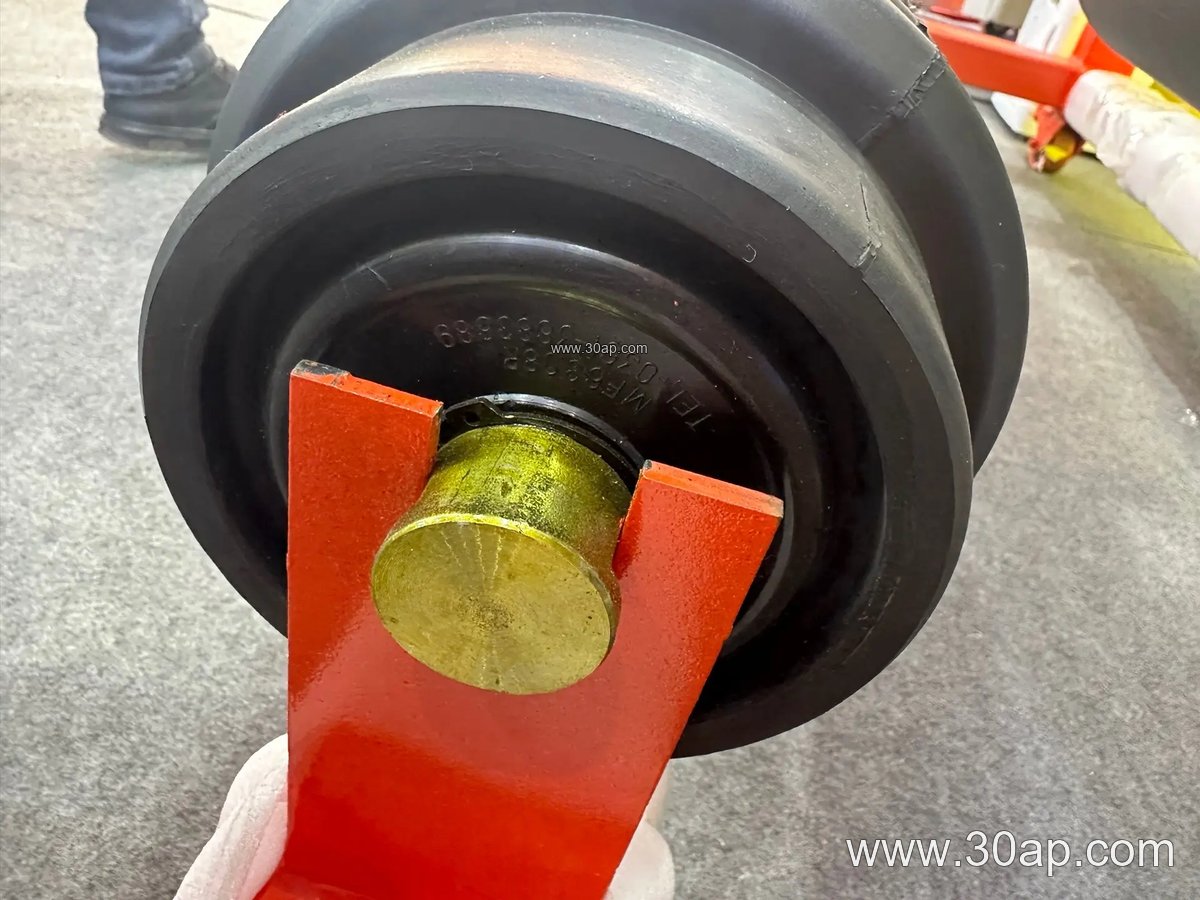
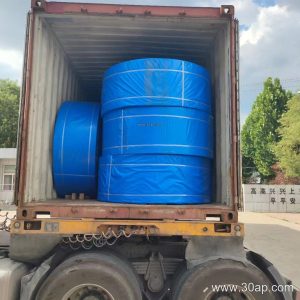
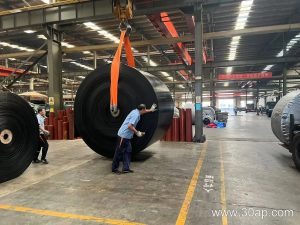
When specifying, check the conveyor belt type as well. A steel cord conveyor belt or a multi-ply fabric core conveyor belt may require different impact support than a lightweight EP conveyor belt. In coal mining, flame retardant conveyor belt and anti-static properties are often required, and the idler should be compatible with the overall safety design.
Maintenance and Buyer Tips
Impact idlers are consumables, but they should not fail prematurely. Inspect the rubber rings or cushioning surface for wear, and check that the roller turns freely. Seized bearings can cause belt friction and tracking problems. Keep the loading point centered so material does not pile on one side. If the drop height is excessive, consider installing a baffle or rock box to reduce direct impact.
Buyers should ask for the roller diameter, shell thickness, bearing type, and mounting dimensions. Confirm the trough angle and the bracket style. For harsh conditions, specify a sealed bearing and a wear-resistant rubber surface. Remember that a Conveyor Loading Point Impact Idler is one part of the system; it works with the conveyor belt, frame, and pulleys to keep material moving. For related components such as the conveyor pulley or conveyor bracket, ensure they are sized to the same belt width and load requirements.
Whether you operate a sand and gravel line, a limestone mine, or a port terminal, the impact idler at the load zone is a small but vital investment. Select it based on actual belt width, material lump size, and drop height, not on guesswork.