What a Vertical Idler Bracket Does
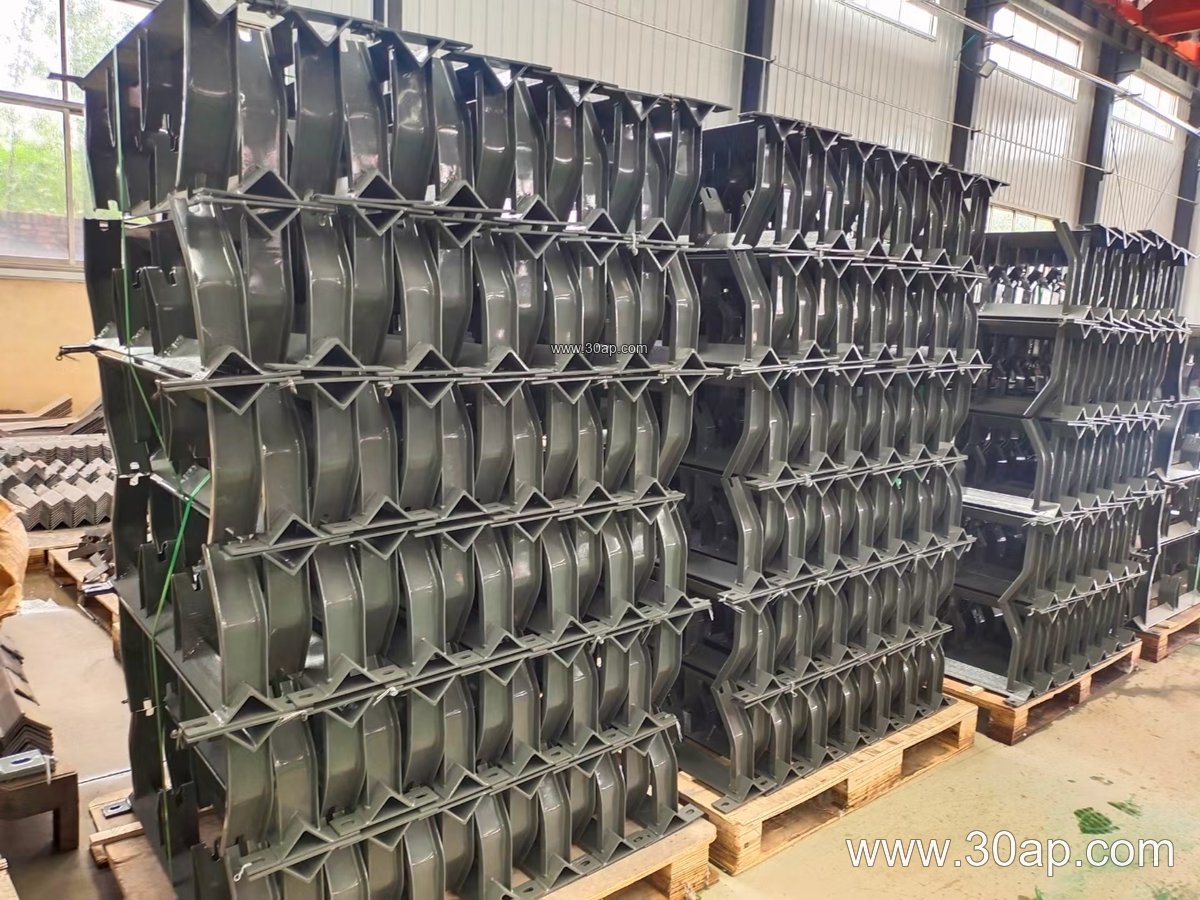
A vertical idler bracket is a support component that holds idler rollers in a vertical or near-vertical position on a conveyor. Unlike the more familiar troughing brackets that create a trough shape for the belt, this bracket is designed for specific applications where the belt needs vertical guidance or where space constraints require a different roller orientation. In aggregate and mining operations, vertical brackets are often used in transition zones or at points where the belt changes direction, helping to maintain proper belt tracking and reduce material spillage.
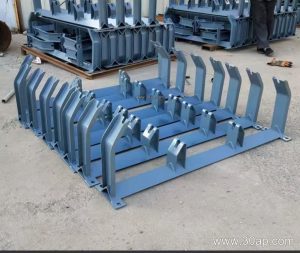
The bracket is typically fabricated from angle steel, channel steel, or bent steel plate. Its construction must be robust enough to withstand the dynamic loads imposed by the conveyor belt and the material being transported. The design often includes slots or multiple mounting holes to allow for adjustment of the idler position, which is critical for aligning the belt and minimizing wear.
Construction and Key Features
Vertical idler brackets are built to be durable and adaptable. Common materials include mild steel with a protective coating such as painting or galvanizing to resist corrosion in harsh environments like coal mines or cement plants. The bracket usually features a base plate or mounting flange that attaches to the conveyor frame, and an upright section that holds the idler shaft. Some designs incorporate a pivot point to allow the idler to self-align or to be manually adjusted.
Adjustability is a significant advantage. Many vertical brackets allow the idler to be positioned at different heights or angles, which helps in fine-tuning belt contact and reducing stress on the belt edges. This is particularly useful when dealing with varying belt widths and loads.
Where Vertical Idler Brackets Are Used
These brackets are found in a variety of bulk material handling industries. In a quarry or sand and gravel plant, they might be used on the return side of the conveyor to support the belt and prevent sagging. In a coal mining operation, vertical brackets can be part of the belt training system, helping to keep the belt centered on the pulleys. They are also used in power plants for coal handling and in steel mills for conveying raw materials.
When compared to a standard troughing bracket, a vertical idler bracket is not interchangeable; it serves a different purpose in the conveyor system. Troughing brackets are designed to shape the belt into a trough for carrying material, while vertical brackets are more about guiding and supporting the belt in specific orientations.
Selection and Sizing Considerations
Choosing the right vertical idler bracket involves matching it to the conveyor belt width, the idler roller diameter, and the load requirements. Common belt widths range from B500 to B2200, and idler diameters from Ø89 to Ø194. The bracket must be sized to fit the frame and accommodate the chosen idler. For instance, a B800 belt with a 35-degree trough angle might use a Ø108 idler, but the vertical bracket would be selected based on the specific mounting pattern and load.
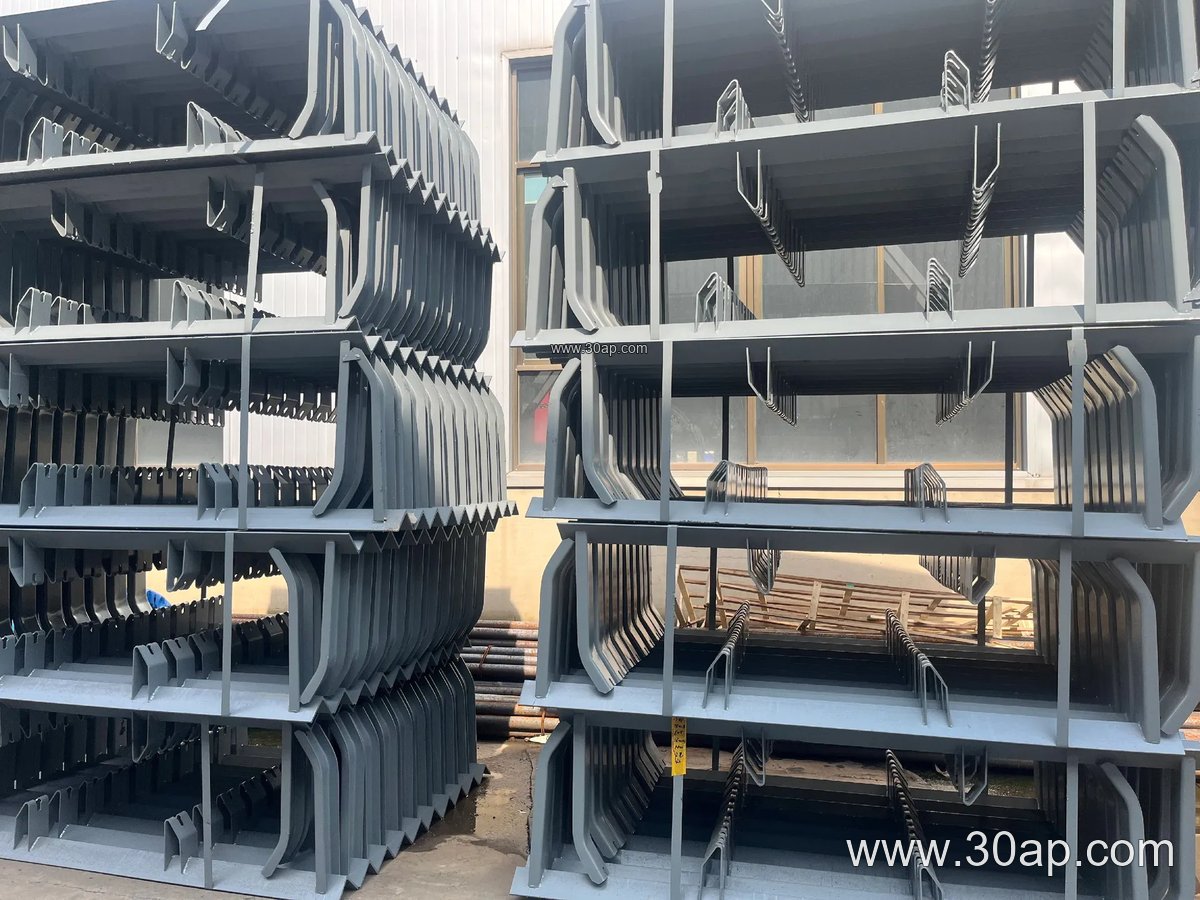
It is important to note that there is no fixed rule that one belt width only matches one idler diameter; the selection depends on the conveyor design and the material being handled. Buyers should consult the conveyor designer or supplier to ensure compatibility. Parameters such as mounting hole spacing and crossbeam length are determined by the belt width and trough angle, and these should be confirmed with the manufacturer.
Maintenance and Long-Term Reliability
Regular inspection of vertical idler brackets is recommended to check for wear, corrosion, or loosening of fasteners. In abrasive environments like iron ore or copper ore operations, the bracket may experience accelerated wear, so periodic replacement or reinforcement may be necessary. Proper lubrication of moving parts, if applicable, and keeping the bracket clean from material buildup will extend its service life.
When replacing idlers or brackets, always use components that match the original specifications to maintain belt alignment and performance. Using a vertical idler bracket that is not designed for the application can lead to belt misalignment, increased wear on the conveyor belt, and potential downtime.
For more information on conveyor components and belts, visit our site at www.example.com/conveyor-bracket or explore our range of conveyor idler rollers and conveyor pulleys.