What Idler Procurement Really Covers
Idler procurement is the process of specifying and buying the idler rollers that support a conveyor belt along its carrying and return runs. These are not decorative parts. Every tonne of ore, clinker, coal or aggregate that moves on a belt passes over them, and each roller carries a share of the belt tension, material load and impact energy. A buyer who treats idlers as a commodity item usually ends up with short bearing life, belt tracking problems and unplanned stoppages.
The purchase decision sits between the conveyor design and daily operation. It needs to match the belt width, the trough angle, the load profile and the environment, whether that is a dusty quarry, a wet wash plant or a hot cement kiln line. For background on the belt side of the same system, see guanxinjixie.com/Idler-Procurement and the belt pages at guanxinjixie.com/Rubber-Conveyor-Belt.
How an Idler Roller Is Built
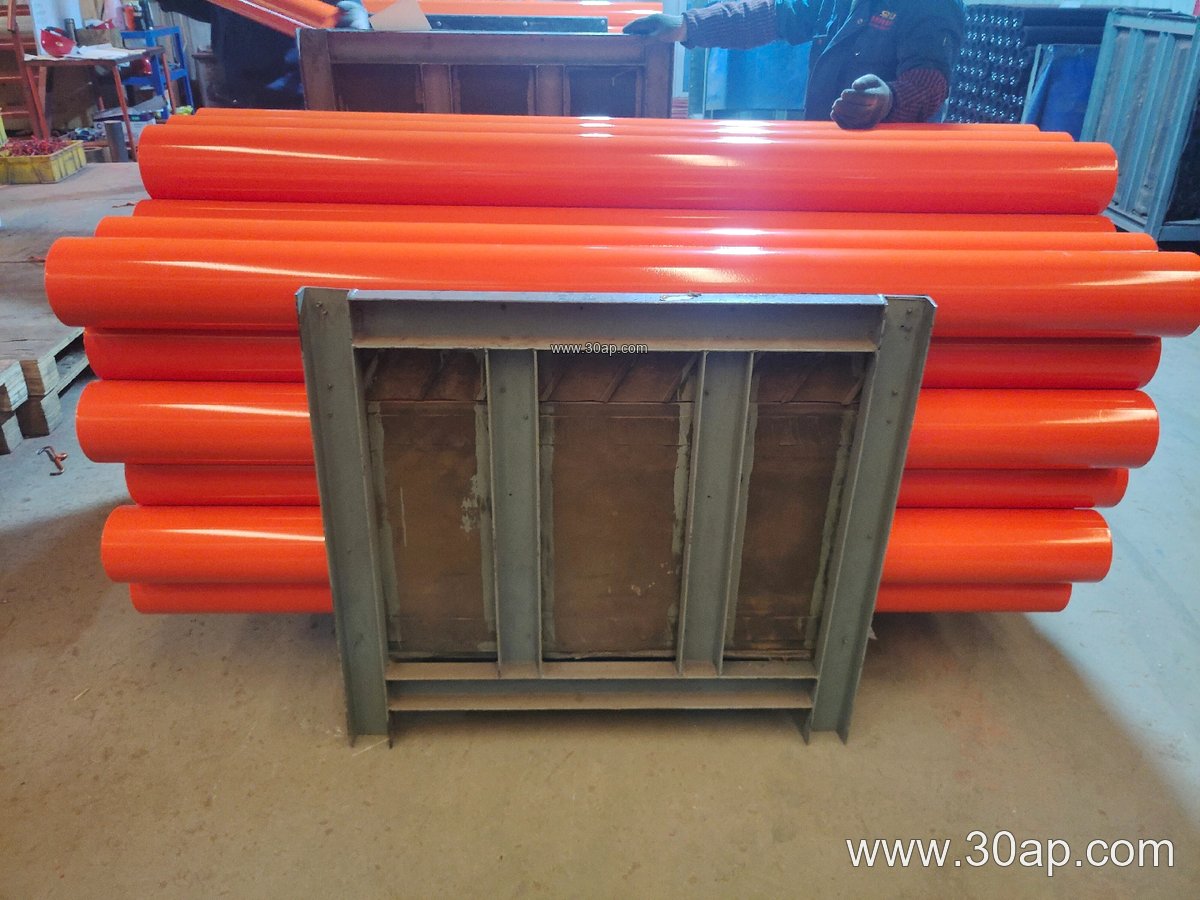
A typical idler roller consists of a steel tube shell, a shaft, two bearing housings and a sealing arrangement. The shell is often machined or coated to suit the duty: plain steel for general service, nylon or ceramic for sticky or abrasive material, and rubber rings for impact zones. Bearings are commonly 6204, 6205, 6305, 6306, 6308 or 6310, but the correct bearing depends on the load, speed and shaft design, not on roller diameter alone.
Sealing matters as much as the bearing. Dust and water ingress is the main cause of seized rollers in coal handling and aggregate plants, so labyrinth seals and grease retention features deserve a place in the technical comparison.
Matching Idler Types to Conveyor Sections
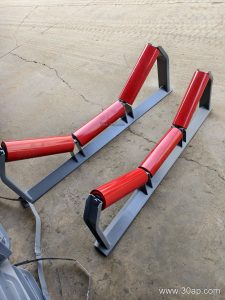
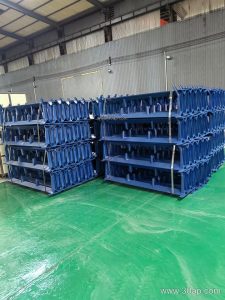
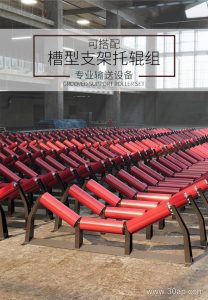
The carrying run usually uses three-roll troughing sets, while the return run may use flat or V-return rollers. Transition idlers sit near the head and tail to ease the belt from flat to troughed. Impact idlers with rubber rings are placed under loading points. Self-aligning types, including friction and tapered designs, help correct belt drift on long flights.
- Troughing idlers: main carrying support, common trough angles 20, 30, 35 and 45 degrees.
- Impact idlers: rubber ring or cushion type under chutes and crusher discharge.
- Return idlers: flat or V-shaped, supporting the empty belt.
- Self-aligning idlers: used where tracking is a recurring issue.
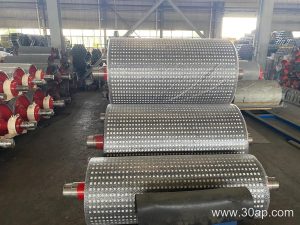
Note that drive pulleys, tail pulleys and bend pulleys are separate components with their own procurement specs. They are not interchangeable with idlers, and a conveyor pulley enquiry should be handled separately from roller supply.
Diameters, Widths and Roll Lengths
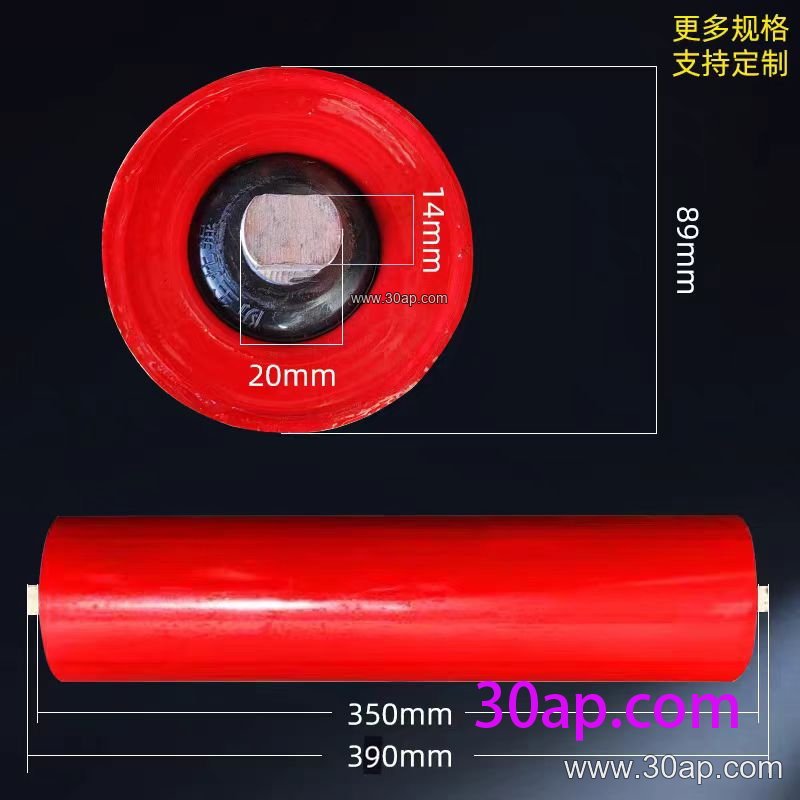
Roller diameter and belt width are linked through the conveyor design, not through a fixed rule. Common roller diameters include Ø63, Ø76, Ø89, Ø102, Ø108, Ø127, Ø133, Ø159, Ø178, Ø194 and Ø219. Belt widths commonly range from B400 to B2400. The table below shows typical examples only; side rollers and centre rollers can differ, and final values are determined by the conveyor designer.
| Belt width | Typical roll length, three-roll troughing |
|---|---|
| B500 | about 200 mm |
| B650 | about 250 mm |
| B800 | about 315 mm |
| B1000 | about 380 mm |
| B1200 | about 465 mm |
| B1400 | about 530 mm |
| B1600 | about 600 mm |
| B1800 | about 670 mm |
| B2000 | about 750 mm |
Do not assume that one belt width can only match one roller diameter, or derive a shaft diameter from belt width alone. Those decisions come from load calculations, speed and bearing selection.
Where Idlers Earn Their Keep
In a limestone quarry, troughing and impact idlers handle sharp rock at the transfer point. In a coal washing plant, sealed rollers resist moisture and fine slurry. In a cement plant, heat and abrasion shorten roller life on clinker lines. In a power plant coal yard, flame retardant and anti-static belt requirements often come with matching roller specifications. The same logic applies in iron ore, copper ore and gold mining operations, where heavy-duty rollers and abrasion resistant conveyor belts work together.
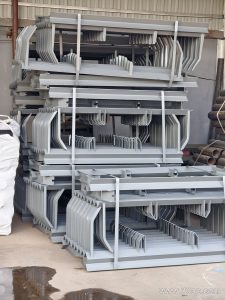
Buyers should also consider the belt itself when specifying rollers: a steel cord conveyor belt or a multi-ply fabric core belt behaves differently under troughing, and an EP conveyor belt or NN conveyor belt may need a different transition length. The conveyor bracket and frame also affect alignment, so roller and bracket tolerances should be checked together.
Procurement Checklist for Buyers
- Confirm belt width, trough angle and idler set configuration.
- State the duty: carrying, return, impact or self-aligning.
- Specify roller diameter, shell material and surface form.
- State the environment: dust, water, heat, oil or flame risk.
- Agree bearing size and sealing class with the supplier.
- Check roller length, shaft ends and bracket fit before ordering.
- Ask for dimensional drawings and inspection records.
Good idler procurement is a design conversation, not a catalogue lookup. Getting the details right at the enquiry stage protects belt life, reduces downtime and keeps the whole conveyor line running at its intended capacity. More reference material is available at guanxinjixie.com/conveyor-pulley.