What a 650mm Conveyor Belt Is
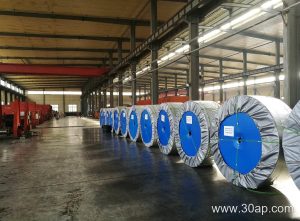
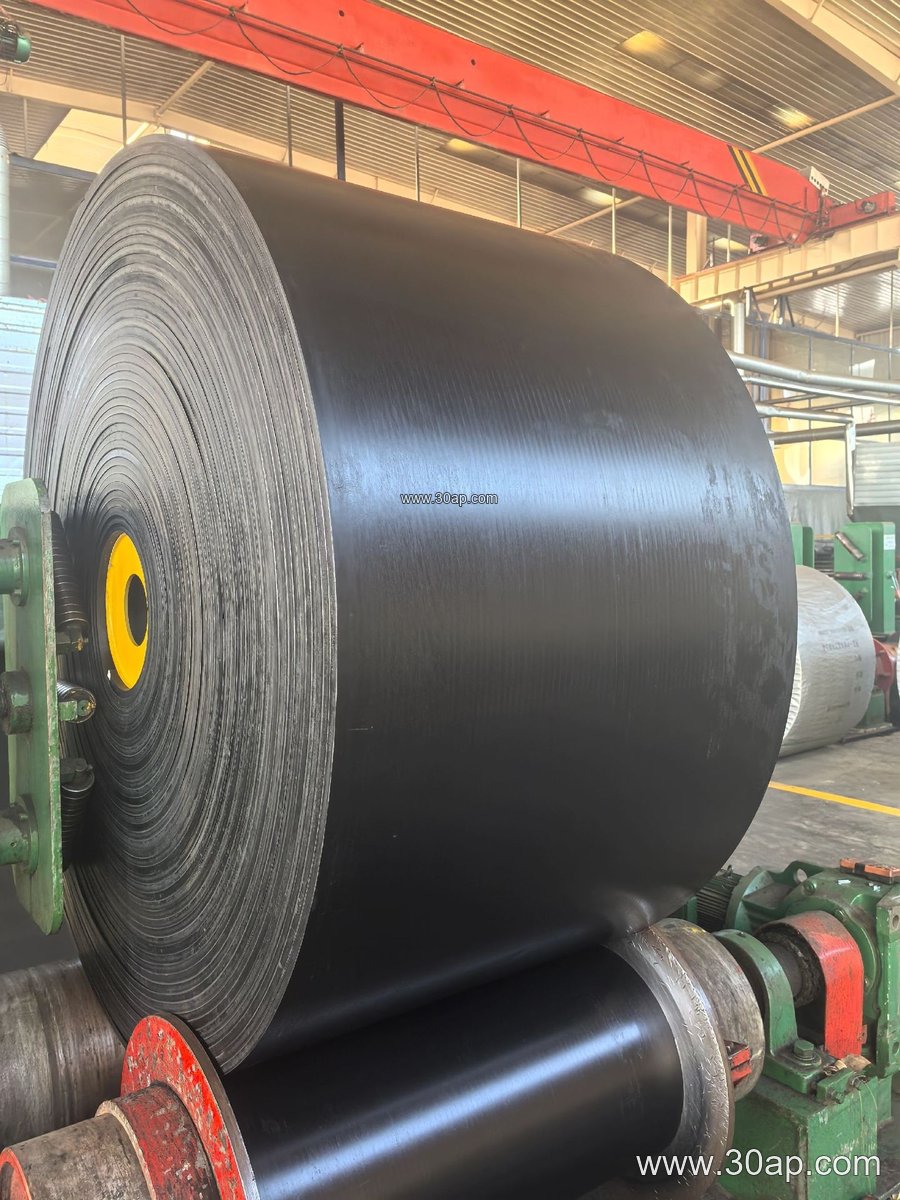
A 650mm conveyor belt is a belt with a nominal width of 650 millimeters, often written as B650 in specifications. It sits in the middle of the common width range, above narrow 500mm and 600mm belts and below 800mm, 1000mm and wider stock sizes. This width is widely used on medium-capacity troughed conveyors in mines, coal preparation plants, cement works, power stations, sand and gravel yards, and general bulk material handling lines.
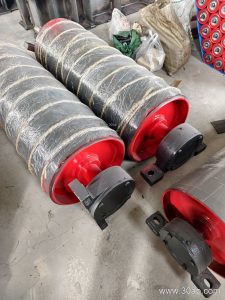
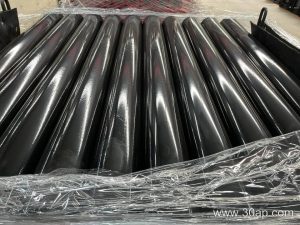
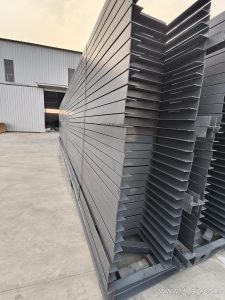
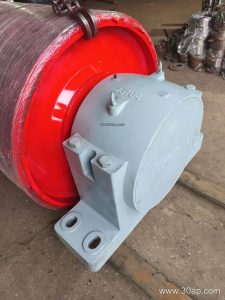
The belt itself is only part of the conveyor. It runs over idler rollers that form the trough, wraps around a drive pulley at the head and a tail pulley at the return end, and is supported by a steel conveyor bracket frame. Matching the belt to those components is as important as choosing the right width.
Construction and Common Specifications
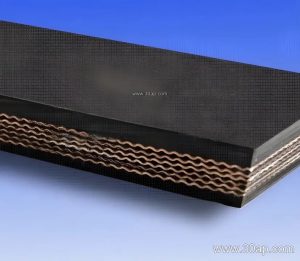
Most 650mm belts are fabric-cored or steel cord reinforced, with rubber or PVC covers. A fabric core conveyor belt may use EP (polyester-cotton) or NN (nylon-nylon) plies, typically 2 to 6 layers depending on the duty. Steel cord belts are used where very high tension and long center distances are involved. Cover rubber grades are selected for abrasion, heat, oil, flame resistance or cold service.
Reference data below is indicative only; actual values are confirmed by the manufacturer for each order.
| Parameter | Common reference values |
|---|---|
| Belt width | 650 mm (B650) |
| Fabric types | EP200, EP315, EP400, EP500, EP630, EP800 |
| Nylon types | NN100, NN200, NN300, NN400 |
| Steel cord types | ST1000, ST1250, ST1600 |
| Cover thickness | 3+1.5, 4+2, 5+2, 6+2 mm |
| Ply count | 2 to 6 layers |
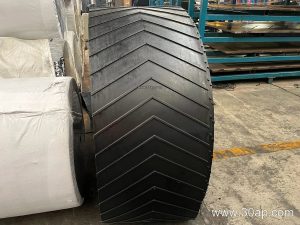
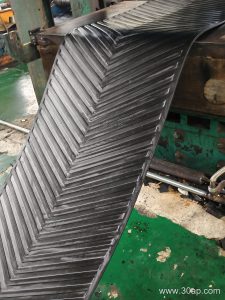
Surface forms include plain, chevron or patterned, and corrugated sidewall or skirted designs for steep or contained conveying. Flame retardant and anti-static grades are common in underground coal mining conveyors, while heat resistant belts suit cement clinker and sinter lines.
Where It Fits in the Plant
A 650mm belt is a practical choice for medium tonnage transfer points: crusher discharge, screening feed, stockpile conveyors, batching plant feed and ash handling. In a quarry or sand making plant it often carries aggregate from a secondary crusher to a screen. In a coal mining conveyor it may handle run-of-mine coal on a gathering or panel belt. Cement plants use it for clinker, limestone and additive transfer, and power plants for coal and bottom ash.
The width should be checked against lump size, required capacity and belt speed. A 650mm belt is not automatically suitable for every duty, and it should not be assumed that one belt width fixes one pulley diameter or shaft size. Drive, tail and bend pulleys are separate components with their own diameter and bearing calculations, and they are not interchangeable.
Buyer Checklist
- Confirm the required tensile grade and ply count from the conveyor design, not from habit.
- State the material, lump size, temperature and any oil, acid or flame exposure.
- Choose cover thickness and rubber grade to match abrasion and impact conditions.
- Specify whether an endless conveyor belt is required or whether field splicing is acceptable.
- Check pulley diameters, trough angle and idler roller spacing against the belt construction.
- Confirm the belt edge condition and whether a skirted or corrugated sidewall profile is needed.
For harsh duties, a heavy-duty or high abrasion resistant grade usually gives better service life than a standard cover. In cold climates a cold resistant compound helps prevent edge cracking, and in coal or grain handling a flame retardant and anti-static belt is often specified.
Installation and Maintenance Notes
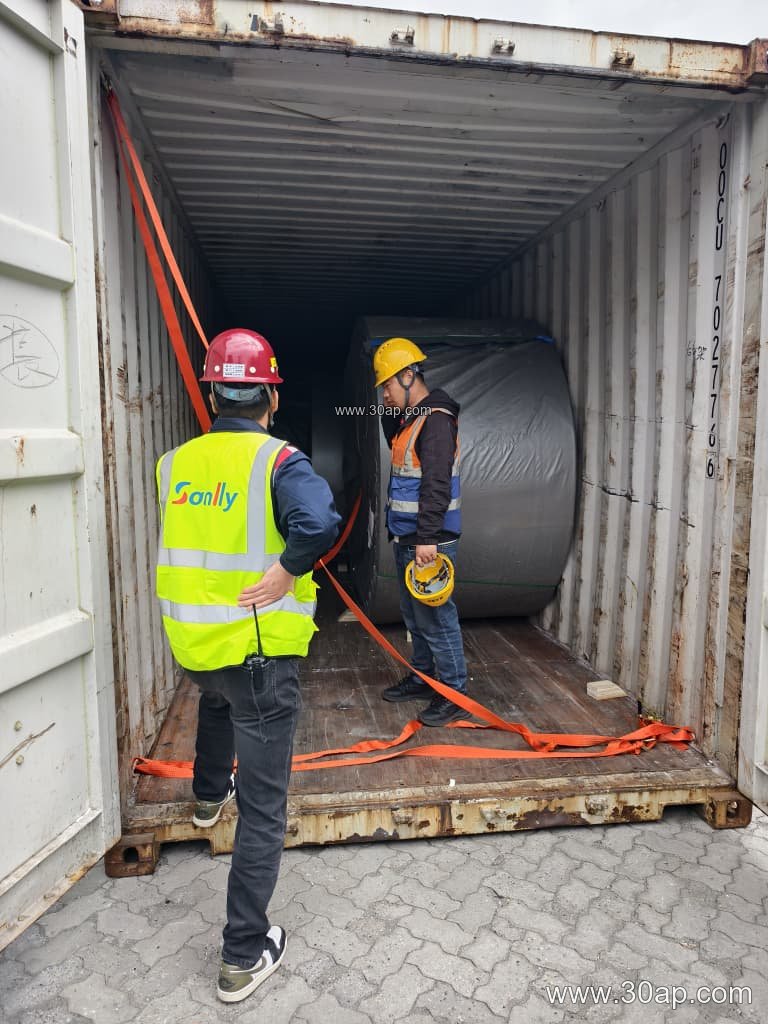
Correct alignment at the tail pulley and training idlers prevents edge damage. Keep the conveyor bracket and idler roller frames square, and check that the belt runs centrally on the drive pulley. Inspect splices, edge wear and cover gouges regularly, especially on crusher conveyor and transfer points where impact is high. Store spare belts flat and away from sunlight and ozone sources.
When replacing a 650mm belt, record the original grade, ply count and cover thickness so the new belt matches the conveyor design. For more details on width options and belt constructions, visit conveyorbeltpedia.com or check our conveyor belt and idler roller references.