What a Corrugated Sidewall Conveyor Belt Is
A corrugated sidewall conveyor belt is a specialized conveyor belt with raised, wavy sidewalls and horizontal cleats that allow it to carry bulk materials up steep inclines without spillage. This type is often called a skirted conveyor belt or a belt with corrugated sidewalls. Unlike standard flat belts, the corrugated sidewall conveyor belt uses its sidewalls to contain the load and its cleats to prevent material from sliding back, making it suitable for applications where space is limited and high angles are required.
Construction and Key Components
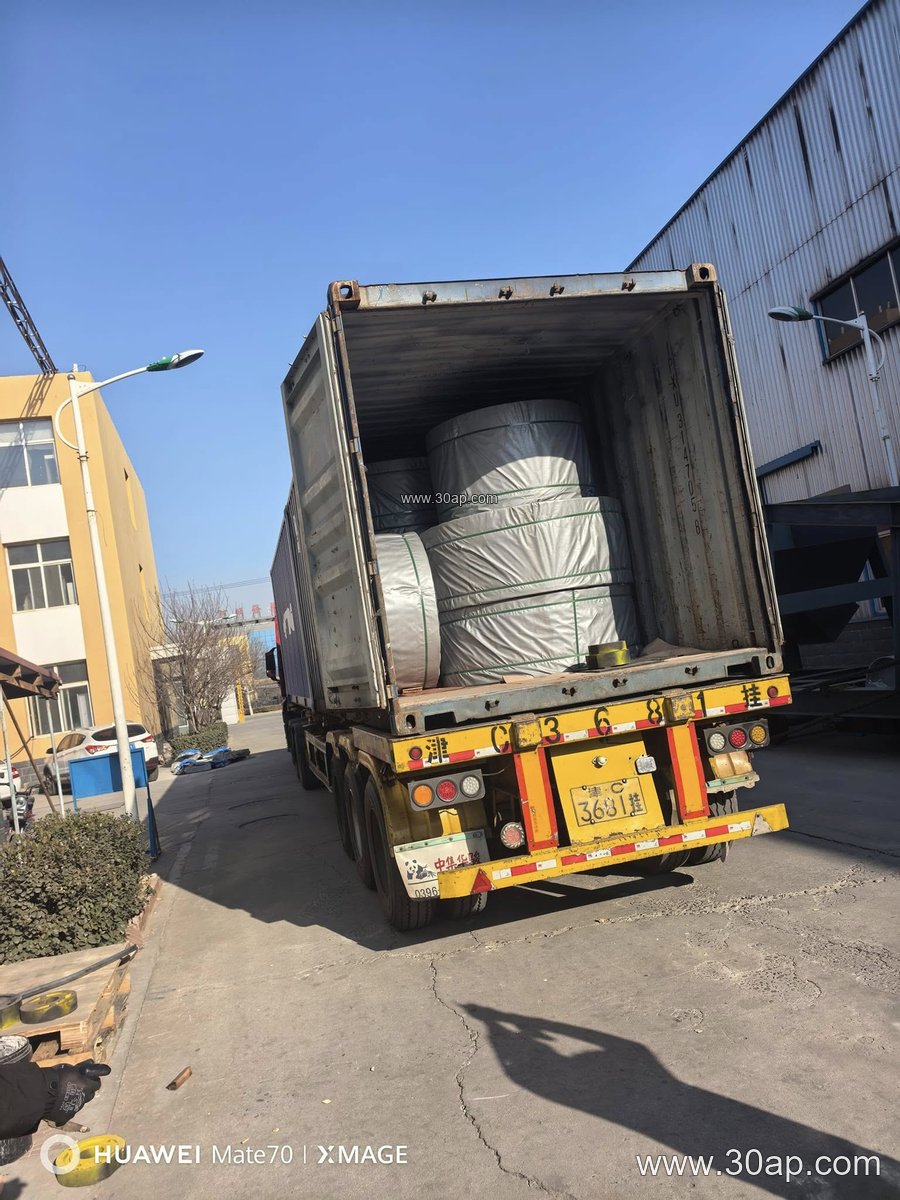
The belt body is typically made of a fabric core, such as an EP conveyor belt or NN conveyor belt, with rubber covers. The sidewalls are molded from rubber and have a corrugated shape to allow flexibility around pulleys. Cleats are vulcanized between the sidewalls at intervals to form individual pockets. The base belt often includes a cross-rigid reinforcement to support the sidewalls and maintain shape. Common cover grades include abrasion resistant, heat resistant, oil resistant, and flame retardant, depending on the material handled.
Typical Construction Details
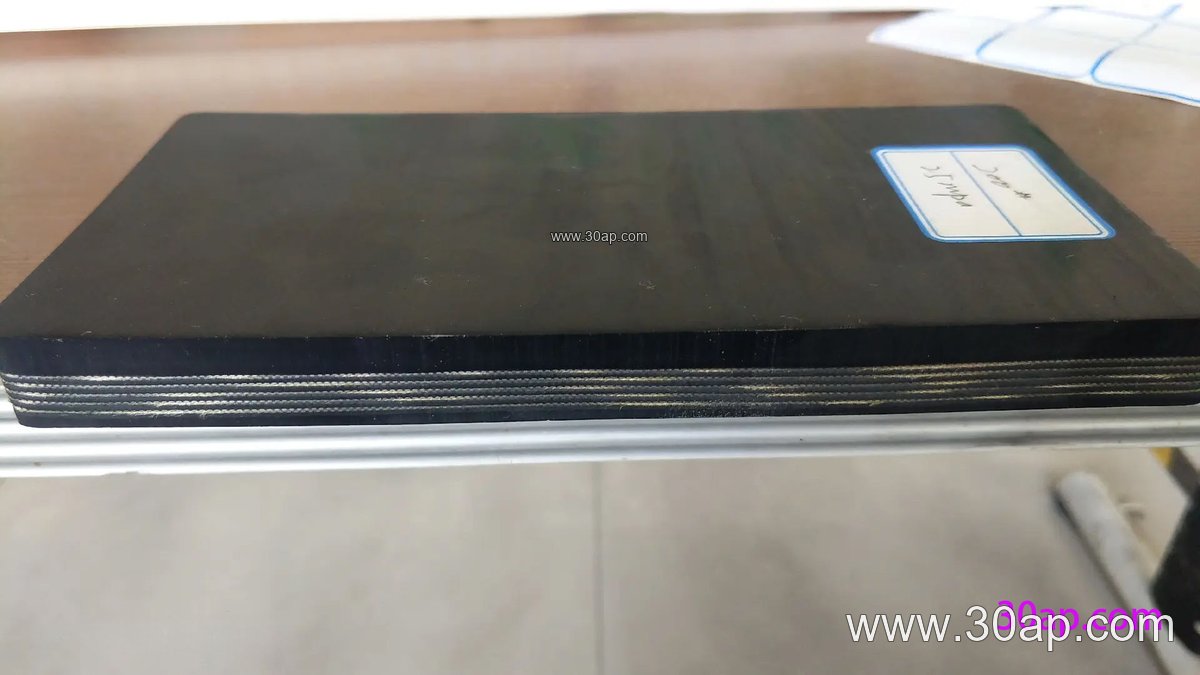
- Base belt: 2 to 6 plies of fabric core (EP or NN) with rubber covers.
- Sidewall height: commonly 40 mm to 300 mm, selected based on capacity and incline.
- Cleat types: T-shaped, C-shaped, or open, with pitch matched to the application.
- Cover thickness: often 3+1.5 mm, 4+2 mm, 5+2 mm, or 6+2 mm for heavy-duty use.
Applications in Bulk Material Handling
Corrugated sidewall conveyor belts are widely used in mining, coal preparation, cement plants, power plants, and aggregate yards. They are ideal for steep inclines where a flat belt would require excessive length. In a coal mining conveyor belt system, a flame retardant and anti-static version is often required. In cement plants, heat resistant or abrasion resistant grades handle clinker and limestone. Quarries and sand making plants use them to elevate crushed stone and sand. Ports and ship loading facilities benefit from their space-saving design. The belt works with conveyor pulleys, idler rollers, and conveyor brackets to form a complete conveying system.
Specifications and Size Selection
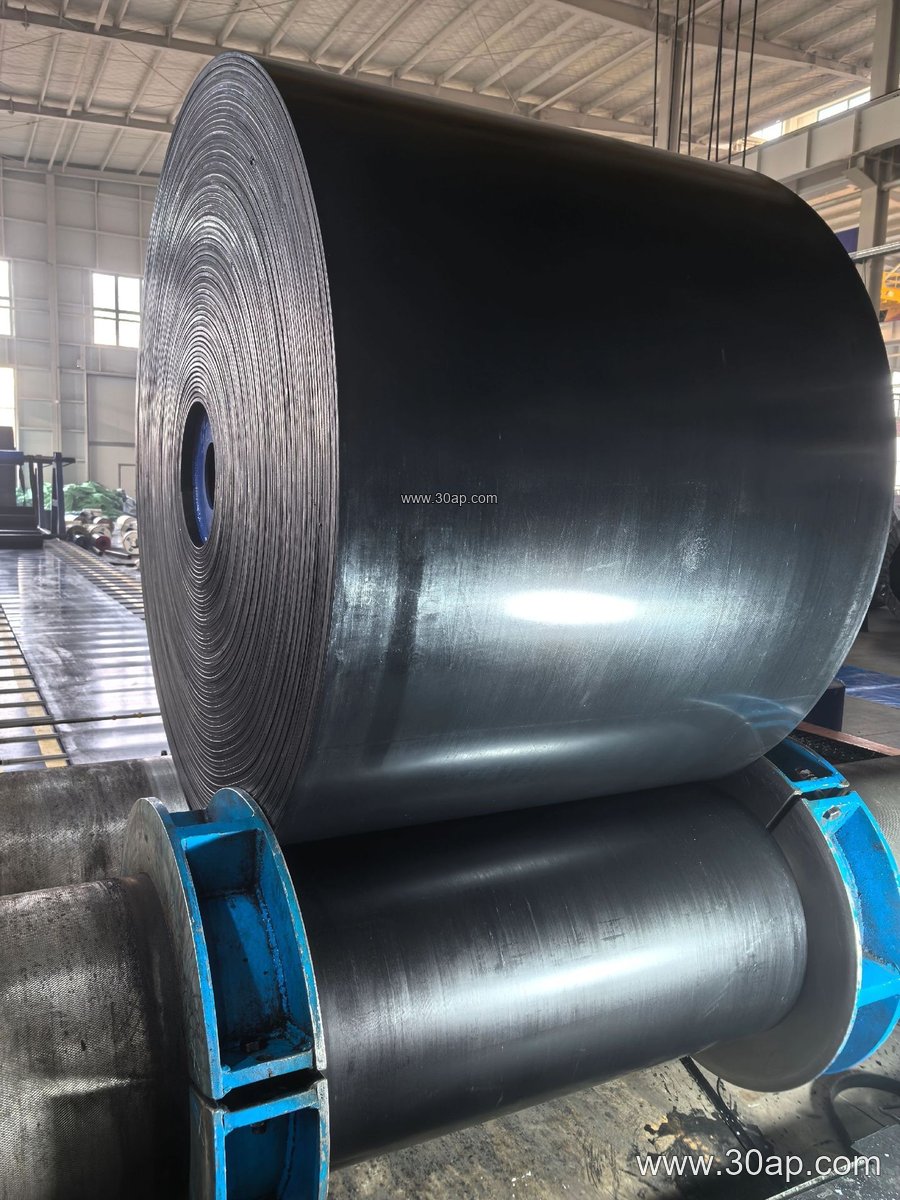
When specifying a corrugated sidewall conveyor belt, several parameters must be considered. The belt width (e.g., 500 mm, 650 mm, 800 mm, 1000 mm, 1200 mm, 1400 mm) must match the conveyor frame and pulley widths. The sidewall height and cleat pitch determine the volume capacity. The fabric core strength, such as EP100 or EP200, should be selected based on the load and incline. Note that belt width does not dictate pulley diameter; each conveyor design sets its own pulley size. For reference, common configurations are shown below.
| Parameter | Common Options |
|---|---|
| Belt width | B500, B650, B800, B1000, B1200, B1400, B1600, B1800, B2000 |
| Fabric core type | EP conveyor belt, NN conveyor belt |
| Cover thickness | 3+1.5 mm, 4+2 mm, 5+2 mm, 6+2 mm, 8+3 mm |
| Sidewall height | 40 mm, 60 mm, 80 mm, 100 mm, 120 mm, 160 mm, 200 mm, 240 mm, 300 mm |
| Cleat pitch | 100 mm, 150 mm, 200 mm, 250 mm, 300 mm, 400 mm |
For high-strength applications, steel cord conveyor belt constructions are sometimes used as the base, but the corrugated sidewall design is most commonly built on fabric cores. Other belt types like chevron conveyor belt or pipe conveyor belt serve different purposes and are not substitutes.
Buyer Checklist
Before purchasing a corrugated sidewall conveyor belt, confirm the material characteristics (abrasiveness, temperature, oil content, flammability) to choose the right cover grade. Verify the conveyor’s troughing angle and pulley diameters to ensure the belt flexibility. Check that the sidewall and cleat dimensions match the required capacity and incline angle. Ensure compatibility with idler rollers and conveyor pulleys. For underground mining, insist on flame retardant and anti-static properties. Also consider the environment: cold resistant grades for freezing conditions, heat resistant for high-temperature materials. Proper installation and maintenance of the belt, pulleys, and rollers will extend service life.
For more information on conveyor belts, idler rollers, and pulleys, visit our website at www.example.com/conveyor-belt or www.example.com/idler-roller. Our range includes rubber conveyor belt, EP conveyor belt, and corrugated sidewall conveyor belt to meet various industrial needs.