What an idler price actually covers
When a buyer asks about idler price, the answer is never a single number. The price of a conveyor idler roller reflects a set of choices: the roller diameter, the shell material, the bearing class, the sealing arrangement, and the quantity ordered. A heavy-duty troughing idler for a 2000mm belt in an iron ore terminal does not carry the same cost as a return idler for a 650mm aggregate line. Understanding what drives that difference helps maintenance teams and procurement staff compare offers on equal terms.
Construction details that move the number
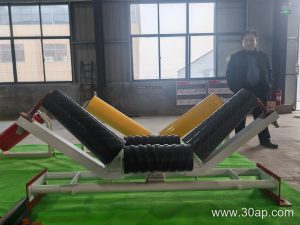
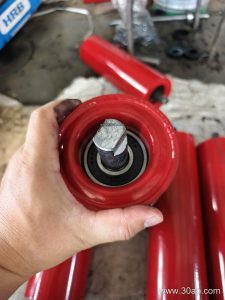
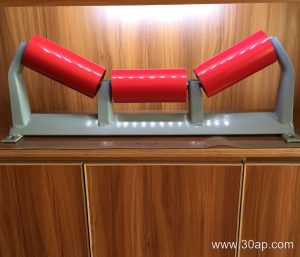
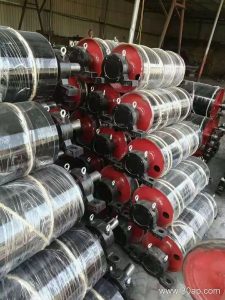
An idler roller is built around a steel tube shell, a shaft, and bearing housings at each end. The most common shell is steel, but nylon, ceramic, and rubber-disc versions exist for specific duties. Rubber-disc impact idlers, for example, are used under loading points on a crusher conveyor belt where lump size is large. Bearing size is another factor: 6204, 6205, 6305, 6306, 6308, and 6310 are common, and a larger bearing generally adds cost. Sealing quality matters in dusty plants such as cement mills or coal handling sections of power stations. A well-sealed idler may cost more upfront but reduces regreasing and replacement frequency.
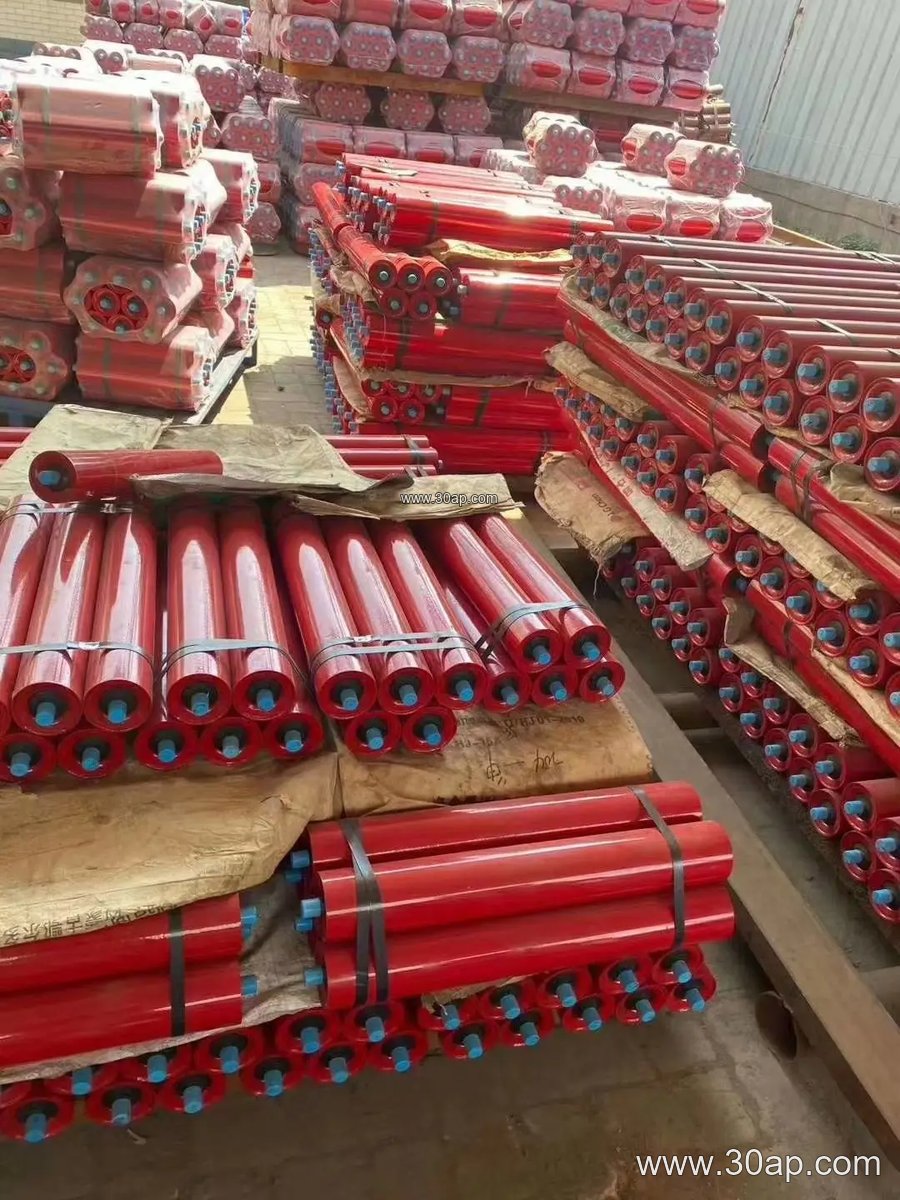
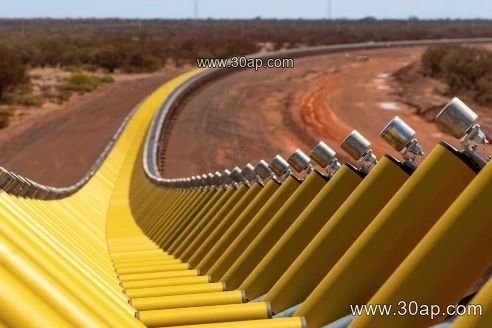
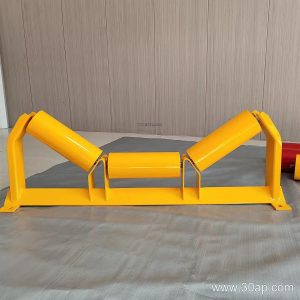
Roller diameter is a visible price driver. Common diameters include Ø63, Ø76, Ø89, Ø102, Ø108, Ø127, Ø133, Ø159, Ø178, Ø194, and Ø219. Smaller diameters suit lighter belts, while larger diameters are typical on wide, heavy-duty mining conveyor belts. The shell length also changes with belt width and trough angle, so a three-roll troughing set for B500 might use rolls around 200mm long, while a B1800 set could use rolls near 670mm. These are typical examples, not fixed rules; side rolls and center rolls can differ.
Where idler price is felt most
In a quarry or sand and gravel line, idlers are numerous but relatively light. Price sensitivity is high because a single line may carry hundreds of rollers. In underground coal mining, flame retardant conveyor belt and anti-static properties are mandatory, and the idler specification often follows the same safety logic. A coal mining conveyor belt needs reliable idlers that will not seize and generate heat. In a port ship loading conveyor, large diameters and heavy frames push the unit price up, but the total quantity may be lower.
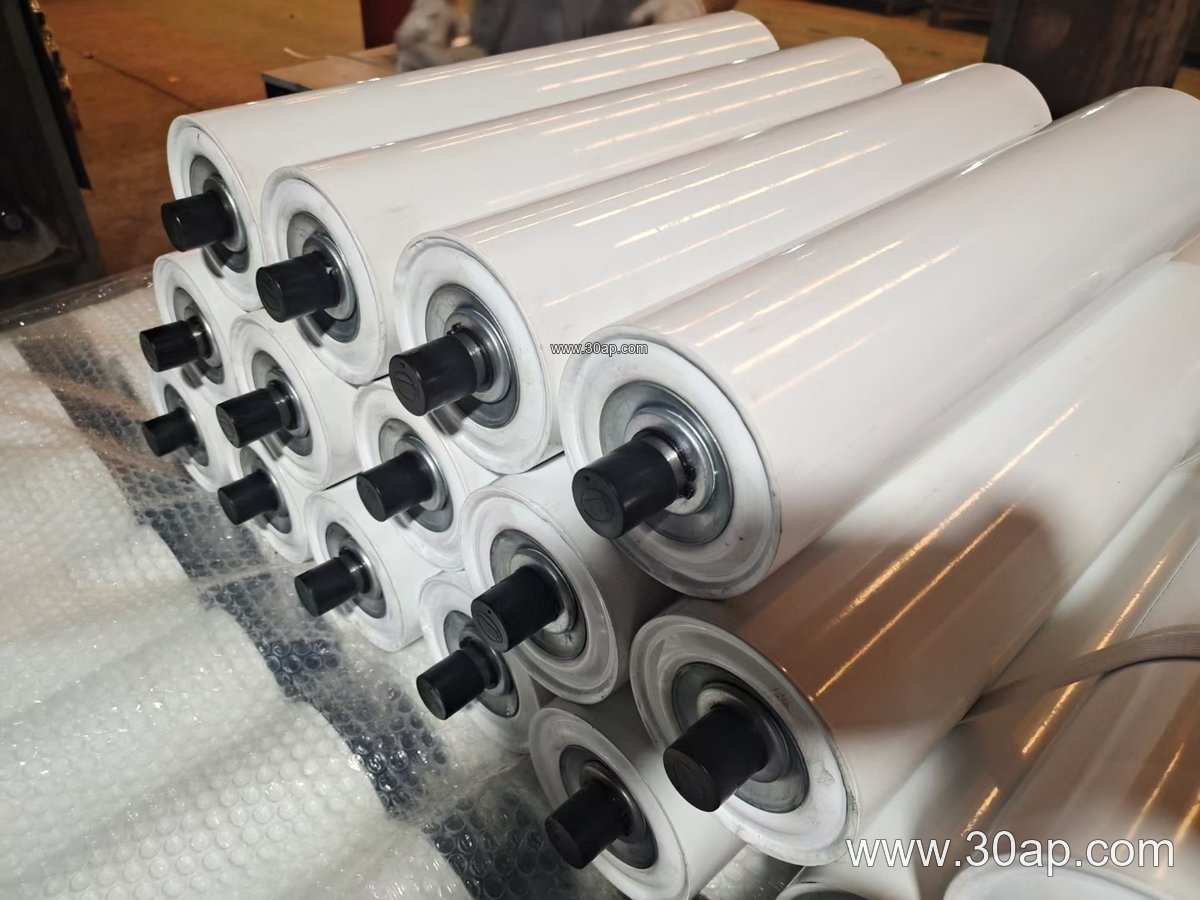
Cement plants and steel plants face abrasive dust and heat. Heat resistant conveyor belt may be paired with idlers that use high-temperature grease and careful clearance design. In such cases, the lowest-priced idler is rarely the lowest-cost choice over a five-year horizon.
How to compare offers
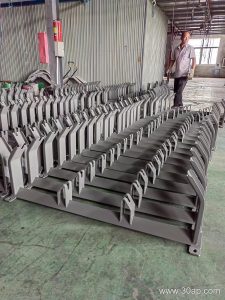
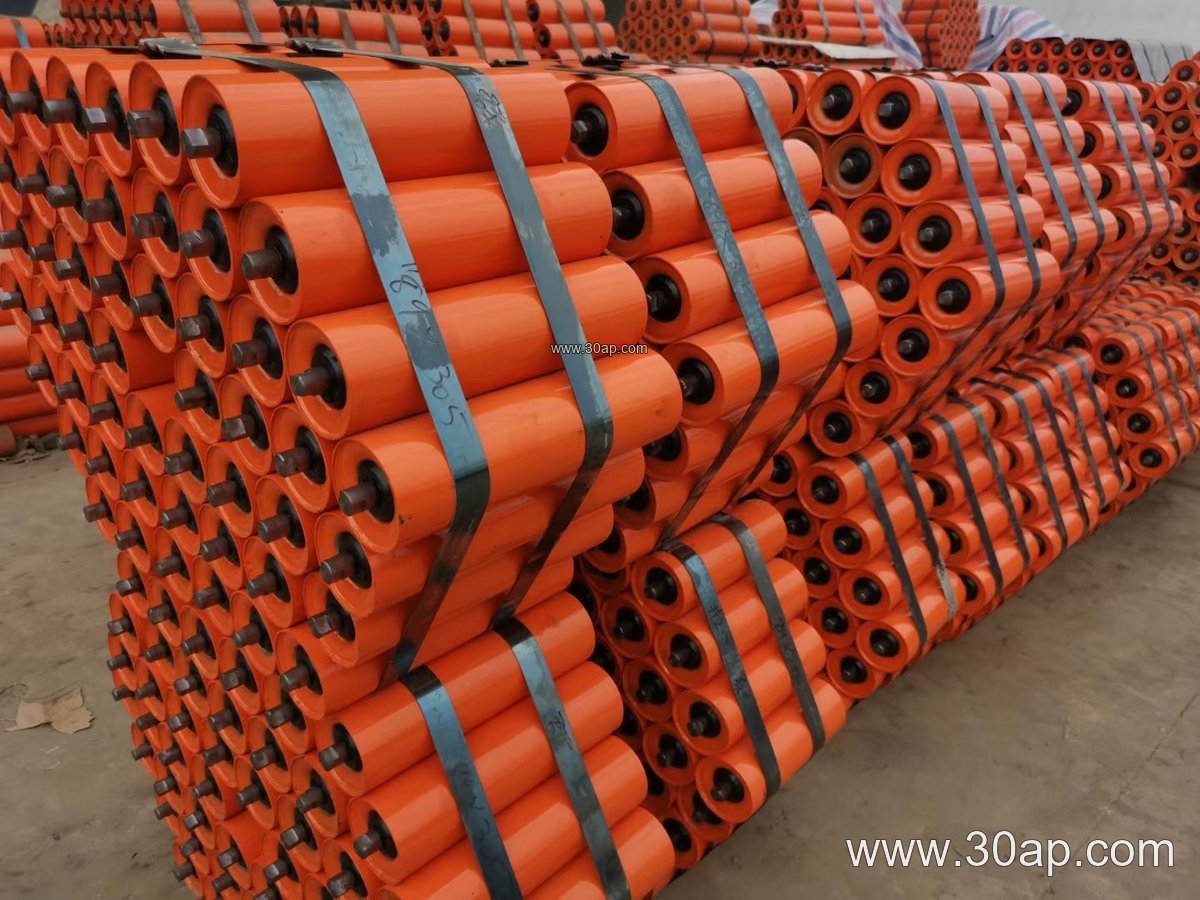
Ask for the full specification behind an idler price: roller diameter, shell thickness, shaft diameter, bearing model, seal type, and surface form. A price without these details is difficult to judge. Also confirm the trough angle if the idler is part of a set: 20, 30, 35, and 45 degrees are common, and the angle affects roll length and frame geometry. For transition zones near a conveyor pulley, transition idlers may be specified with different roll lengths than standard troughing idlers. Belt width alone does not determine shaft diameter; the load and design life do.
Related equipment and total cost
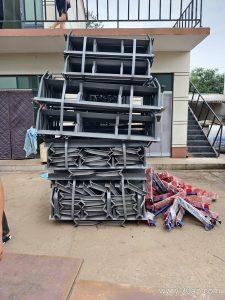
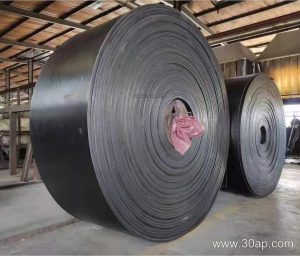
Idlers work with the conveyor belt, the conveyor pulley, and the conveyor bracket. A misaligned bracket or a worn pulley can shorten idler life, so price comparisons should include the mounting condition. For fabric core conveyor belt systems, such as EP conveyor belt or NN conveyor belt installations, standard troughing idlers are usually sufficient. For steel cord conveyor belt lines with high tension, heavier idlers and larger bearings are common.
Buyers should also consider the cost of downtime. A cheap idler that fails early in a stone crushing plant can stop the whole line. A slightly higher idler price for better sealing and bearing quality often pays back in reduced labor and spare parts. Request samples or small trial orders before committing to a large batch, and keep the specification sheet on file for future reorders.