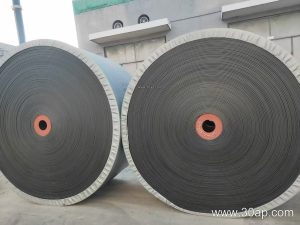
What a Cold Resistant Conveyor Belt Is
A Cold Resistant Conveyor Belt is a rubber conveyor belt engineered so that its cover compound and carcass remain flexible when ambient temperatures fall well below freezing. Standard rubber stiffens in cold weather, which can lead to cracking at the pulley, edge damage, and poor troughing. The cold-resistant grade uses a low-temperature rubber compound, typically based on a blend that keeps elasticity at temperatures that would make general-purpose belting brittle. In practice, buyers will also see this product described as a low-temperature conveyor belt or cold-weather rubber conveyor belt, and these names refer to the same cold-resistant belt family.
Because cold performance is a compound property rather than a single carcass design, the belt can be supplied on several reinforcement platforms. That means the same cold-resistant cover can appear on an EP Conveyor Belt, an NN Conveyor Belt, or a steel cord construction, depending on the tension and impact demands of the conveyor.
How the Belt Is Built
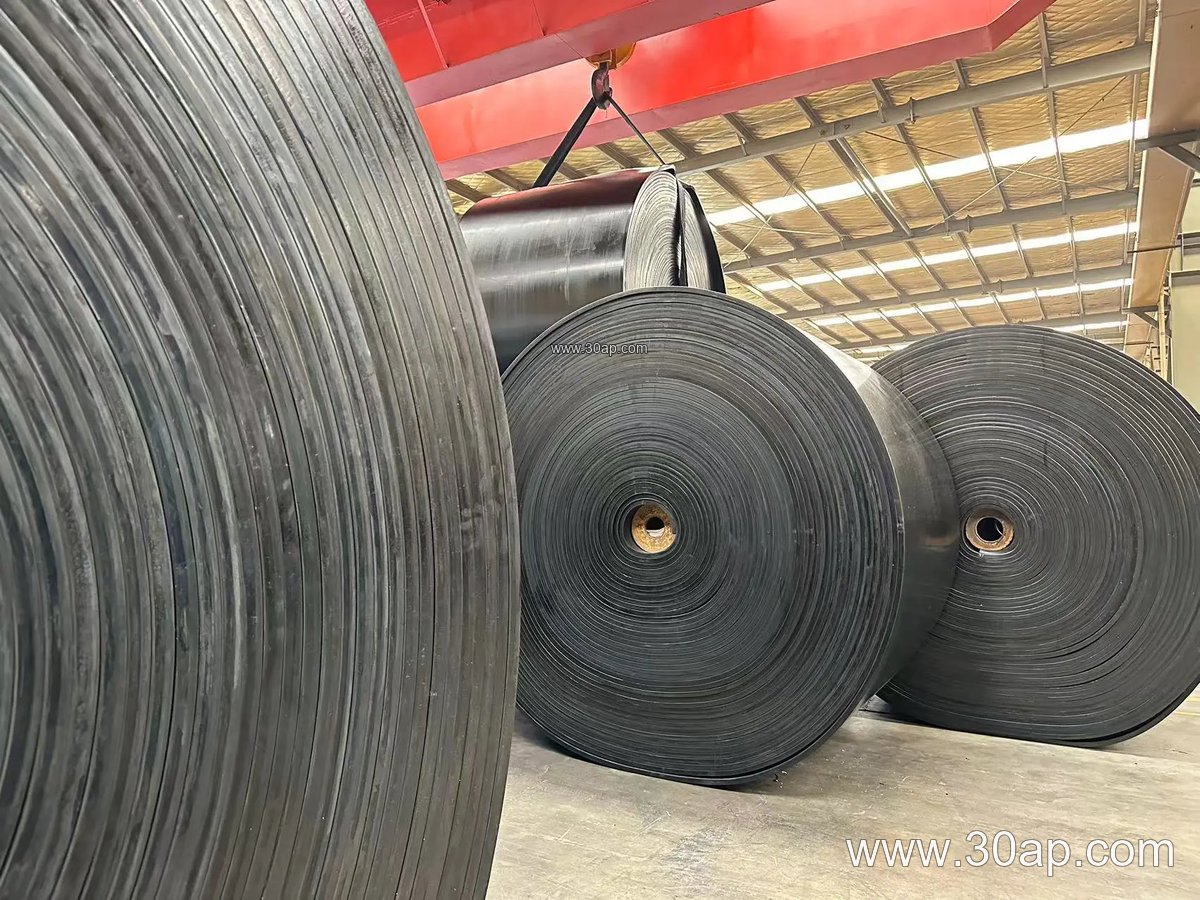
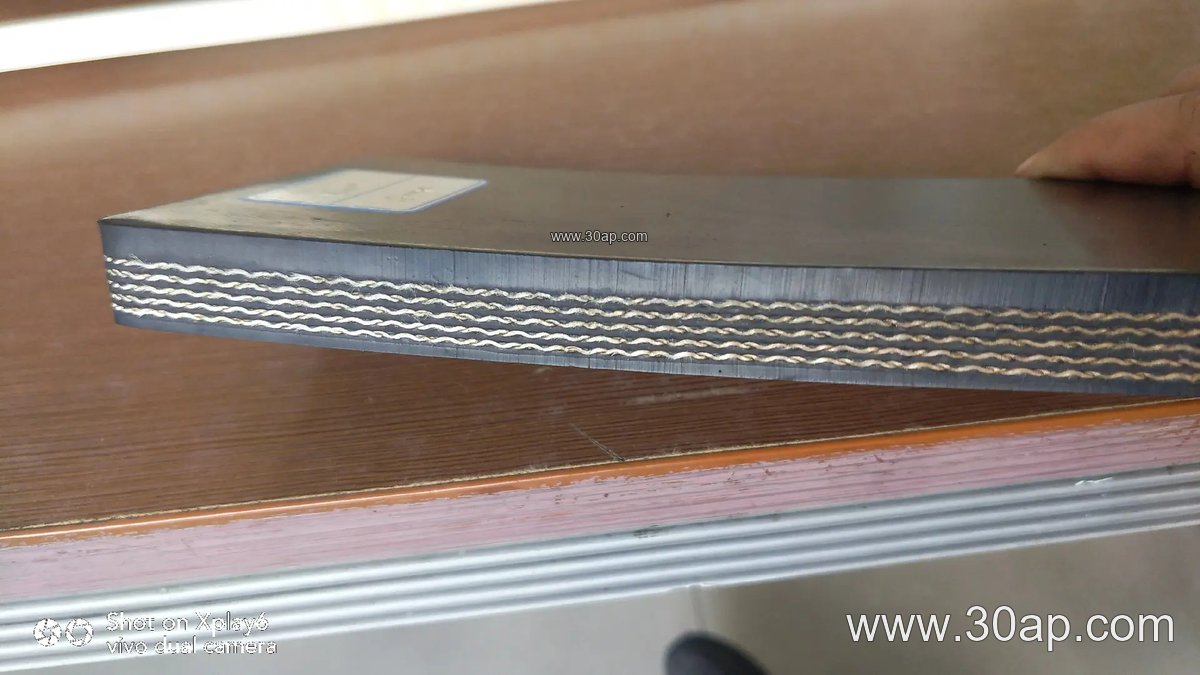
The construction follows the usual layered logic of a fabric or steel-reinforced belt, with the cold-resistant compound applied to the top cover, bottom cover, and often the edges. The carcass carries tension, while the covers protect it from abrasion, moisture, and frost. A Multi-Ply Fabric Core Conveyor Belt is common in cold quarries and aggregate plants because several plies distribute impact loads from frozen lumps.
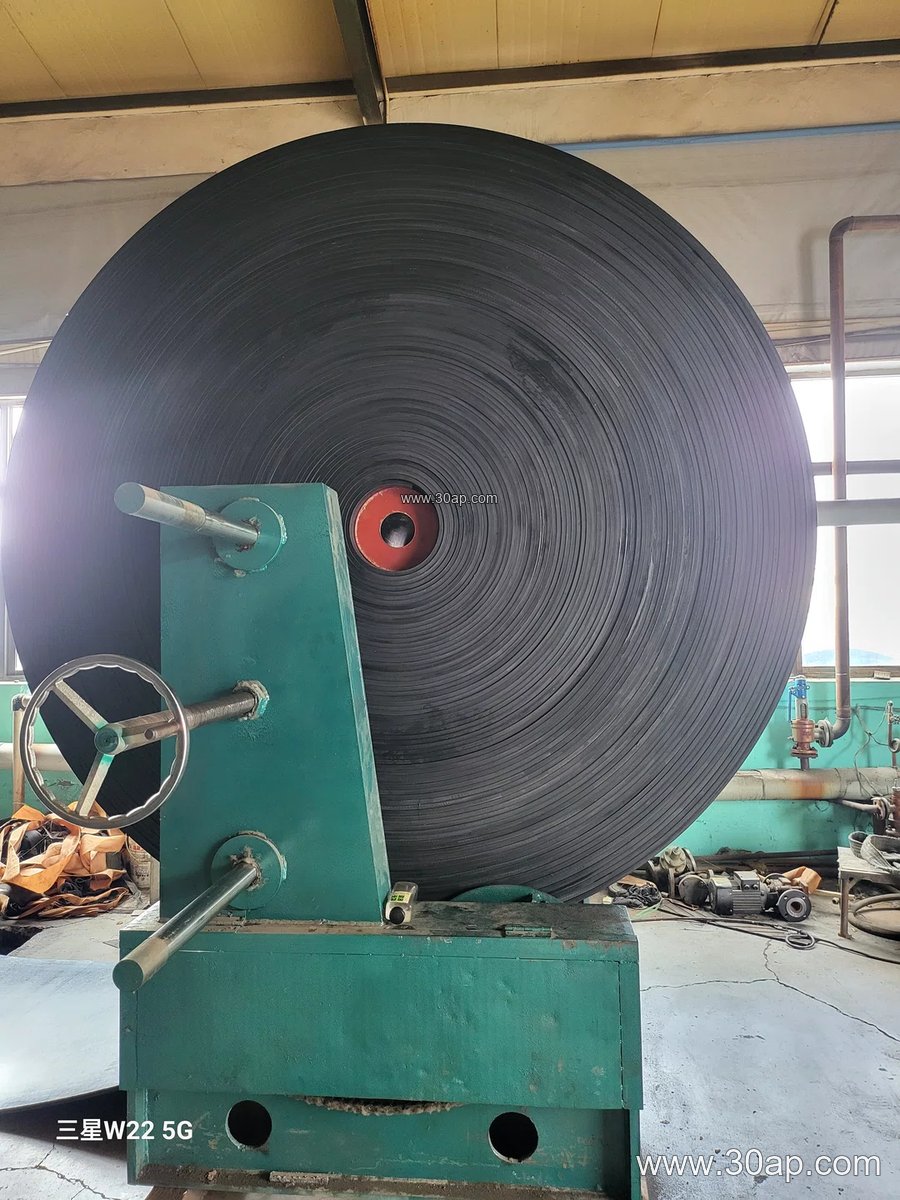
Cold conditions also affect the bond between cover and carcass. A quality cold-resistant belt uses adhesion systems that resist stiffening and ply separation during repeated starts at low temperature. Edge construction deserves attention too: exposed fabric edges wick moisture, and freeze-thaw cycles can accelerate edge breakdown, so molded or sealed edges are often preferred in exposed outdoor installations.
| Parameter | Common Range | Notes |
|---|---|---|
| Cover thickness | 3+1.5, 4+2, 5+2, 6+2, 8+3 mm | Thicker top cover for lump impact and abrasion |
| Carcass plies | 2 to 6 layers | Depends on tension and impact requirement |
| Strength grades | EP200 to EP2000; NN100 to NN400 | Selected by calculated belt tension |
| Belt width | B500 to B2000 | Matched to conveyor design, not fixed by pulley size |
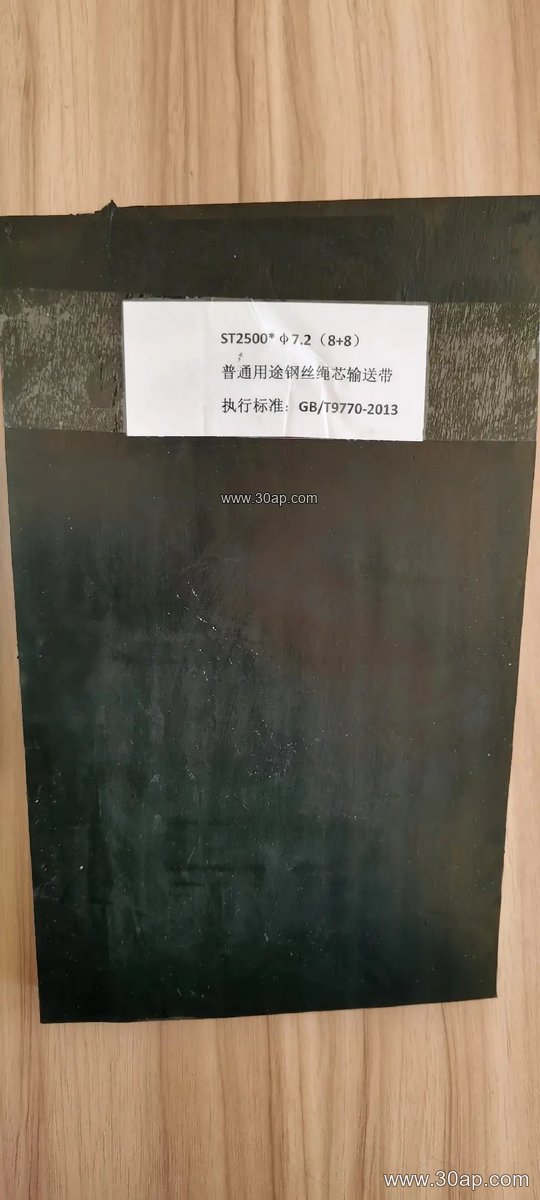
| Steel cord grades | ST1000 to ST3150 | For long, high-tension cold-weather lines |
Where Cold Resistance Matters
Cold-resistant belting appears wherever conveyors run outdoors or in unheated structures through winter. In open-pit mines and coal mining operations in northern regions, a Mining Conveyor Belt must start after overnight freezing and carry frost-covered ore without cracking. Aggregate and quarry sites face the same issue with wet sand and stone that freezes into lumps. Cement plants, power plants, and port bulk terminals with exposed yard conveyors also specify cold-resistant covers for winter duty.
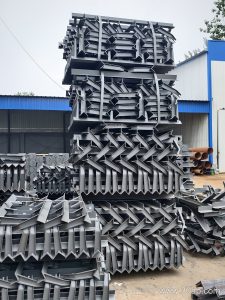
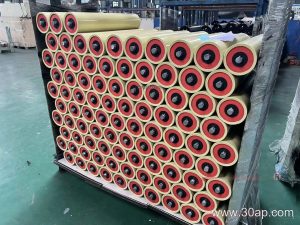
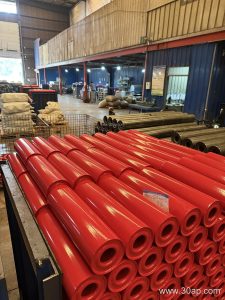
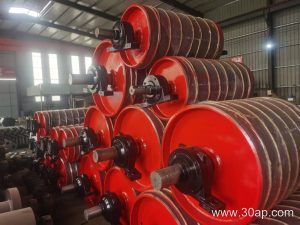
The belt does not work alone. A conveyor pulley with a lagged surface, properly spaced idler rollers, and a rigid conveyor bracket all influence how a stiff belt behaves on a cold morning. Misaligned or seized idler rollers increase running resistance, and a cold belt has less reserve flexibility to absorb that extra drag, so mechanical condition matters more in winter than in summer.
Matching the Belt to the Duty
Selection starts with the lowest expected operating temperature, not the average winter figure. The belt should be rated for cold starts, because a stationary belt cools to ambient and is at its stiffest when the motor first turns. Tension calculations then determine whether a fabric belt or a steel cord design is appropriate. For heavy, sharp, frozen material, an Abrasion Resistant Conveyor Belt cover may be combined with cold-resistant compounding so the belt handles both cutting wear and low temperature.
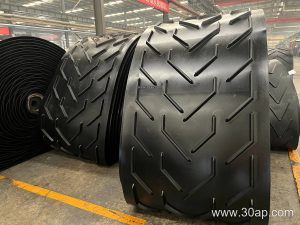
Where the material is also flammable, as in underground coal mining, a Flame Retardant Conveyor Belt with cold-resistant properties and anti-static behavior is often requested. PVG Conveyor Belt constructions are common in that setting. For inclined yard conveyors carrying frozen aggregate, a Chevron Conveyor Belt in cold-resistant rubber can prevent rollback, while a Corrugated Sidewall Conveyor Belt suits steep, confined transfers. These are alternatives chosen for their own duties, not substitutes for a flat cold-resistant belt.
Buyer Checklist
- State the minimum ambient temperature and whether the conveyor starts loaded.
- Confirm the required strength grade and number of plies from the tension calculation.
- Choose cover thickness based on lump size and abrasion, not habit.
- Ask how edges are finished for outdoor freeze-thaw exposure.
- Check pulley lagging, idler roller condition, and bracket alignment before installation.
- Review storage and splicing instructions, since cold belts need care during vulcanizing.
Finally, treat published figures as reference data rather than guarantees. Cover gauges, ply counts, and strength grades vary between manufacturers, and the correct combination is set by conveyor design. A belt rated for cold weather still needs sensible startup practice: slow, unloaded starts on the coldest days reduce stress on covers and splices and extend service life. For more on matching belts to pulleys, rollers, and frames, see the technical notes at www.beltconveyorsolution.com and the cold-weather guidance at www.rubberconveyorbelt.com.