What an Acid Resistant Conveyor Belt Is
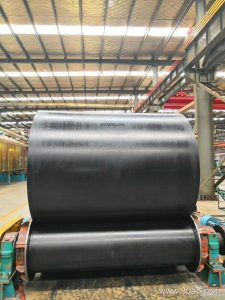
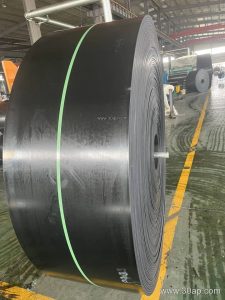
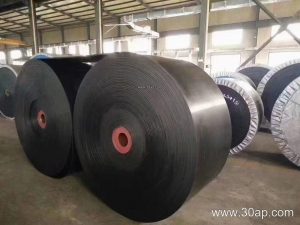
An acid resistant conveyor belt is a rubber conveyor belt engineered to carry materials that would attack ordinary cover compounds. Instead of a standard natural or styrene-butadiene rubber cover, the belt uses a compound selected to resist acidic attack, typically a butyl, chloroprene or specially formulated synthetic rubber. The product is often described as a chemical resistant conveyor belt when the same construction is expected to handle both acids and alkalis. The two names refer to the same protective concept, and buyers should confirm the exact chemical exposure before choosing a compound.
Construction and Build
The belt is a composite: a fabric or steel carcass carries the tension, and the cover protects the carcass from the carried material. In most acid resistant designs the carcass is an EP conveyor belt (polyester warp, polyamide weft) or an NN conveyor belt (nylon warp and weft). Both are fabric core conveyor belt families, and multi-ply fabric core conveyor belt builds with two to six plies are common. For very long runs or high tonnage, a steel cord conveyor belt carcass may be used instead, but the acid protection remains a function of the cover, not the cord.
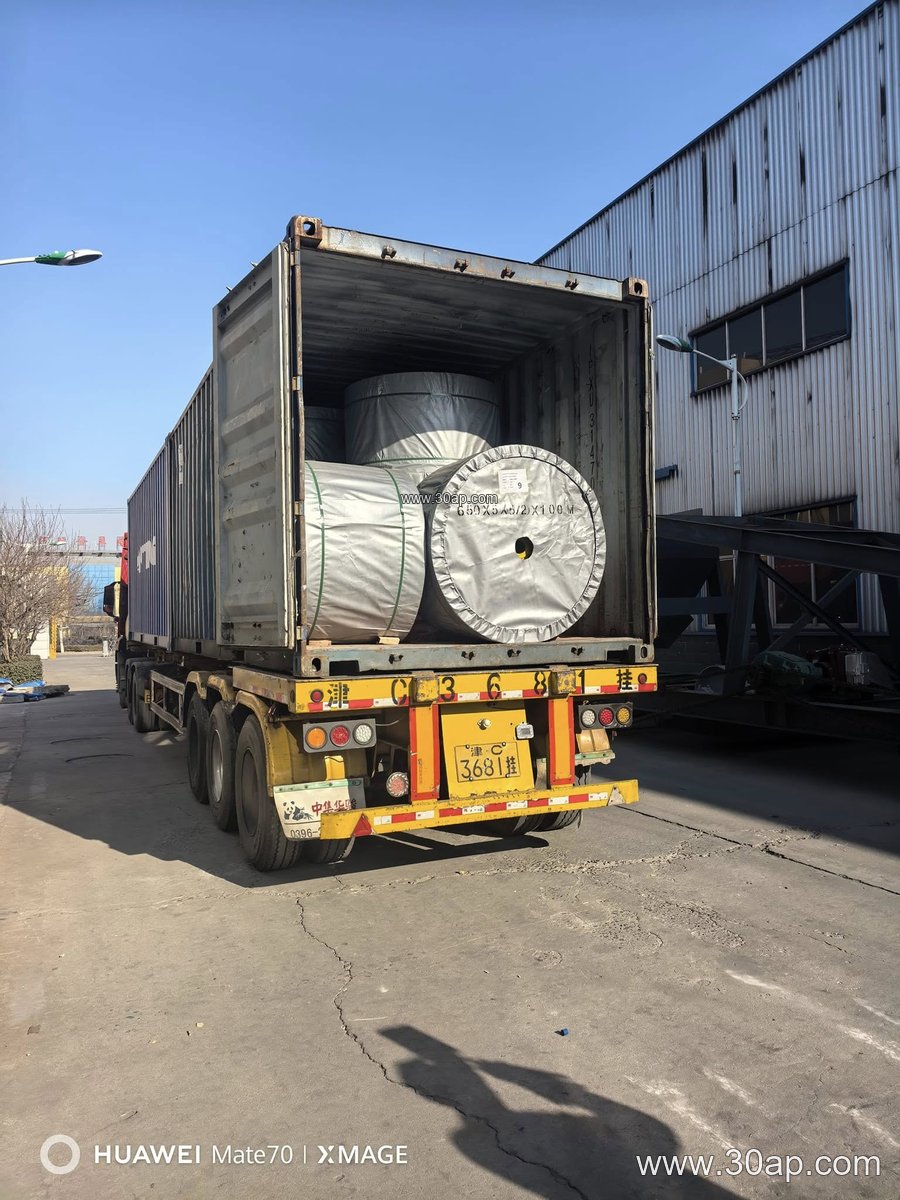
Cover thickness is usually quoted as top plus bottom, for example 4+2 mm or 6+2 mm, and thicker covers extend service life where splash or fine acidic dust is present. The carcass must be protected at the edges, so good edge quality matters as much as the compound itself.
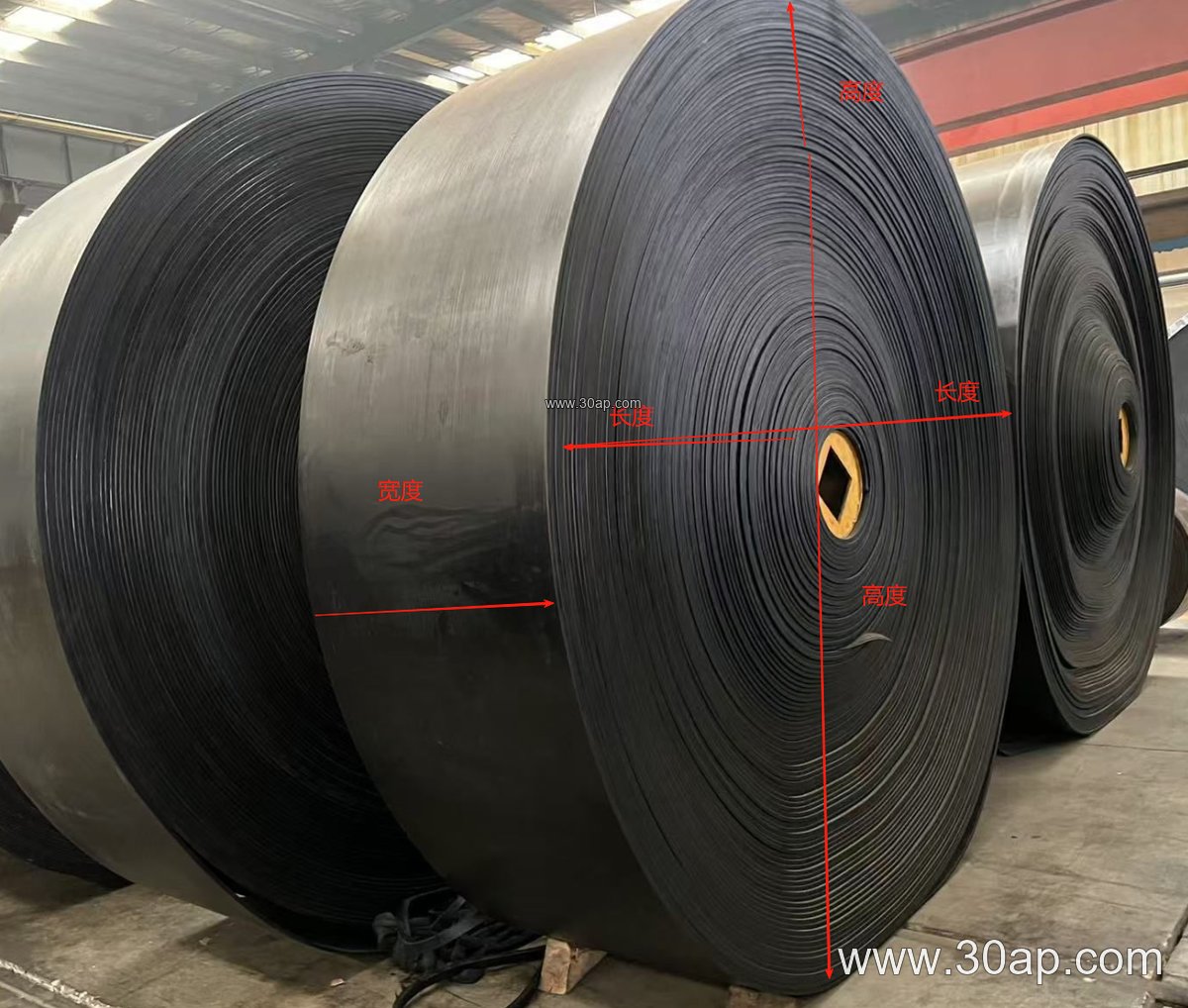
Typical reference data
| Item | Common range |
|---|---|
| Carcass type | EP, NN, steel cord |
| Strength grades (EP) | EP200 to EP2000 |
| Belt width | B500 to B2000 mm |
| Cover thickness | 3+1.5, 4+2, 5+2, 6+2, 8+3 mm |
| Ply count | 2 to 6 layers |
These values are reference data only; final specifications depend on the conveyor design and the actual chemical duty.
Where It Is Used
Acid attack appears in more plants than many operators expect. Fertilizer and phosphoric acid production, some ore processing streams, certain coal washing circuits, and chemical plants handling acidic slurries are typical duties. In a cement plant the belt may meet acidic wash water rather than acid product, while in a power plant the exposure often comes from flue gas treatment residues. Quarries and sand making plants usually need a high abrasion resistant conveyor belt instead, so the acid grade is specified only where the chemistry genuinely calls for it.
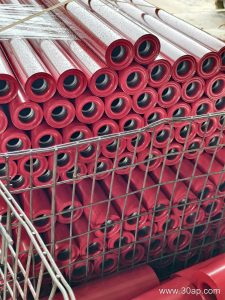
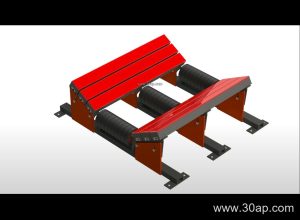
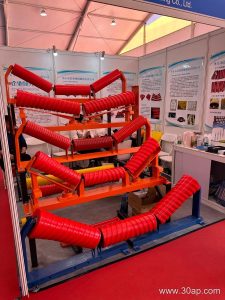
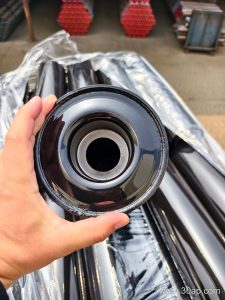
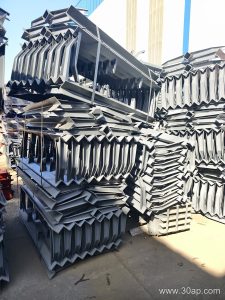
Because the belt runs on the same hardware as any other, the surrounding components should be reviewed at the same time. A conveyor pulley at the drive, tail and bend positions, idler roller sets along the carry and return sides, and the conveyor bracket that fixes them all need corrosion protection if acid mist is present. Drive, tail and bend pulleys are distinct items and are not interchangeable in a layout; each has its own role in tension and direction change.
Selection Points for Buyers
- State the chemical, concentration and temperature. A belt that resists dilute acid may fail in concentrated acid, and heat accelerates attack.
- Decide whether resistance is needed on the top cover only or on both covers, since spillage and wash water reach the bottom side too.
- Check whether the site also needs flame retardant or anti-static properties; a combined specification is possible but must be requested at the design stage.
- Confirm the carcass grade against the actual tension, not by habit. EP400 and EP630 are common mid-range choices; heavier duties may justify EP1000 or above.
- Ask how the belt will be joined. An endless conveyor belt spliced on site needs a splice method compatible with the compound.
Care in Service
Acid resistant belts usually fail at the edges, the splice or the point where aggressive material is loaded, not in the middle of the cover. Keep skirt rubber and chute liners in good condition so impact and abrasion do not open the cover, and wash down spills promptly rather than letting acidic residue sit on the surface. Track cover wear during routine inspections and record it so replacement is planned rather than reactive.
For harsh mining circuits, an abrasion resistant conveyor belt or a heavy-duty mining conveyor belt may be the better base, with acid resistance added to the cover specification. Matching the belt to the real duty, rather than to a general label, is what keeps a conveyor running in chemically aggressive service.