What the Tail Pulley Does on a Conveyor
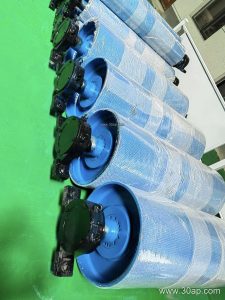
The belt conveyor tail pulley sits at the return end of a conveyor frame, opposite the drive. Its main job is to support and guide the conveyor belt as it turns back into the carrying run, closing the loop of the belt path. Because it rotates with the belt rather than driving it, this component is a driven roller in the functional sense, not a power source. On a typical aggregate line or a cement plant clinker transport section, the tail roller keeps belt tracking stable at the loading end and works together with the take-up system when one is fitted nearby.
It is easy to confuse this part with a bend pulley or a drive pulley. They occupy different positions and carry different loads. The drive pulley transmits torque to the belt; a bend pulley simply changes belt direction; the tail pulley closes the loop at the rear. Keeping these roles separate matters when specifying spares, because a tail roller cannot be swapped for a drive unit without a full review of the drive arrangement.
Construction and Surface Options
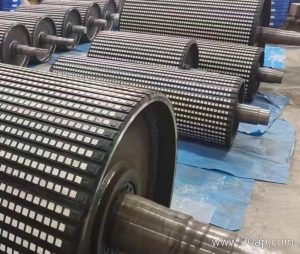
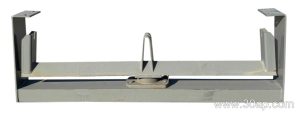
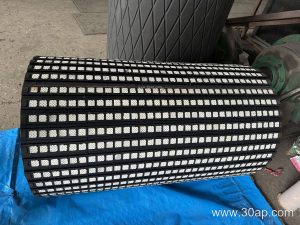
A belt conveyor tail pulley is usually built as a cylindrical shell with end discs, a through shaft, and bearing housings mounted on the conveyor bracket. The shell may be plain steel or covered with rubber lagging to improve grip and protect the belt in dusty conditions. Common surface forms include plain, cold-bonded rubber, hot vulcanized rubber, diamond lagging, and ceramic lagging. Lagging thickness is often 8, 10, 12, 15, or 20 mm, selected according to belt tension and the abrasiveness of the material.
On quarry and sand and gravel lines, a diamond pattern or ceramic surface can help shed fines and reduce belt slip at the return end. For a coal mining conveyor belt that carries sticky or wet product, a plain or lightly lagged shell is sometimes preferred so material does not pack into the surface. The right choice depends on the duty, not on a single fixed rule.
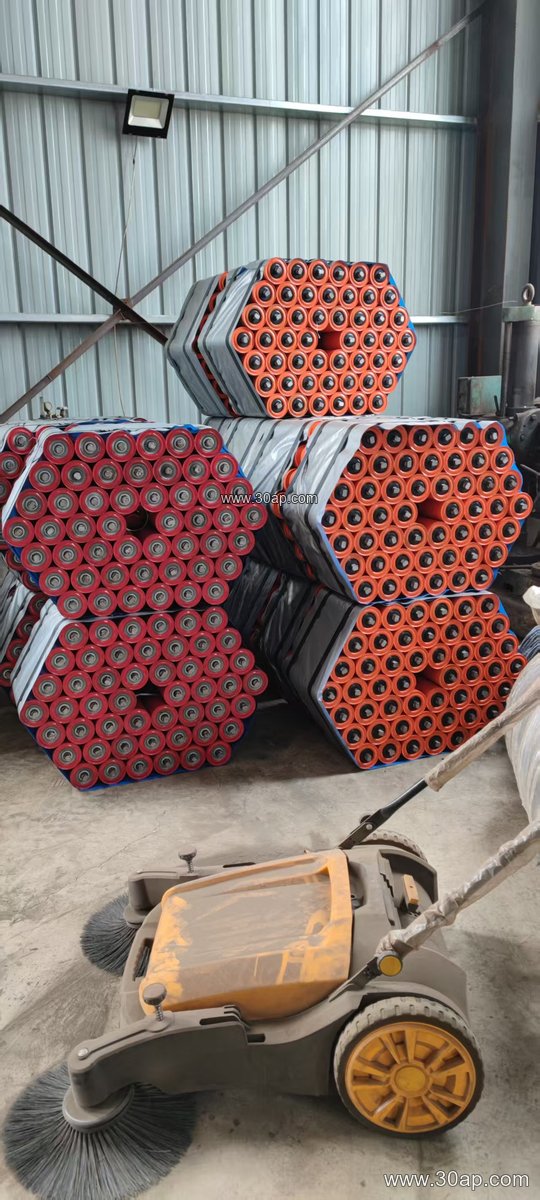
Matching Diameter and Face Width to the Belt
Face width of the tail roller is normally a little wider than the belt itself, which helps keep the belt centered. Diameter is chosen from belt tension, shaft load, and the space available in the frame. There is no rule that one belt width fits only one diameter, so a B800 system might use a Ø400 or Ø500 tail pulley depending on the design, while a B1200 conveyor may run a Ø630 or Ø800 unit.
The table below shows common reference pairings. These are examples, not fixed supply commitments.
| Belt width | Typical face width | Example tail pulley diameter |
|---|---|---|
| B500 | about 600 mm | Ø315 or Ø400 |
| B650 | about 750 mm | Ø400 or Ø500 |
| B800 | about 950 mm | Ø500 or Ø630 |
| B1000 | about 1150 mm | Ø630 or Ø800 |
| B1200 | about 1400 mm | Ø800 or Ø1000 |
| B1400 | about 1600 mm | Ø1000 or Ø1250 |
| B1600 | about 1800 mm | Ø1250 or Ø1400 |
Shaft diameter is set by torque and bearing load, not by belt width alone. Common shaft sizes range from Ø50 up to Ø200, and the final value should come from the conveyor design calculation.
Where It Fits in Different Industries
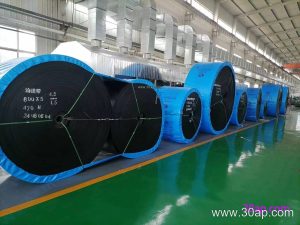
In a limestone quarry or a crushing and screening plant, the tail roller often sits under the loading chute, exposed to impact and dust. A robust shell and suitable lagging help here, especially when the belt is an abrasion resistant conveyor belt or a heavy-duty mining conveyor belt. In a power plant coal handling system, flame retardant conveyor belt and anti-static properties are common requirements, and the tail pulley should be specified together with the belt to avoid mismatch at the return end.
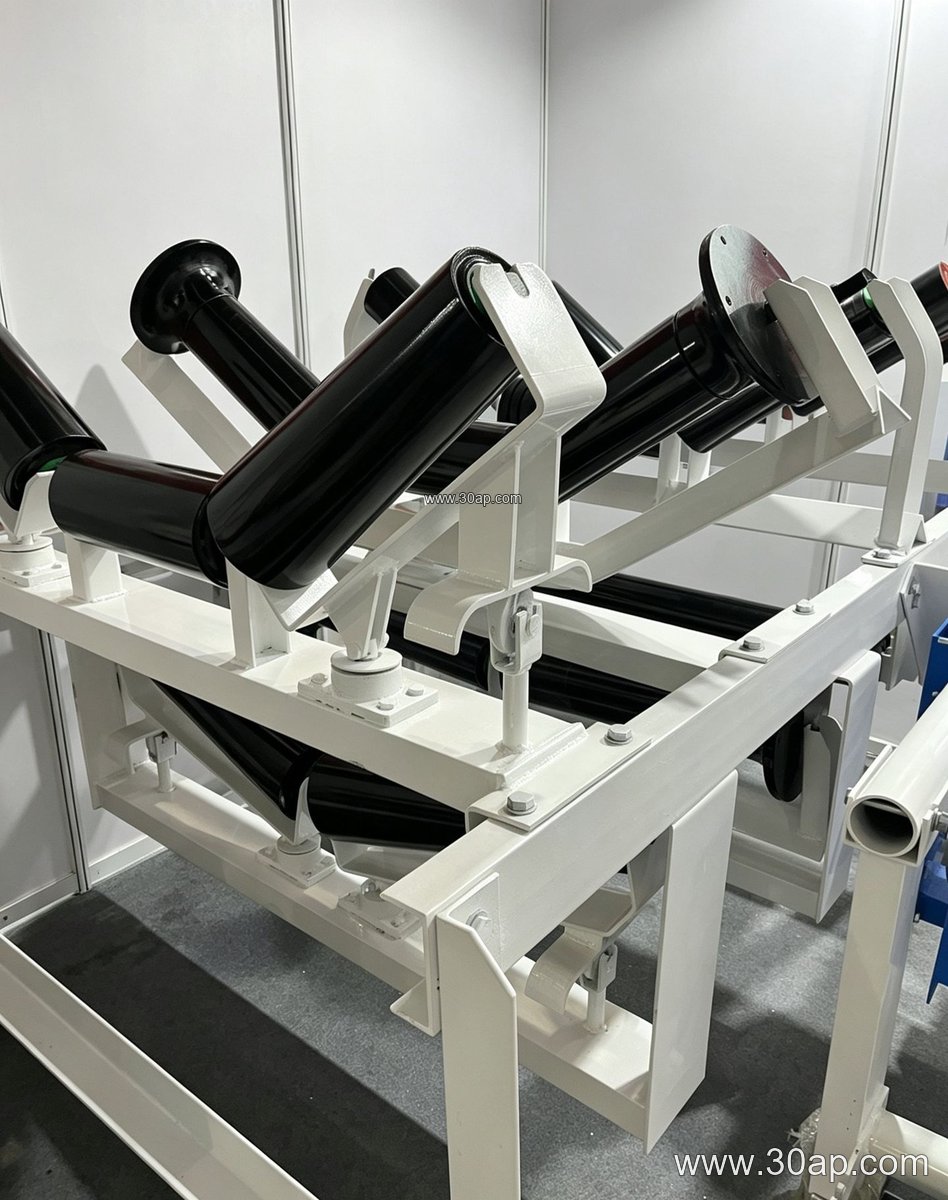
Other settings include iron ore and copper ore handling, fertilizer plants, and grain silos. In each case the tail pulley works alongside conveyor idler rollers, the conveyor bracket, and the belt itself, so a coordinated specification avoids tracking problems later.
Buyer Checklist
- Confirm belt width, face width, and required diameter from the conveyor drawing.
- State the material being carried and whether dust, water, or oil is present.
- Choose lagging type and thickness to suit grip and wear needs.
- Check shaft size, bearing type, and mounting bracket dimensions.
- Match the pulley surface to the belt type, such as an EP conveyor belt or a steel cord conveyor belt, so the return end runs smoothly.
For more on pulleys, belts, and rollers, visit www.btconveyorbelt.com and review the tail pulley options before ordering.