What a Cold Resistant Conveyor Belt Is
A Cold Resistant Conveyor Belt is a rubber conveyor belt engineered to stay flexible and crack-free when it runs in low ambient temperatures. Standard rubber compounds stiffen as the thermometer drops, which makes the belt hard to trough, difficult to track and prone to edge cracking. A cold resistant conveyor belt uses a rubber compound that keeps a lower brittle point, so the cover and the carcass can still flex around the tail pulley and the bend pulleys without splitting. It is the same family of product as a low-temperature resistant rubber belt, and in cold climates it is often the default choice for outdoor conveying lines.
How the Belt Is Built
The construction follows the usual layered logic of a fabric or steel reinforced belt, but every layer is adjusted for cold service.
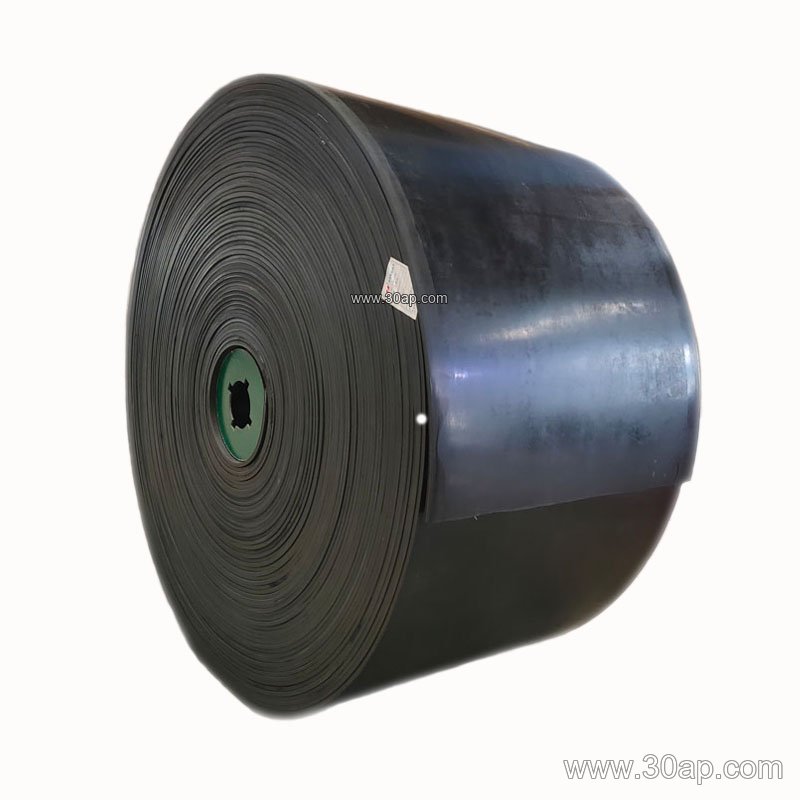
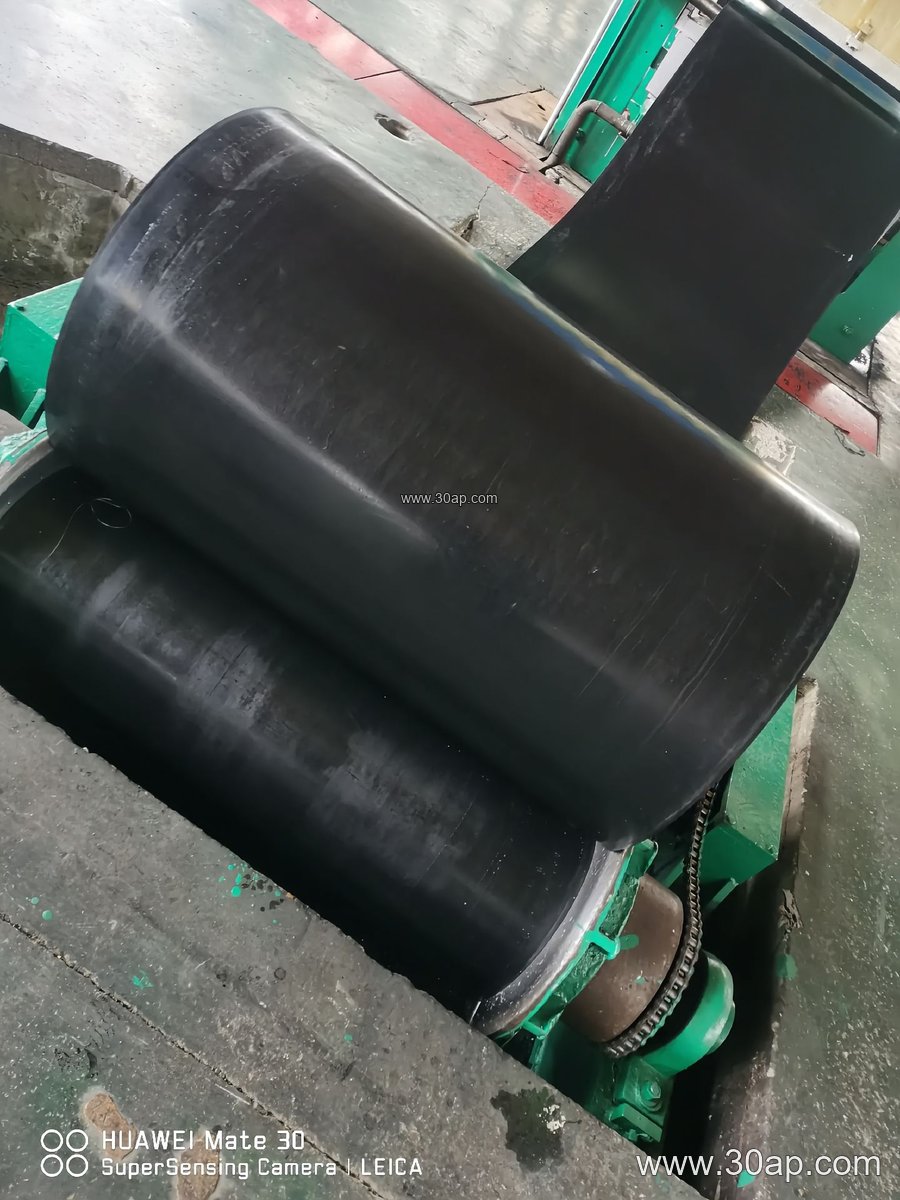
- Cover rubber: a low-temperature compound, usually with a lower brittle temperature than standard covers. Common cover gauges include 3+1.5 mm, 4+2 mm, 5+2 mm, 6+2 mm and 8+3 mm, and thicker covers give more wear allowance in abrasive cold-weather duty.
- Carcass: EP fabric, NN fabric or steel cord. A Fabric Core Conveyor Belt with 2 to 6 plies is common for medium duty, while a Steel Cord Conveyor Belt suits long, high-tension lines such as a mine overland conveyor.
- Adhesion: the bond between plies must survive repeated flexing at low temperature, so the skim compound is also formulated for cold conditions.
Depending on the line, the belt may also be supplied as an Endless Conveyor Belt with a vulcanized joint, which removes the mechanical splice that can become a weak point in freezing weather.
Where Cold Resistant Belts Are Used
These belts appear wherever material moves outdoors or in unheated buildings during winter. Typical settings include:
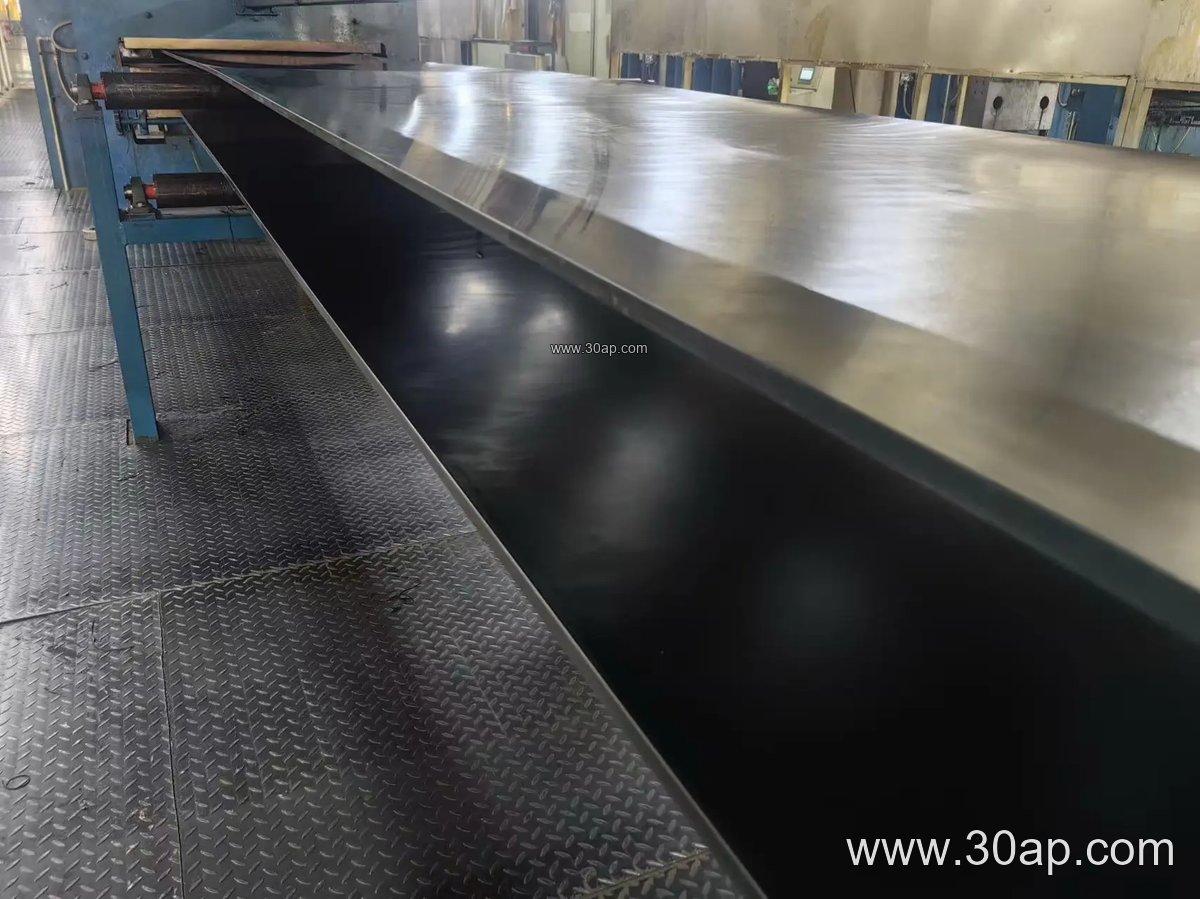
- Open-pit and underground mines in cold regions, where an Underground Mining Conveyor Belt or a surface Ore Conveyor Belt must start up after a freezing night.
- Coal handling at power plants and Coal Mining Conveyor Belt systems in northern latitudes.
- Cement plants, quarries and Aggregate Conveyor Belt lines that keep running through frost.
- Ports, ship loading systems and stockyards handling Bulk Material Conveyor Belt duty in winter.
- Sand and gravel plants, crushing circuits and recycling facilities with unheated transfer points.
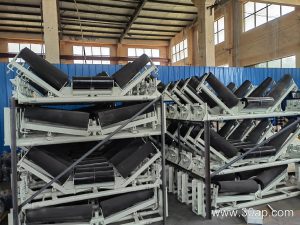
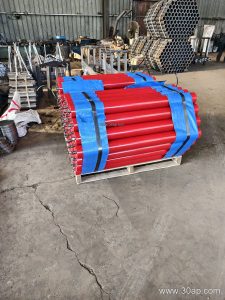
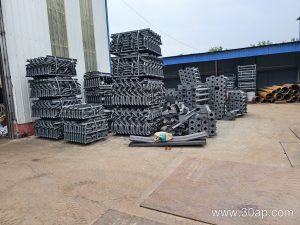
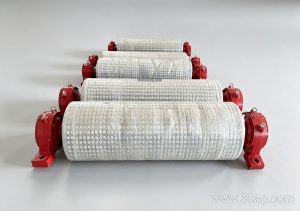
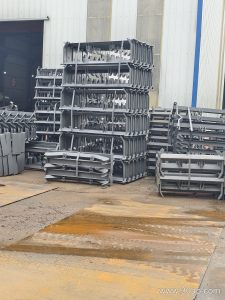
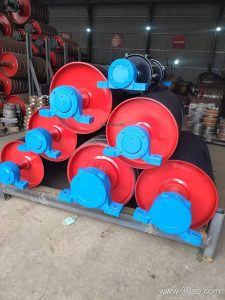
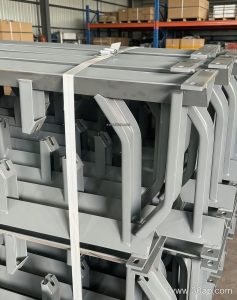
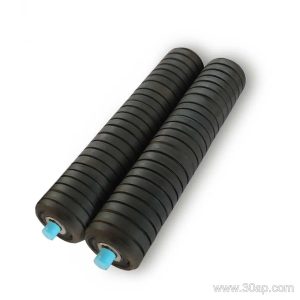
In these plants the belt works with conveyor pulleys, idler rollers and conveyor brackets that are also exposed to the cold, so the whole conveyor, not only the belt, deserves a winter review.
Grades and Reference Data
Cold resistant belts are usually ordered by carcass type and strength grade. The values below are common reference points, not fixed supply promises; actual construction is confirmed by design.
Fabric core grades
| Grade | Typical use |
|---|---|
| EP200 | Light to medium duty, short transfers |
| EP400 | General plant conveying |
| EP630 | Medium duty quarry and cement lines |
| EP800 | Heavier aggregate and ore duty |
| EP1000 | High tension fabric lines |
| EP1250 | Longer overland fabric belts |
Steel cord grades
| Grade | Typical use |
|---|---|
| ST1000 | Medium tension long lines |
| ST1600 | Mine and port main lines |
| ST2000 | High tension overland conveying |
| ST2500 | Heavy duty bulk transport |
Common belt widths
B500, B650, B800, B1000, B1200, B1400, B1600, B1800 and B2000 are frequently quoted, and a 1200mm or 1400mm belt is common on main plant lines. Width is matched to the conveyor design together with the pulley diameters, not chosen in isolation.
What Buyers Should Check
- Actual site temperature: state the lowest start-up temperature, not just the average winter figure, because cold cracking usually happens at start-up.
- Cover thickness and grade: a thicker cover helps in abrasive cold duty, but too stiff a compound can hurt troughing.
- Carcass choice: compare an EP Conveyor Belt against a steel cord option when the line is long or the tension is high.
- Related components: cold weather can stiffen idler roller bearings and grease, so check idlers, conveyor pulley lagging and conveyor brackets as a system.
- Joint type: a vulcanized splice generally performs better than mechanical fasteners in freezing conditions.
- Other hazards: if the line also carries oil, heat or flame risk, a combined specification may be needed; a Heat Resistant Conveyor Belt or Oil Resistant Conveyor Belt is a different product and should not be substituted for cold resistance alone.
Installation and Maintenance Notes
Allow the belt to relax at ambient temperature before splicing, keep the storage area dry, and avoid sharp bends during handling when the rubber is cold. During operation, watch the tail pulley and bend pulleys for material buildup that can freeze and misalign the belt. Check edge wear and cover cracks after the first cold season, and keep the belt tension per the conveyor design rather than over-tightening to compensate for stiffness. For more information on matching a Cold Resistant Conveyor Belt with conveyor pulleys, idler rollers and brackets, contact the belt supplier with the site temperature, belt width and duty details.