What an Abrasion Resistant Conveyor Belt Is
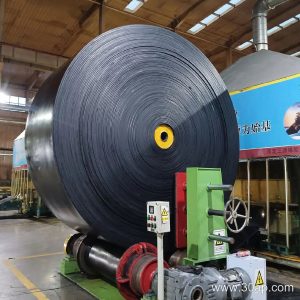
An Abrasion Resistant Conveyor Belt is a rubber conveyor belt built to withstand the cutting, gouging and surface wear caused by sharp, heavy or fast-moving bulk materials. Instead of a standard cover compound, it uses a rubber formulation with high resistance to abrasion, so the belt keeps its thickness and grip longer in demanding duty. You will see this belt described as an abrasion resistant rubber conveyor belt or simply a wear-resistant belt, and it is often specified alongside a heavy-duty conveyor belt where tonnage and lump size are high.
The keyword matters because wear is the main reason belts fail early in mines, quarries, cement works and power plants. A belt that resists abrasion reduces downtime, keeps the carcass protected and holds tension more consistently over its service life.
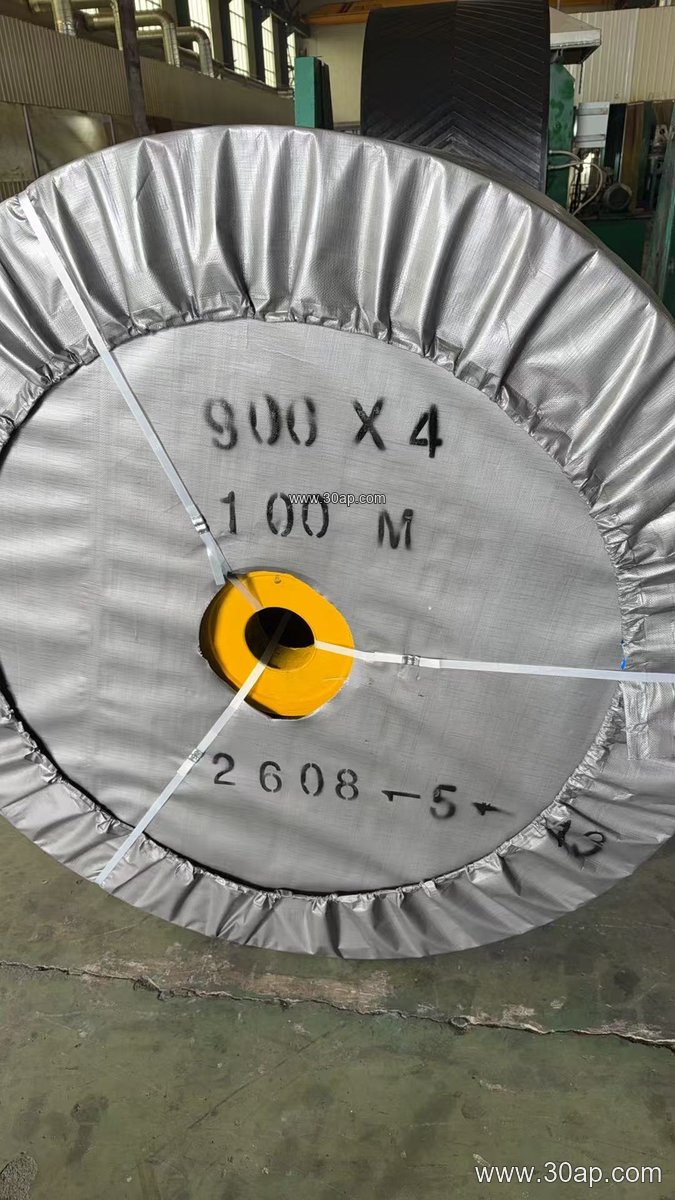
How the Belt Is Built
The construction follows the usual fabric-core or steel-cord layout, with the cover compound adjusted for wear. A typical build includes:
- Carcass: multi-ply fabric core, such as EP or NN, or steel cord for very long runs and high tension.
- Top cover: abrasion resistant rubber, usually thicker than standard to absorb wear.
- Bottom cover: often a thinner abrasion resistant or general-purpose layer to protect against pulley contact.
- Edges: cut or moulded edges depending on the design and the material being carried.
Cover thickness is commonly quoted as a top plus bottom figure, for example 4+2 mm, 5+2 mm, 6+2 mm or 8+3 mm. The carcass may have 2 to 6 plies in fabric-core designs. These are common references, not fixed rules; the final build is set by the conveyor design and the duty.
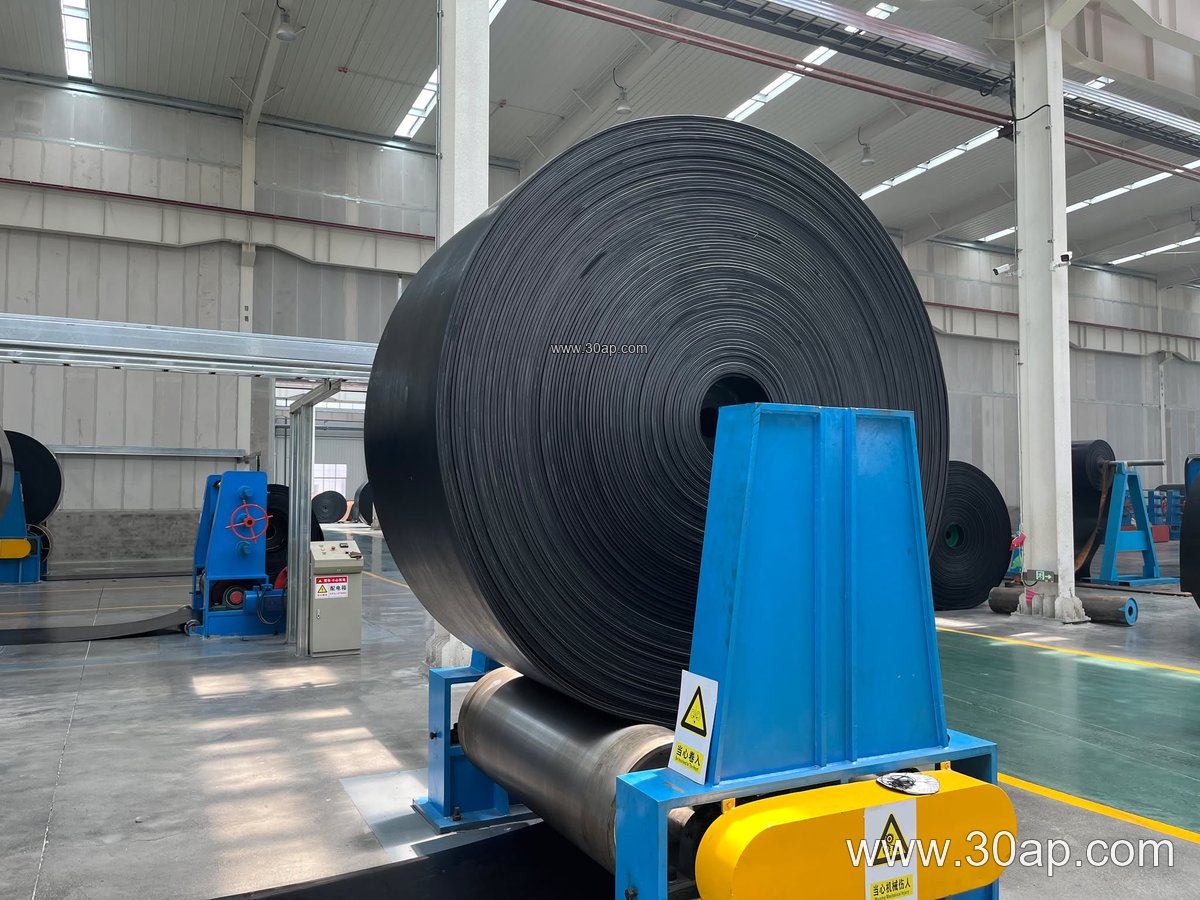
Where It Fits in the Plant
This belt is at home wherever the material is abrasive. In a quarry or sand and gravel plant it handles crushed rock, aggregate and stone. In a cement plant it carries clinker, limestone and raw meal. At a power plant it may move coal or ash, and in a coal mining or underground coal mining operation it works with lump coal and reject material. Iron ore, copper ore and gold mining operations also use wear-resistant belts on primary and secondary haulage.
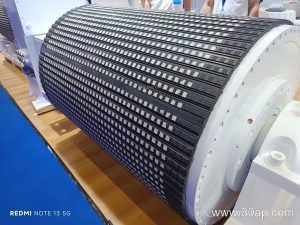
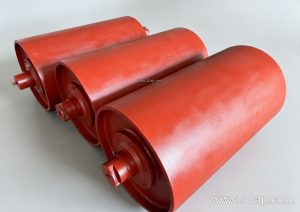
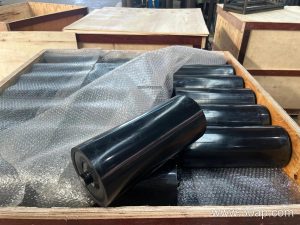
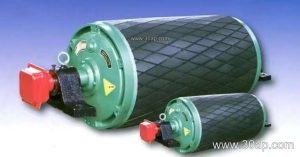
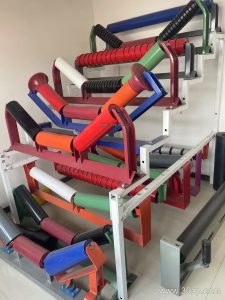
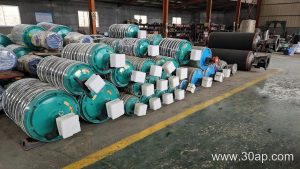
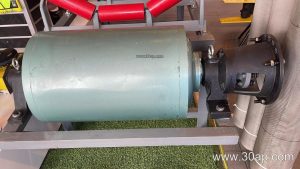
The belt does not work alone. It runs over a conveyor pulley at the drive and tail, turns on bend pulleys, and is supported by idler rollers and conveyor brackets. Wear on the belt and wear on the idlers often go together, so matching the belt cover to the material is part of keeping the whole conveyor reliable.
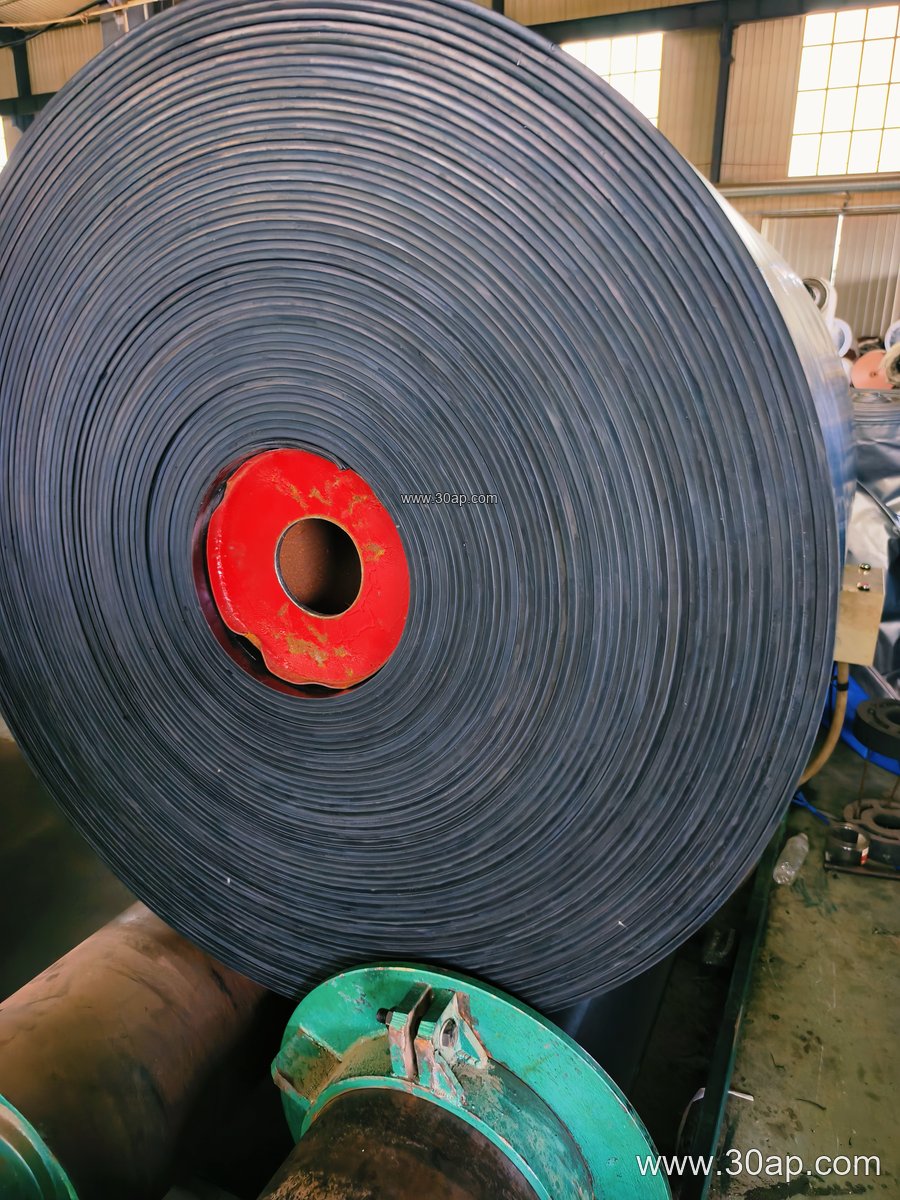
Types and Related Designs
Abrasion resistance is a cover property, so it can be combined with other belt types. An EP conveyor belt or NN conveyor belt can be supplied with an abrasion resistant cover. A steel cord conveyor belt may use the same cover for high-tonnage ore haulage. Where the material also runs hot, a heat resistant conveyor belt with an abrasion resistant cover may be chosen; where oil is present, an oil resistant conveyor belt is the better base. Flame retardant and anti-static versions are common for underground coal mining, and a chevron conveyor belt or corrugated sidewall belt can be built with wear-resistant covers for inclined or confined routes.
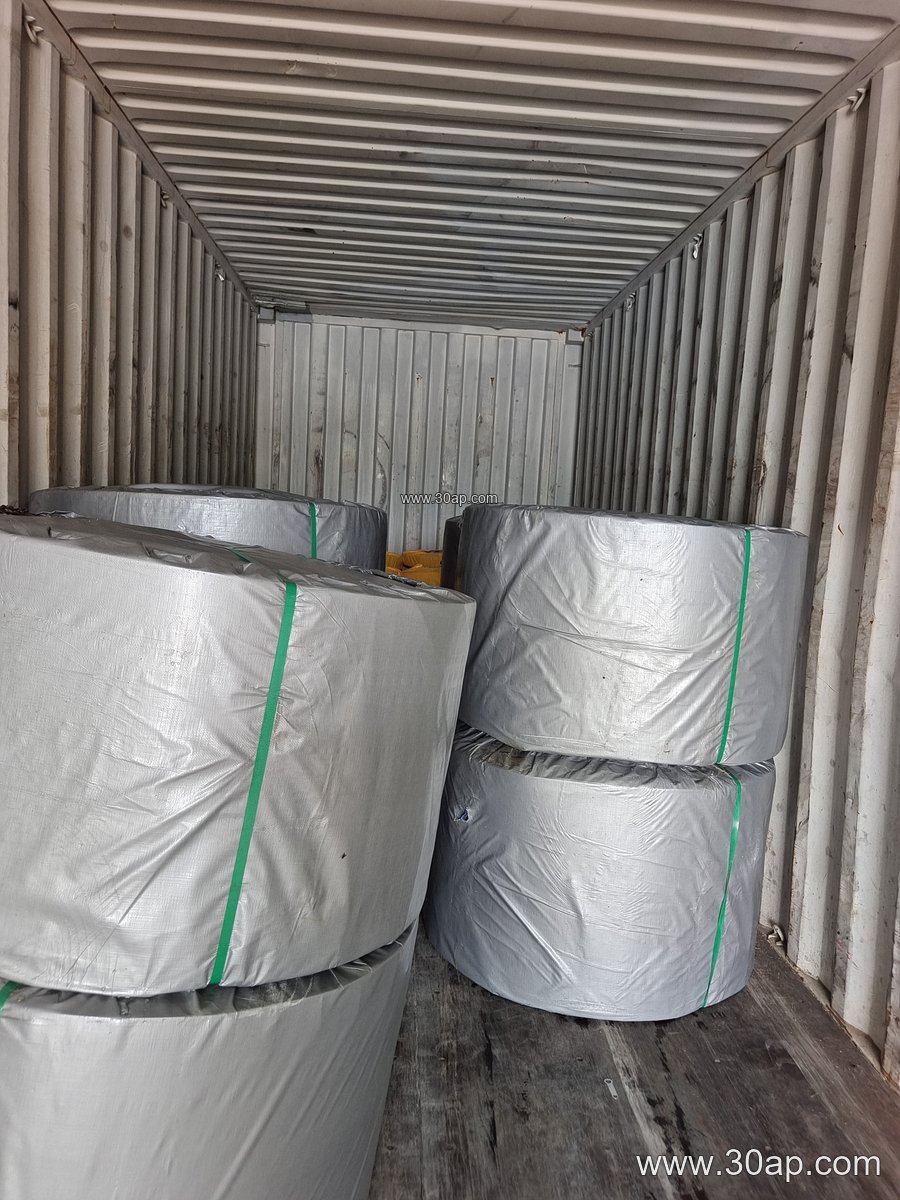
For comparison only, a standard general-purpose belt may be fine on light, non-abrasive cargo, but it will not give the same cover life on sharp rock or sinter. The abrasion resistant belt is the specialist choice for those duties.
Common Reference Data
The table below shows typical reference ranges, not a supply promise. Actual values depend on the manufacturer and the conveyor design.
| Parameter | Common reference |
|---|---|
| Belt width | B500, B650, B800, B1000, B1200, B1400, B1600, B1800, B2000 |
| Fabric core strength | EP200, EP315, EP400, EP500, EP630, EP800, EP1000, EP1250, EP1600, EP2000 |
| Cover thickness | 3+1.5, 4+2, 5+2, 6+2, 8+3 mm |
| Carcass plies | 2 to 6 plies in fabric-core designs |
| Steel cord grades | ST1000, ST1250, ST1600, ST2000 and higher, by design |
Width and pulley diameter are matched by conveyor design, not by a fixed rule. A 1200mm wide belt may run on different pulley sizes depending on tension and duty, so the pulley, idler roller and bracket layout should be checked as a system.
What a Buyer Should Check
- Confirm the material type, lump size and fall height, since impact and abrasion often occur together.
- Ask for the cover compound and cover thickness, not just the belt width.
- Match the carcass strength to the actual tension and take-up, especially on long or inclined routes.
- Check whether flame retardant, anti-static or heat resistance is also required for the site.
- Review the pulley and idler roller condition, because worn rollers accelerate belt cover wear.
- Keep spare belt and splicing materials for critical conveyors to avoid long stops.
Used well, an Abrasion Resistant Conveyor Belt protects the carcass, holds its cover longer and keeps bulk material moving in the toughest parts of a mine, quarry, cement plant or power station.