What a Conveyor Rubber Lagged Pulley Does
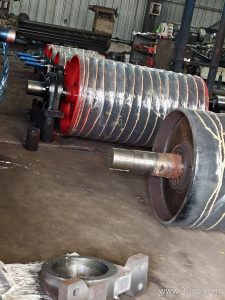
A conveyor rubber lagged pulley is a key component in belt conveyor systems, designed to maintain consistent contact between the pulley and the conveyor belt. The rubber lagging—a layer of rubber bonded to the pulley shell—increases friction, reduces belt slip, and protects the pulley from wear. This type of pulley is often used in drive, tail, and bend positions, but it is not interchangeable with other pulley types such as plain or ceramic-lagged pulleys. Its primary role is to improve traction and extend the service life of both the pulley and the belt.
Rubber lagging is available in various forms, including smooth, diamond, and herringbone patterns, each suited to different operating conditions. The thickness of the lagging can range from 8 mm to 20 mm, depending on the application and the required grip. For example, a 10 mm lagging might be sufficient for a moderate-duty conveyor in a sand and gravel plant, while a 15 mm or 20 mm lagging may be needed for a heavy-duty mining conveyor belt handling large lumps.
Construction and Key Features
The pulley body is typically made of welded steel, with a shaft sized according to torque and load requirements—common shaft diameters include Ø80, Ø100, Ø120, and Ø140 mm. The rubber lagging is applied either by hot vulcanization or cold bonding, with hot vulcanization providing a stronger bond for high-stress applications. The pulley face width is usually slightly wider than the belt width; for instance, a B800 belt might use a pulley face of about 950 mm, while a B1200 belt could use a 1400 mm face. Diameters commonly range from Ø200 to Ø1800 mm, and the selection depends on belt speed, tension, and the desired wrap angle.
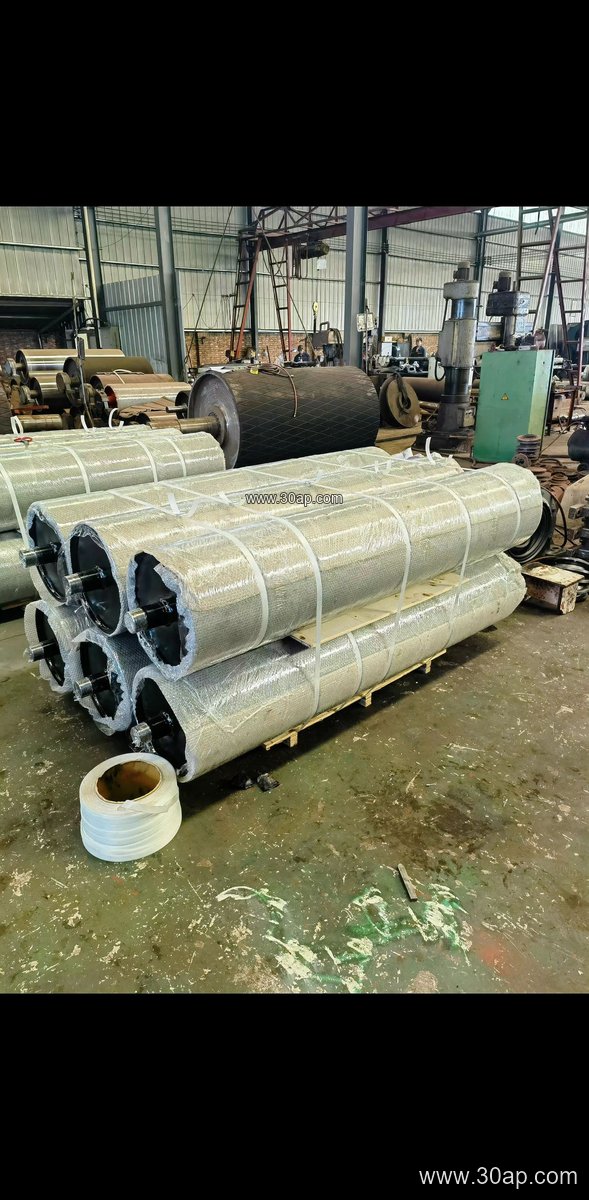
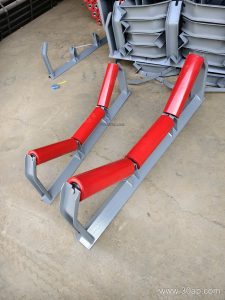
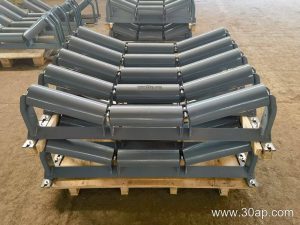
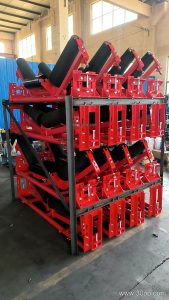
Rubber lagged pulleys are often paired with conveyor idler rollers and conveyor brackets to ensure proper belt alignment and support. In industries such as cement plants, power plant coal handling, and iron ore mining, these pulleys help maintain efficient operation even in dusty and abrasive environments. The lagging also contributes to noise reduction and absorbs some of the impact from the belt, which is beneficial when transporting bulk materials like clinker or crushed stone.
Where It Fits in the Conveyor System
The conveyor rubber lagged pulley is most commonly found in the drive position, where it transmits power to the belt. It can also be used as a tail pulley to improve belt tracking and reduce material buildup, or as a bend pulley to change the belt direction. However, a drive pulley and a tail pulley serve different functions and are not interchangeable; the rubber lagging is selected based on the specific role. For instance, a drive pulley may require a diamond pattern for higher friction, while a tail pulley might use a smooth lagging to prevent material accumulation.
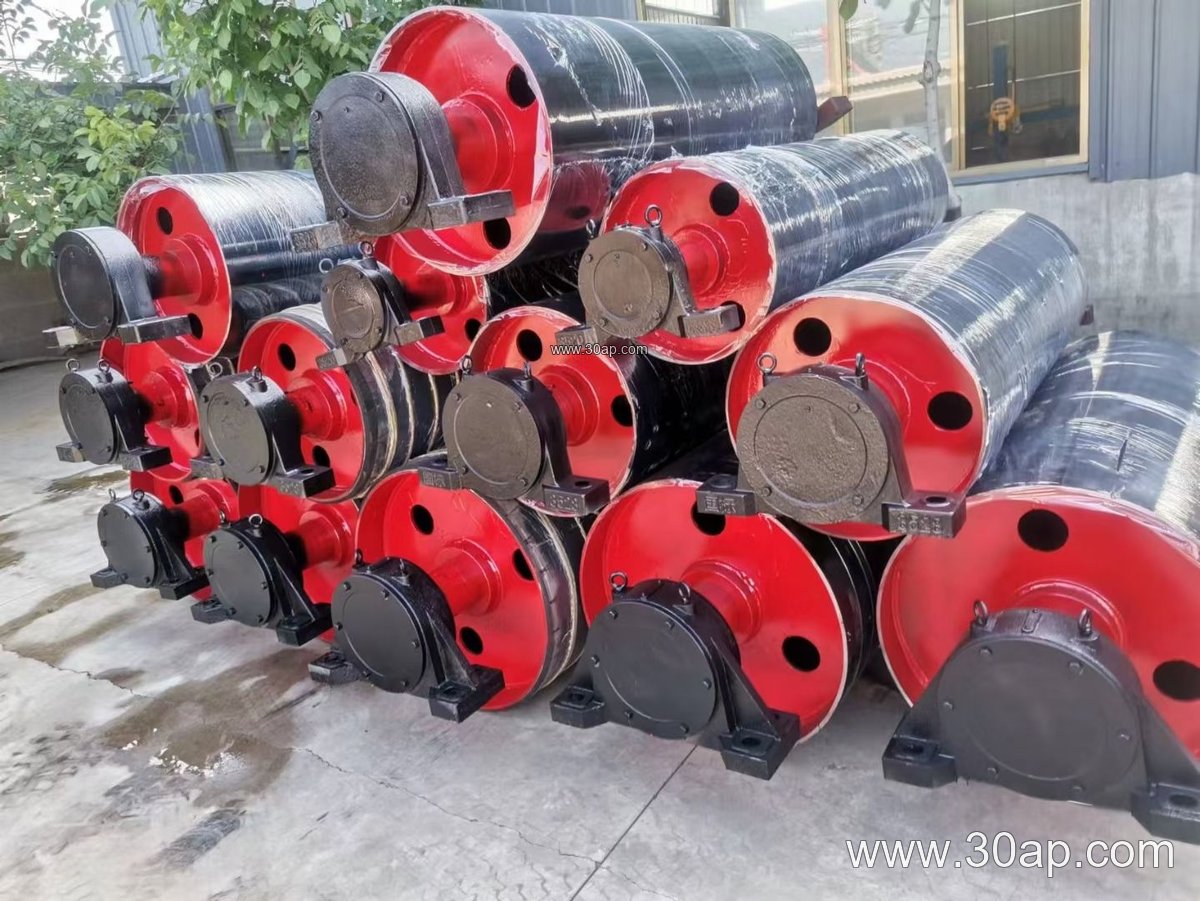
In a typical aggregate conveyor belt system, the rubber lagged pulley works alongside a heavy-duty conveyor belt, such as an EP conveyor belt or a steel cord conveyor belt, to ensure smooth transfer of materials. The pulley’s lagging helps prevent slippage, which is especially important when the belt is exposed to wet or oily conditions. In coal mining operations, flame retardant conveyor belts are often used, and the rubber lagging must be compatible with the belt’s properties to avoid static buildup.
Selection and Maintenance Tips
When choosing a conveyor rubber lagged pulley, consider the belt width, the required traction, and the environmental conditions. For a B650 belt in a limestone quarry, a pulley with a diameter of Ø400 mm and a face width of about 750 mm might be appropriate, but the final choice should be based on the conveyor design. Lagging thickness should match the load: 8–10 mm for light to medium duty, 12–15 mm for heavy duty, and 20 mm for extreme conditions. Always verify that the pulley shaft diameter is calculated from the actual torque and radial load, not simply from the belt width.
Regular inspection of the lagging is important. Look for signs of wear, cuts, or separation from the pulley shell. Worn lagging can lead to belt slip, increased energy consumption, and premature belt damage. In dusty environments like a cement plant or a coal handling facility, clean the pulley regularly to prevent material buildup that can affect belt tracking. Using a rubber lagged pulley in conjunction with proper conveyor maintenance—including checking idler rollers and brackets—will maximize the service life of the entire system.