What a High-Strength Conveyor Idler Is
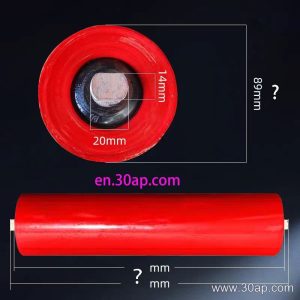
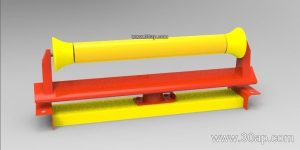
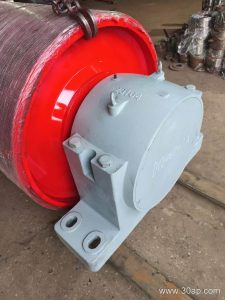
A high-strength conveyor idler is a load-bearing roller built to carry heavy belts and abrasive bulk materials without premature wear. In a typical conveyor, these idlers support the conveyor belt on the carrying side or guide it on the return run. While a drive pulley, tail pulley, or bend pulley transmits motion or changes belt direction, the idler roller simply rotates under the belt and absorbs impact and weight. That distinction matters when selecting components for a quarry conveyor belt or a coal mining conveyor belt line.
High-strength versions usually combine a thicker roller shell, reinforced bearing housing, and heavy-duty bearing arrangement. They are common in primary crushing circuits, stockyard conveyors, and transfer points where a standard idler might deform or seize.
Construction Details That Affect Durability
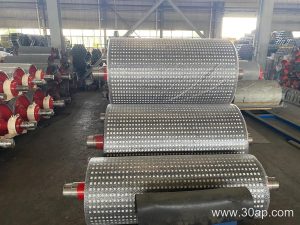
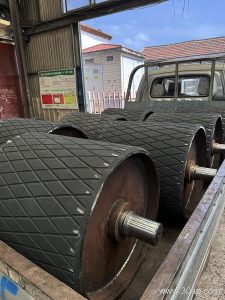
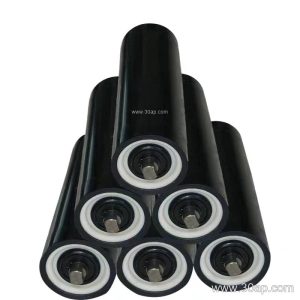
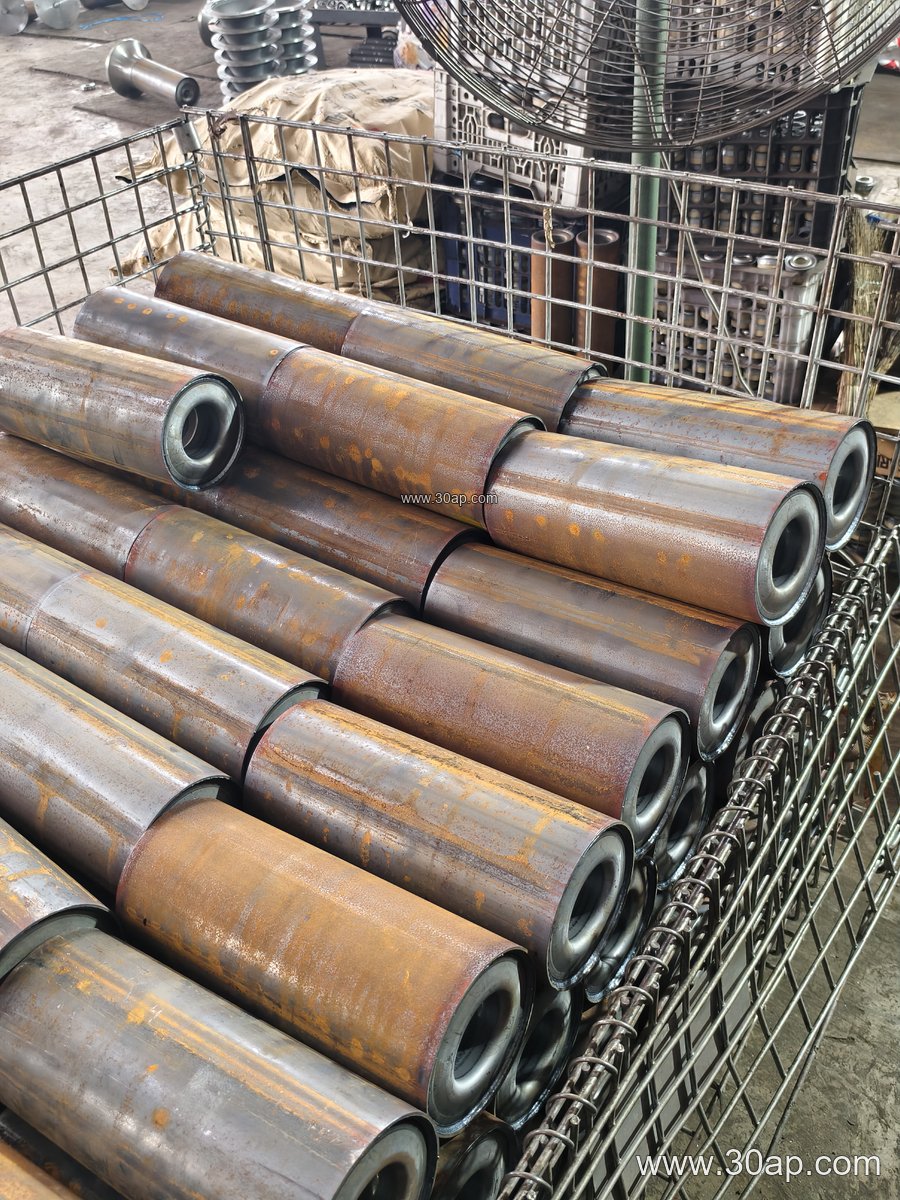
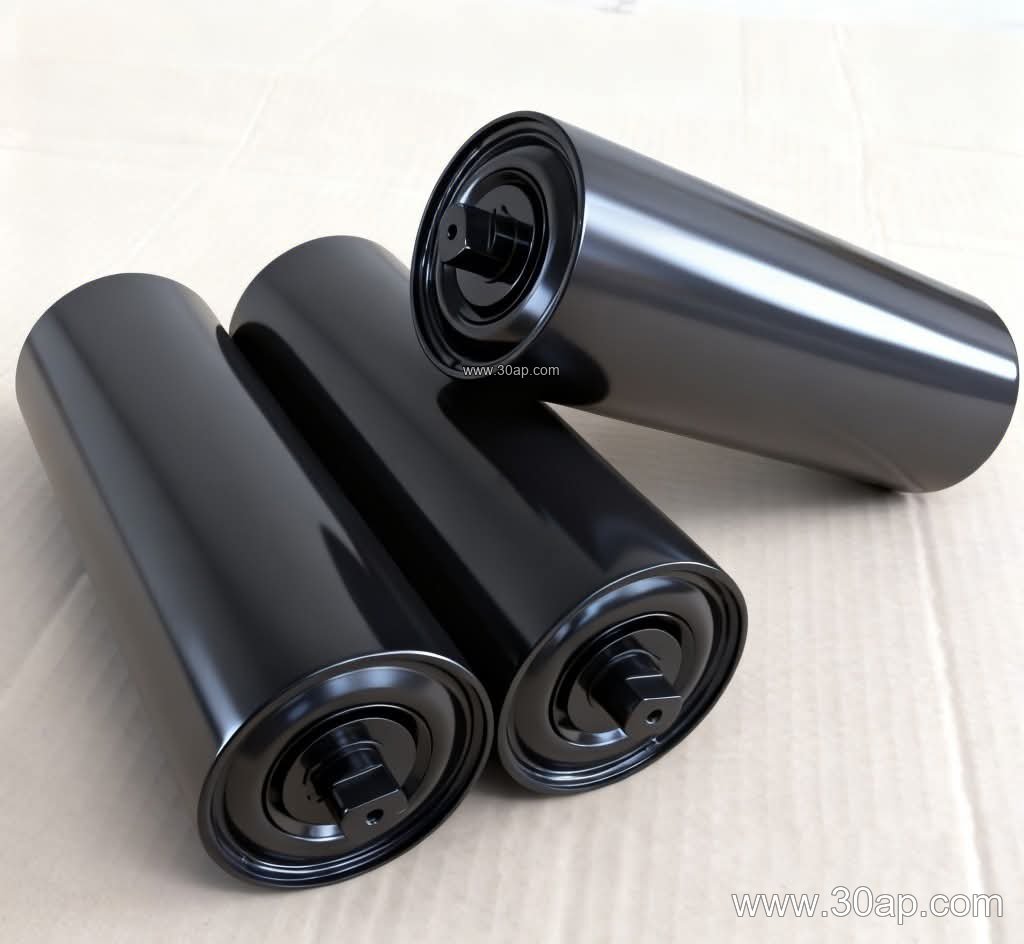
The roller body is often a steel tube with machined ends. For abrasive service, rubber discs or ceramic lagging can be added to reduce belt slip and wear. Bearing selection is critical; common sizes include 6205, 6305, 6308, and 6310, but the bearing must match the calculated load and shaft design rather than a fixed rule. Seals protect against dust and water, which is especially important in cement plants and power plant coal handling.
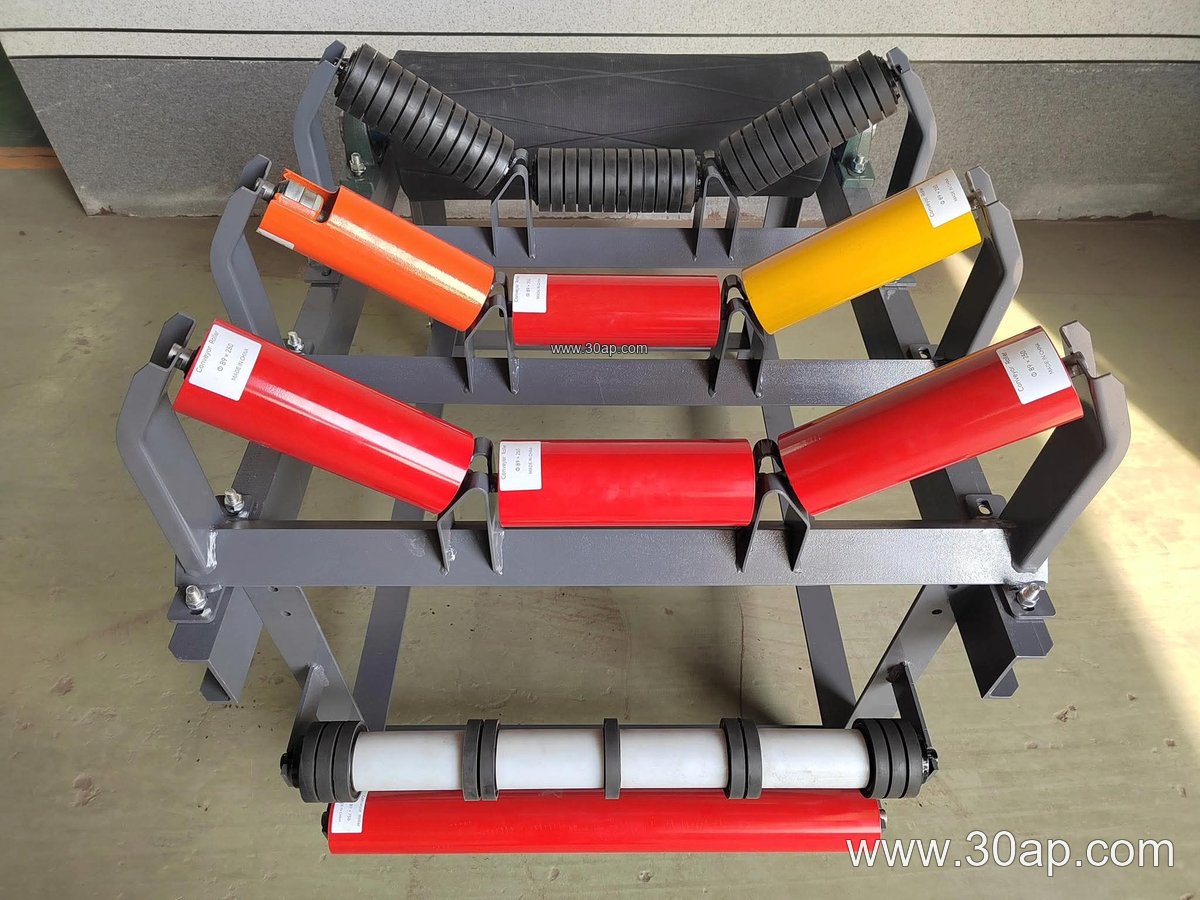
Below are typical reference dimensions for three-roll troughing idlers. These are examples only and should be confirmed by the conveyor designer.
| Belt Width | Common Roller Length (approx.) | Typical Roller Diameter Range |
|---|---|---|
| B500 | 200 mm | Ø63–Ø89 |
| B650 | 250 mm | Ø76–Ø108 |
| B800 | 315 mm | Ø89–Ø133 |
| B1000 | 380 mm | Ø102–Ø159 |
| B1200 | 465 mm | Ø108–Ø178 |
| B1400 | 530 mm | Ø127–Ø194 |
| B1600 | 600 mm | Ø133–Ø219 |
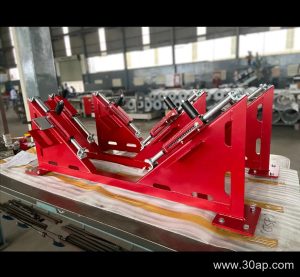
Trough angles of 20, 30, 35, and 45 degrees are common. A small forward tilt of about 1.5 to 2 degrees is sometimes used on training idlers to help center the belt.
Where High-Strength Idlers Fit
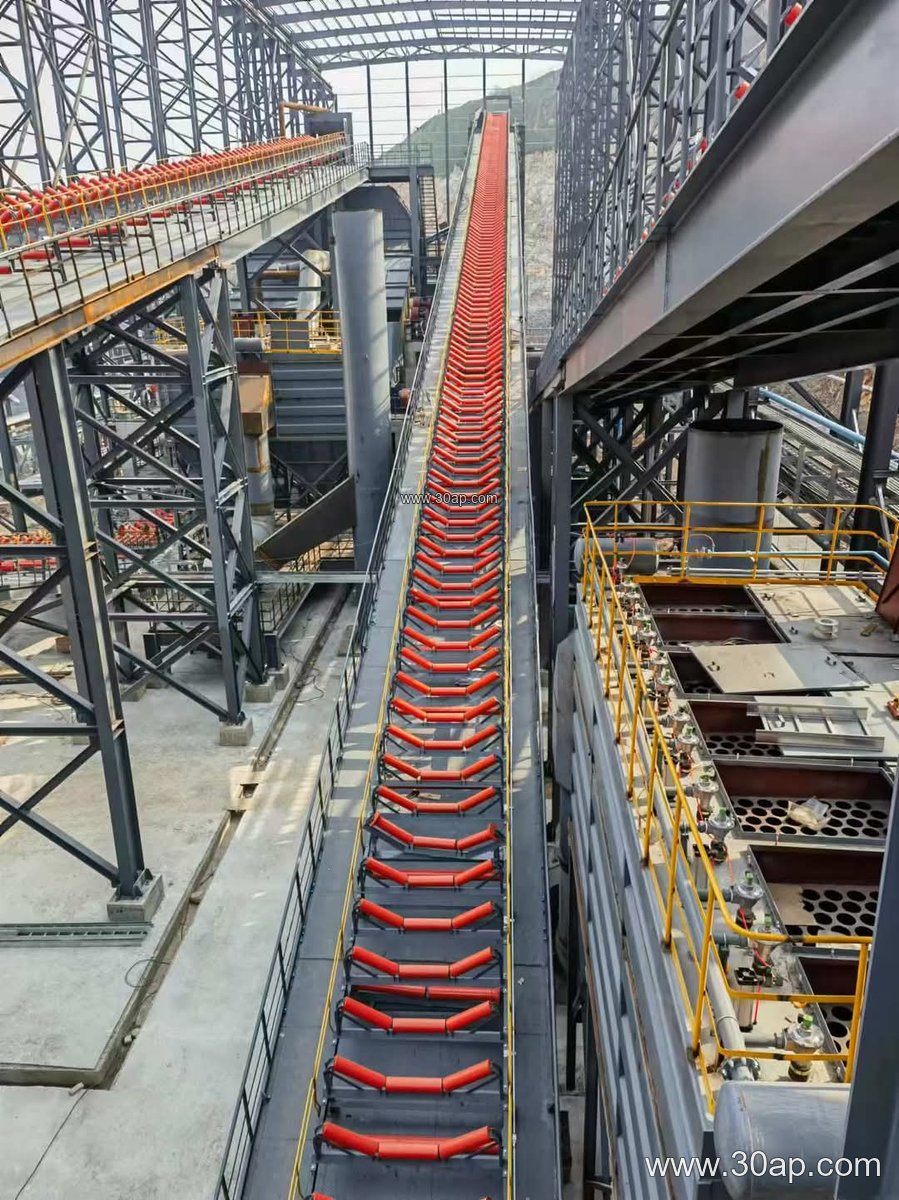
These rollers are often specified for impact zones under a crusher conveyor belt, for long overland lines carrying iron ore or copper ore, and for wash plants where wet, gritty material attacks standard rollers. In a sand and aggregate line, a high-strength idler at the feed point can outlast a lighter roller. They are also used on the return side in the form of V-return or flat return idlers, though the carrying idler remains the main subject here.
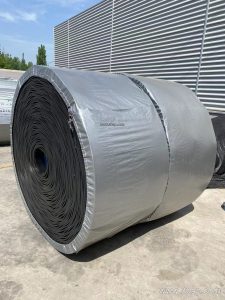
When paired with a heavy-duty conveyor belt such as an EP200 or steel cord conveyor belt, the idler frame and roller must be matched to the belt width and load. A 1200mm wide conveyor belt does not automatically dictate a single shaft size; the design engineer sets the shaft based on load, span, and safety factor.
Buyer Checklist
- Confirm belt width, trough angle, and idler group type (single, two-roll, or three-roll).
- Check the actual load per idler and select bearing size accordingly.
- Ask about seal type and roller surface—steel, nylon, rubber disc, or ceramic.
- Verify mounting dimensions against the conveyor bracket and frame.
- For abrasive or wet service, consider a high-strength idler with reinforced seals.
Matching idlers with the right conveyor belt and pulley set is a system decision. A flame retardant conveyor belt in an underground coal mine may need different idler friction behavior than an abrasion resistant conveyor belt in a quarry. Buyers should request dimensional drawings and load ratings rather than relying on a single size chart.
For more information on conveyor components, visit conveyor idler and conveyor belt resources.