What a V-Type Idler Bracket Does on a Conveyor
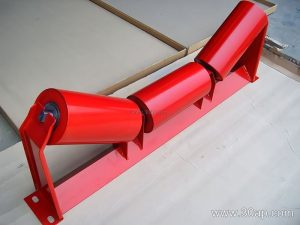
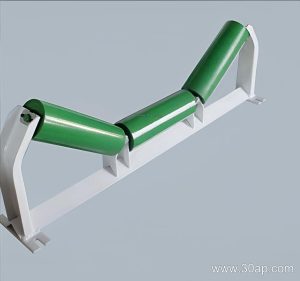
A V-Type Idler Bracket is a steel support assembly that holds two idler rollers in a V shape beneath the return strand of a conveyor belt. Unlike a flat return bracket that carries the belt on a single horizontal roller, this bracket positions the rollers at an angle so the belt forms a shallow trough. The arrangement helps the belt track straighter on the return run and encourages any loose material to fall away before it reaches the tail pulley. In a quarry or a sand and gravel line, that small detail can reduce buildup on the return rollers and extend the life of the belt itself.
The bracket is often called a V-return idler bracket or a V-shaped return support frame. Those names describe the same product. It should not be confused with troughing brackets used on the carrying side, which hold three rollers at a larger trough angle.
How the Bracket Is Built
Most V-Type Idler Brackets are fabricated from angle steel, channel steel, or bent steel plate. The two arms are welded to a central base or crossbeam, and each arm carries a mounting slot or hole for the idler shaft. The angle between the arms is fixed on a standard bracket, while an adjustable version allows the V angle to be set within a range to suit different belt widths and loading conditions.
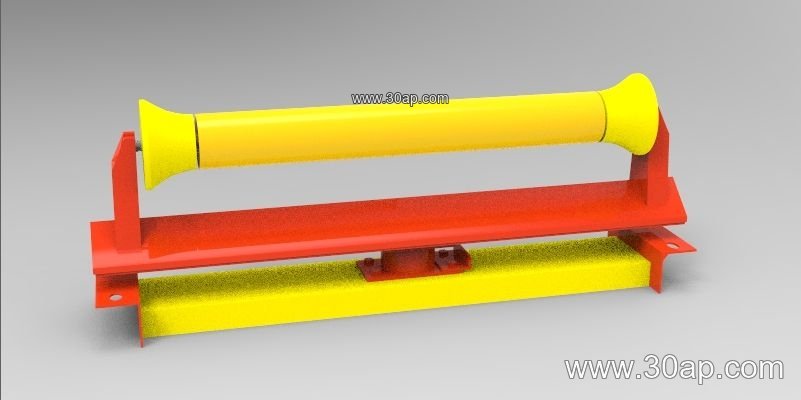
Common construction details include:
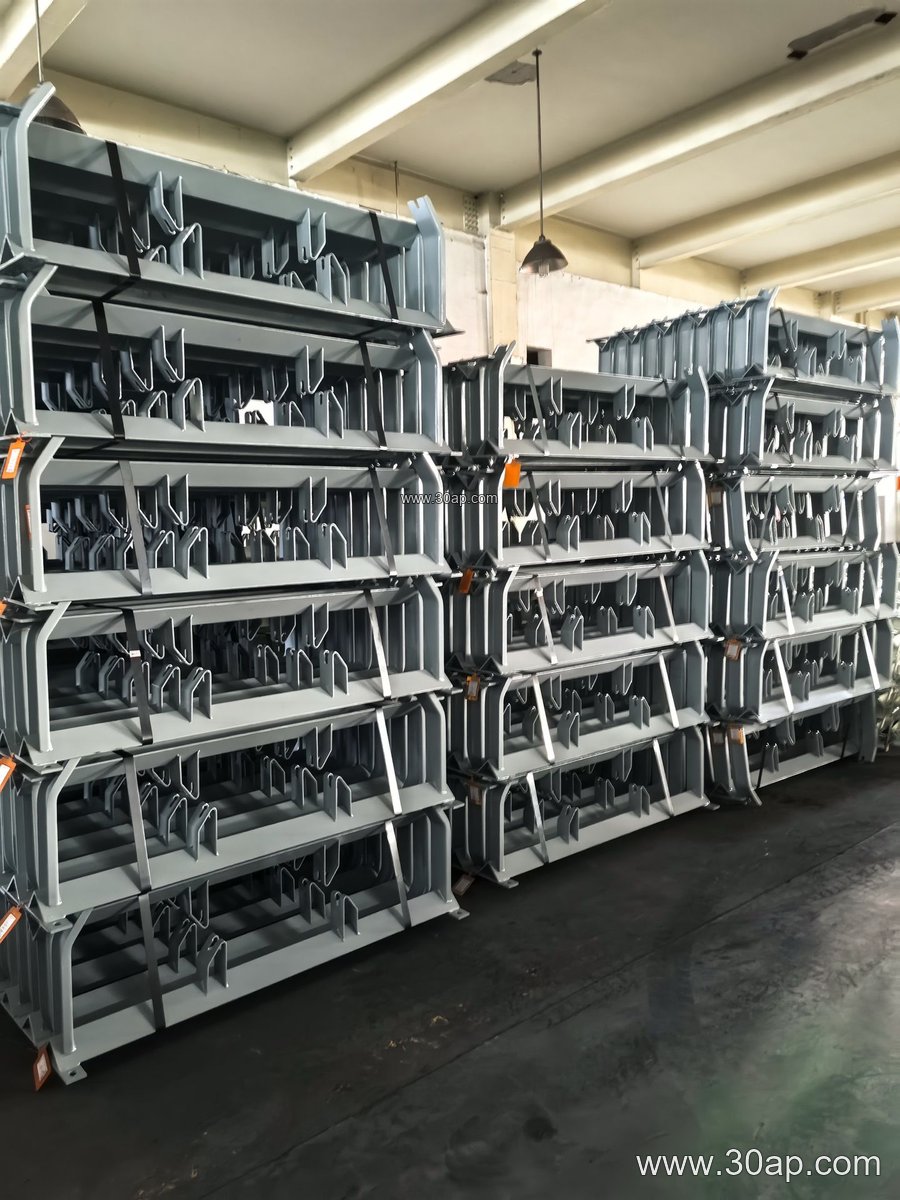
- Welded angle or channel frame with two inclined roller seats
- Slotted mounting holes to allow minor alignment adjustment during installation
- Bolted or welded connection to the conveyor stringer or crossbeam
- Galvanized or painted finish for dusty and damp environments
The roller diameter and bracket length are selected together with the belt width and the load carried. A bracket for a B800 belt with Ø108 rollers is a different assembly from one built for a B1400 belt with Ø133 rollers, and the mounting hole spacing usually changes with the belt width and the V angle.
Where It Fits in the Conveyor Line
The bracket is installed on the return side, usually between the head pulley and the tail pulley, spaced at intervals along the return strand. In a coal handling system or a power plant coal yard, V-return brackets are often placed at closer intervals near the loading point where the belt is more likely to wander. In a cement plant or a limestone crushing circuit, they help keep the return belt centered under dusty conditions.
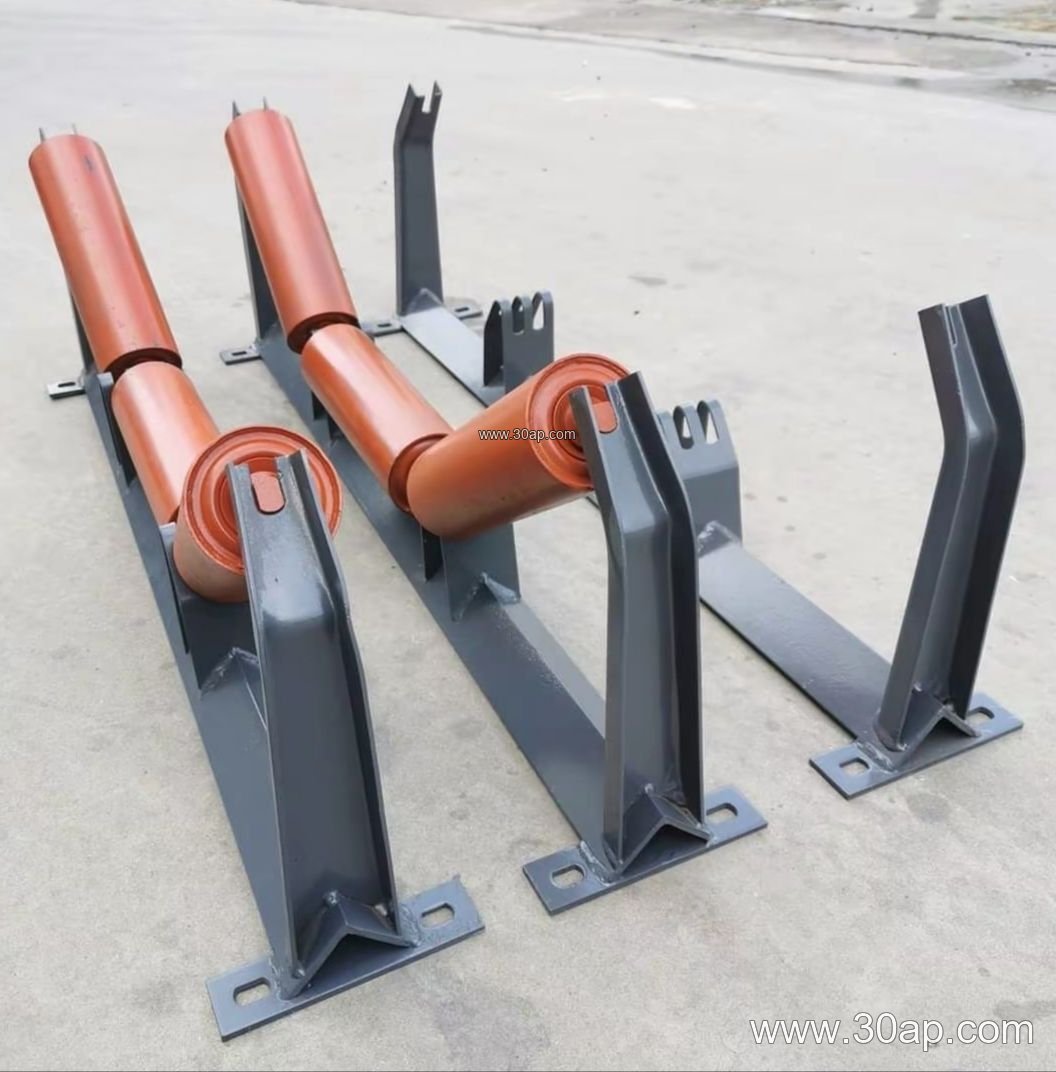
The bracket works together with the conveyor belt, the idler roller, the conveyor pulley, and the conveyor bracket system as a whole. A well-aligned V-return set reduces edge wear on an abrasion resistant conveyor belt and lowers the chance of material being trapped between the belt and a roller. On a long overland run carrying iron ore or copper ore, correct spacing of these brackets also helps control belt sag on the return side.
Common Reference Dimensions
The values below are typical reference ranges, not fixed rules. Final dimensions depend on the conveyor design, the belt width, and the idler selected.
| Parameter | Common Reference Range | Notes |
|---|---|---|
| Belt width | B500 to B2200 | Bracket length follows belt width |
| V angle | Usually 10 to 20 degrees per side | Adjustable versions allow field setting |
| Idler diameter | Ø89, Ø108, Ø133, Ø159, Ø194 | Matched to load and belt speed |
| Frame material | Angle steel, channel steel, bent plate | Selected by duty and environment |
| Mounting | Bolted to stringer or crossbeam | Slotted holes for alignment |
For example, a B650 return run with Ø89 rollers and a modest V angle is common on smaller aggregate conveyors, while a B1200 belt carrying heavy ore may use Ø133 or Ø159 rollers with a sturdier frame. A bracket for a 1200mm wide conveyor belt is not automatically suitable for a 2000mm belt simply because the roller diameter matches.
Buyer Checklist Before Ordering
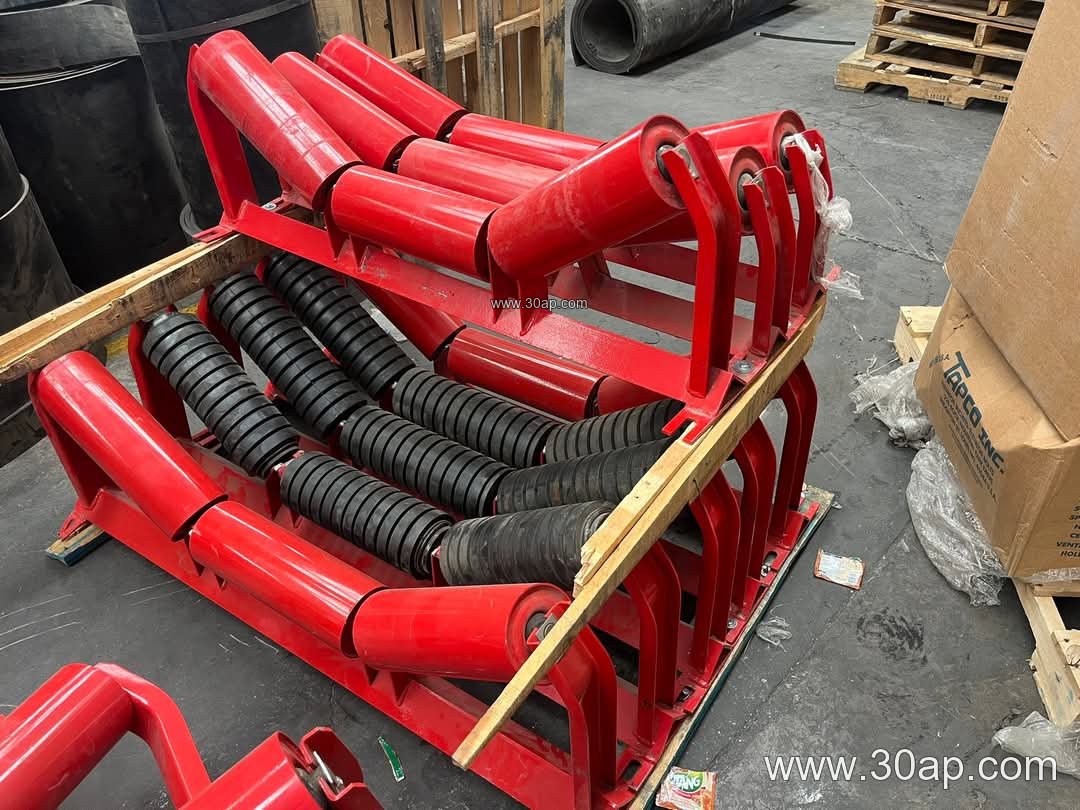
Before selecting a V-Type Idler Bracket, confirm the belt width, the return idler diameter, the shaft end type, and the mounting hole spacing on the existing conveyor frame. Check whether a fixed or adjustable V angle is needed. For a retrofit in a stone crushing plant or a fertilizer handling line, measure the existing crossbeam and note the bolt pattern so the new bracket fits without field drilling.
Also consider the working environment. A washdown area or a coastal port may call for a galvanized finish, while a dry cement plant may need a design that sheds dust easily. The bracket should be matched with the right idler roller and, where relevant, with a compatible conveyor pulley at the drive and tail positions. Drive, tail, and bend pulleys each serve different roles and should not be treated as interchangeable when planning the return side layout.
Finally, keep spare brackets and rollers on hand for high-wear sections. A worn V-return bracket can cause the belt to rub and shorten the life of an otherwise sound conveyor belt, so periodic inspection of the bracket, the roller seats, and the mounting bolts is a simple way to protect the whole conveyor system.