What a PVC Mining Conveyor Belt Is
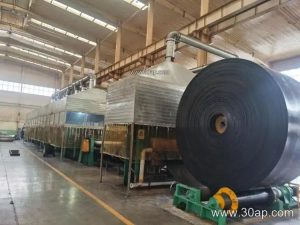
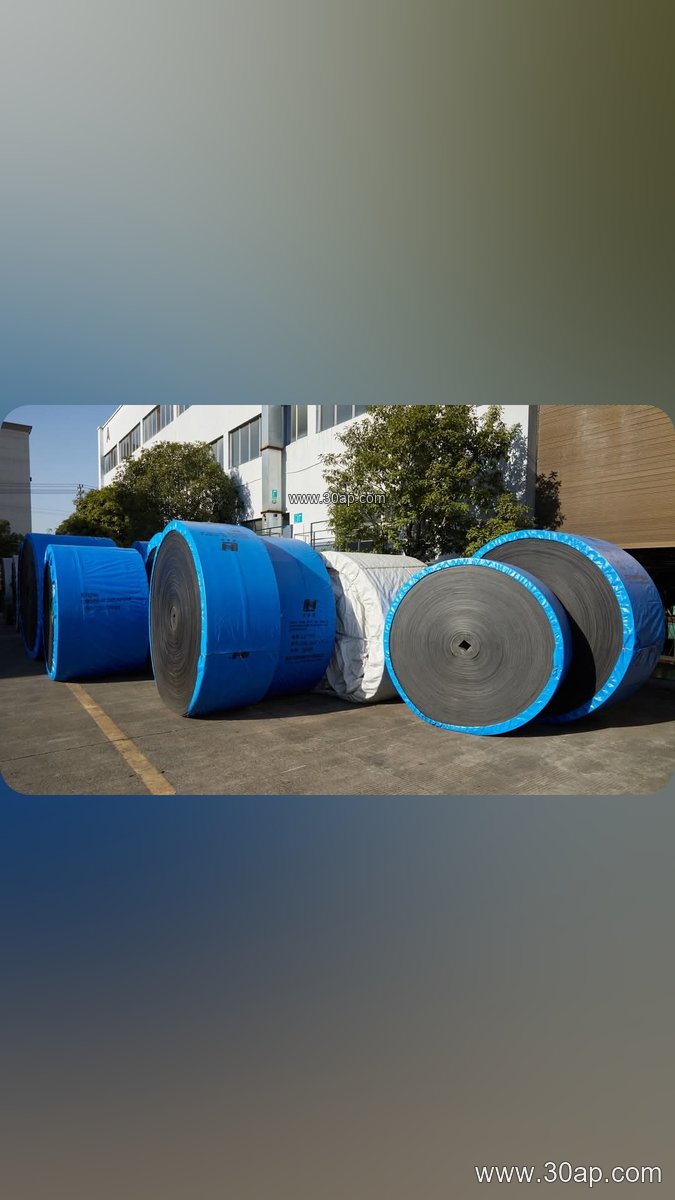
A PVC Mining Conveyor Belt is a solid-woven fabric belt whose cover and carcass are impregnated and coated with polyvinyl chloride. It is a lightweight to medium-duty belt built for continuous haulage of bulk materials in mines, quarries, cement plants, power stations, and sand and gravel yards. Because the PVC compound seals the fabric, the belt resists moisture, mildew, and many mild chemicals, which makes it a practical choice for dirty and damp working conditions. In the trade it is often simply called a PVC conveyor belt, and it is closely related to the PVG conveyor belt, which uses a blended PVC and rubber cover for higher friction and heavier duty.
The product belongs to the fabric core conveyor belt family. Where a buyer needs much higher tension, an EP conveyor belt or a steel cord conveyor belt may be the better match, but those are different constructions and should not be treated as direct substitutes for a PVC belt.
How the Belt Is Constructed
The carcass is normally a solid-woven cotton or synthetic fabric, dipped and plastisol-coated so the PVC penetrates the weave. The cover is a PVC layer that can be formulated for different duties. Common cover combinations include 3+1.5 mm, 4+2 mm, 5+2 mm, 6+2 mm, and 8+3 mm, with the first figure being the top cover and the second the bottom cover. Carcass construction usually runs from 2 to 6 plies depending on the required strength.
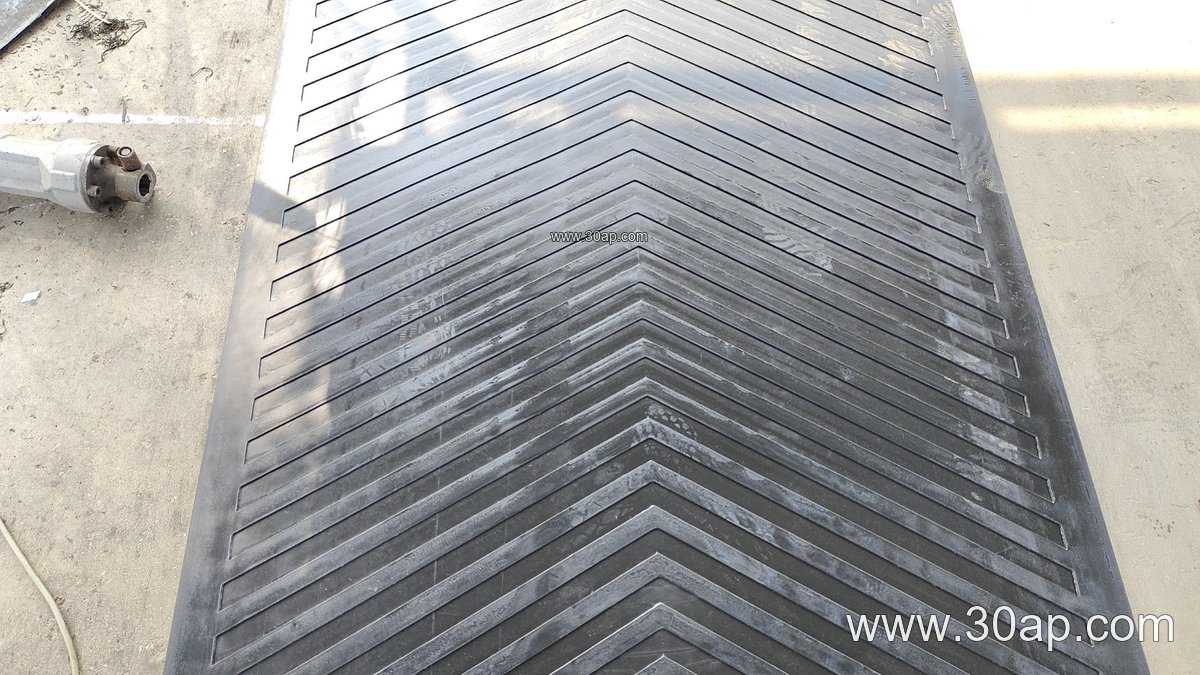
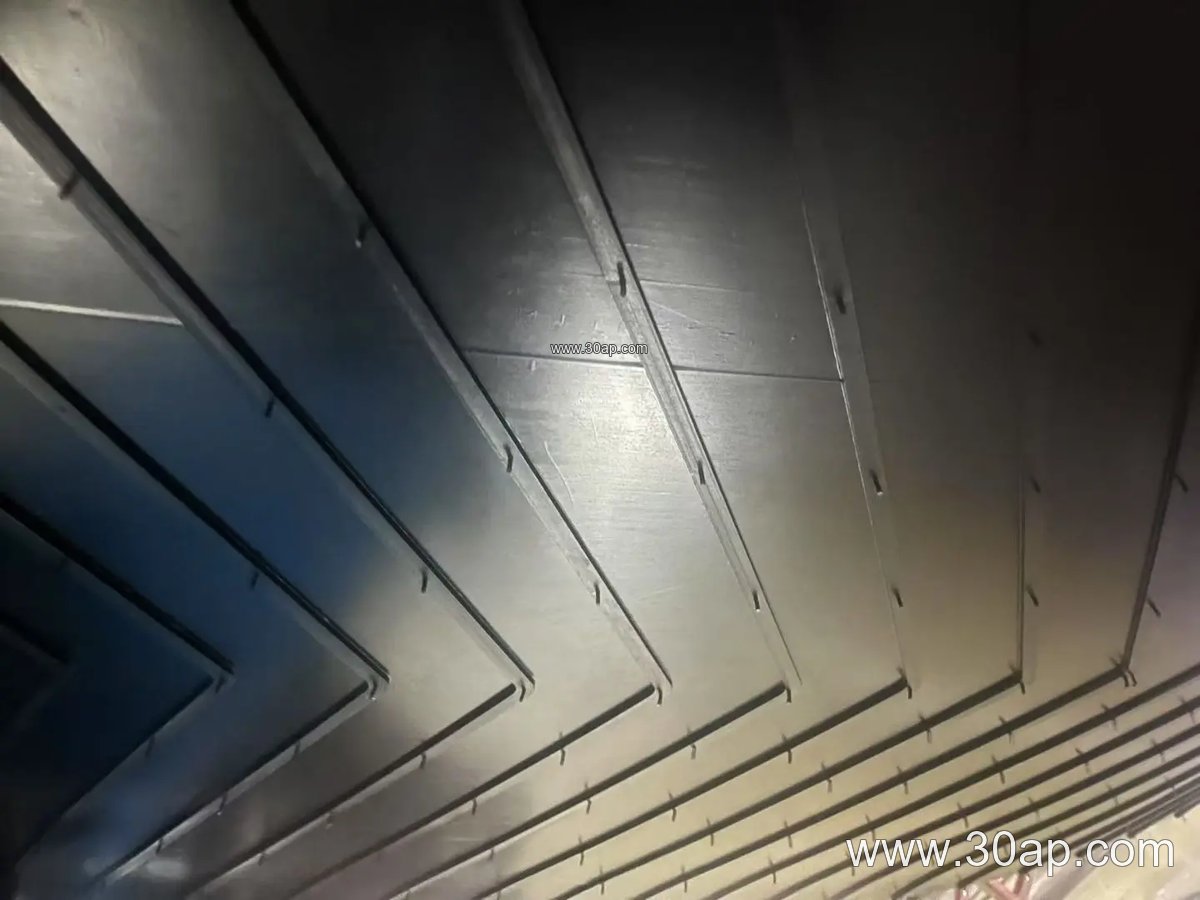
Surface forms matter as much as the compound. A smooth cover suits general conveying, while a Chevron conveyor belt profile improves grip on inclines. Where material must be contained, a corrugated sidewall conveyor belt or a skirted conveyor belt keeps the load on the belt rather than spilling at the edges. These are variations of the same product family, not replacements for the base belt.
Typical Working Conditions
These belts are common in underground coal mining conveyor systems, coal preparation plants, cement kilns and clinker lines, power plant coal yards, and quarry and aggregate operations feeding crushers and screens. They also appear in fertilizer and chemical handling where mild acid or alkali exposure is expected.
Because PVC can be formulated for special service, users also specify flame retardant conveyor belt and anti-static conveyor belt versions for underground and dusty environments, and oil resistant or cold resistant grades for particular climates and cargoes. A heat resistant conveyor belt is usually a different compound, so hot clinker or sinter should not be handled on a standard PVC belt without confirming the cover rating.
Common Widths and Reference Data
Belt width is selected from the conveyor design, the lump size, and the required capacity. The values below are reference ranges, not fixed supply promises; each project should be confirmed with the belt maker and the conveyor designer.
| Parameter | Common Reference Values |
|---|---|
| Belt width | B500, B650, B800, B1000, B1200, B1400, B1600, B1800, B2000 mm |
| Cover thickness | 3+1.5, 4+2, 5+2, 6+2, 8+3 mm |
| Carcass plies | 2 to 6 plies, typical |
| Related grade | PVG800, PVG800S for higher-friction service |
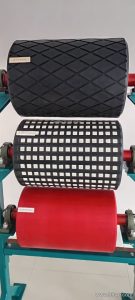
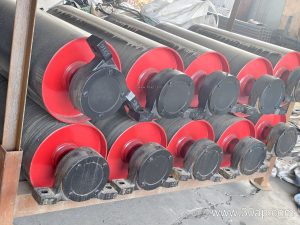
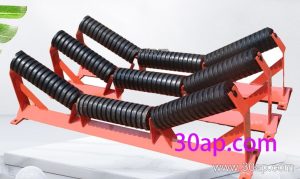
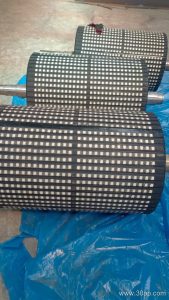
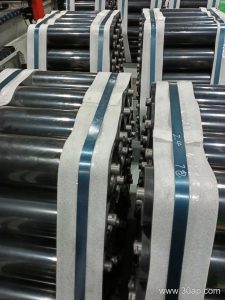
Width and pulley diameter are matched by the conveyor designer, not by a single rule. A wider belt does not automatically dictate one shaft size, and pulley selection depends on tension, wrap angle, and the drive, tail, and bend pulley arrangement. The idler roller spacing and conveyor bracket layout also follow the loaded belt sag and the material weight.
Selection Points for Buyers
- Confirm the material type, lump size, moisture, and temperature before choosing the cover compound.
- Check whether flame retardant and anti-static properties are required for underground or dusty service.
- Match the cover thickness to abrasion severity; a high abrasion resistant conveyor belt grade lasts longer on sharp rock and ore.
- Consider a Chevron or sidewall profile only when the incline or edge spill actually requires it.
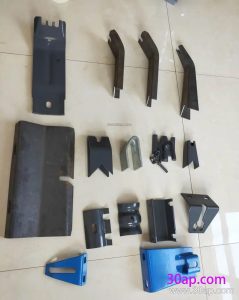
- Review the pulley, idler roller, and bracket specification together with the belt so the whole conveyor is consistent.
- Ask for the endless conveyor belt option if splice-free running is preferred for a fixed installation.
Installation and Maintenance Notes
Store belts away from direct sunlight and sharp edges, and keep them dry before splicing. During operation, check tracking, cover wear, and edge damage regularly. Worn idler rollers and misaligned conveyor pulleys are common causes of premature belt failure, so maintenance of the conveyor frame and rollers protects the belt investment. Keep the belt clean and avoid overloading beyond the design capacity.
For a reliable quotation, provide the belt width, cover thickness, carcass plies, required flame or anti-static grade, and the conveyor layout. A well-specified PVC Mining Conveyor Belt, matched to its pulleys, idlers, and brackets, delivers steady bulk material handling in demanding mine and plant environments.