What a 1000mm Diameter Conveyor Pulley Is
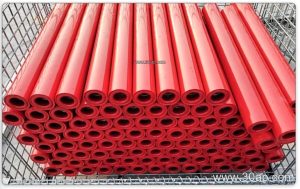
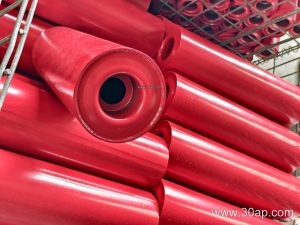
A 1000mm diameter conveyor pulley is a large-diameter drum used at the head, tail, or tensioning point of a bulk handling conveyor. With a nominal diameter of Ø1000, it is sized for high belt tensions and long center distances rather than for small package lines. In a quarry, a limestone mine, or a power plant coal yard, this pulley often works as the drive or head pulley, transmitting torque into a heavy-duty conveyor belt while setting the belt path at the discharge end.
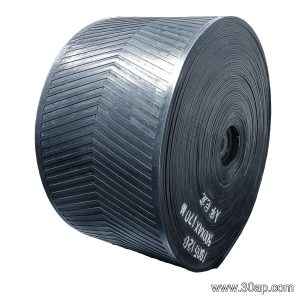
Because the drum is large, the belt bends over it with a gentler curvature than it would over a smaller drum. That matters when the belt is a steel cord conveyor belt, a thick multi-ply fabric core belt, or an abrasion resistant conveyor belt carrying sharp rock. For more background on matching drums to belts, see industrialconveyorparts.com conveyor pulley references.
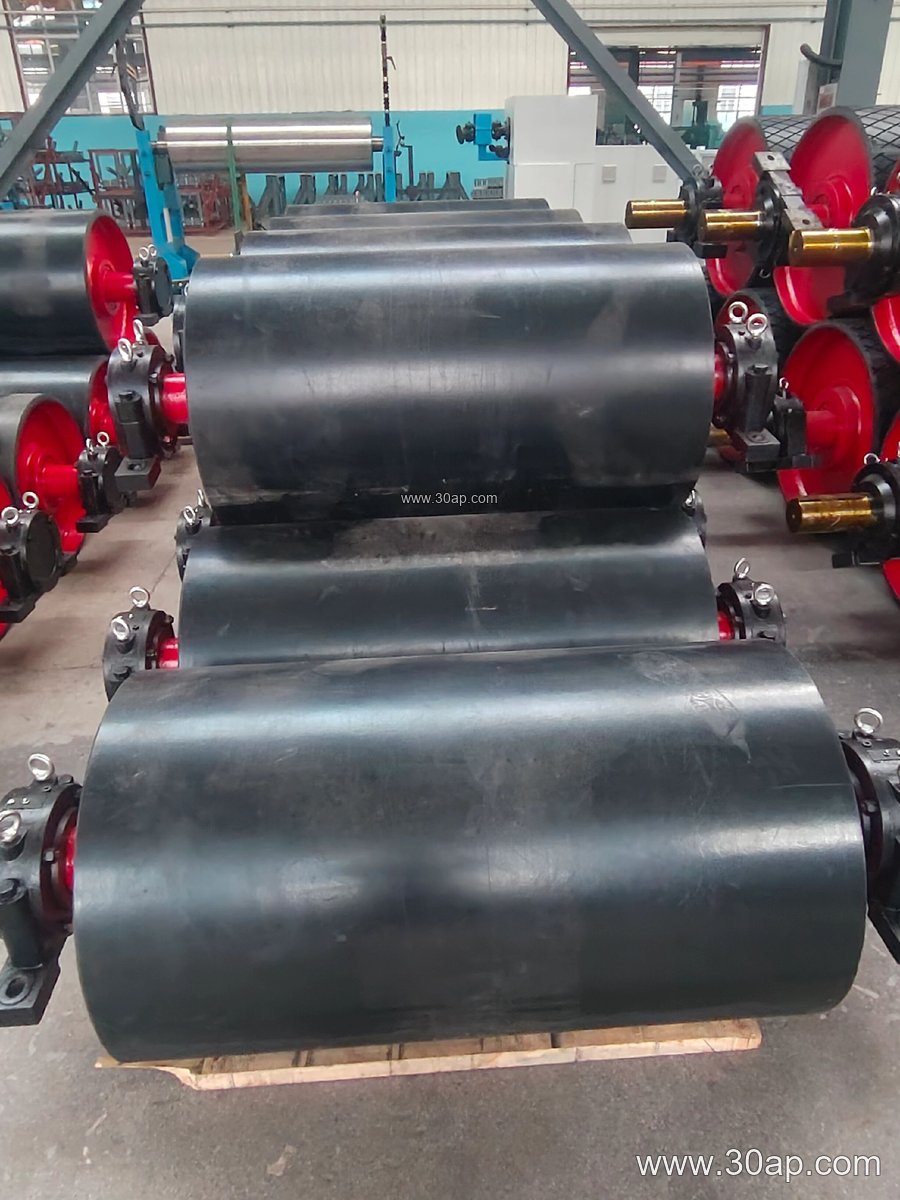
How the Drum Is Built
The core is usually a welded steel shell with end discs, a hub, and a shaft. Shell thickness, disc thickness, and shaft diameter are determined by torque and radial load, not by belt width alone. A B1000 or B1200 conveyor may use a Ø1000 drum, but the shaft could be Ø160, Ø180, or larger depending on the drive arrangement and bearing span. The pulley face width is normally wider than the belt; for example, a B1000 belt commonly runs on a face of about 1150 mm, while a B1200 belt may use about 1400 mm.
- Shell and end discs welded and machined for concentricity
- Shaft sized by torque, bending load, and bearing selection
- Lagging applied as plain rubber, diamond grooved, or ceramic tile
- Bearing housings and conveyor bracket interfaces matched to the frame
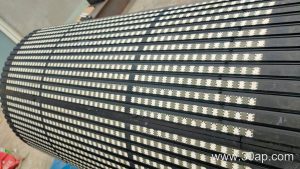
Lagging thickness is often 8, 10, 12, 15, or 20 mm. Diamond or herringbone patterns improve grip in wet conditions, while ceramic lagging suits abrasive service. A 1000mm diameter conveyor pulley with hot-vulcanized rubber lagging is a common choice where slip and wear are both concerns.
Where It Fits in the Conveyor
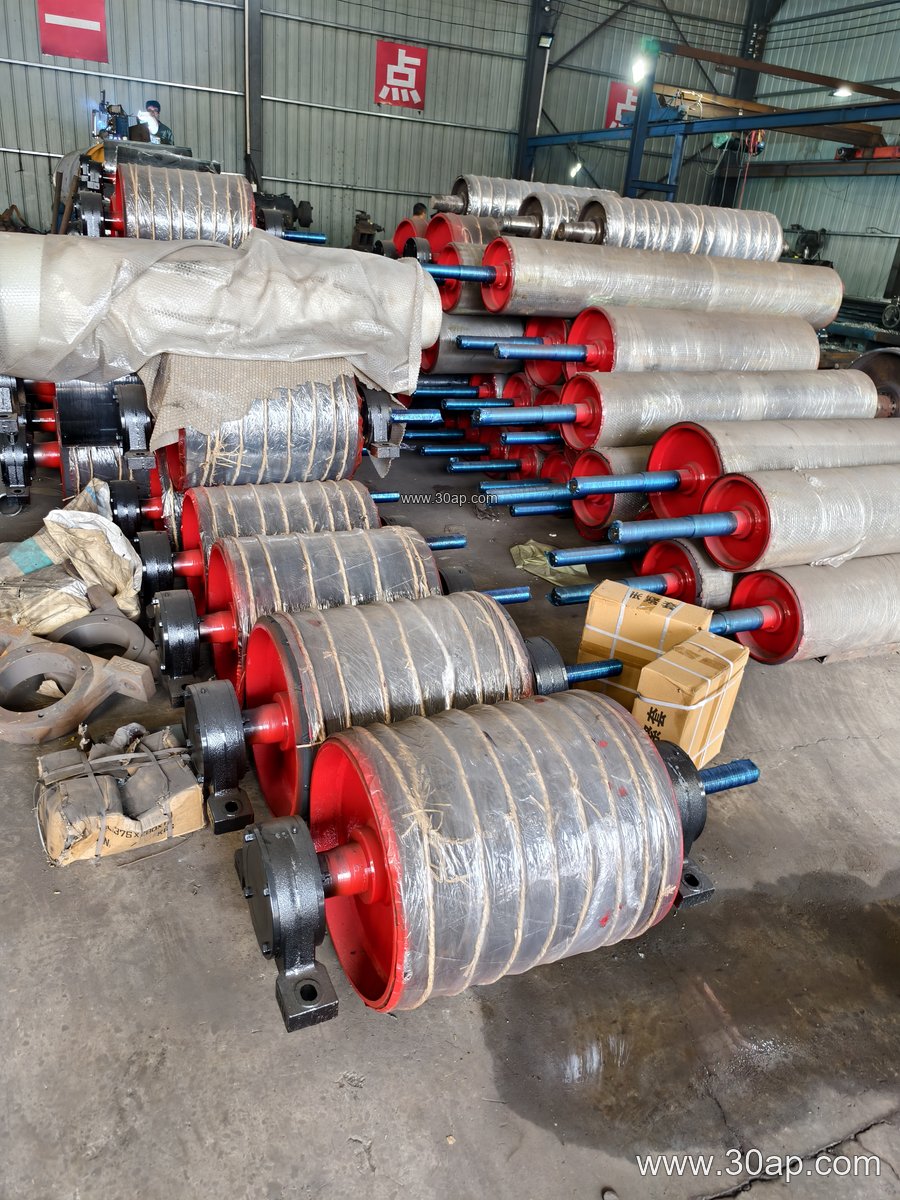
This drum size appears most often in primary crushing circuits, overland conveyors, and ship loading systems. In a copper ore or iron ore line, a Ø1000 head pulley may drive a steel cord conveyor belt at the transfer tower. In a coal mining conveyor, a flame retardant conveyor belt may run over the same diameter drum at the drift or the main incline. The pulley is not interchangeable with a bend pulley or a tail pulley; each position has its own wrap angle, load direction, and lagging requirement. A bend pulley is smaller and redirects the belt, while the drive pulley carries the main torque.
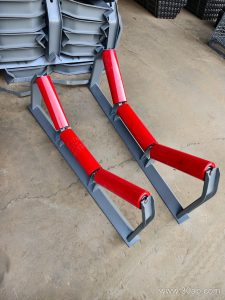
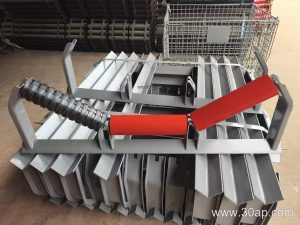
Related components such as the idler roller, conveyor bracket, and take-up frame must be selected together with the drum. A heavy-duty mining conveyor belt running over a Ø1000 pulley needs a support structure that can absorb the resulting bearing loads.
Common Size Combinations
The table below shows typical pairings seen in design documents. These are reference values, not fixed rules, and each project should confirm its own shaft and bearing sizes.
| Belt width | Typical pulley face | Example drum | Typical lagging |
|---|---|---|---|
| B800 | about 950 mm | B800 × Ø1000 | 10 mm diamond rubber |
| B1000 | about 1150 mm | B1000 × Ø1000 | 12 mm plain or diamond |
| B1200 | about 1400 mm | B1200 × Ø1000 | 15 mm diamond or ceramic |
| B1400 | about 1600 mm | B1400 × Ø1000 | 15–20 mm ceramic |
A single belt width can match several drum diameters, and a 1000mm diameter conveyor pulley can serve more than one belt width. Final selection depends on belt tension, wrap angle, and drive power.
Buyer Checklist
Before ordering, confirm the belt type and tension rating. An EP conveyor belt, an NN conveyor belt, or a steel cord conveyor belt each imposes different loads on the shell and shaft. Check the lagging pattern and thickness against the material: a heat resistant conveyor belt in a cement plant may need different lagging than an oil resistant conveyor belt in a recycling line. Confirm the shaft diameter, keyway, bearing type, and bracket bolt pattern. Ask for the pulley drawing and the balancing grade. For field replacement, record the existing face width and center height so the new drum fits without reworking the frame.
Regular inspection of lagging wear, shell cracks, and bearing temperature extends service life. A 1000mm diameter conveyor pulley is a long-term investment in the head or drive position, so matching it correctly to the belt and structure pays off across the whole conveying line.