What the EP1000 1200mm Conveyor Belt Is
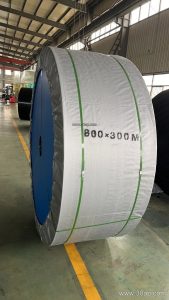
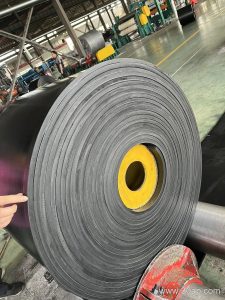
The EP1000 1200mm Conveyor Belt is a heavy-duty fabric-core belt built around polyester-nylon (EP) carcass layers and a 1200mm wide loading surface. In the EP naming system, the 1000 refers to the nominal tensile strength of the carcass in newtons per millimeter of belt width, while 1200mm describes the belt width itself. This combination makes the belt a common choice for main haulage lines in mining conveyor belt service, cement plants, power stations, and large quarry or aggregate operations where a wide, strong belt must carry bulk material continuously.
As a subtype of the broader EP conveyor belt family, the EP1000 1200mm Conveyor Belt sits in the upper-middle strength range. It is not the strongest EP grade available, and it is not the widest belt on the market, but it balances strength, width, and flexibility well for many primary and secondary conveying duties.
Construction and Carcass Design
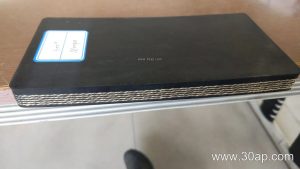
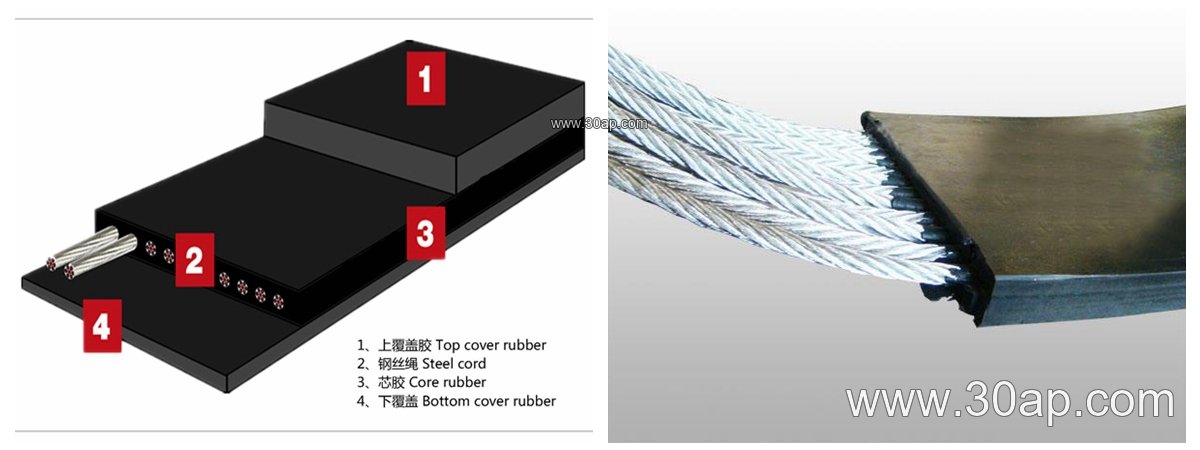
The belt is usually built with multiple plies of EP fabric — commonly 3 to 6 layers depending on the required strength and the manufacturer’s design. The polyester warp provides low elongation under load, while the nylon weft gives good flexibility and resistance to impact and flex fatigue. The plies are bonded with rubber skim compounds and protected by top and bottom cover rubber.
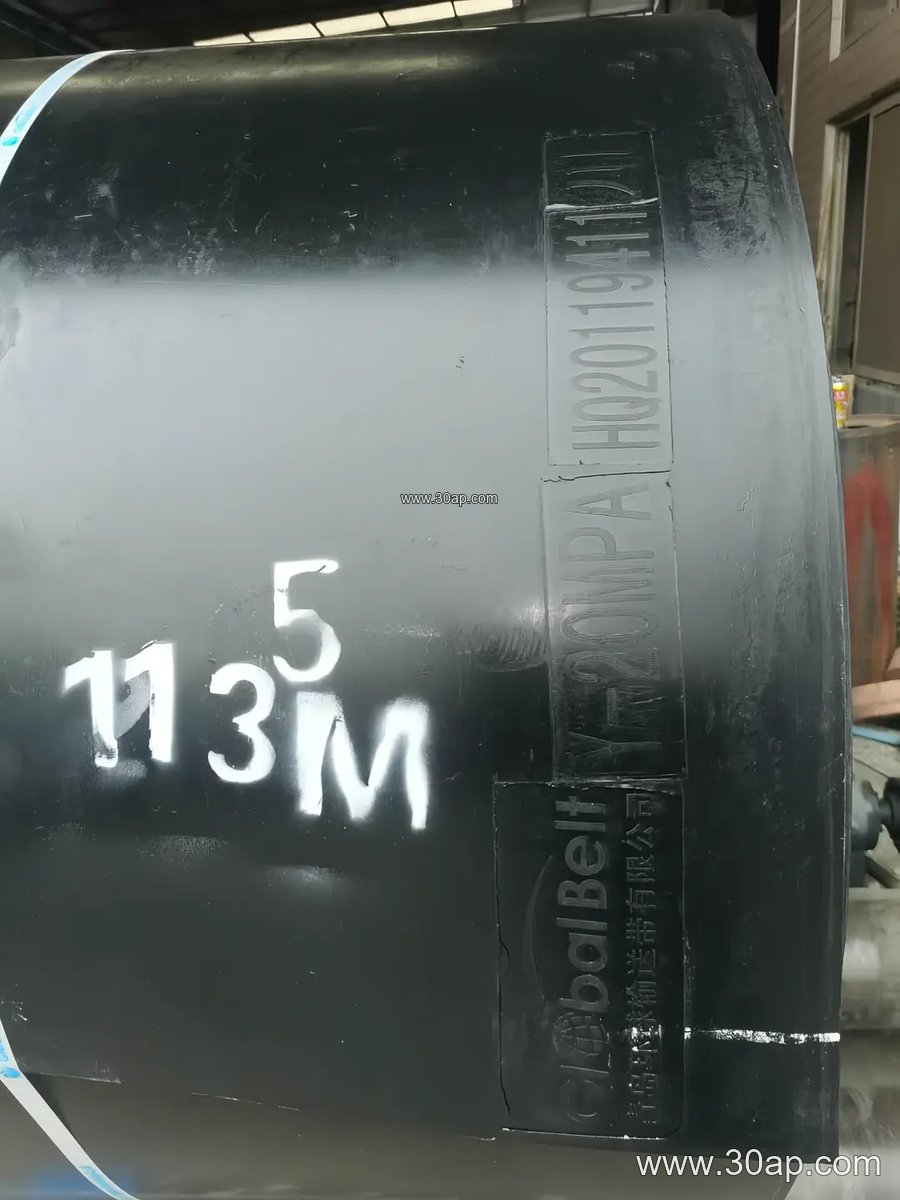
Cover thickness is specified by the application. Typical combinations include 4+2 mm, 5+2 mm, 6+2 mm, and 8+3 mm for abrasive or heavy-impact duty. A buyer should confirm the cover grade — abrasion resistant, heat resistant, oil resistant, flame retardant, or anti-static — because the EP1000 carcass alone does not define the surface performance.
Common reference data for the EP1000 grade
| Property | Typical reference |
|---|---|
| Belt width | 1200 mm (B1200) |
| Carcass type | EP fabric, multi-ply |
| Nominal strength | EP1000 (1000 N/mm) |
| Ply count | Commonly 3 to 6, by design |
| Cover thickness | 4+2, 5+2, 6+2, 8+3 mm and other designs |
| Surface options | Smooth, chevron, or with corrugated sidewall |
These values are reference data, not a universal specification. Actual construction varies by manufacturer and by the engineering requirements of each conveyor.
Where It Fits in the Conveyor System
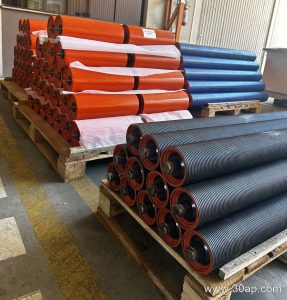
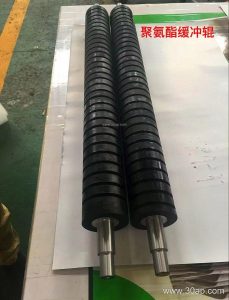
A 1200mm wide belt is often used on trunk conveyors that receive material from crushers, screens, or transfer points. In a coal mining conveyor belt line, the belt may run over troughing idler rollers that shape it into a trough, pass around a drive pulley and a tail pulley, and return over flat return rollers. The belt also interacts with conveyor brackets and frames that set the alignment and spacing of the rollers.
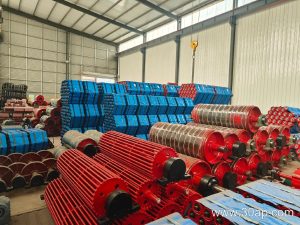
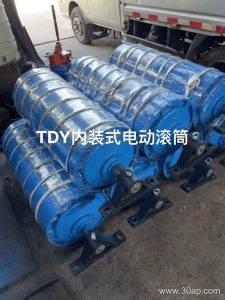
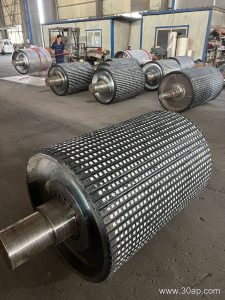
The drive pulley, tail pulley, and bend pulley are not interchangeable components. Each has a distinct role: the drive pulley transmits power, the tail pulley redirects the belt at the loading end, and bend pulleys guide the belt through curves or tensioning arrangements. The EP1000 1200mm Conveyor Belt must be matched to the pulley diameters and take-up design specified for the conveyor, not selected by belt width alone.
Applications Across Industries
- Mining and coal — main haulage and drift conveyors, often with flame retardant and anti-static covers for underground use.
- Cement and aggregate — clinker, limestone, and crushed stone transport where abrasion resistance is important.
- Power plants — coal and biomass feed lines, sometimes with heat resistant grades near hot transfer points.
- Ports and bulk terminals — ship loading and stockyard conveyors handling high tonnages.
- Quarry and sand plants — primary and secondary crushing circuits with high impact loads.
For comparison, a steel cord conveyor belt may be chosen for very long, high-tension lines, while an NN conveyor belt is another fabric-core option with different elongation behavior. These are alternatives for specific duties, not substitutes for the EP1000 1200mm Conveyor Belt in every application.
Buyer Checklist
Before ordering, confirm the following with the supplier:
- Required cover grade and thickness for the material and operating temperature.
- Ply count and carcass strength consistent with the conveyor’s calculated tension.
- Pulley diameters and troughing idler roller geometry suited to the belt’s flexibility.
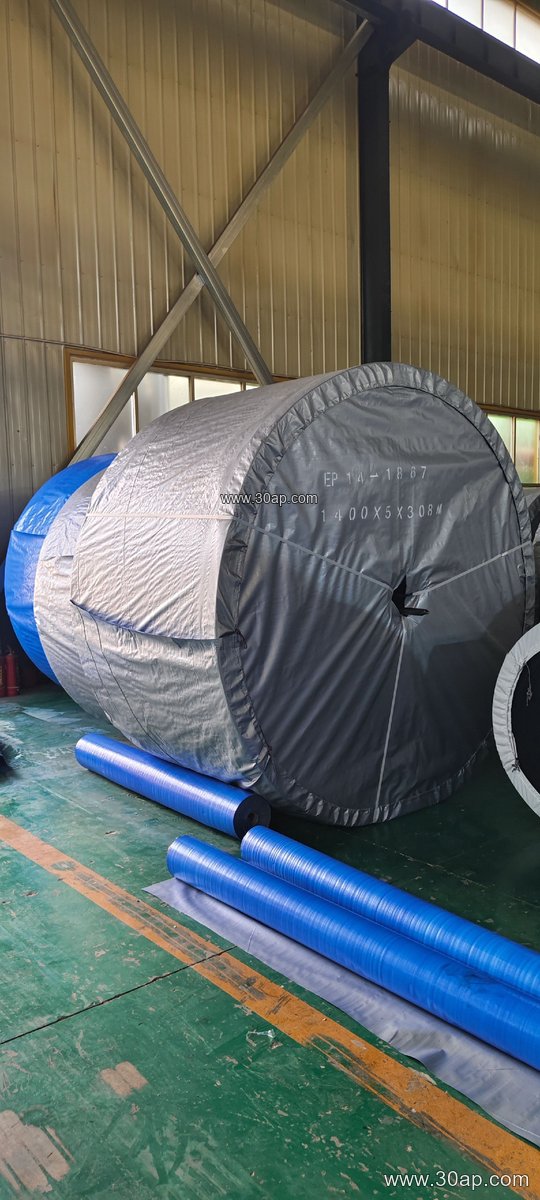
- Whether the belt needs to be an endless conveyor belt spliced on site, or supplied in rolls for mechanical or vulcanized joining.
- Flame retardant or anti-static requirements for underground coal mining conveyor belt service.
- Edge condition and whether a skirted conveyor belt or corrugated sidewall design is needed to contain material.
Proper storage, handling, and splice quality have a strong influence on service life. A belt that is correctly matched to its pulleys, idlers, and loading conditions will generally perform more reliably than one selected on width and strength alone.