What the Conveyor Head Pulley Does
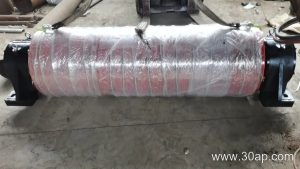
The conveyor head pulley sits at the discharge end of a belt conveyor, where the belt turns back after dropping its load. Because it transmits the drive torque and also sets the belt path at the most important transition point, this component is often called the drive pulley or the discharge pulley, and all three names describe the same item. It is not a tail pulley, which returns the belt at the loading end, and it is not a bend pulley, which only changes belt direction without driving the system.
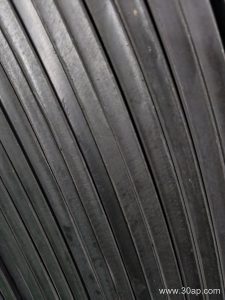
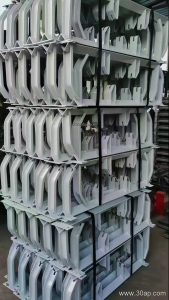
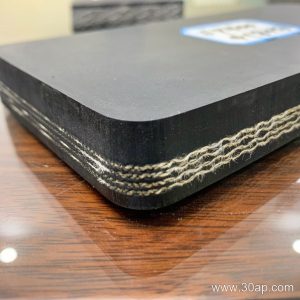
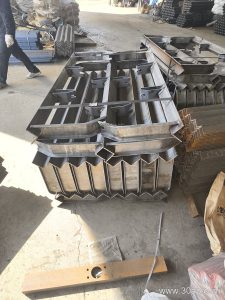
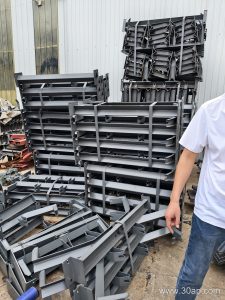
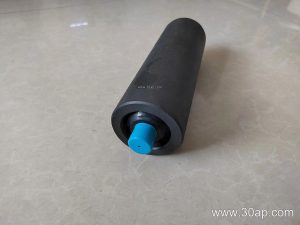
In a quarry, a coal preparation plant, or a power plant coal yard, the head pulley works together with the conveyor belt, the idler roller sets, and the conveyor bracket frame to keep material moving at a steady rate. Any misalignment here shows up quickly as belt tracking problems or spillage at the transfer chute.
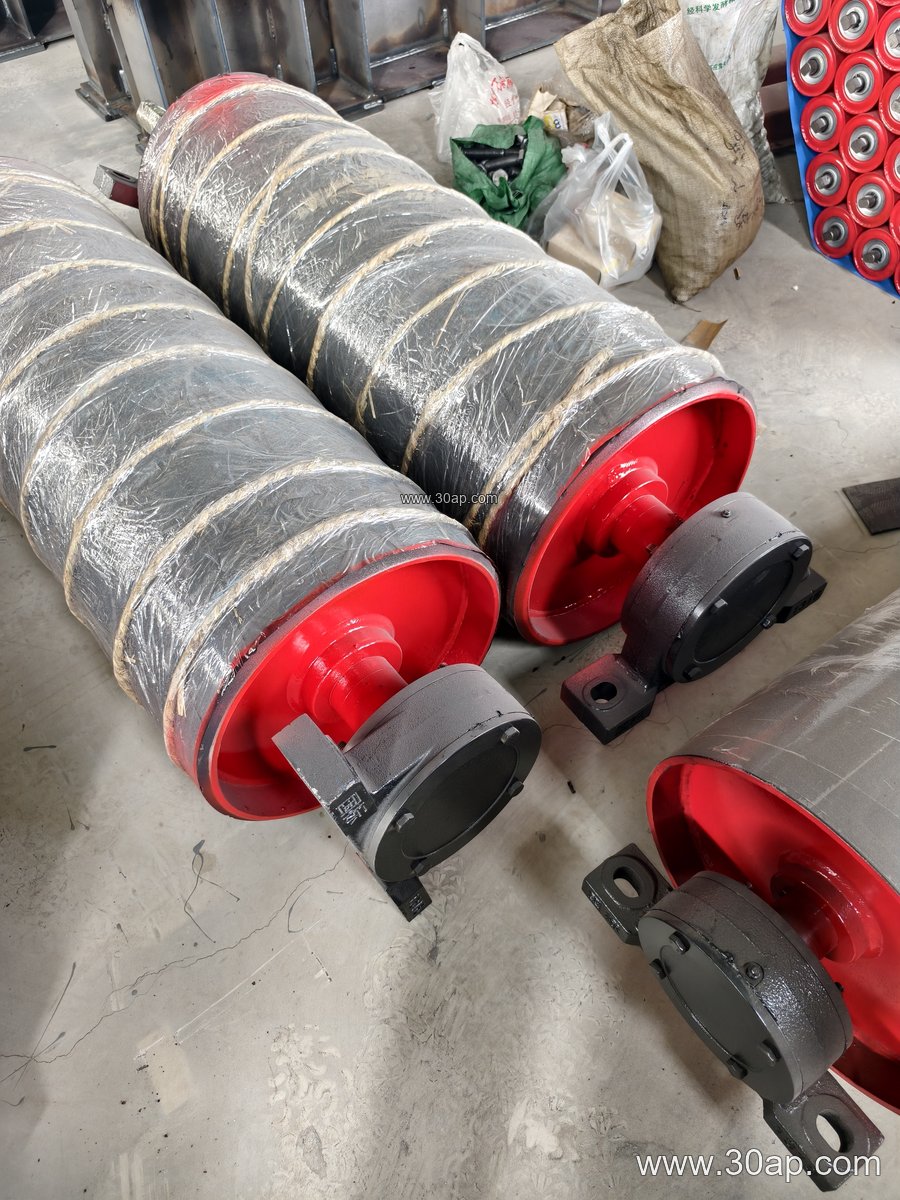
How It Is Built
A typical unit combines a cylindrical shell, two end discs, a shaft, and bearing housings. The shell is usually welded steel, machined for balance, and covered with a lagging surface to improve grip. The shaft is sized by torque and radial load rather than by belt width alone, so a B800 system and a B1400 system may use very different shaft diameters even when the drum diameters look similar. Common shaft sizes include Ø80, Ø100, Ø120, and Ø140, but the final value is determined by the drive design.
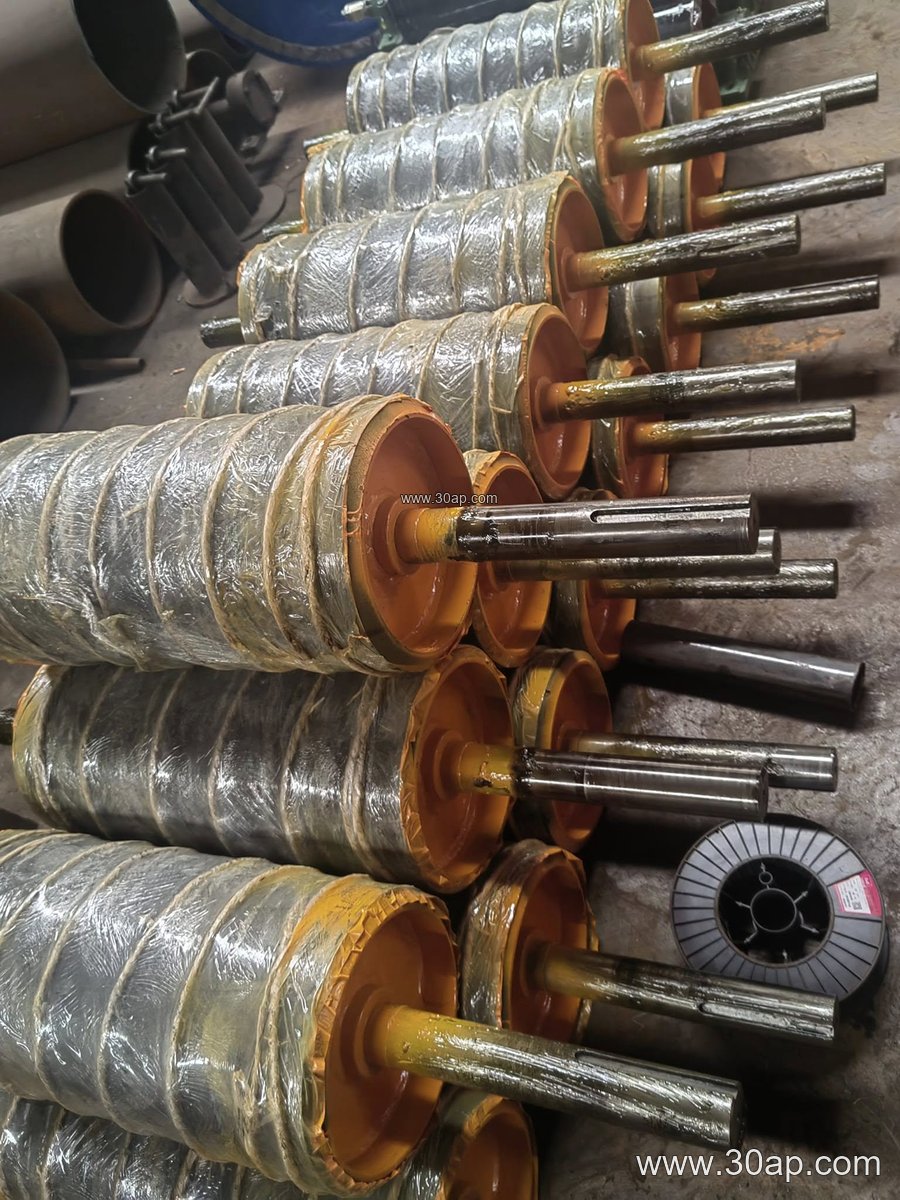
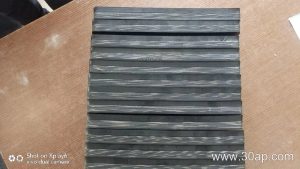
Surface options matter as much as the steel body. Plain, cast rubber, cold-bonded rubber, hot-vulcanized rubber, diamond groove, herringbone, and ceramic lagging each suit different conditions. Lagging thickness is commonly 8, 10, 12, 15, or 20 mm. In wet or dusty service, diamond or ceramic patterns help shed water and fines; in a sand and gravel line, hot-vulcanized rubber is often preferred for longer wear life.
Common Reference Combinations
The table below shows typical pairings used in early design discussions. These are reference values, not fixed rules, and each project should confirm the final geometry with the conveyor designer.
- B500 belt width with pulley face around 600 mm and diameter Ø315 to Ø400
- B650 belt width with pulley face around 750 mm and diameter Ø400 to Ø500
- B800 belt width with pulley face around 950 mm and diameter Ø500 to Ø630
- B1000 belt width with pulley face around 1150 mm and diameter Ø630 to Ø800
- B1200 belt width with pulley face around 1400 mm and diameter Ø800 to Ø1000
- B1400 belt width with pulley face around 1600 mm and diameter Ø800 to Ø1000
- B1600 belt width with pulley face around 1800 mm and diameter Ø1000 to Ø1250
- B1800 belt width with pulley face around 2000 mm and diameter Ø1000 to Ø1400
Face width is normally a little wider than the belt, and the drum diameter should be checked against the belt’s minimum pulley recommendation. Do not assume one belt width can only match one pulley diameter.
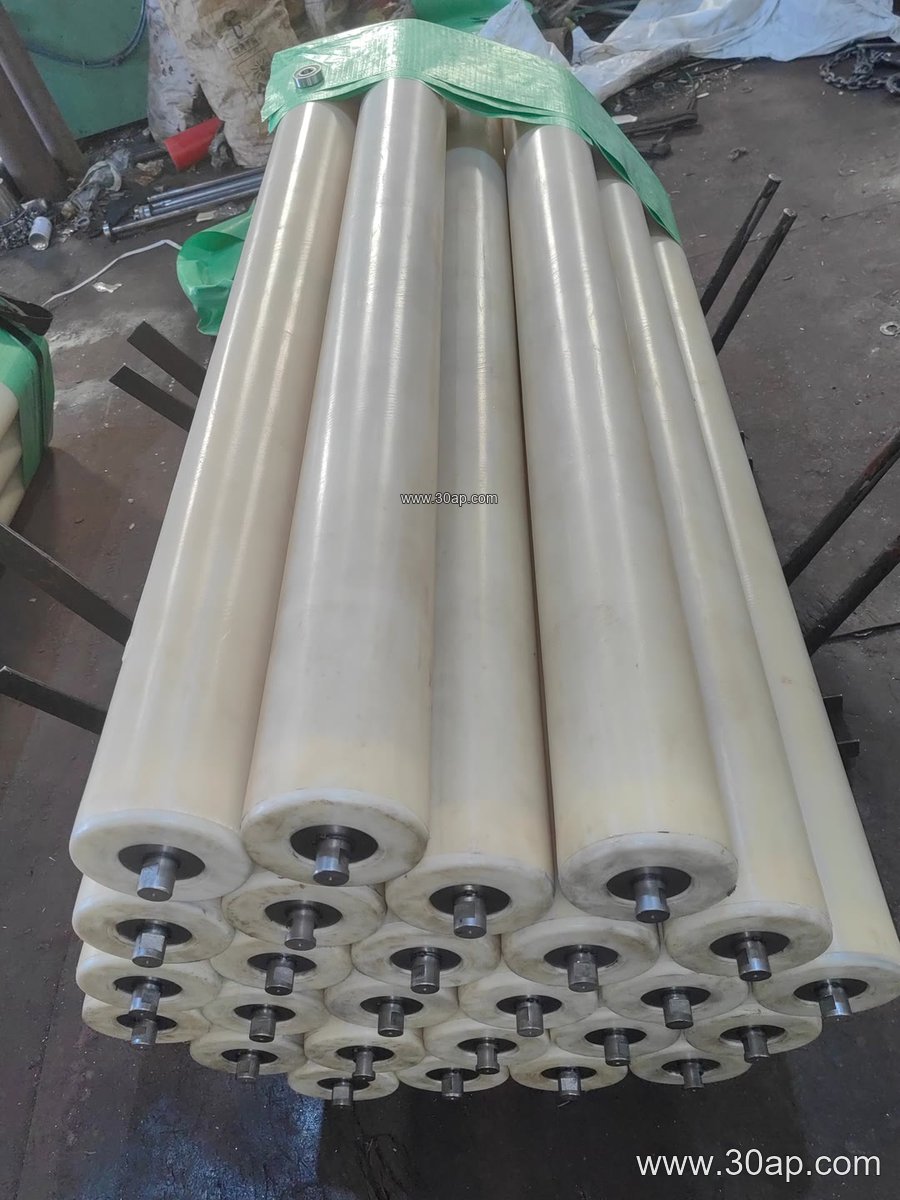
Where It Fits in the Plant
In an iron ore or copper ore concentrator, the head pulley at the final transfer point often handles a heavy-duty conveyor belt carrying abrasive material, so ceramic lagging and a robust bearing arrangement are common. In a cement plant clinker line, heat resistant conveyor belt grades may be used nearby, and the pulley surface should tolerate warm fines without losing grip. In a port bulk terminal, wide belts up to 1800 mm or 2000 mm may call for a large diameter head pulley with careful balance and a solid conveyor bracket support.
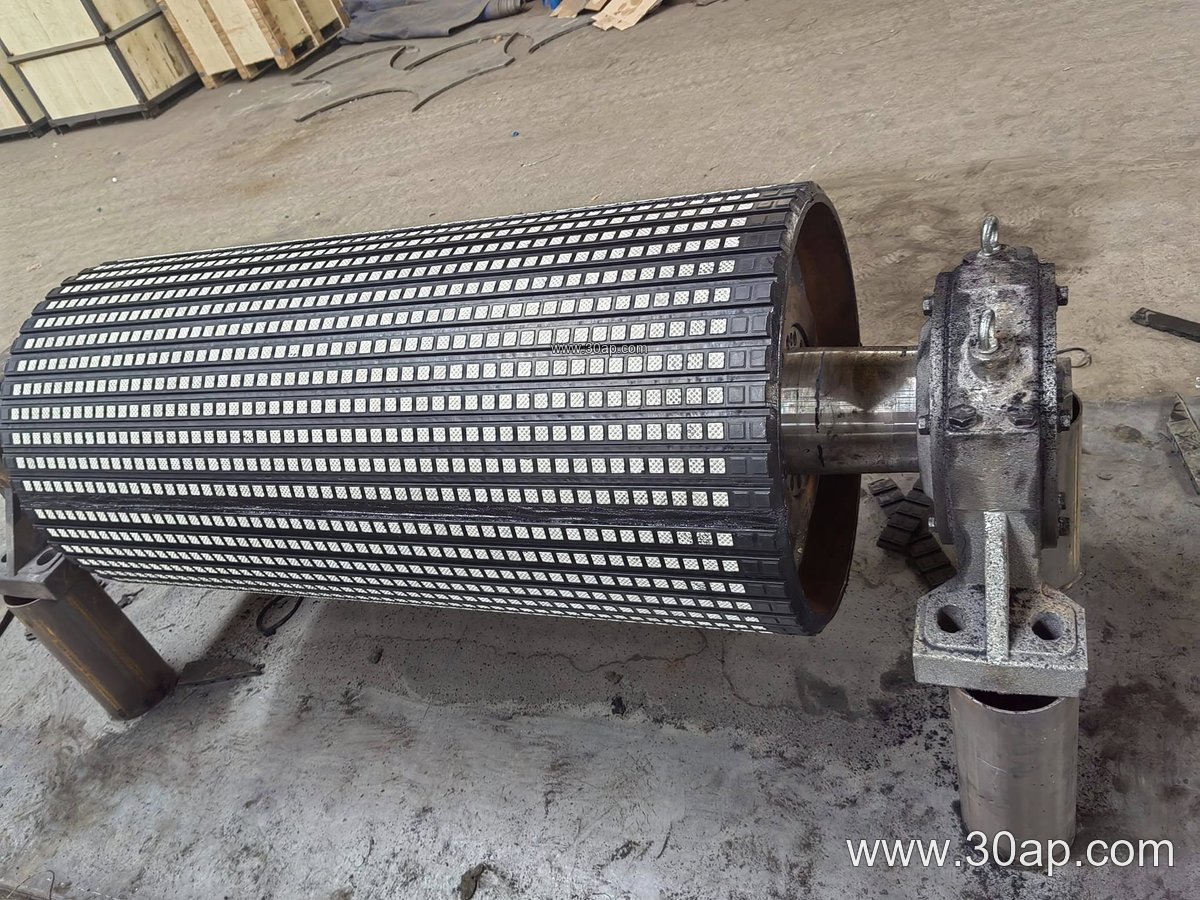
For underground coal mining, flame retardant conveyor belt and anti-static conveyor belt requirements usually shape the whole conveyor specification, including the choice of lagging material and bearing seals. The head pulley itself must be selected with the same safety thinking as the rest of the system.
What a Buyer Should Confirm
Before ordering, confirm the belt width, the required drum diameter, the shaft diameter and material, the lagging type and thickness, the bearing type, and the mounting position. Ask whether the pulley will be supplied with a shaft, with bearings, or as a complete assembly. For a mining conveyor belt or an EP conveyor belt installation, also confirm the belt tension and the expected starting torque, because these values influence the shaft and bearing selection.
Finally, check the maintenance plan. Worn lagging reduces grip and can cause belt slip, while a worn shell or damaged bearing housing can lead to vibration. Regular inspection of the head pulley, the idler roller group, and the conveyor belt splice keeps the whole line running. A spare pulley or a spare lagging kit can shorten downtime in a busy aggregate or coal handling operation.