What Is a Fixed Conveyor Bracket
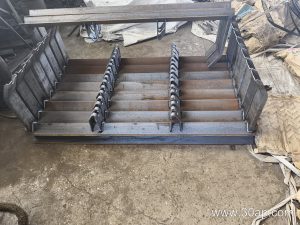
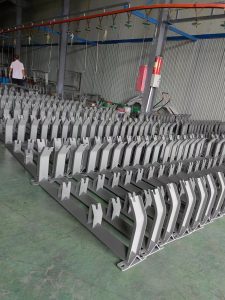
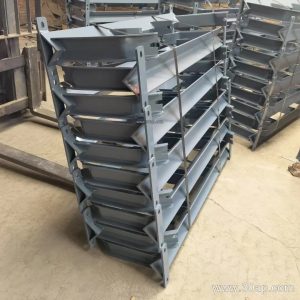
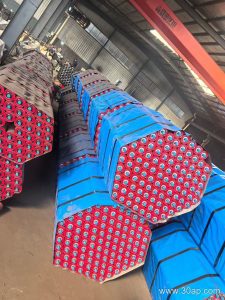
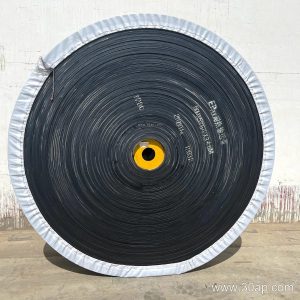
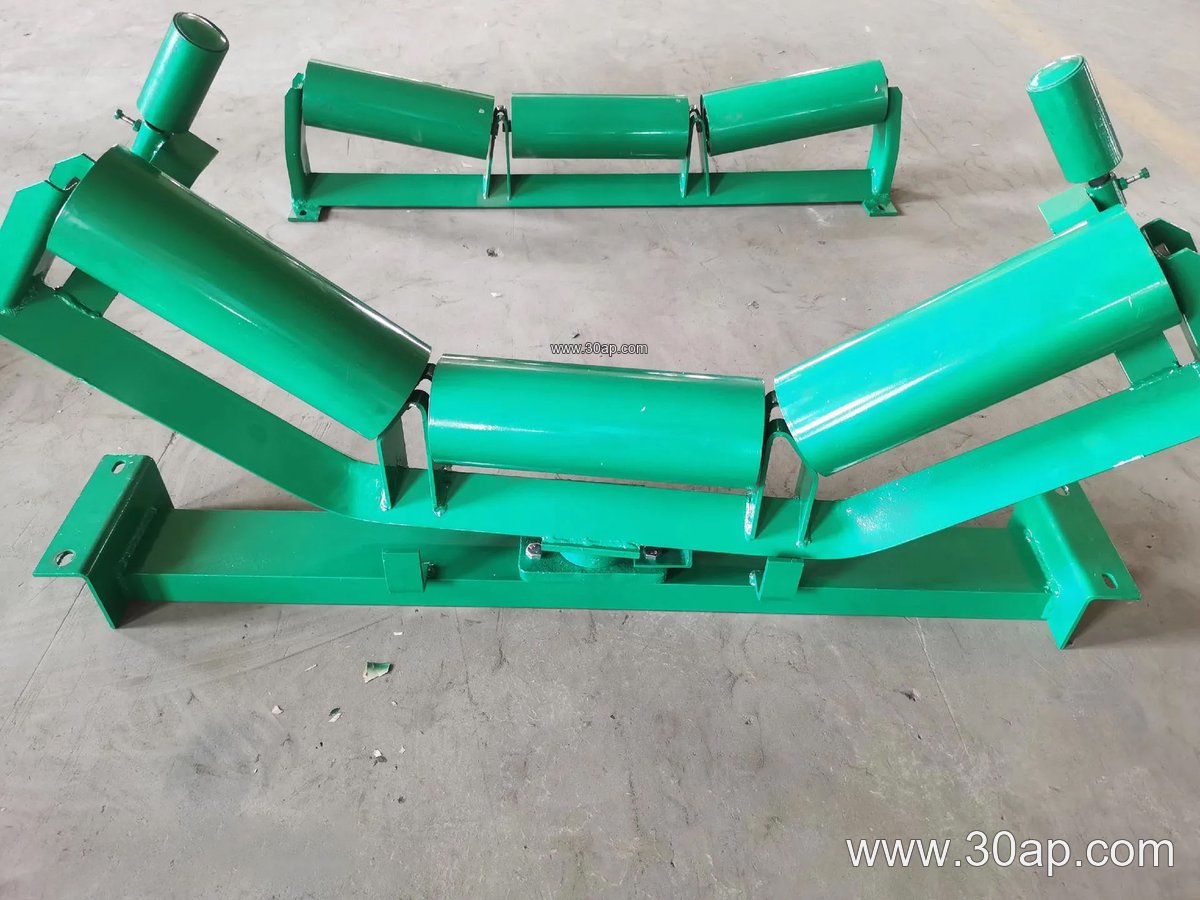
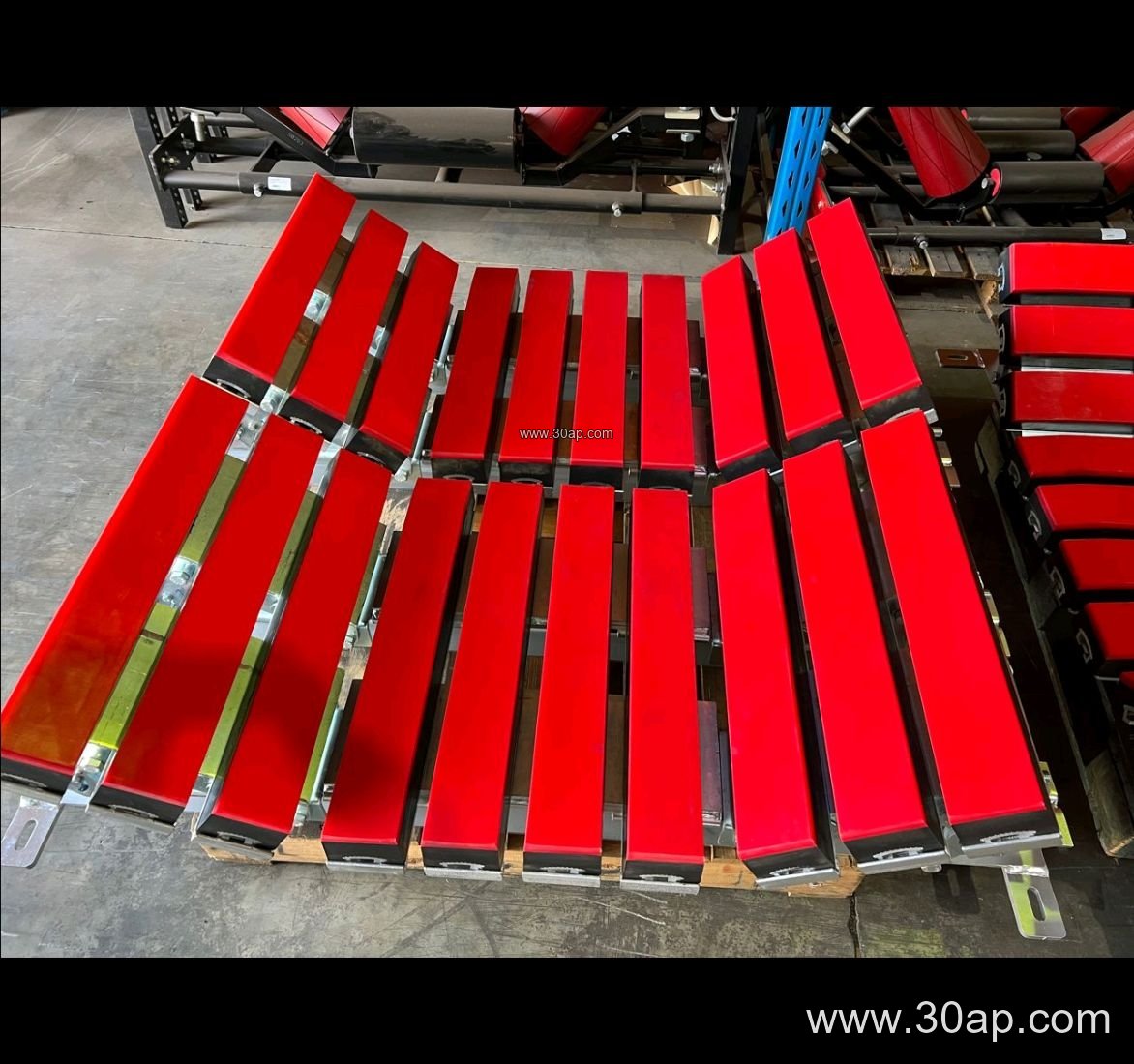
A fixed conveyor bracket is a stationary support structure that holds idler rollers in a set position along a conveyor frame. Unlike adjustable brackets, which allow changes to the trough angle or roller position, a fixed bracket locks the idler at a predetermined angle and height. This bracket is commonly used in mining, quarrying, cement plants, and power plant coal handling systems where consistent belt support is critical. The fixed bracket works together with the conveyor belt, idler roller, and conveyor pulley to maintain proper belt alignment and load distribution.
Construction and Materials
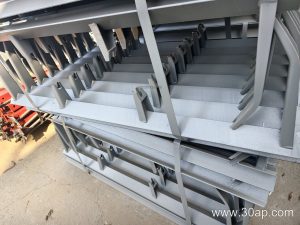
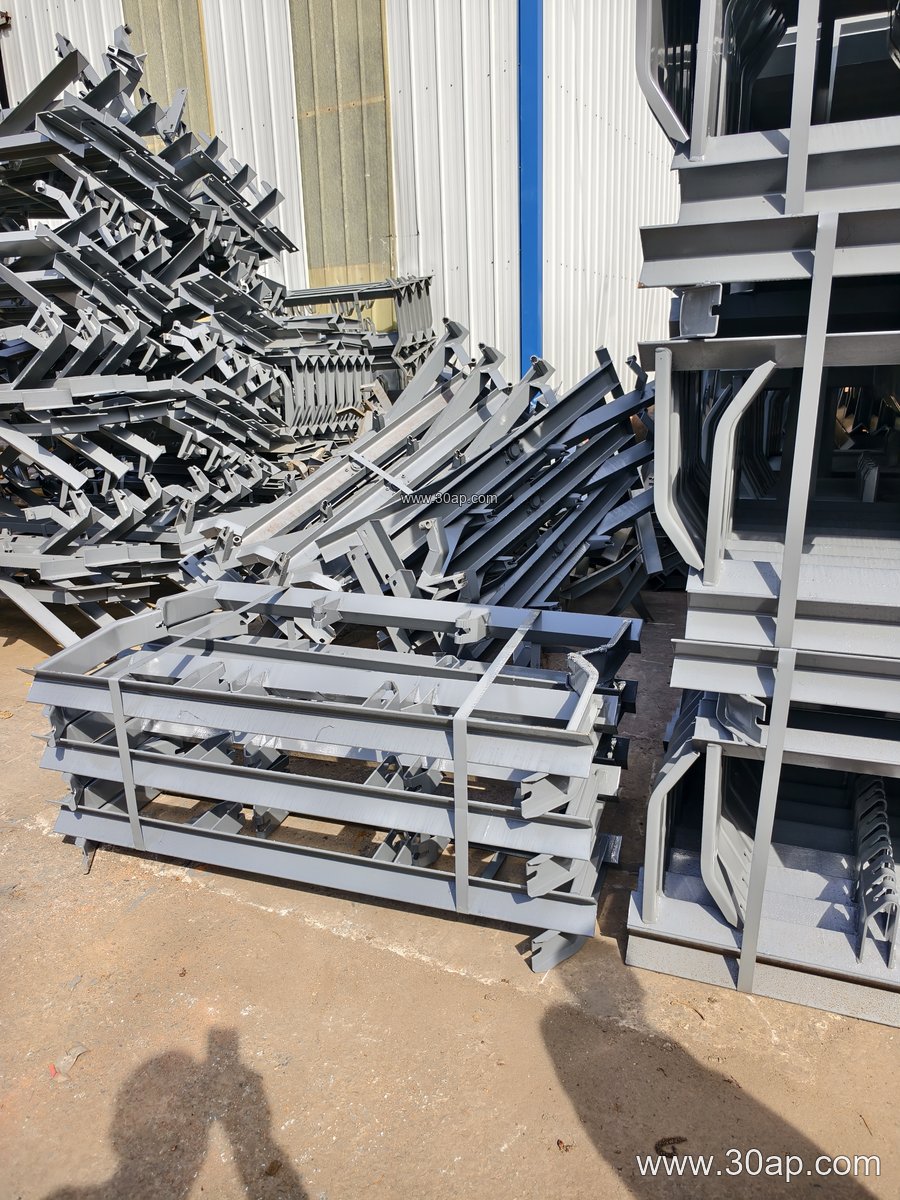
Fixed conveyor brackets are typically fabricated from angle steel, channel steel, or bent steel plate. The material choice depends on the load and environmental conditions. For heavy-duty applications such as iron ore or coal mining, thicker steel and reinforced welds are common. The bracket design includes mounting holes that match the conveyor frame, and the dimensions vary with belt width and trough angle. Common trough angles for fixed brackets include 20, 30, 35, and 45 degrees. Roller diameters such as Ø89, Ø108, Ø133, Ø159, and Ø194 are frequently used, but the selection depends on belt width and load requirements.
Where Fixed Conveyor Brackets Are Used
These brackets are found in a wide range of bulk material handling operations. In a quarry or sand and gravel plant, fixed brackets support the conveyor belt along the carrying side, often in a 35-degree trough. In a coal preparation plant or underground mining conveyor, flame retardant conveyor belts and anti-static conveyor belts are used alongside fixed brackets to ensure safety. Cement plants use fixed brackets to support abrasion resistant conveyor belts that carry clinker and limestone. Power plants rely on fixed brackets in coal handling systems, where heat resistant conveyor belts may be needed near boiler areas. Other industries include steel plants, port loading facilities, and aggregate crushing circuits.
Key Parameters and Selection Considerations
When selecting a fixed conveyor bracket, several parameters must be matched to the conveyor design. Belt width is a primary factor: common widths include B500, B650, B800, B1000, B1200, B1400, B1600, B1800, B2000, B2200. The bracket must be sized to fit the frame and support the idler rollers at the correct spacing. The table below shows typical combinations, but these are reference examples only and not universal specifications.
| Belt Width | Trough Angle | Roller Diameter | Typical Application |
|---|---|---|---|
| B500 | 20° | Ø89 | Light-duty aggregate |
| B650 | 30° | Ø89 | Sand and gravel |
| B800 | 35° | Ø108 | Coal mining |
| B1000 | 35° | Ø133 | Cement plant |
| B1200 | 45° | Ø133 | Iron ore |
| B1400 | 45° | Ø159 | Power plant coal |
| B1600 | 35° | Ø159 | Port loading |
| B1800 | 35° | Ø194 | Heavy mining |
| B2000 | 30° | Ø194 | Large bulk terminal |
Note that one belt width can accommodate different trough angles and roller diameters depending on the load and belt speed. Installation hole spacing and crossbeam length are determined by the conveyor design, not fixed values. Buyers should verify the bracket dimensions with the conveyor frame manufacturer.
Fixed vs Adjustable Brackets
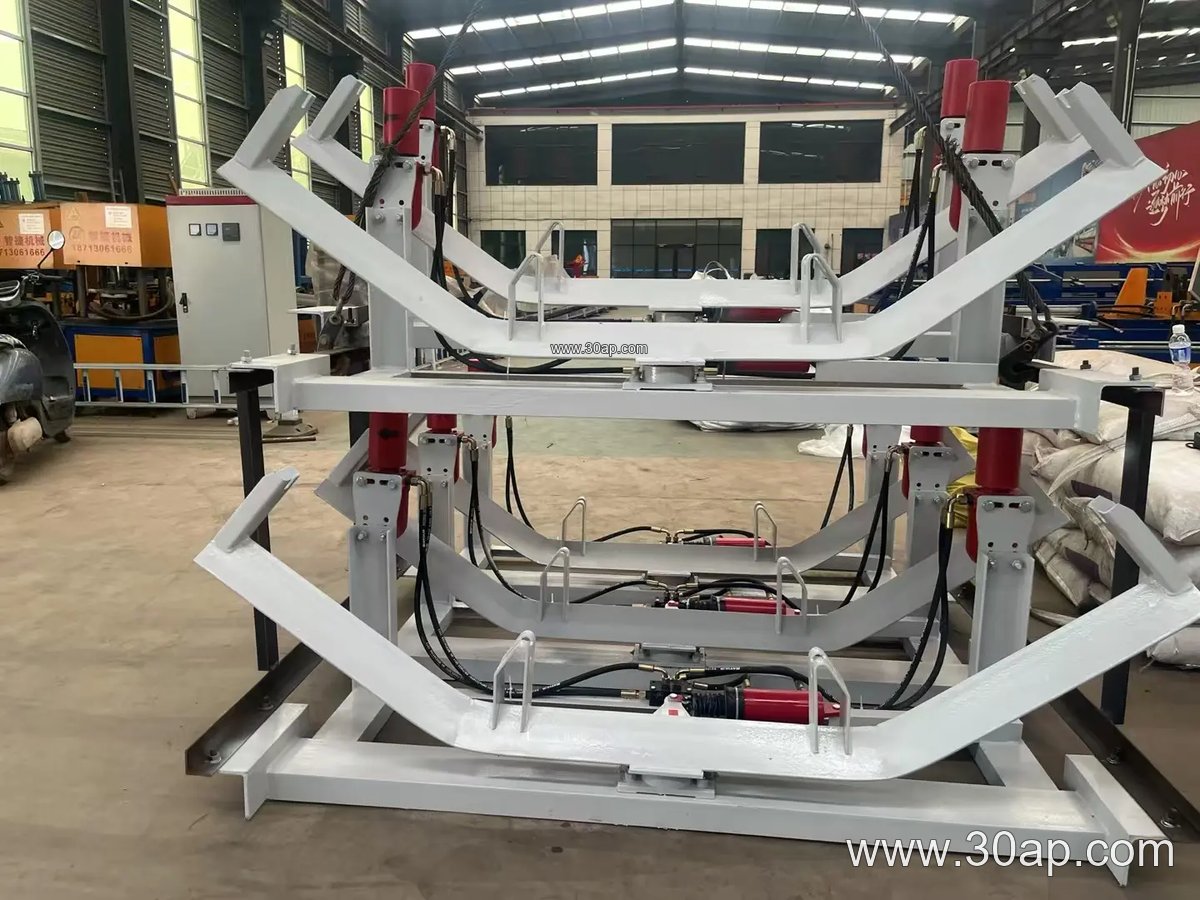
Adjustable brackets allow operators to change the trough angle or roller position to suit different materials or belt conditions. Fixed brackets, by contrast, offer a simpler, more rigid structure with fewer moving parts. They are preferred where the conveyor operates under consistent conditions and where maintenance access is limited. In a coal mining conveyor or a quarry conveyor belt system, fixed brackets reduce the risk of misalignment and are easier to inspect. However, if the material flow changes frequently, adjustable brackets may be more suitable.
Compatibility with Conveyor Components
A fixed conveyor bracket must be compatible with the idler roller and conveyor pulley used on the line. The bracket holds the idler at the correct height and angle so that the conveyor belt runs smoothly. In a typical conveyor system, the drive pulley, tail pulley, and bend pulley are not interchangeable, and each requires specific support structures. Fixed brackets are mainly used on the carrying side and return side to support idlers. For heavy-duty mining conveyor belts or steel cord conveyor belts, the bracket must be robust enough to handle high tension and impact. When using a pipe conveyor belt or a corrugated sidewall conveyor belt, special bracket designs may be needed.
Buyer Checklist
- Confirm belt width and trough angle required for your conveyor.
- Check roller diameter and idler spacing to match the bracket.
- Verify material and finish for the environment (e.g., corrosion protection for ports, heat resistance for power plants).
- Ensure mounting hole spacing matches the conveyor frame.
- Consider load capacity and belt tension, especially for steep or high-tonnage lines.
- Review maintenance access and replacement procedures.
For more information on conveyor components and support structures, visit our website at www.example.com/conveyor-bracket. Our team can help you select the right fixed conveyor bracket for your application.