What a Cement Conveyor Idler Does on the Line
A cement conveyor idler is the rotating support that carries the conveyor belt and the material load along the length of a bulk handling conveyor. In cement plants, limestone quarries, and clinker transfer stations, these idlers are exposed to fine abrasive dust, high tonnage, and sometimes heat from recently cooled clinker. The quality of each idler roller affects belt tracking, power draw, and the overall availability of the conveying system.
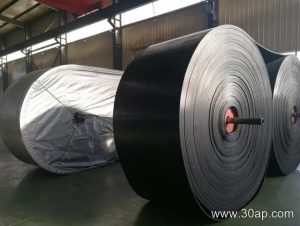
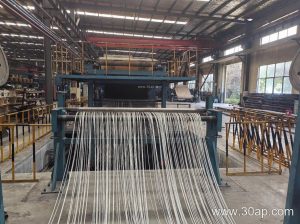
On a typical cement plant conveyor, the belt may be a heavy-duty fabric core type such as an EP conveyor belt or a steel cord conveyor belt, depending on the duty. The idlers beneath it are usually arranged in three-roll troughing sets on the carrying side and single or V-return sets on the return side. The idler frame, sometimes called a conveyor bracket, keeps the rolls at the correct trough angle and spacing.
Construction Details That Matter
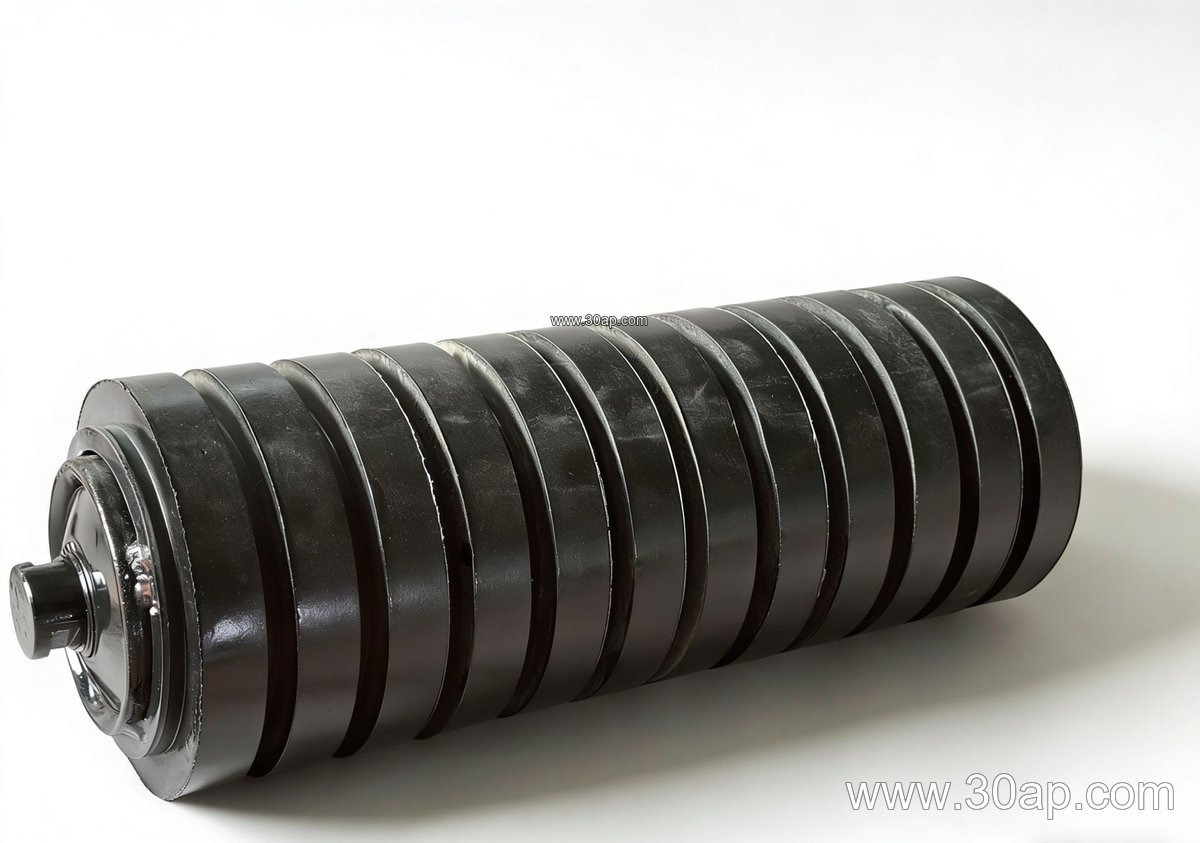
A cement conveyor idler is built around a steel tube shell, a shaft, bearing housings, and a sealing arrangement. Common shell materials include steel pipe, nylon, and ceramic-covered versions for special wear conditions. Bearing sizes such as 6204, 6205, 6305, 6306, 6308, and 6310 are used across different roll diameters and load ratings, but no single bearing is tied to one shell size.
Sealing is critical in cement service. Fine dust that enters the bearing cavity will shorten idler life quickly. Labyrinth seals, contact seals, and grease retention features are common design choices. Buyers should ask how the seal is configured for dusty conditions rather than assuming that any idler is suitable for a cement plant.
Common Types and Where They Fit
The carrying side usually uses three-roll troughing idlers with trough angles of 20, 30, 35, or 45 degrees. A 35-degree trough is common in many cement and aggregate lines because it provides good material containment without excessive side pressure. Impact zones under a crusher discharge may use impact idlers or rubber-ring impact idlers to absorb shock from large lumps.
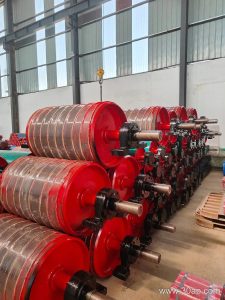
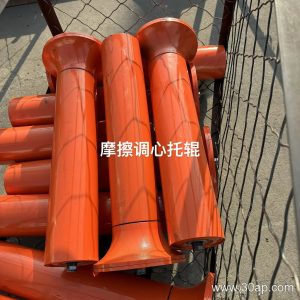
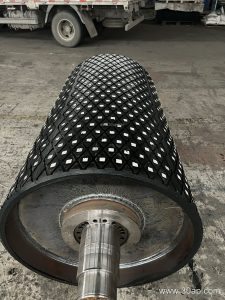
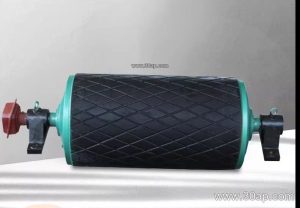
The return side may use flat return idlers, V-return idlers, or spiral return idlers. Training idlers, including friction and tapered types, are used where belt misalignment is a concern. For comparison, a conveyor pulley at the drive or tail end performs a different function and is not a substitute for a carrying idler; the two work together in the same conveyor but are selected on separate criteria.
Reference Data for Common Idler and Belt Sizes
The following values are common examples, not fixed universal specifications. Final selection should follow the conveyor design and the actual duty.
| Item | Common Reference Values |
|---|---|
| Idler diameter | Ø63, Ø76, Ø89, Ø102, Ø108, Ø127, Ø133, Ø159, Ø178, Ø194, Ø219 mm |
| Belt width | B400, B500, B650, B800, B1000, B1200, B1400, B1600, B1800, B2000, B2200, B2400 |
| Trough angle | 20°, 30°, 35°, 45° |
| Roll length example, three-roll trough | About 200 mm for B500, 250 mm for B650, 315 mm for B800, 380 mm for B1000, 465 mm for B1200, 530 mm for B1400, 600 mm for B1600, 670 mm for B1800, 750 mm for B2000 |
| Bearing examples | 6204, 6205, 6305, 6306, 6308, 6310 |
Side rolls and center rolls can differ in length, so the figures above are only a guide. Belt width and pulley diameter are separate decisions; a given belt width does not dictate one pulley diameter, and shaft diameter should be confirmed from the idler manufacturer’s drawing rather than estimated from belt width alone.
Applications Across Cement and Related Industries
Cement conveyor idlers are used in limestone quarries, crushing and screening plants, raw mill feed lines, clinker transport, and cement packing areas. Similar idler designs appear in power plant coal handling, iron ore and copper ore concentrators, and port bulk terminals. In these locations the belt may be an abrasion resistant conveyor belt, a heat resistant conveyor belt near hot material, or a flame retardant conveyor belt in coal service.
For example, a cement plant conveyor moving clinker may use a heat resistant conveyor belt together with idlers that are rated for the expected temperature. An underground coal mining conveyor belt would call for flame retardant properties and idlers suited to dusty, confined conditions. The idler itself does not change the belt’s rubber compound, but the two must be compatible in size, load capacity, and environment.
Buyer Checklist
- Confirm belt width, trough angle, and roll length from the conveyor drawing.
- Check the idler diameter and bearing size against the load and speed.
- Ask about seal type and dust protection for cement or quarry conditions.
- Verify that the idler frame and conveyor bracket match the existing stringer spacing.
- Consider impact idlers at transfer points and training idlers on long runs.
- Review wear parts availability and replacement procedure before ordering.
Well-chosen cement conveyor idlers reduce belt wear and keep material moving from the quarry to the kiln feed and beyond. For related conveyor components, compare the idler roller with the conveyor pulley and belt specifications as a complete system rather than as isolated parts.