What a Belt Conveyor Bracket Does
A belt conveyor bracket is the structural component that holds idler rollers in the correct position along a conveyor frame. It connects the rollers to the main stringers and maintains the trough angle, alignment, and spacing needed for smooth material transport. In a quarry or a cement plant, the bracket must withstand constant vibration, dust, and heavy loads while keeping the belt centered and supported. Without a properly designed bracket, even a high-quality conveyor belt can mistrack, spill material, or wear prematurely.
Unlike a drive pulley or a tail pulley, which transmit power and change belt direction, the bracket is a passive support element. Its role is to provide a stable platform for the idler roller, ensuring the belt runs smoothly over the roller surface. The bracket also determines the trough profile, which affects the belt’s capacity to hold bulk material.
Construction and Common Types
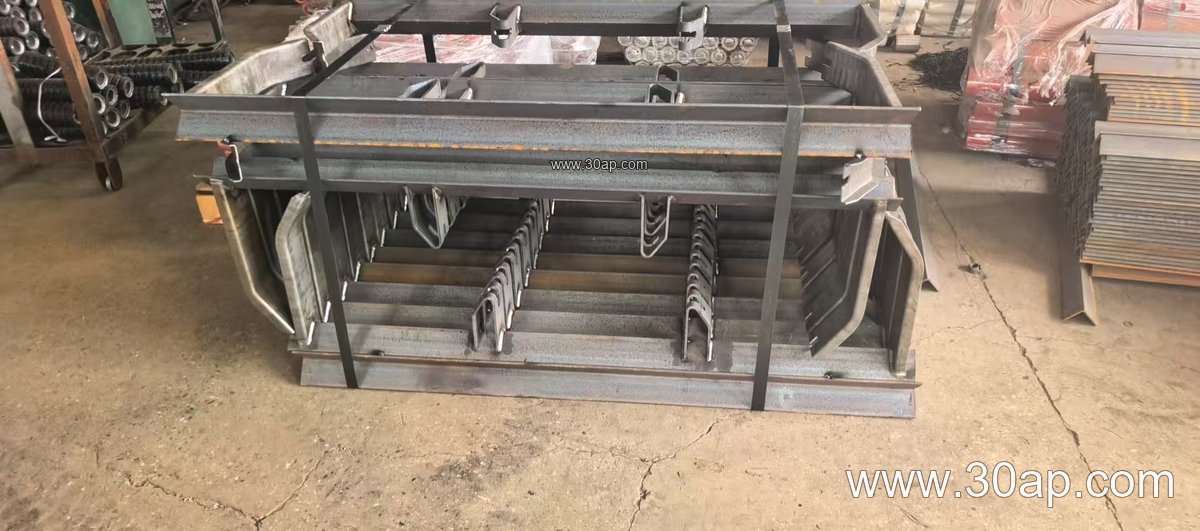
Most brackets are fabricated from angle steel, channel steel, or folded steel plate. The material thickness and coating depend on the application; corrosive environments may require galvanized or painted finishes. Common bracket types include troughing brackets, return brackets, impact brackets, and self-aligning brackets. Each type serves a specific location on the conveyor:
- Troughing brackets support the carrying side and set the trough angle, typically 20°, 30°, 35°, or 45°. Adjustable versions allow the angle to be changed on site.
- Return brackets support the belt on the return run, often with a flat or V-shaped roller arrangement.
- Impact brackets are reinforced to absorb shock at loading points, commonly used in crusher discharge or transfer chutes.
- Self-aligning brackets pivot slightly to correct belt mistracking, useful in long overland conveyors or uneven terrain.
For a B800 conveyor with a 35° trough, a bracket might be paired with Ø108 idler rollers. A B1200 system with a 45° trough often uses Ø133 rollers. These combinations are common but not fixed; the final choice depends on belt width, material lump size, and load conditions. Installation hole spacing and beam length vary with belt width and trough angle, so brackets are usually matched to the specific conveyor frame design.
Where Brackets Are Used
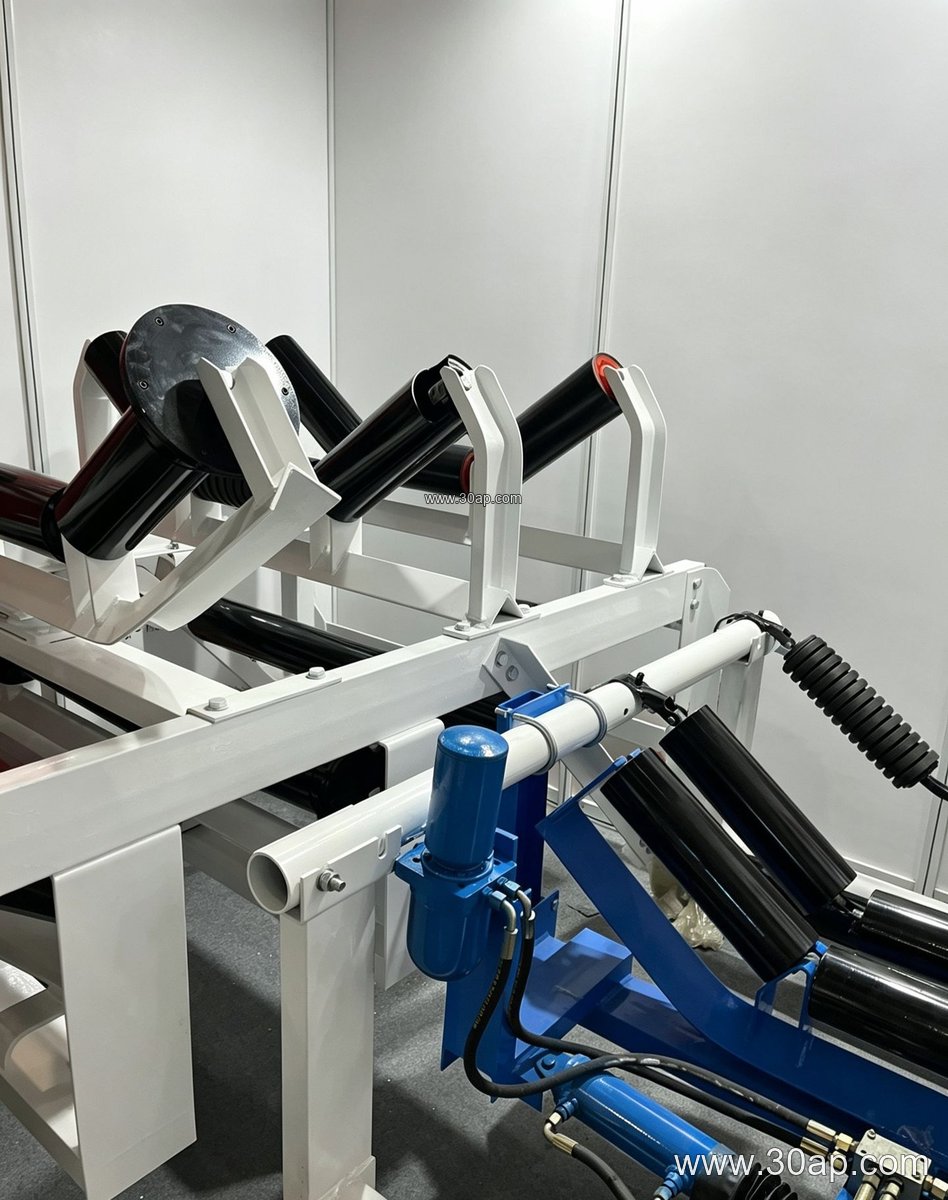
Belt conveyor brackets appear in nearly every bulk material handling operation. In a coal mining conveyor system, flame retardant conveyor belts run over troughing brackets that must resist coal dust and occasional impact. In a power plant coal yard, brackets support idler rollers that carry coal from unloading points to bunkers. Aggregate operations in a sand and gravel plant rely on brackets to keep the belt aligned through transfer points and stockpiling. Other applications include limestone mines, iron ore processing, and port ship loading facilities.
The bracket must be compatible with the conveyor pulley arrangement. While the drive pulley and tail pulley handle tension and direction, the brackets ensure the belt stays in contact with the idler rollers. A misaligned bracket can cause the belt to rub against the structure, leading to edge damage and reduced service life.
Selection and Maintenance Tips
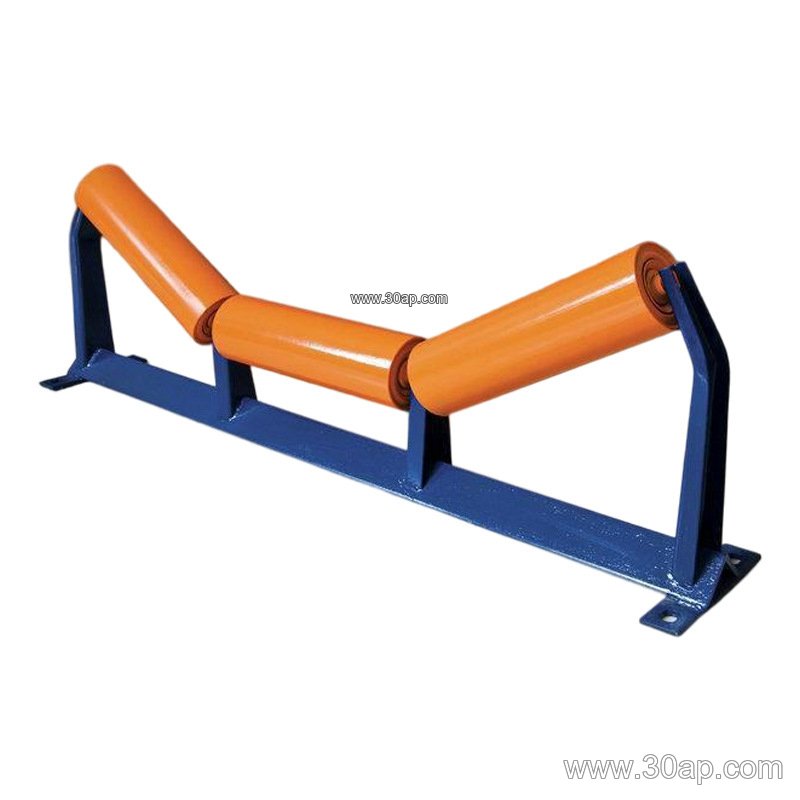
When choosing a belt conveyor bracket, consider the belt width, trough angle, roller diameter, and load profile. For example, a B650 conveyor with a 30° trough and Ø89 rollers may use a lighter bracket, while a B1600 conveyor with a 45° trough and Ø159 rollers requires a heavy-duty design. Adjustable brackets are helpful where belt tracking needs fine-tuning after installation. Fixed brackets offer simpler, more rigid support for stable running conditions.
Regular inspection of brackets is important. Check for loose bolts, bent beams, or corrosion, especially in washdown or coastal environments. Worn brackets can lead to roller misalignment, which accelerates wear on the conveyor belt and idler roller bearings. Replacing damaged brackets promptly helps maintain conveyor efficiency and reduces downtime.
For more information on conveyor components, visit conveyor bracket and conveyor pulley resources.