What an Idler Bearing Housing Does
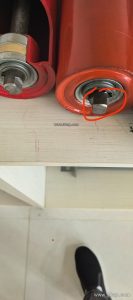
An idler bearing housing is the component that holds the bearing in place at each end of an idler roller. It sits inside the roller shell or at the end cap, keeping the bearing aligned while protecting it from dust, water, and the constant load of a moving conveyor belt. In a quarry or a coal handling plant, where fines and moisture are everywhere, this small part often decides how long a roller will spin freely before it seizes.
The housing is not a standalone product you see on the belt. It is the interface between the roller shaft, the bearing, and the rotating shell. If the housing fits poorly or wears out, the bearing loses its seat, the roller starts to wobble, and the belt tracking suffers.
Construction and Sealing Details
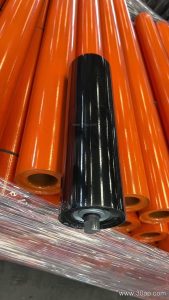
Most bearing housings for idlers are made from stamped steel or machined steel, and some are made from engineering plastics for lighter duty. The housing is pressed into the roller end or welded to an end cap. A lip seal or labyrinth seal is usually included to keep dust out and grease in. The bearing itself may be a deep groove ball bearing, commonly sizes such as 6204, 6205, 6305, 6306, 6308, or 6310, but the housing design must match the bearing outer diameter and the roller shell thickness.
Sealing quality matters more than many buyers expect. In a cement plant or a power plant coal yard, fine abrasive dust can enter through a poor seal and destroy the bearing in weeks. A good housing with a multi-stage labyrinth seal and a grease retention feature will last far longer. Some housings are designed for regreasing, while others are sealed for life.
Where Idler Bearing Housings Are Used
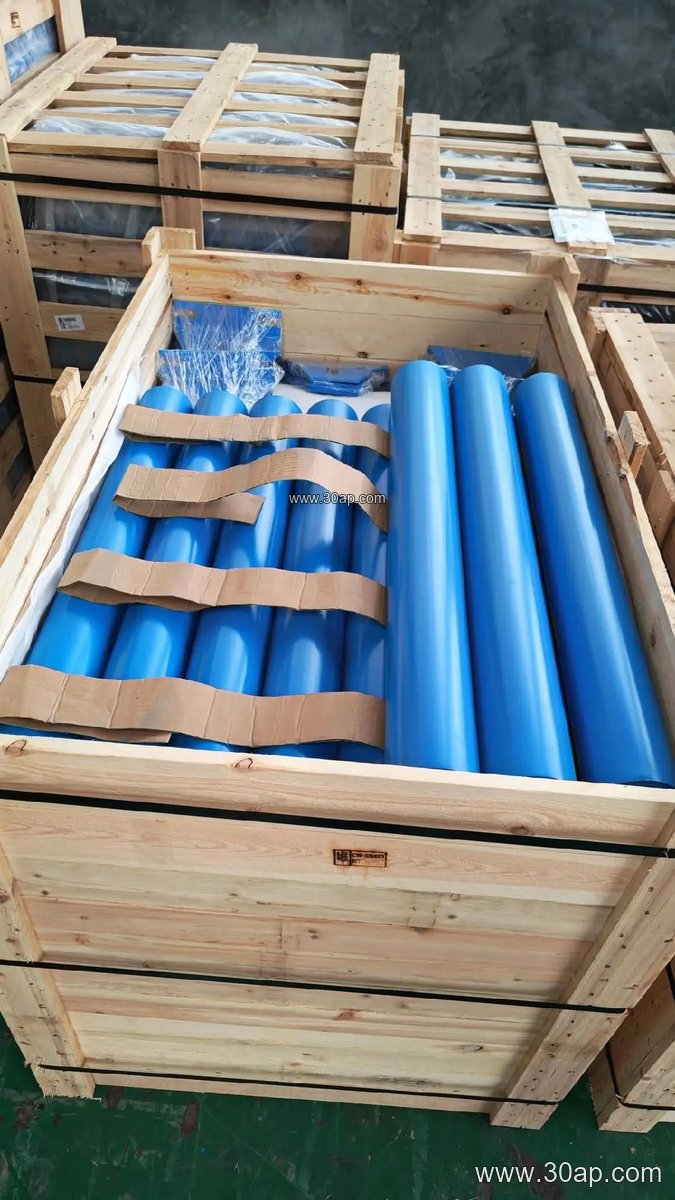
You will find these housings on every type of idler roller in a conveyor system. Troughing idlers, return idlers, impact idlers, and training idlers all rely on them. In a limestone mine, a series of 35-degree troughing idlers might use rollers with 127 mm or 133 mm diameter shells, and each roller has a bearing housing at both ends. The same applies to a 1000 mm wide conveyor belt carrying aggregate in a sand and gravel line.
They also appear on conveyor pulleys, but the housing design there is different because the pulley carries much higher loads. The idler bearing housing is specifically sized for the lighter, high-speed rotation of a roller. It is not interchangeable with a pulley bearing housing.
Matching Housing to Roller and Belt
Buyers should know that the bearing housing is tied to the roller diameter, shaft diameter, and bearing size. A common roller with a 108 mm diameter shell might use a 6205 bearing, while a 159 mm roller might use a 6308 or 6310. The housing must match the bearing outside diameter and the end cap design. Roller length also varies with belt width and trough angle. For example, a three-roll troughing set on a 800 mm wide belt often uses rollers about 315 mm long, but side rollers and center rollers can differ. On a 1200 mm belt, roller lengths around 465 mm are common. These are typical examples, not fixed rules.
When specifying, check the shaft diameter, the bearing number, the housing material, and the seal type. Also confirm the roller shell thickness and the end cap weld pattern. A housing that is too loose will spin in the shell; one that is too tight may distort the bearing race.
Maintenance and Selection Tips
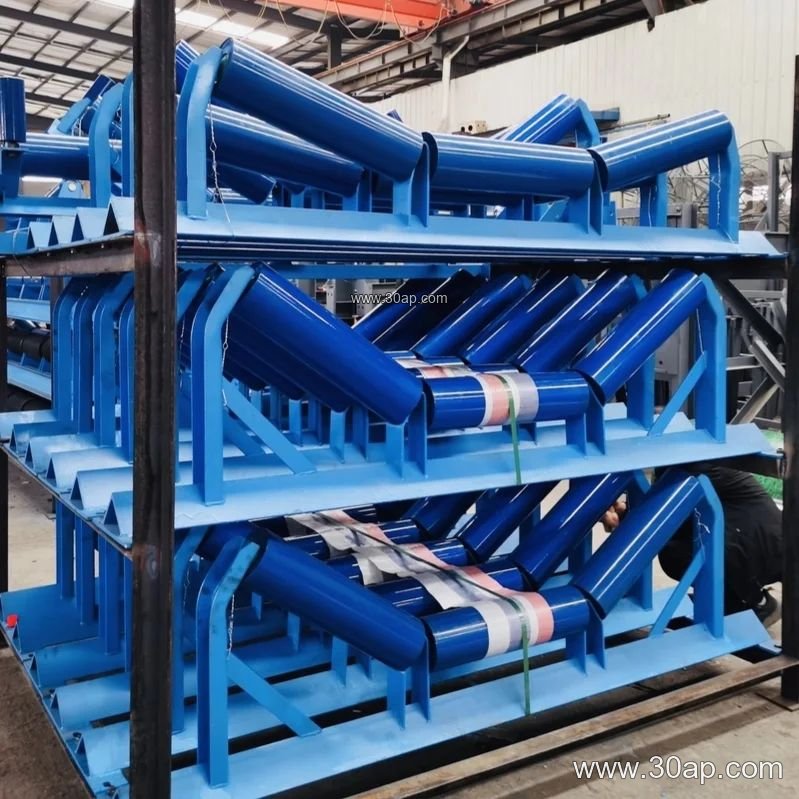
In a coal mining conveyor or a copper ore crushing line, idler bearing housings are exposed to heavy dust and vibration. During maintenance, listen for squealing rollers and check for grease leakage at the housing. A failed housing often shows as a loose end cap or a roller that wobbles by hand. Replacing the whole roller is common practice, but some operators rebuild rollers with new bearings and housings when the shell is still good.
For harsh conditions, choose housings with effective labyrinth seals and, where appropriate, regreasing ports. For food grade or clean applications, sealed-for-life housings may be preferred to avoid contamination. Always match the housing to the bearing size and the roller load rating.
Related Conveyor Components
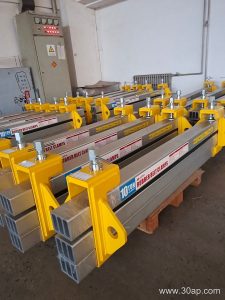
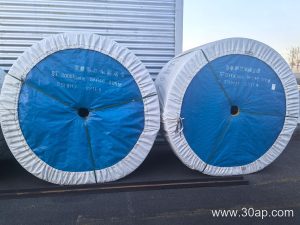
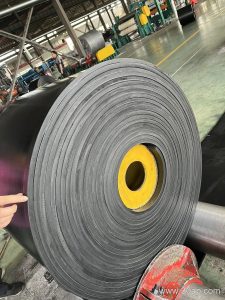
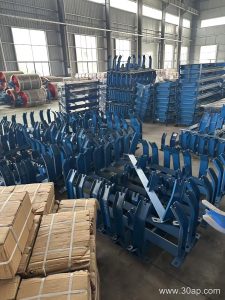
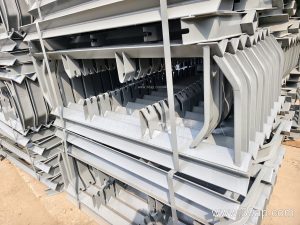
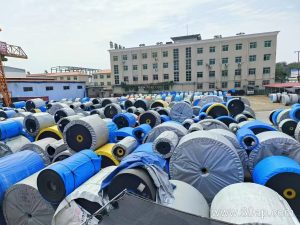
The bearing housing works alongside the idler roller, the conveyor bracket, and the conveyor pulley. In a full system, the belt type also matters. A heavy-duty mining conveyor belt or an abrasion resistant conveyor belt may carry sharp rock that increases vibration, so robust housings help. In cement plants, heat resistant conveyor belt grades may be used near kilns, and the idler bearings must tolerate higher temperatures. For long overland conveyors, steel cord conveyor belt or EP conveyor belt constructions are common, and each presents different load profiles to the idlers.
Understanding the idler bearing housing is a small but practical step toward reliable conveyor operation. Choose the housing to fit the bearing and the environment, and the rollers will keep turning.