What a Conveyor Support Leg Does
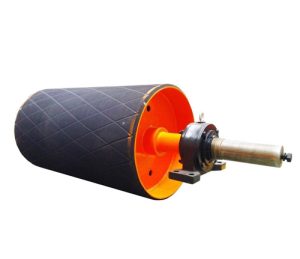
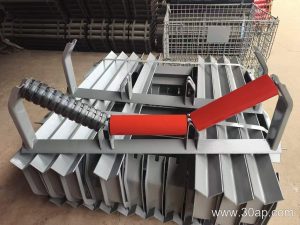
A conveyor support leg is the vertical structural member that carries the weight of a belt conveyor frame and transfers it to the floor, foundation, or steel structure. In many plants it is simply called a conveyor leg or support stand, and it works together with the conveyor bracket, idler roller, and conveyor pulley to keep the belt path aligned. The leg itself does not move; its job is to hold the frame at the correct height and angle so that the conveyor belt runs smoothly under load.
In a quarry, a cement plant, or a power plant coal yard, the support leg is often the first part a maintenance team checks after a spillage event. A bent or loose leg can tilt the whole frame, which then affects idler contact and belt tracking. That is why the leg is designed as a stiff, bolted or welded component rather than a simple prop.
How the Leg Is Built
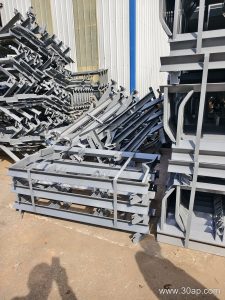
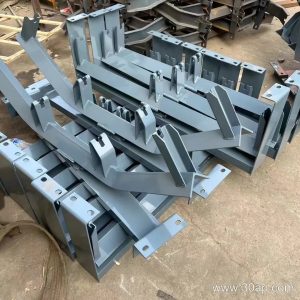
Most support legs are fabricated from angle steel, channel steel, or folded steel plate. The choice depends on the load and the required stiffness. A light-duty leg for a small aggregate conveyor may use angle steel, while a heavy-duty leg under a wide, fully loaded belt may use channel or folded plate with gussets at the base.
Typical features include:
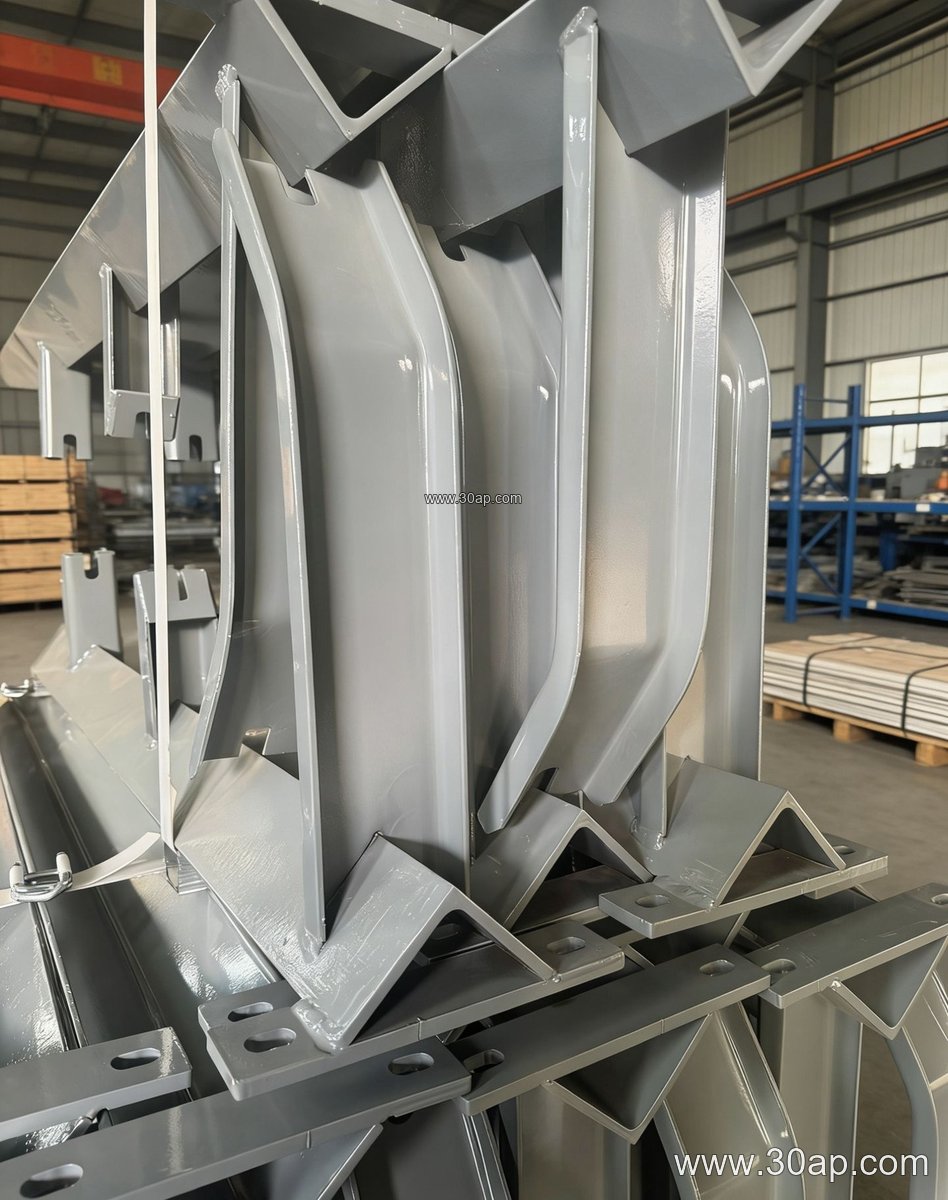
- A top plate or bracket that bolts to the conveyor stringer or to the support beam.
- A base plate with anchor holes for floor mounting.
- Diagonal bracing or a cross member when the leg is tall or carries side loads.
- Slotted holes or shim plates for height adjustment during installation.
The leg is usually supplied as a pair, left and right, and may be fixed or adjustable. An adjustable support leg allows the frame height to be corrected after the foundation is poured, which is useful in retrofit work and in plants where floor levels are not perfect.
Where Support Legs Are Used
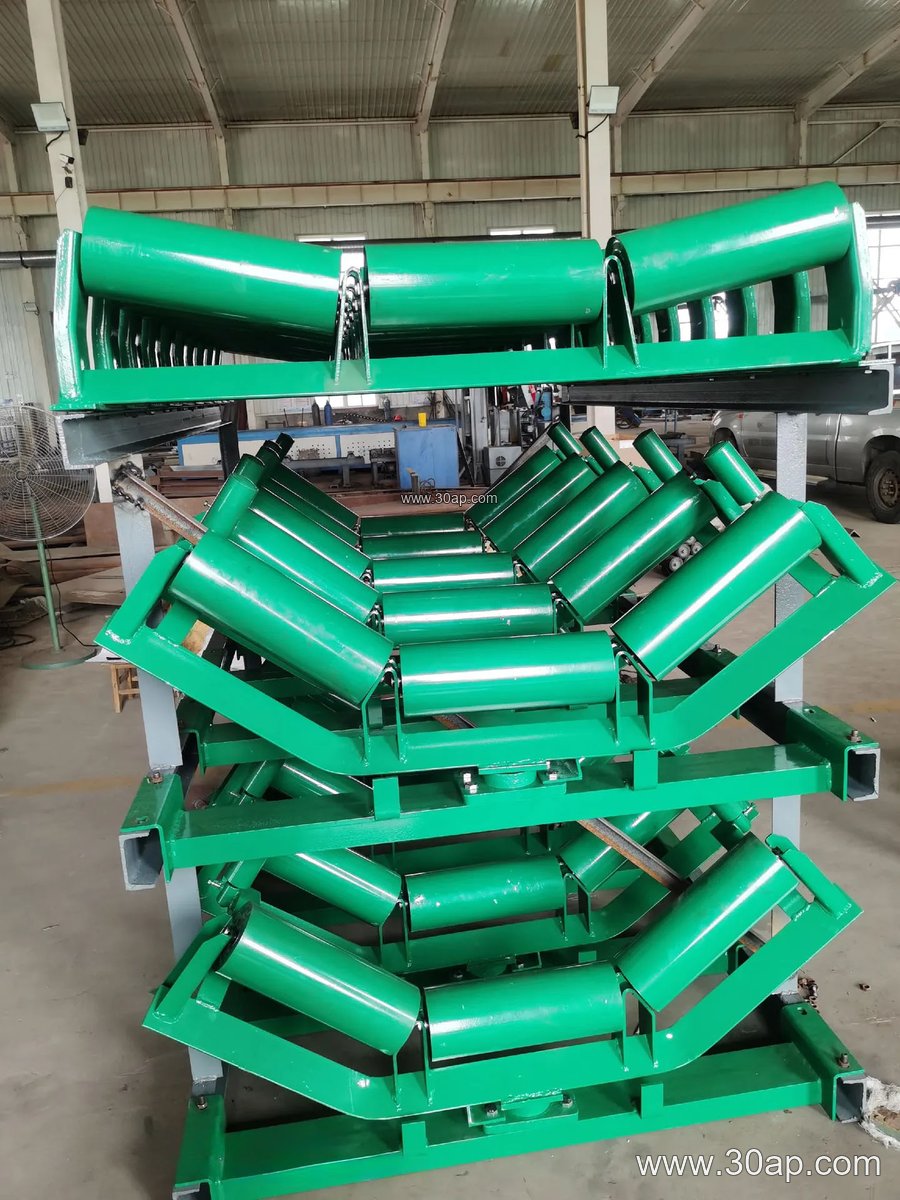
Support legs appear along the entire length of a belt conveyor, but they are most critical at transfer points, at the head and tail areas, and under heavy loading zones. In a coal mining conveyor or an underground mining conveyor, legs may be mounted on skids or floor beams rather than on concrete. In a stone crushing line, legs are often placed close together under the crusher discharge belt because of impact loads.
They are also used in:
- Sand and gravel plants and quarry conveyor lines.
- Cement plant clinker and raw material conveyors.
- Power plant coal handling systems.
- Port ship loading and bulk material conveyor systems.
- Steel plant and sintering plant conveyors.
In each case, the leg works with the conveyor bracket and idler roller to maintain the trough shape. A leg that settles or corrodes can change the trough angle and cause the belt to mistrack.
Matching the Leg to Belt Width and Idler Size
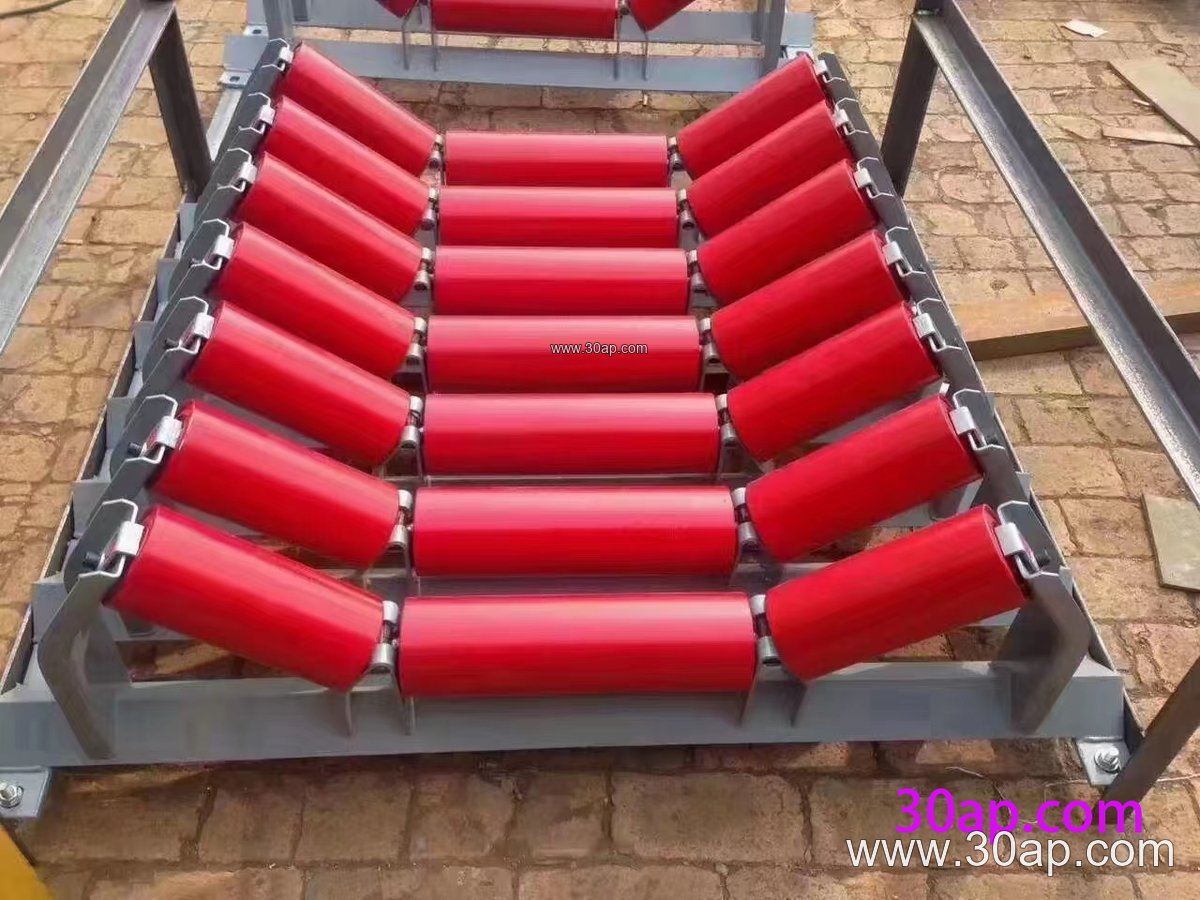
Support legs are not universal. The top bracket and beam length are usually matched to the belt width and the trough angle. Common belt widths include B500, B650, B800, B1000, B1200, B1400, B1600, B1800, B2000, B2200, but the leg design should follow the actual frame drawing rather than a single number.
The table below shows typical reference combinations; these are examples, not fixed rules.
| Belt width | Trough angle | Idler diameter | Typical leg note |
|---|---|---|---|
| B650 | 30 degrees | Ø89 | Light to medium duty, angle steel leg |
| B800 | 35 degrees | Ø108 | Common quarry and aggregate frame |
| B1000 | 35 degrees | Ø133 | Medium duty, channel leg |
| B1200 | 45 degrees | Ø133 | Heavy load, braced leg |
| B1400 | 45 degrees | Ø159 | Mining and port duty |
| B1600 | 35 or 45 degrees | Ø159 or Ø194 | Heavy-duty folded plate leg |
Installation hole spacing and crossbeam length change with belt width and trough angle, so they should be confirmed from the frame drawing. A wider belt does not automatically require a larger idler diameter; the load, speed, and material density also matter.
Buyer Checklist
Before ordering a conveyor support leg, confirm the belt width, the trough angle, the idler diameter, the mounting height, and whether the leg is fixed or adjustable. Ask for the base plate hole pattern and the top bracket dimensions. Check the surface treatment, since legs in a wash plant or a port area may need a coating suited to humid or corrosive conditions.
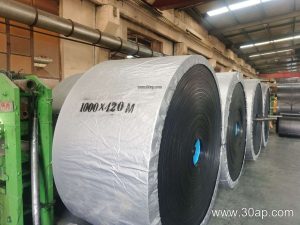
Also consider how the leg interacts with the rest of the structure. The conveyor bracket, the idler roller, and the conveyor pulley should all be supported by a frame that stays square. If the conveyor uses a rubber conveyor belt or an EP conveyor belt, the leg spacing should follow the belt sag and load requirements. For heavy-duty mining conveyor belts, such as a steel cord conveyor belt or a flame retardant conveyor belt, the frame and legs are usually designed together to handle the higher tension and weight.
Finally, plan for maintenance. A support leg with accessible anchor bolts and a clear base is easier to inspect and re-shim. In dusty plants, such as a cement plant or a coal handling system, keeping the base plate clean helps prevent corrosion and loosening over time.