What a Mining Conveyor Bracket Does
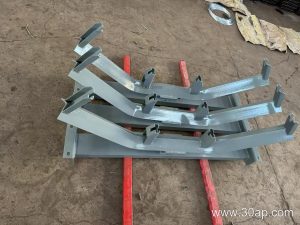
A mining conveyor bracket is the structural interface between the idler roller and the conveyor frame. In a quarry, coal preparation plant, or ore stockyard, it holds the rollers at the correct angle and spacing so the conveyor belt can carry bulk material without excessive sag or misalignment. The bracket itself does not move; its job is to keep everything else in the right position under heavy loads.
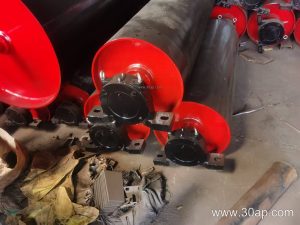
Unlike a drive pulley or tail pulley, which transmit power and control belt tension, the bracket is a fixed or adjustable support element. It works alongside conveyor pulleys and conveyor brackets to form the complete carrying and return sides of the conveyor.
Common Types and Where They Fit
Brackets are usually classified by their position and function on the conveyor line. The main types include:
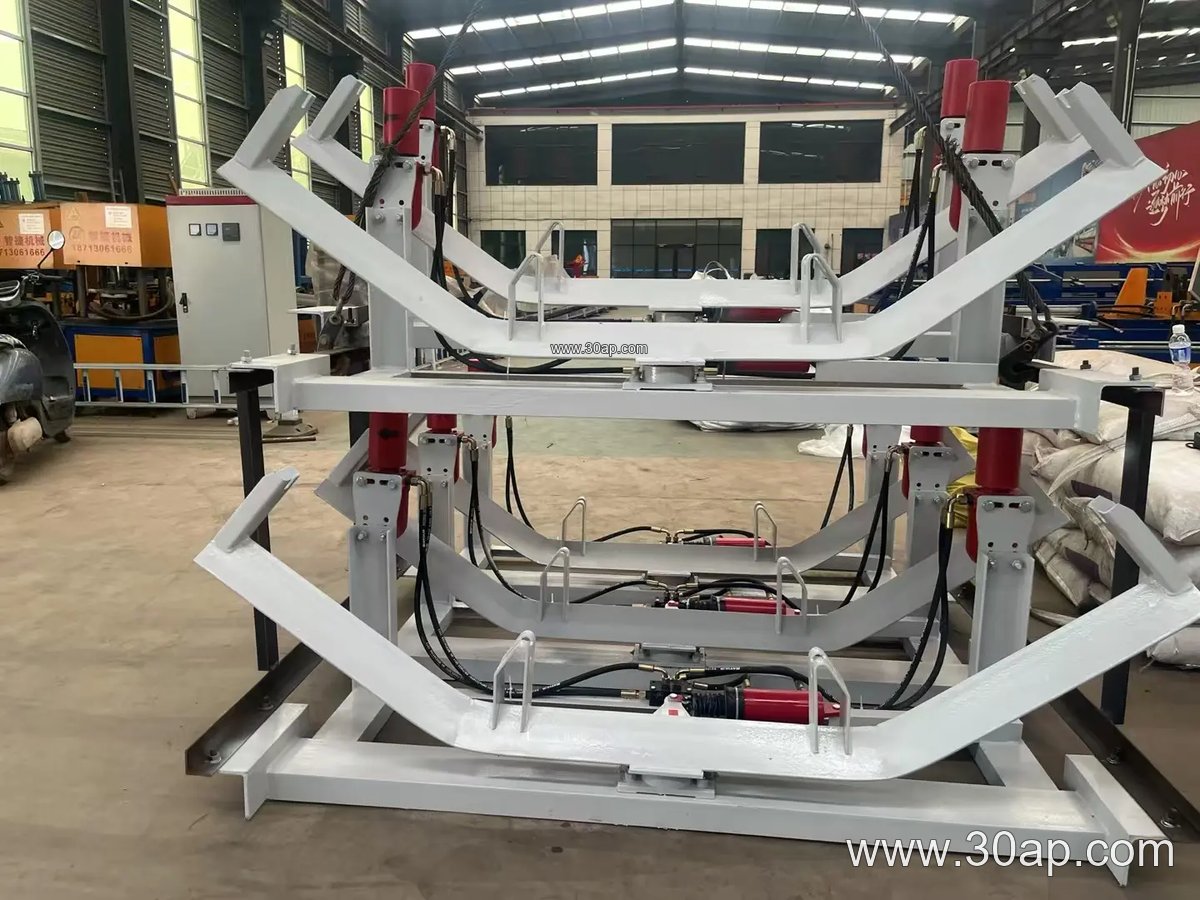
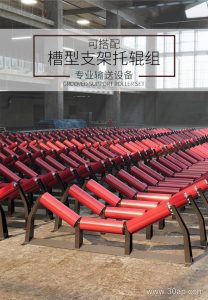
- Troughing bracket – supports the carrying-side idlers at a set trough angle.
- Transition bracket – used near pulleys to gradually change belt shape.
- Return bracket – holds the return-side idlers, often in a V or flat arrangement.
- Impact bracket – reinforced to absorb shock at loading points.
- Self-aligning bracket – allows slight movement to correct belt tracking.
- Adjustable bracket – permits changes to trough angle or roller position.
Each type has a specific role. For example, a self-aligning bracket is not a replacement for a transition bracket; they solve different problems.
Materials and Construction
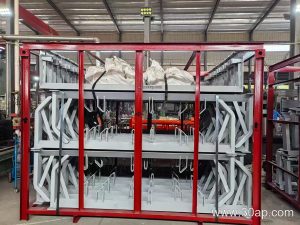
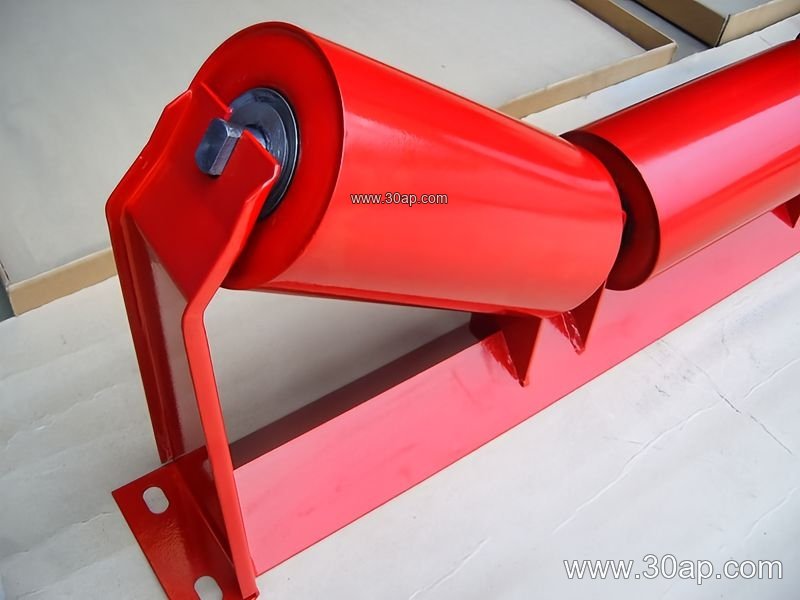
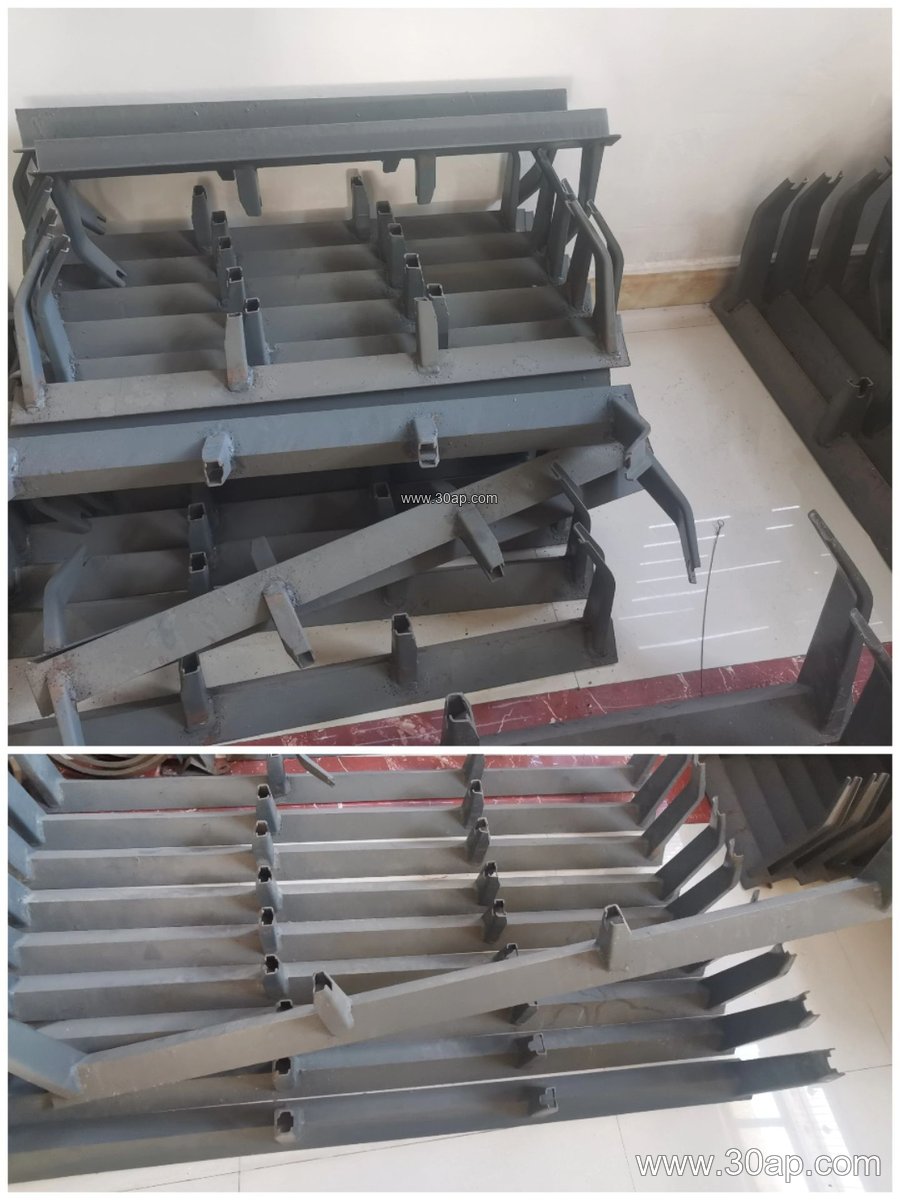
Most mining conveyor brackets are fabricated from angle steel, channel steel, or bent steel plate. The material thickness and weld quality matter more than the profile alone, because the bracket must resist vibration, dust, and occasional impact. In coal mining and underground mining conveyor systems, brackets may also be treated for corrosion resistance or given flame-retardant properties when required by the site.
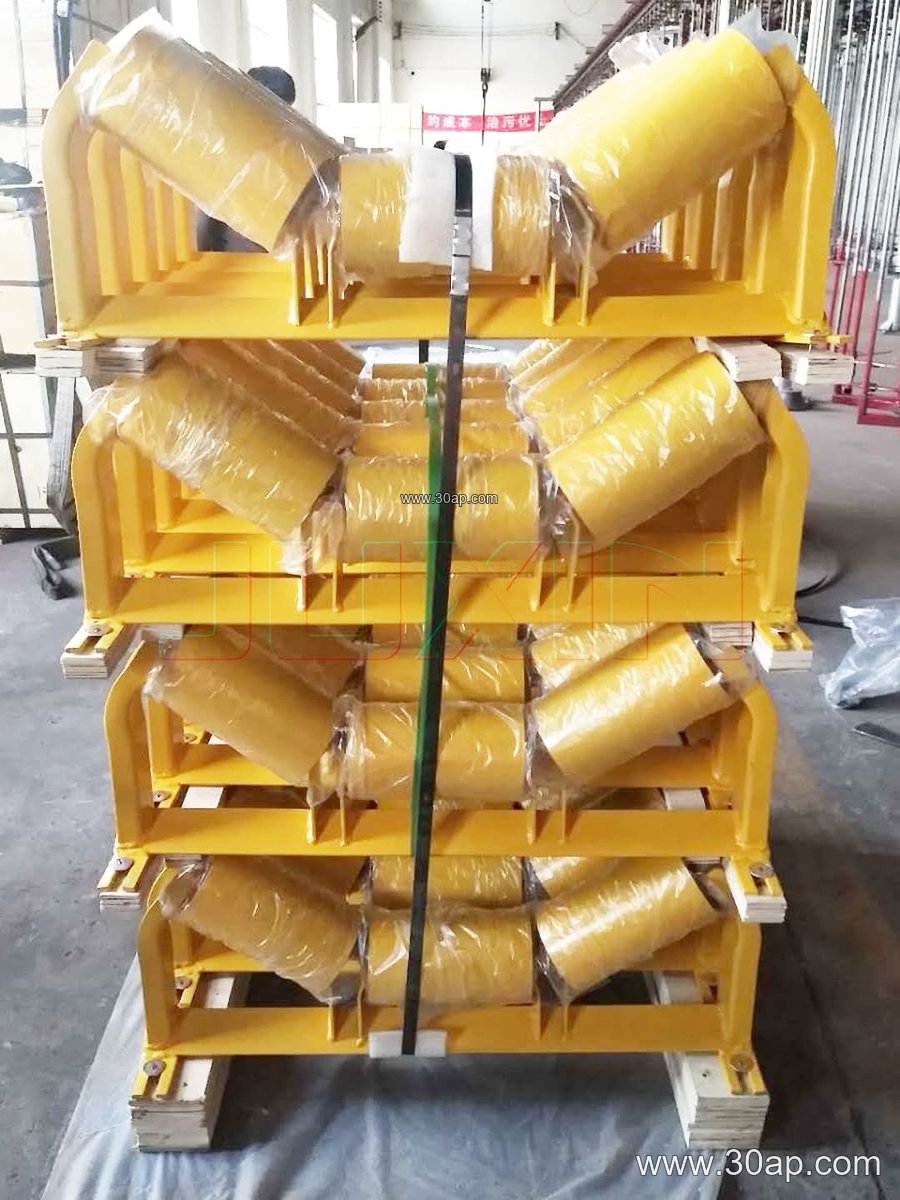
Typical bracket dimensions are matched to belt width and roller diameter. Common belt widths include B500, B650, B800, B1000, B1200, B1400, B1600, and B1800. Roller diameters often range from Ø89 to Ø194. A bracket for a B800 conveyor with 35-degree troughing might use Ø108 idlers, while a B1200 conveyor with 45-degree troughing could use Ø133 rollers. These are examples, not fixed rules.
Trough Angle and Roller Diameter Selection
The trough angle affects material containment and belt life. Common angles are 20, 30, 35, and 45 degrees. Adjustable brackets allow the operator to change the angle within a range to suit different materials. For instance, a 35-degree trough is often used for general bulk material, while a 45-degree trough may help contain a wider load on a high-capacity line.
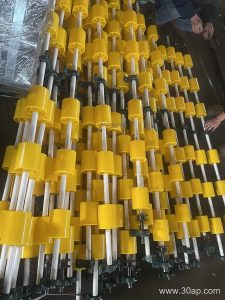
Roller diameter should be chosen based on belt width, load, and speed. A B650 conveyor might use Ø89 rollers with a 30-degree trough, while a B1400 conveyor could use Ø159 rollers with a 35-degree trough. The bracket must match the roller shaft and mounting hole spacing, which varies with belt width and trough angle.
Installation and Maintenance Notes
Correct installation keeps the conveyor belt centered and reduces wear on the idler roller and pulley. Brackets should be aligned square to the conveyor centerline. On the carrying side, troughing brackets are usually spaced at regular intervals; on the return side, return brackets support the empty belt. Transition brackets near the head and tail pulleys help avoid excessive edge stress.
During maintenance, check for loose bolts, bent brackets, and worn mounting holes. A damaged bracket can cause the idler to sit at the wrong angle, leading to belt misalignment and premature wear of the conveyor belt. In dusty environments such as a cement plant or power plant coal yard, clean the bracket area to prevent material buildup that can affect roller rotation.
Buyer Checklist
Before ordering, confirm the belt width, trough angle, roller diameter, and mounting hole spacing. Decide whether a fixed or adjustable bracket is needed. For high-impact areas, specify an impact bracket. For long conveyors, consider self-aligning brackets at critical points. Also verify the material and surface treatment match the site conditions, especially in underground coal mining or corrosive environments.
Remember that the bracket is part of a system. It must work with the conveyor belt, idler roller, and conveyor pulley, not as a standalone item. A well-matched bracket improves the reliability of the entire conveyor line, whether in a quarry, a steel plant, or a port bulk terminal.