What a Conveyor Idler Shaft Does
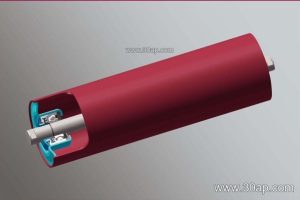
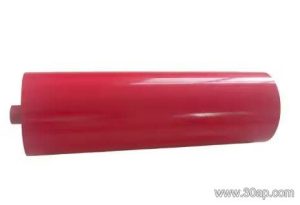
A conveyor idler shaft is the stationary axle inside an idler roller. It does not turn with the shell. Instead, it holds the roller in place, carries the load from the belt through the bearings, and keeps the roller aligned on the conveyor bracket. In a quarry or a coal handling plant, dozens or hundreds of these shafts work quietly under the belt. If one bends or wears at the bearing seat, the roller wobbles, the belt tracks poorly, and downtime follows.
The shaft is easy to overlook because it is hidden inside the roller. Yet it sets the roller’s load capacity, its service life, and how easily the roller can be replaced. A well-made shaft keeps the idler roller spinning freely even under a heavy conveyor belt loaded with ore or aggregate.
How the Shaft Is Built
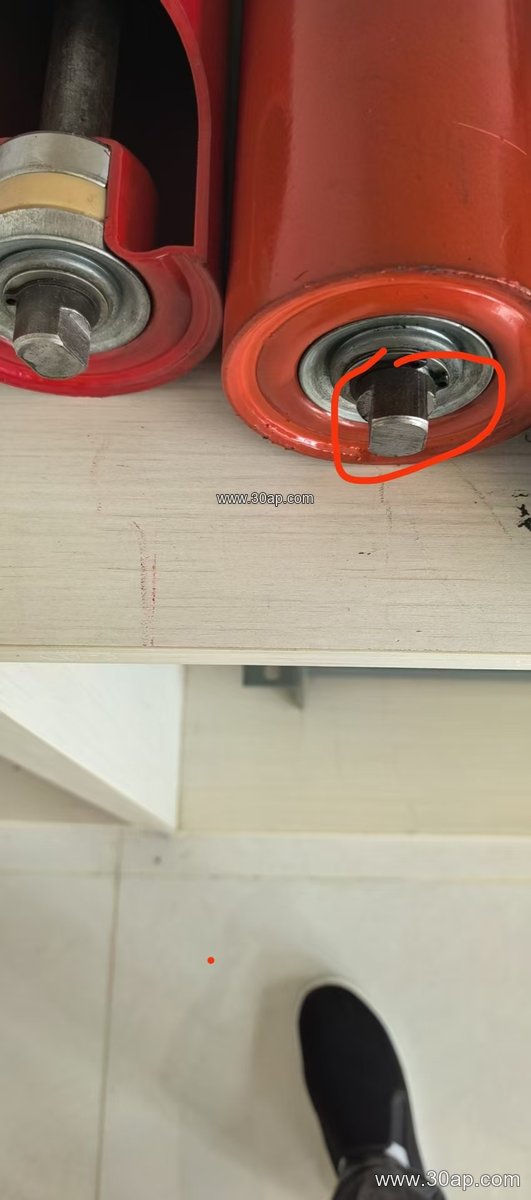
Most idler shafts start as round carbon steel bar. The diameter is turned and ground at the bearing seats so the bearing fits with the right interference. The ends are machined to fit the bracket slots or flats. Some shafts are threaded at the ends for a nut, while others use a pin or a milled flat that locks into the conveyor bracket. A rust-preventive coating or plating is common for outdoor installations.
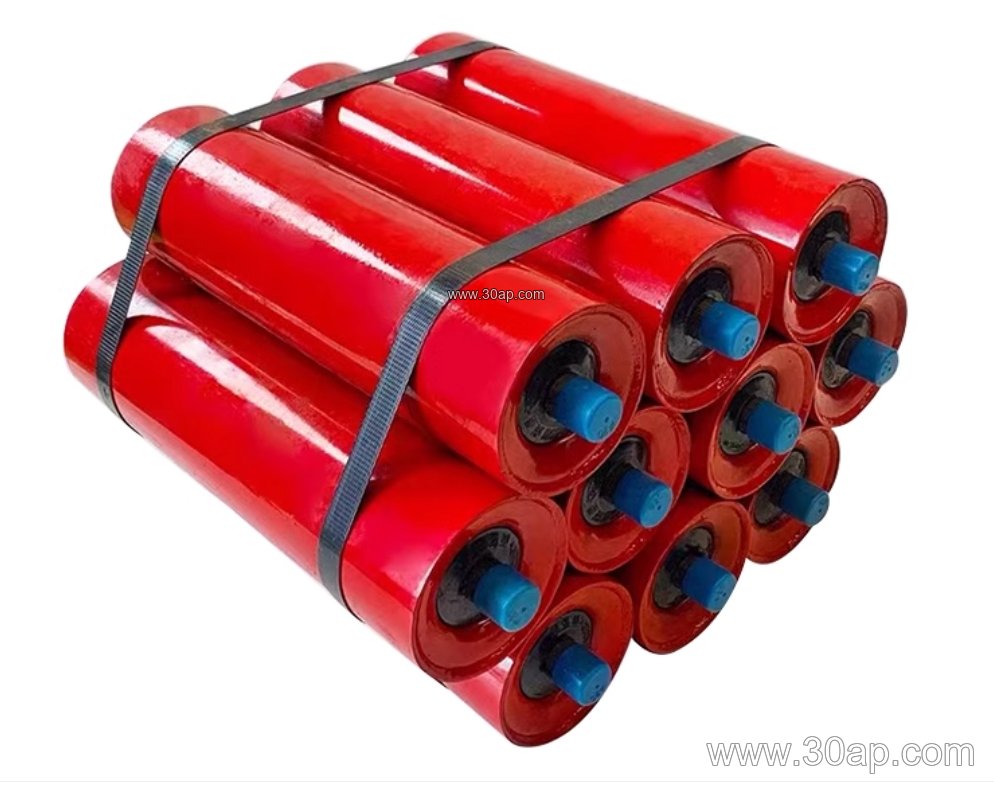
Key features of a typical shaft include:
- Bearing seats ground to a consistent diameter and finish
- Ends machined to match the bracket design
- Straightness controlled along the full length
- Corrosion protection suited to the site
The shaft material and heat treatment are usually chosen to resist bending under the belt load. For heavy-duty mining conveyor belt lines, a larger shaft diameter may be used to keep deflection low. The shaft is not a wear part in the same way as the roller shell, but its bearing seats and end fittings must stay accurate.
Where It Fits in the Conveyor
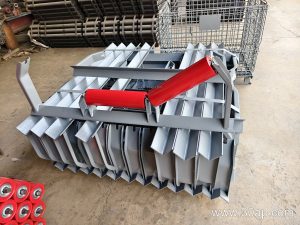
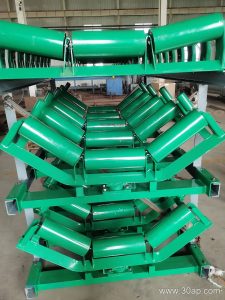
The shaft sits inside every type of idler roller used along the belt line. Troughing idlers on the carrying side, return idlers underneath, impact idlers at the loading point, and self-aligning idlers all rely on a shaft to hold the roller in position. The shaft passes through the roller shell, the bearings, and the seals, and its ends rest in the bracket.
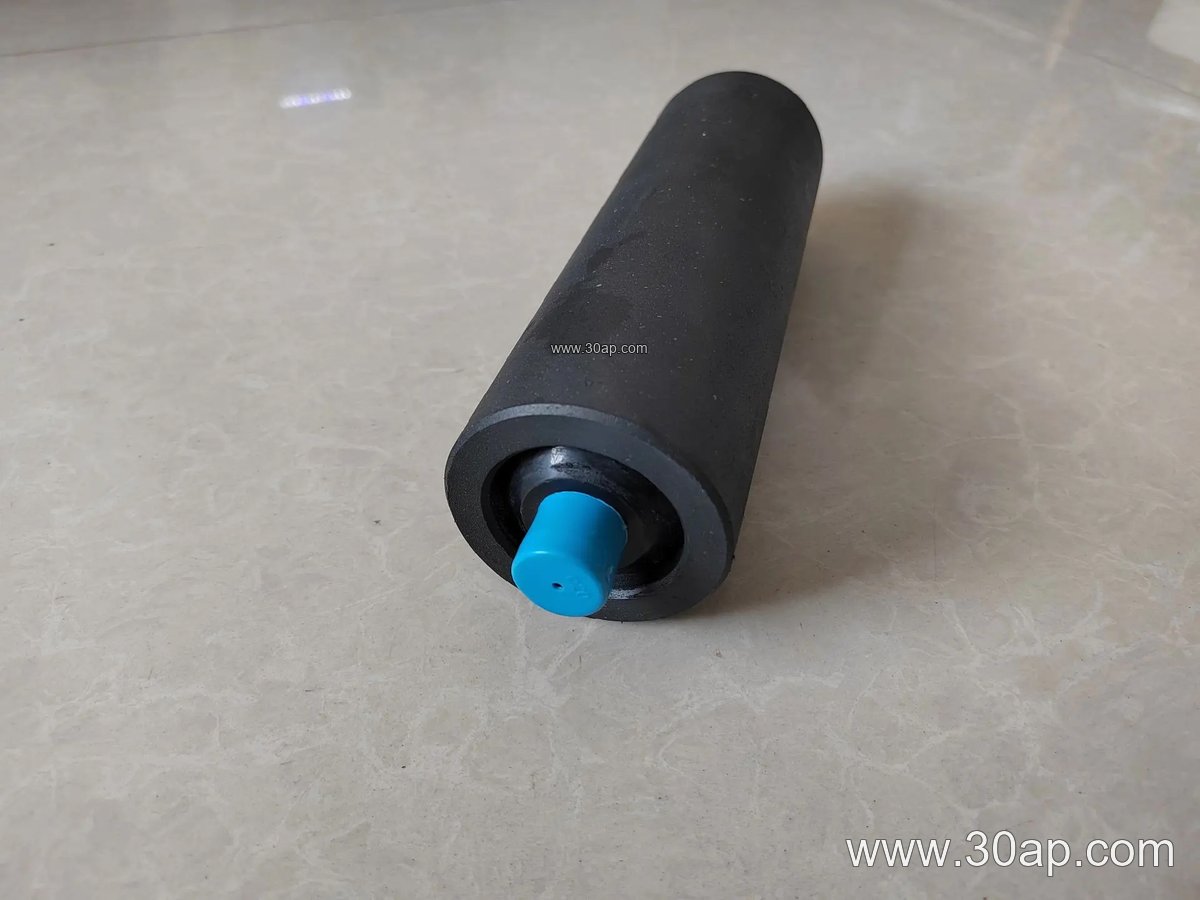
In a cement plant or a power plant coal yard, the conveyor belt may run hundreds of meters. Each idler station has its own shaft, and each one must match the roller diameter and the bracket opening. A shaft that is too short will not seat properly; one that is too long may interfere with the structure. The conveyor bracket and the shaft end must be a designed pair.
Shaft Diameter, Roller Diameter and Belt Width
Buyers often ask how shaft diameter relates to belt width. There is no single rule that ties one belt width to one shaft diameter. The shaft is selected together with the roller diameter, the load, the idler spacing, and the belt speed. A wider belt usually carries more material, so the idler and shaft may need more strength, but the final choice comes from the conveyor design.
Common roller diameters in bulk handling include Ø63, Ø76, Ø89, Ø102, Ø108, Ø127, Ø133, Ø159, Ø178, Ø194 and Ø219 mm. The shaft diameter inside these rollers varies with the bearing size and the load rating. Bearings such as 6204, 6205, 6305, 6306, 6308 and 6310 are common, but a given bearing number is not tied to only one roller diameter. The shaft seat is machined to suit the bearing selected for that roller.
Belt widths from B400 to B2400 are used across different industries. For a B800 or B1000 conveyor belt in a sand and gravel line, a medium-duty idler may be enough. For a B1800 or B2000 conveyor belt carrying iron ore, the idler shaft and bearing assembly are usually heavier. The shaft length also changes with the trough angle and the idler arrangement. In a three-roll troughing set, the roll length might be around 200 mm for B500, 250 mm for B650, 315 mm for B800, 380 mm for B1000, 465 mm for B1200, 530 mm for B1400, 600 mm for B1600, 670 mm for B1800 and 750 mm for B2000. These are common examples, not fixed pairings, and the side rolls can differ from the center roll.
What Buyers Should Check
When specifying a conveyor idler shaft, start with the roller drawing and the bracket interface. Confirm the shaft end shape, the bearing seat diameter, and the overall length. Ask about the steel grade and the corrosion protection if the conveyor runs outdoors or in a wash-down area. For a coal mining conveyor belt or an underground installation, flame retardant and anti-static properties are usually specified for the belt, while the idler shaft itself must suit the environment and the load.
It also helps to think about maintenance. A shaft with a damaged bearing seat can sometimes be repaired, but replacement is often simpler. Keeping a few spare idler rollers with their shafts on hand reduces downtime in a crusher conveyor belt line or a port conveyor belt system. The shaft is a small part, but it is part of the chain that keeps the belt moving.
For more on related components such as the conveyor pulley, idler roller and conveyor bracket, match each part to the same conveyor design. The shaft should never be chosen in isolation from the roller and the bracket it serves.