What an Impact Idler Set Does at the Loading Zone
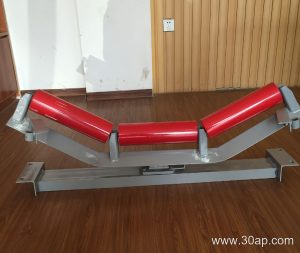
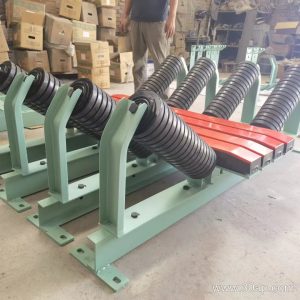
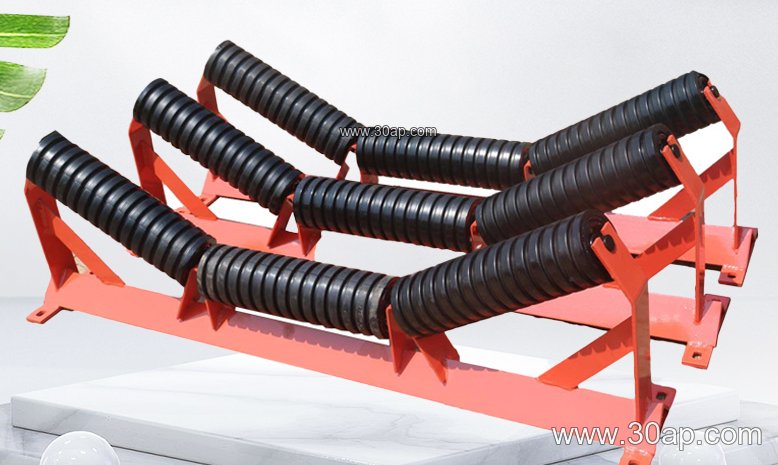
An impact idler set is the group of rollers mounted directly beneath the point where material drops onto a conveyor belt. Its job is to absorb the energy of falling rock, ore, coal, clinker or aggregate before that energy reaches the belt carcass. On a quarry conveyor or a crusher discharge line, the drop height can be significant, and a standard troughing idler would take the full blow on a thin steel shell. The impact idler set instead presents a resilient surface, usually rubber rings or rubber discs, so the shock is cushioned and spread across several rollers rather than concentrated on one spot.
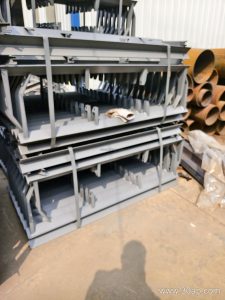
The set normally sits in the same frame position as a carrying idler group, but with a heavier build. A typical arrangement is a three-roll troughing set, though two-roll and single-roll versions exist for narrower belts or tight spaces. The assembly works together with the conveyor bracket, the stringer and the belt itself, so the impact zone is a system rather than a single part.
Construction Details That Matter
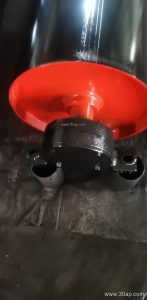
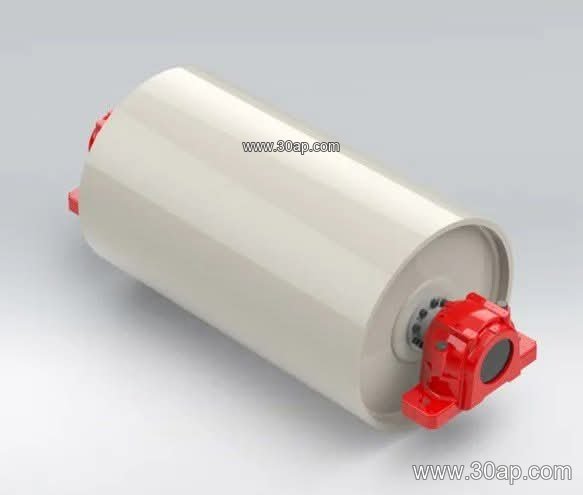
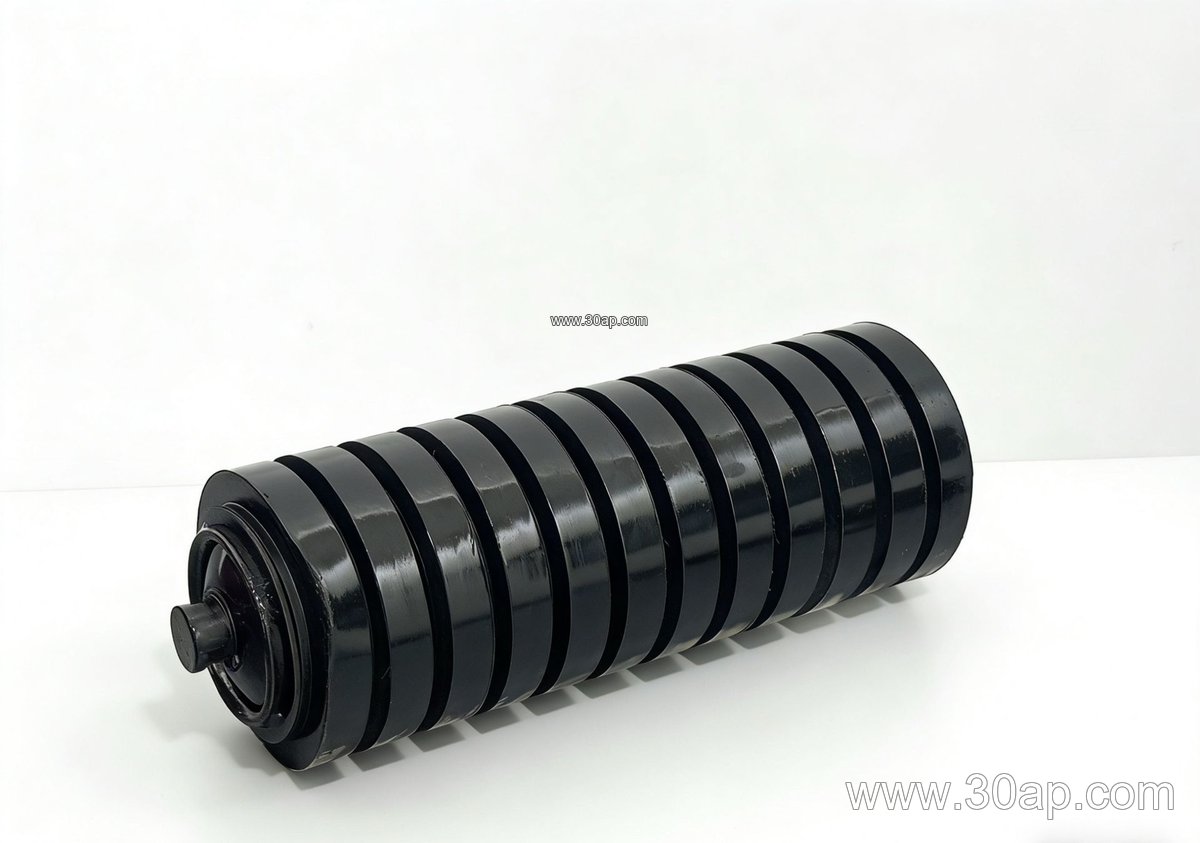
The cushioning comes from the roller surface. Rubber ring impact rollers use thick rubber discs pressed onto a steel shaft, with the rings spaced along the length so material fines can fall away instead of packing between them. Some designs use a continuous rubber sleeve. The shaft is usually larger than a comparable standard idler roller shaft, and the bearing housing is reinforced to survive repeated shock loads.
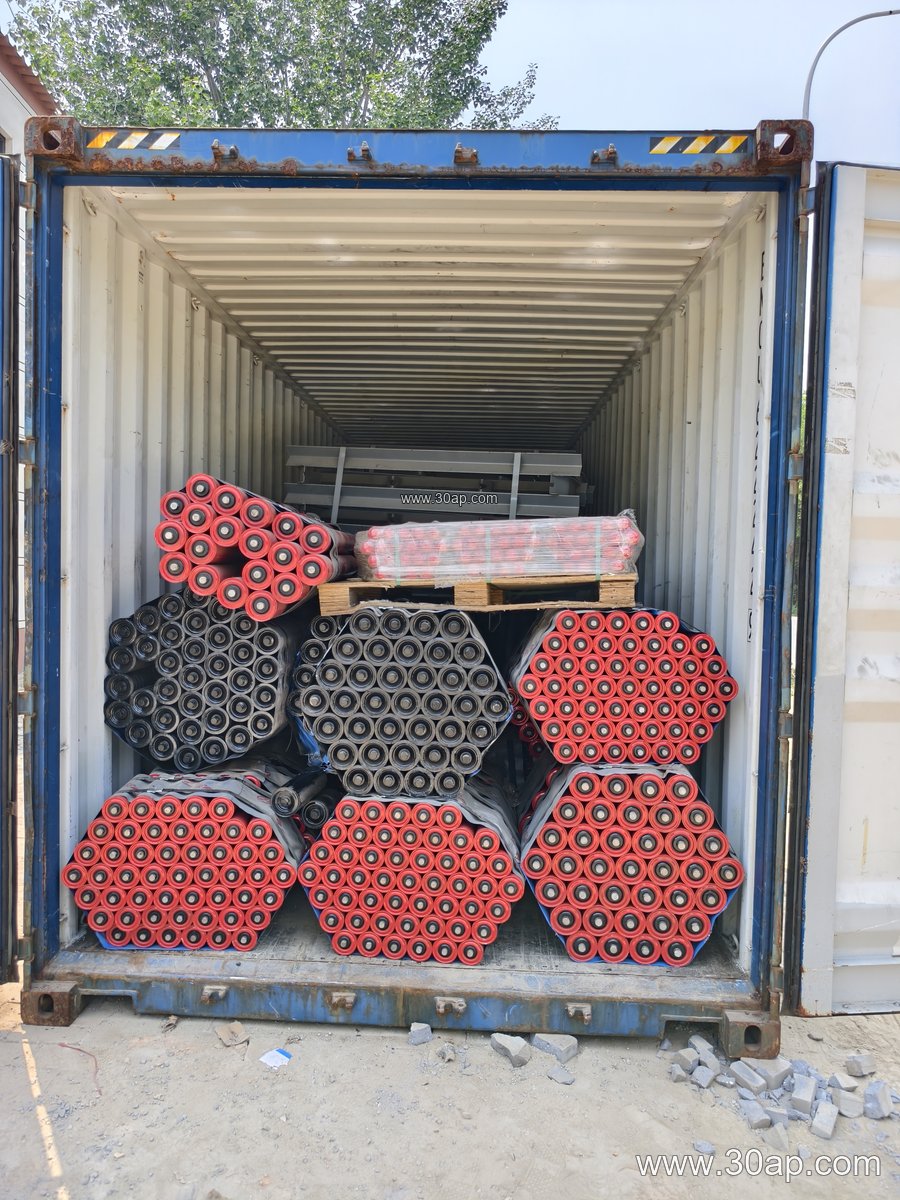
Common roller diameters for impact service include Ø89, Ø102, Ø108, Ø127, Ø133, Ø159 and Ø178 mm, with larger sizes used on wide, high-tonnage belts. Bearing sizes such as 6205, 6305, 6306 and 6308 appear across these diameters; the correct bearing depends on the load calculation, not on the roller diameter alone. Roll length follows belt width, trough angle and the number of rolls in the set. For a three-roll troughing set, common roll lengths are roughly 200 mm at B500, 250 mm at B650, 315 mm at B800, 380 mm at B1000, 465 mm at B1200 and 530 mm at B1400. Side rolls and centre rolls can differ, so these are reference examples rather than fixed pairings.
Typical Reference Ranges
| Parameter | Common options |
|---|---|
| Roll diameter | Ø89, Ø102, Ø108, Ø127, Ø133, Ø159, Ø178, Ø194 mm |
| Belt width | B500, B650, B800, B1000, B1200, B1400, B1600, B1800 mm |
| Trough angle | 20°, 30°, 35°, 45° |
| Roll surface | Rubber ring, rubber disc, plain steel for light impact |
| Bearing | 6204, 6205, 6305, 6306, 6308, 6310 |
| Set form | Single roll, two-roll, three-roll troughing |
Sealing is often overlooked. Dust from a cement plant or a coal handling system will destroy an unprotected bearing quickly, so labyrinth seals and grease retention features are worth checking on the datasheet.
Where These Sets Are Used
The most demanding positions are transfer points in sand and gravel plants, limestone quarries and iron ore operations, where lump size is large and fall height is not always well controlled. In a coal washing plant or a power station coal yard, the impact idler set protects the belt at the tripper and at truck or wagon unloading stations. Crusher discharge conveyors are another classic location, because the material leaves the crusher with sharp edges and irregular shape.
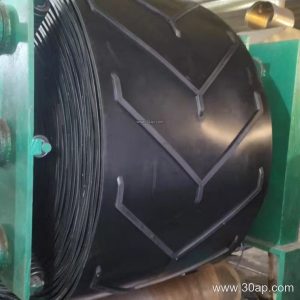
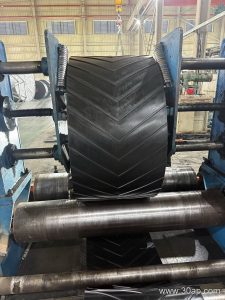
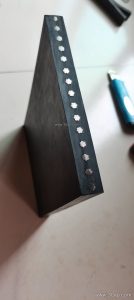
The belt itself matters too. A heavy-duty mining conveyor belt or a high abrasion resistant conveyor belt can tolerate more direct impact than a thin general-purpose belt, but even a robust EP conveyor belt or steel cord conveyor belt benefits from cushioning at the load point. Where fines and moisture are present, pairing the impact set with a skirted conveyor belt or a corrugated sidewall conveyor belt helps keep material centred and reduces spillage onto the rollers.
Selection and Maintenance Notes for Buyers
Start with the actual drop height, lump size and throughput, then match the roller diameter and rubber thickness to that duty. A buyer should confirm the belt width, the trough angle and the frame hole spacing before ordering, because an impact idler set must fit the existing conveyor bracket without modification. Ask for the shaft diameter and bearing type in writing rather than assuming a value from belt width.
- Check rubber ring wear at the centre roll first; it takes the heaviest hits.
- Rotate or replace worn rings before the steel shaft is exposed.
- Verify that material does not build up between rings, which can cause belt tracking problems.
- Confirm grease intervals with the supplier and keep records for each set.
For more on matching belts and rollers to a specific line, see the roller and belt guidance at impact idler set and the conveyor belt selection notes at conveyor belt.