What a Belt Conveyor Idler Frame Does
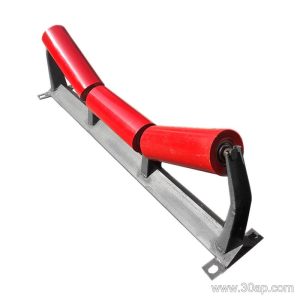
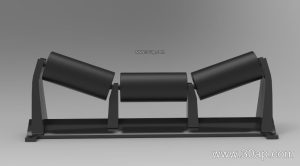
A belt conveyor idler frame is the structural support that holds the idler rollers in the correct position under and around the conveyor belt. It keeps the belt in a stable trough, sets the trough angle, and transfers the load from the belt and material into the conveyor stringer or frame. In a coal mining conveyor or a quarry conveyor line, the idler frame is the quiet workhorse: it does not move, but it decides how well the rollers track, how evenly the belt sits, and how easy maintenance becomes.
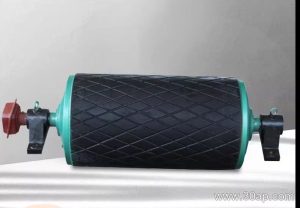
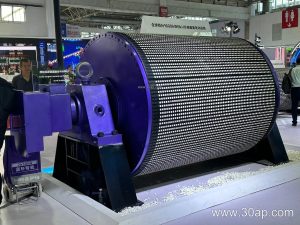
People sometimes call this part a roller bracket, roller support frame, or idler support frame. These are the same product under different site names. It is not a conveyor pulley: drive, tail and bend pulleys are separate components with different duties, and they are not interchangeable with an idler frame.
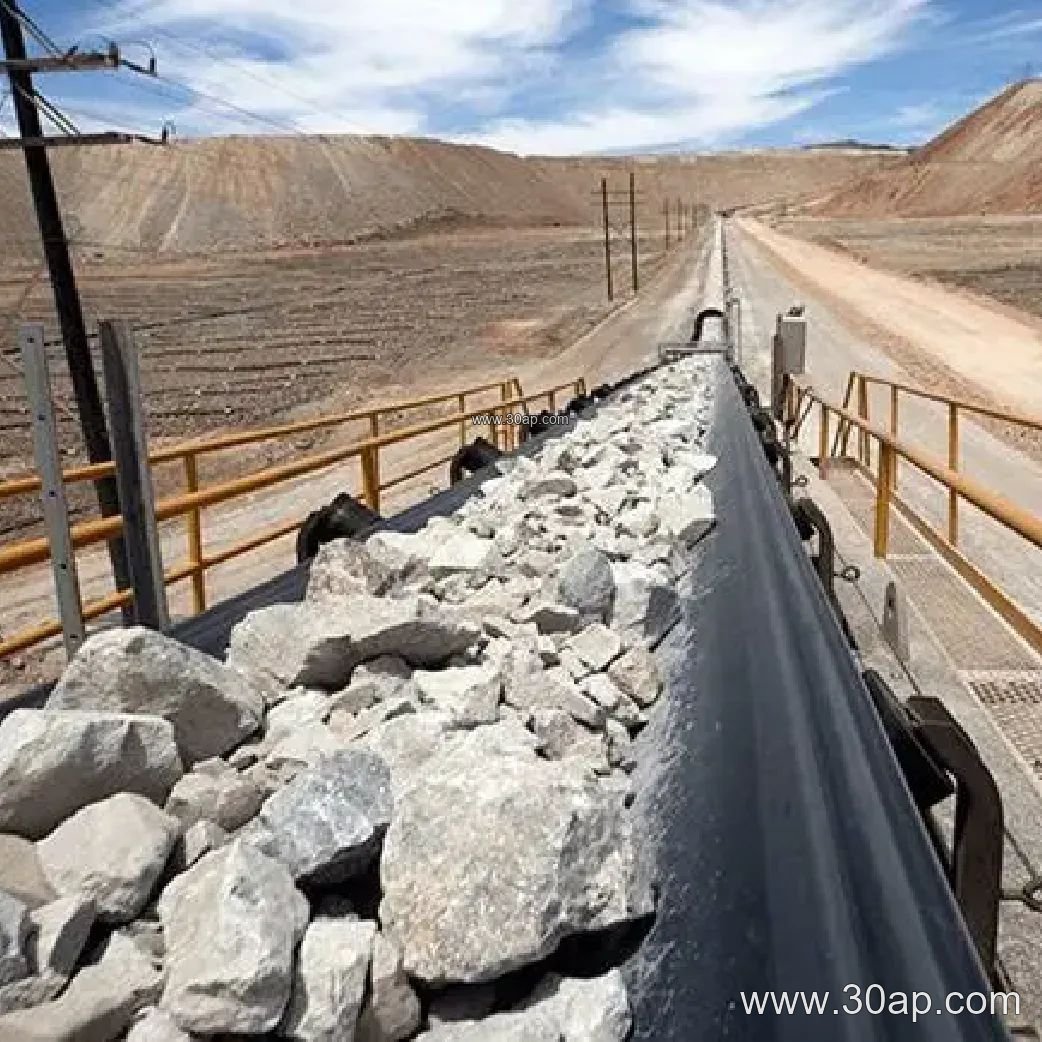
How the Frame Is Built
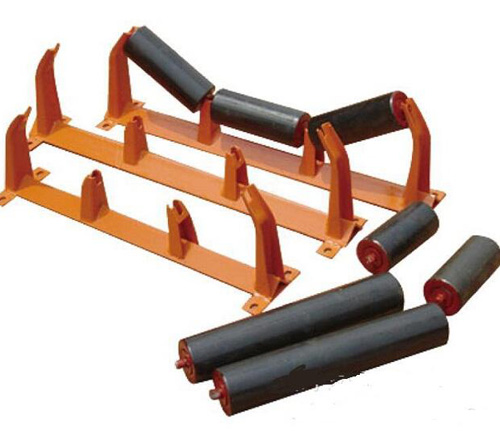
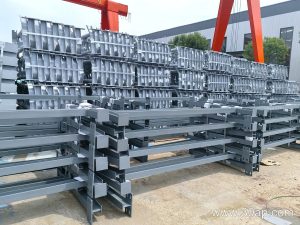
Most frames are fabricated from angle steel, channel steel, or folded steel plate. The material and thickness are chosen to suit the load, the belt width, and the environment. A frame usually includes a cross beam, mounting slots or holes for the idler shafts, and feet or brackets that bolt to the conveyor stringer. Welding quality and hole alignment matter because a twisted frame will make the belt run off center.
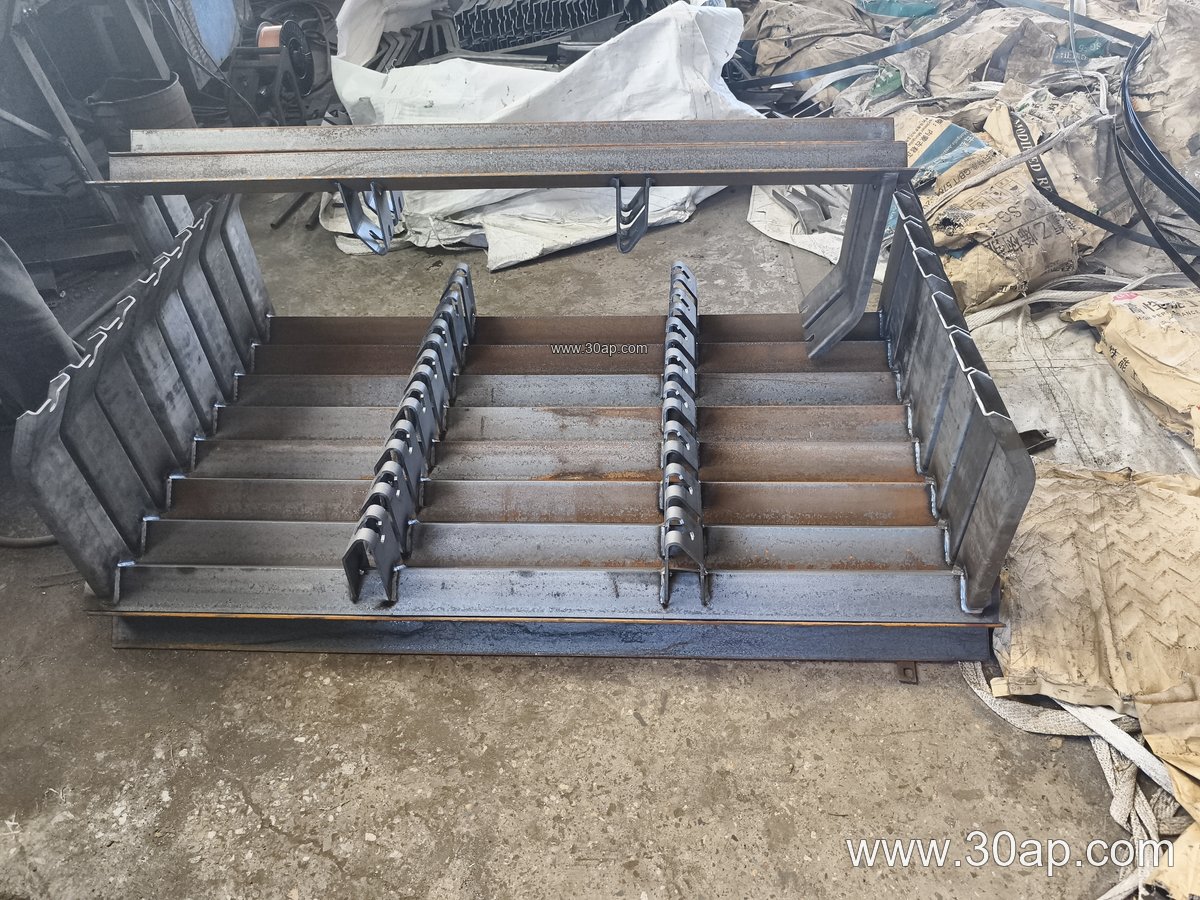
Common forms include trough frames for the carrying side, transition frames near pulleys, return frames and V-return frames for the empty side, impact frames under loading points, and self-aligning frames. Adjustable frames let crews set the trough angle between common values such as 20, 30, 35 and 45 degrees. Forward-leaning frames, often about 1.5 to 2 degrees, help with belt training.
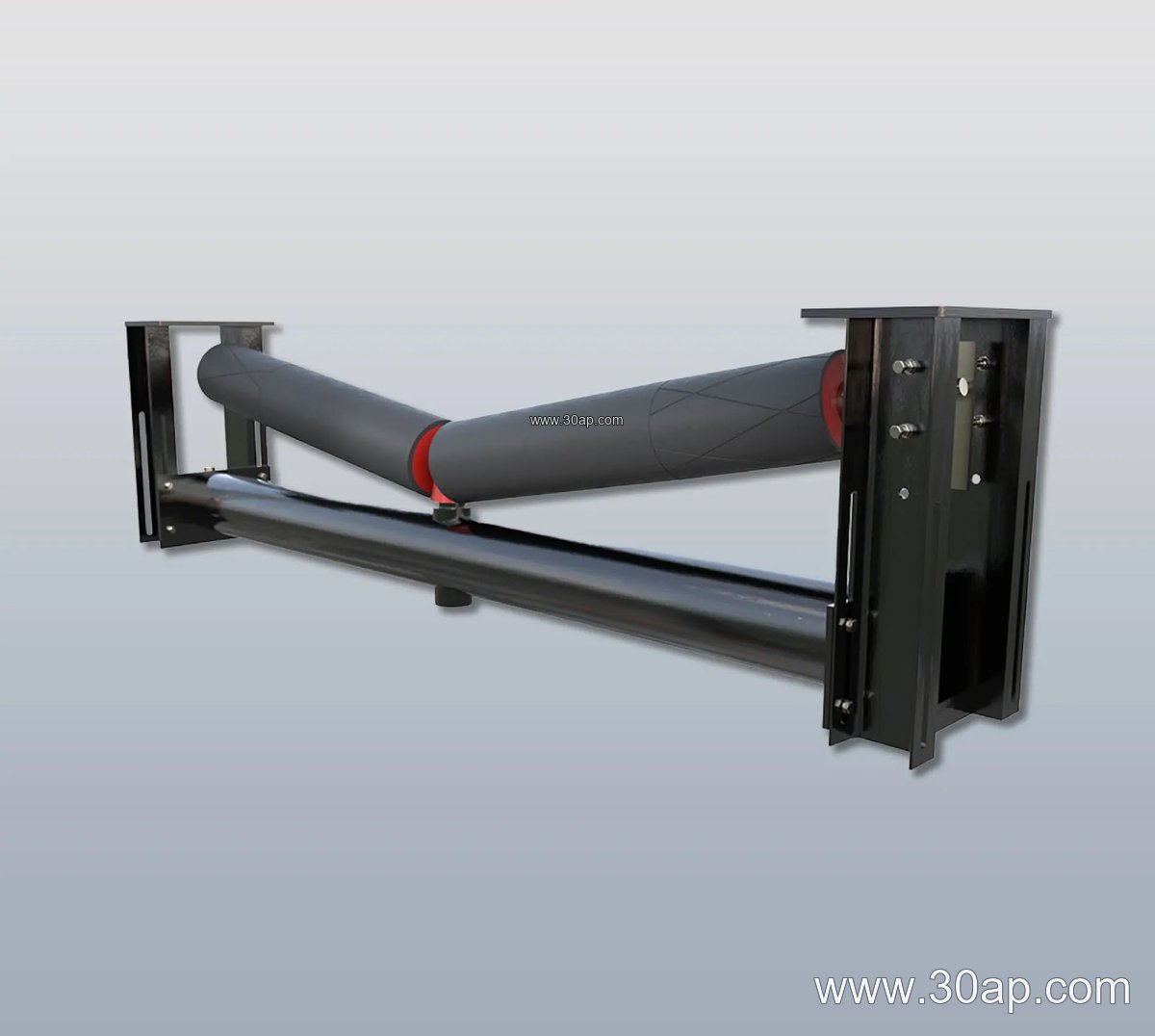
Reference Dimensions at a Glance
The table below shows typical reference values, not fixed pairings. Actual hole spacing and beam length are determined by belt width, trough angle and design.
| Item | Common Reference Values |
|---|---|
| Belt width | B500, B650, B800, B1000, B1200, B1400, B1600, B1800, B2000, B2200 |
| Trough angle | 20°, 30°, 35°, 45° (adjustable frames cover several) |
| Idler diameter | Ø89, Ø108, Ø133, Ø159, Ø194 |
| Frame material | Angle steel, channel steel, folded plate |
For example, a B800 frame at 35 degrees with Ø108 rollers is a common arrangement, and a B1200 frame at 45 degrees with Ø133 rollers also appears in heavy-duty service. Neither combination is mandatory, and one belt width can match more than one roller diameter.
Where Idler Frames Are Used
You will find these frames in stone crushing plants, cement plants, power plant coal handling, port terminals, and underground mining conveyors. In a sand and gravel line, trough frames carry aggregate on a 1000mm or 1200mm belt. In a coal preparation plant, flame retardant and anti-static belt grades are common, and the frame must suit the same dusty, damp conditions. In a steel plant or sintering line, heat resistant belt grades may run near hot material, so frame placement and clearance deserve attention.
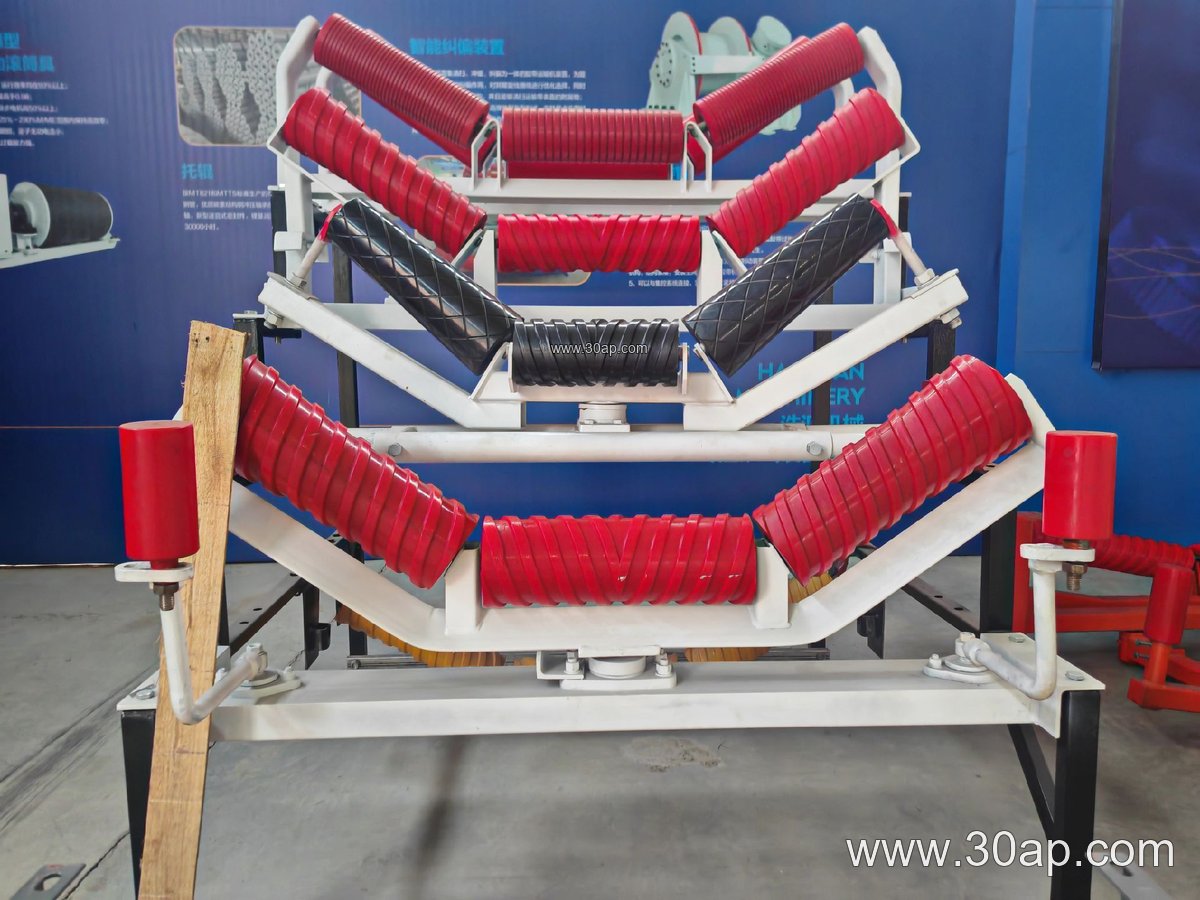
A frame works together with the conveyor belt, idler roller and conveyor pulley. If the belt is a steel cord conveyor belt or a multi-ply fabric core type such as EP conveyor belt or NN conveyor belt, the load per idler can differ, so the frame and roller selection should follow the conveyor design rather than a rule of thumb.
What Buyers Should Check
- Belt width and trough angle: confirm both, and ask whether an adjustable frame is preferred for future changes.
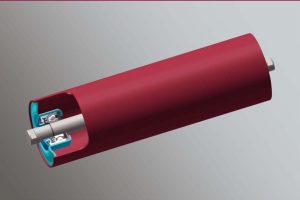
- Roller diameter and shaft ends: match the frame slots to the actual idler roller, not just to the belt width.
- Mounting dimensions: hole spacing and beam length vary with design; request a drawing.
- Material and finish: paint or galvanizing should suit the site, whether it is a wet wash plant or a dry cement plant.
- Type fit: use trough frames on the carrying side, return or V-return frames underneath, and impact frames at transfer points.
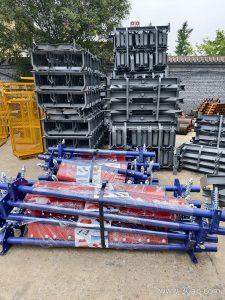
Good frames are simple parts, but they reward careful matching. Check the drawing against the belt, roller and stringer before ordering, and keep spare frames for the loading zones where wear is highest.