What the ST2000 Conveyor Belt Is
The ST2000 Conveyor Belt is a steel cord conveyor belt with a nominal tensile strength of 2000 N/mm. In the ST series, the number that follows the letters indicates breaking strength per unit width, so ST2000 sits in the upper-middle range: above ST1600 and below ST2500 and ST3150. It is built for long conveying lines and high tonnage where a fabric core would need too many plies or become too stretchy. In practice, buyers often call it the ST2000 steel cord belt or the ST2000 high strength conveyor belt, and all of these refer to the same product.
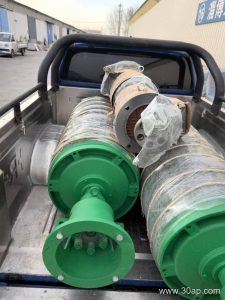
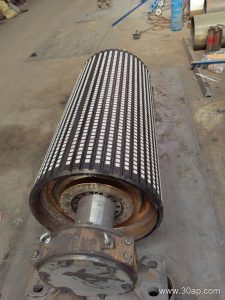
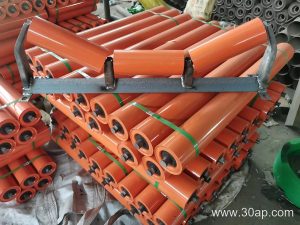
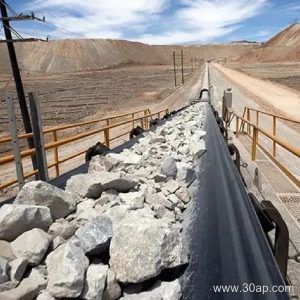
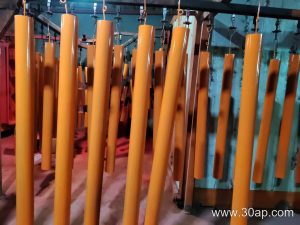
Typical duty includes primary crushed ore, coal from a mine, clinker and limestone in a cement plant, and bulk material at ports and power plants. Because the belt carries heavy loads over long distances, it is usually part of a system that also includes idler rollers, conveyor pulleys and sturdy conveyor brackets, each selected to match the belt and the duty.
How the Belt Is Built
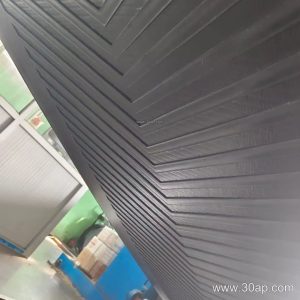
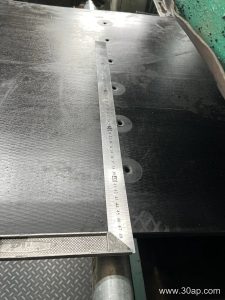
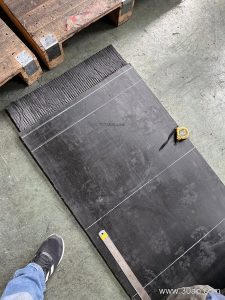
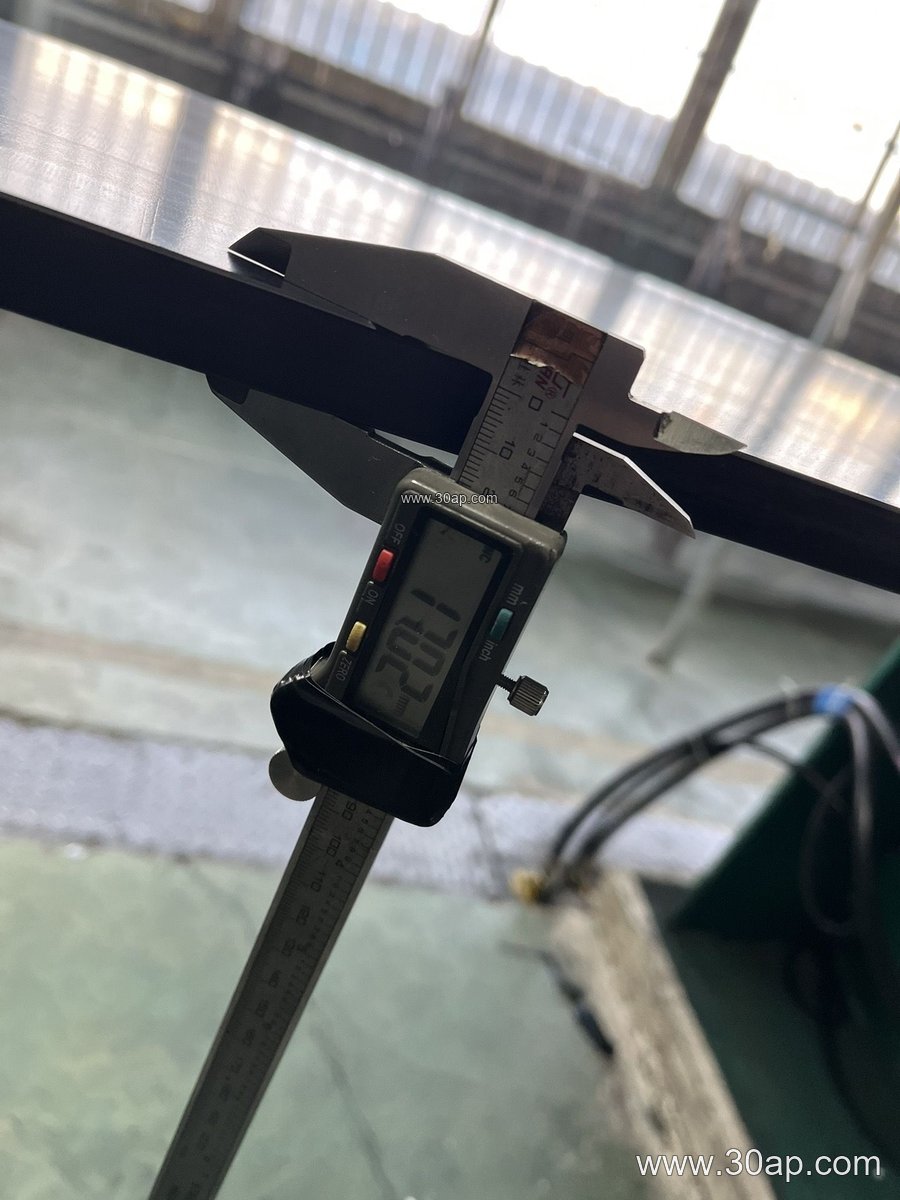
Instead of woven fabric plies, the ST2000 uses parallel steel cords as the tension-bearing layer. The cords are spaced evenly across the width and bonded in a rubber compound, with a top cover and a bottom cover protecting the carcass from abrasion, impact and moisture. The cover thickness and compound are chosen for the material being carried. A standard construction may use covers such as 6+2 mm or 8+3 mm, while lighter duty may use 4+2 mm or 5+2 mm; the final figure is set by the conveyor design.
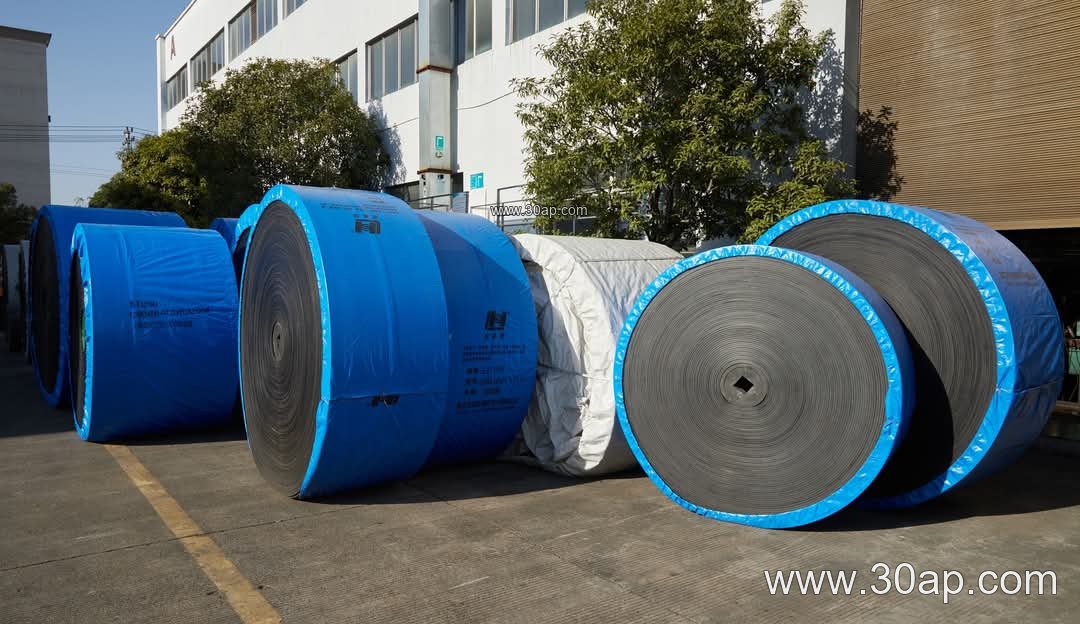
- Steel cord carcass for low elongation and high tensile strength
- Top and bottom covers in abrasion resistant, heat resistant, flame retardant or oil resistant compounds as needed
- Higher strength rating than fabric types such as EP1000 or NN300 for the same width
- Suitable for splicing by vulcanization to form a strong, long-lasting joint
Widths are not fixed by the strength rating. An ST2000 belt may be supplied in widths from around 800 mm to 2000 mm or more, with 1000 mm, 1200 mm, 1400 mm and 1600 mm being common in mining and bulk terminals. A 1200 mm wide ST2000 and a 1800 mm wide ST2000 are both possible; the width should follow the tonnage, lump size and pulley face. Do not assume a given belt width dictates one pulley diameter or shaft size.
Where It Fits in the Plant
The ST2000 is often found on main haulage conveyors in an underground mine or on the surface transport line at a coal preparation plant. In a cement plant it may move raw meal, clinker or limestone from the crusher to the storage yard. Quarries and sand making plants use it on long discharge lines, and steel plants and power plants use it for ore, coke and coal. Ports and ship loading systems also rely on this class of belt for continuous high-volume transfer.
For comparison, an EP conveyor belt or multi-ply fabric core belt is common on shorter, lighter lines, while a chevron conveyor belt or corrugated sidewall belt handles steep inclines. Those are different designs, not replacements for an ST2000 on a long, high-tension route. Where the environment is the main concern, a flame retardant conveyor belt or fire resistant conveyor belt grade may be specified for coal mining, and a heat resistant conveyor belt grade for clinker or sinter. A cold resistant or anti-static grade can be selected where conditions call for it.
Specification Points Buyers Should Check
| Parameter | Common reference | Note |
|---|---|---|
| Strength grade | ST2000 (2000 N/mm) | Confirm against calculated tension |
| Belt width | 800, 1000, 1200, 1400, 1600, 1800, 2000 mm | Selected by capacity and lump size |
| Cover thickness | 4+2, 5+2, 6+2, 8+3 mm | Top and bottom covers per duty |
| Cover compound | Abrasion resistant, heat resistant, flame retardant, oil resistant | Match to carried material |
| Joint | Vulcanized splice | Follow maker’s splice procedure |
Ask for the cord pitch, cover grade, belt weight per square meter and recommended minimum pulley diameter for the actual belt, since these vary between manufacturers. The take-up travel, transition distance and loading point impact bed should be checked together with the belt, and the conveyor pulley lagging and idler roller spacing should suit the belt’s stiffness.
Installation and Care
Long steel cord belts reward careful alignment. Keep the tail and bend pulleys square to the frame, train the belt gradually and avoid over-tensioning. Inspect splices and cover wear at regular intervals, especially at transfer points where impact and abrasion are highest. A well maintained ST2000 conveyor belt can serve for many years, but damaged edges and exposed cords should be repaired early before moisture reaches the carcass. For more on matching belts with rollers and pulleys, see the selection notes at conveyor belt and conveyor pulley.