What the ST1000 Conveyor Belt Is
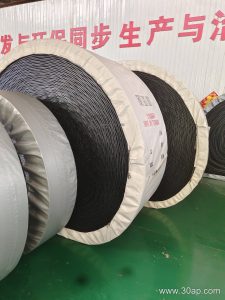
The ST1000 Conveyor Belt is a steel cord conveyor belt with a nominal tensile strength of 1000 N/mm. In the steel cord family, the number after “ST” indicates breaking strength per unit width, so ST1000 sits at the lower end of a range that extends through ST1250, ST1600, ST2000, ST2500 and ST3150. It is a high-strength conveyor belt built for long center distances, high tonnage and demanding bulk material transport in mines, cement works, power plants, steel plants, ports and large quarry or aggregate operations.
Unlike a Multi-Ply Fabric Core Conveyor Belt, where textile plies carry the load, the ST1000 belt relies on parallel steel cords embedded in a rubber matrix. This gives it low elongation, stable tracking on long runs and good resistance to impact and tearing when the belt is properly supported.
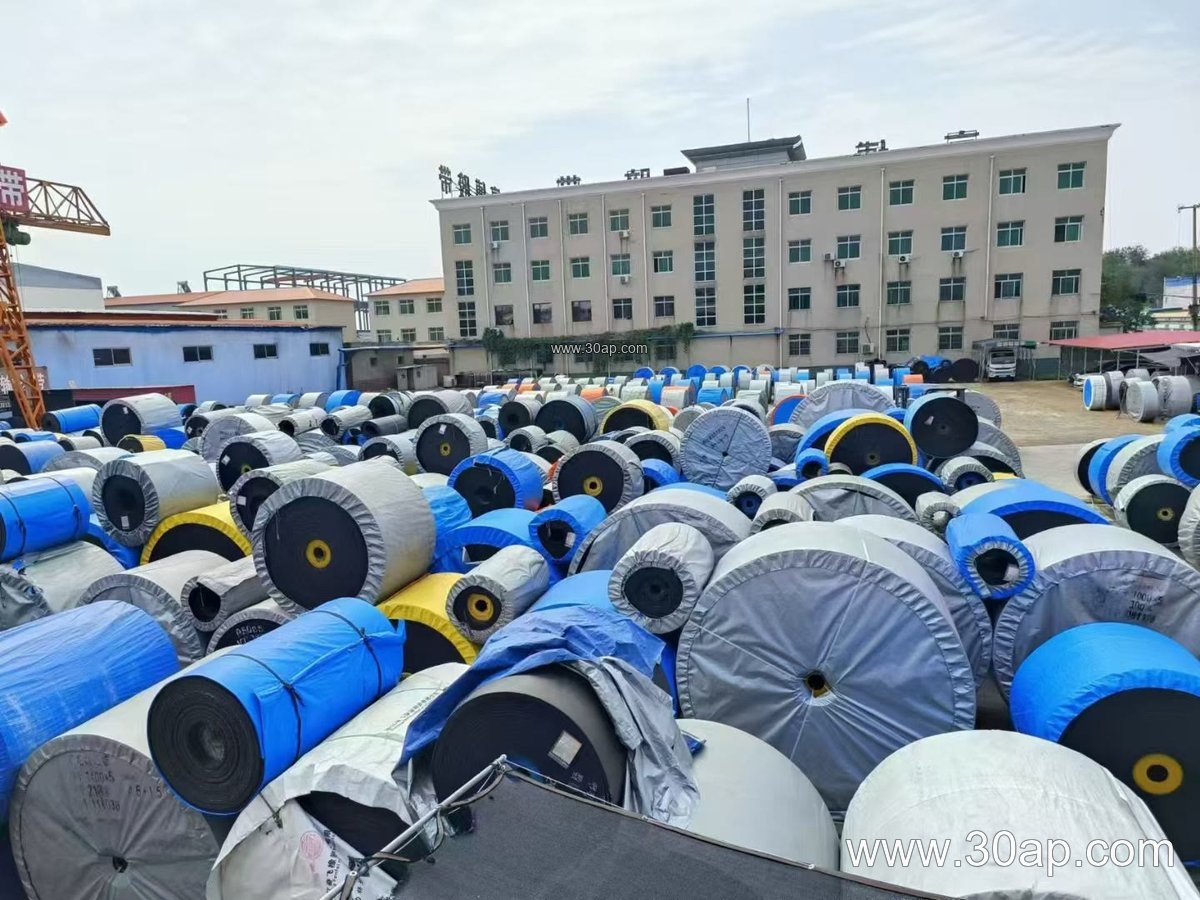
Construction and Cover Options
A typical ST1000 belt consists of a steel cord carcass, a rubber core compound surrounding the cords, and top and bottom cover rubber. Cover thickness is usually specified as a pair, for example 6+2 mm, 8+3 mm or heavier, according to the duty. Buyers can request cover compounds matched to the site: Abrasion Resistant Conveyor Belt grades for ore and crushed rock, Heat Resistant Conveyor Belt grades for clinker or sinter, Oil Resistant Conveyor Belt grades for oily feedstock, and Flame Retardant Conveyor Belt or Fire Resistant Conveyor Belt grades for underground coal mining conveyors. Anti-Static Conveyor Belt constructions are also available where static build-up must be controlled.
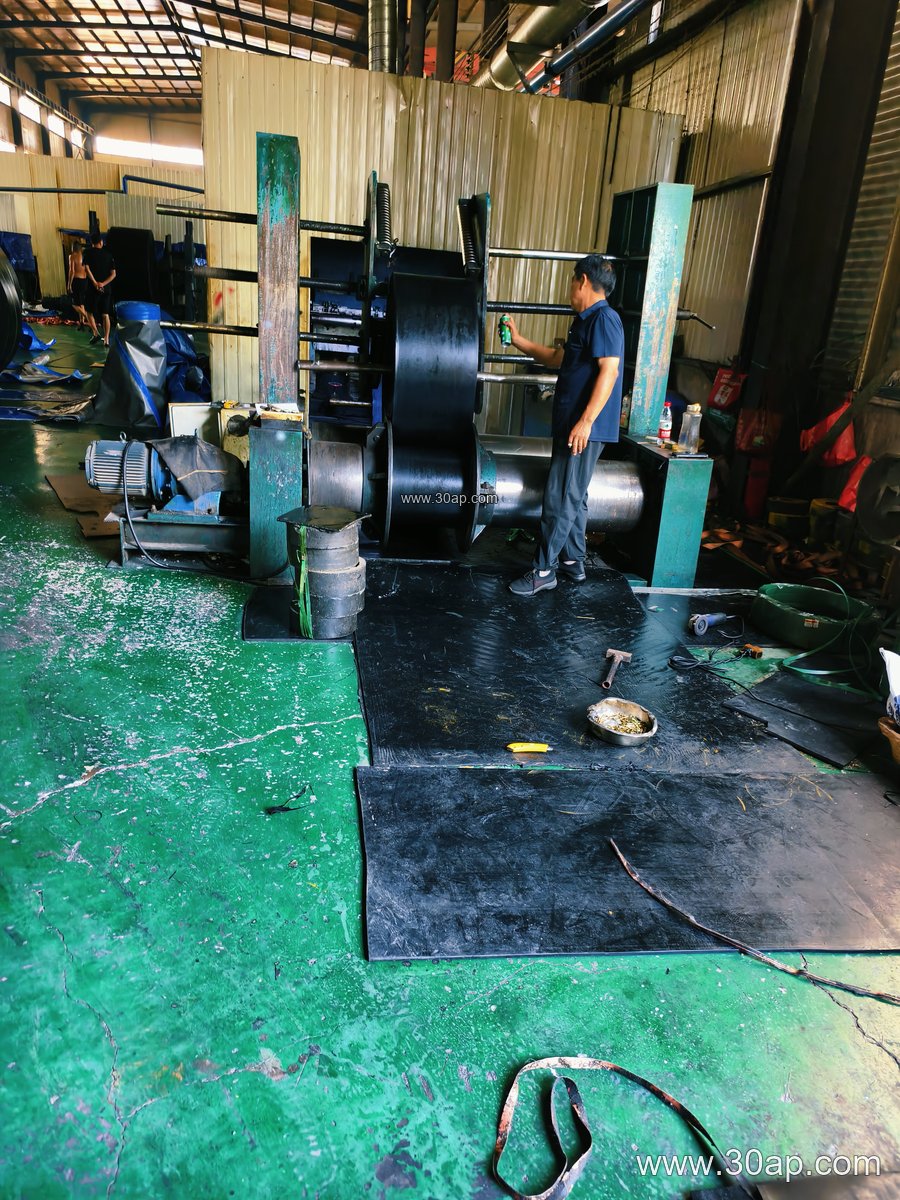
Reference Data for Steel Cord Grades
| Grade | Nominal strength (N/mm) | Typical role |
|---|---|---|
| ST1000 | 1000 | Medium-duty long conveyors, main haulage |
| ST1250 | 1250 | Higher tension, longer lifts |
| ST1600 | 1600 | Heavy main lines |
| ST2000 | 2000 | High-capacity mining and port systems |
| ST2500 | 2500 | Very high tension applications |
| ST3150 | 3150 | Extreme duty, large downhill or uphill runs |
Belt widths commonly run from B650 to B2000 or wider, with B1000, B1200 and B1400 frequently chosen for main haulage. Cover thickness and cord pitch are set by the belt designer, so the same width may serve different pulley diameters depending on the full conveyor calculation.
Where It Fits in the Plant
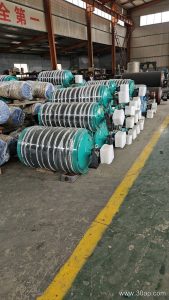
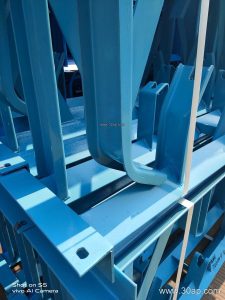
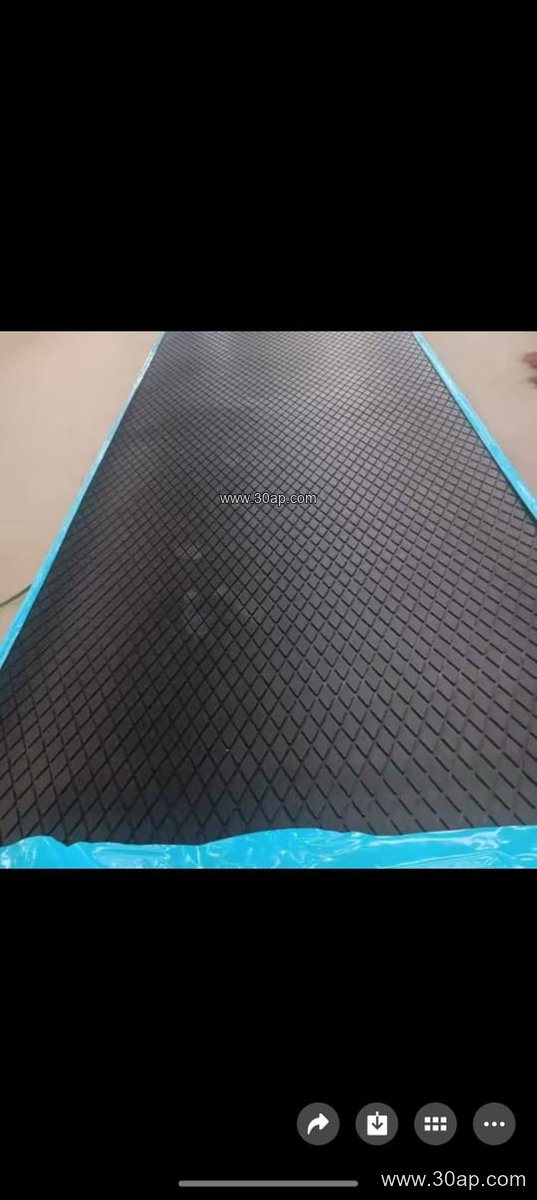
The ST1000 Conveyor Belt is often found on primary crushing discharge, overland haulage from pit to plant, coal handling systems in power stations, clinker lines in cement plants and ship loading conveyors at ports. In these circuits the belt works with conveyor pulleys, idler rollers and conveyor brackets, and the whole system must be matched to the belt’s tension rating. A Steel Cord Conveyor Belt is not a drop-in replacement for a Fabric Core Conveyor Belt: pulley sizes, take-up travel and splice method all change with the carcass type.
Where the route climbs steeply or material must be contained, alternatives such as a Chevron Conveyor Belt, Corrugated Sidewall Conveyor Belt or Pipe Conveyor Belt may suit the layout better. These are different belt constructions, not variations of the ST1000, and should be compared on the basis of the actual conveyor profile.
Selection and Maintenance Notes
- Confirm the required working tension with the conveyor designer; ST1000 is a reference grade, not a universal choice.
- Specify cover compound and thickness for the real cargo, whether abrasive ore, hot clinker or oily scrap.
- Check pulley diameters, splice type and take-up length against the steel cord construction.
- Keep idler rollers turning freely and inspect the belt surface for cord exposure, edge damage and cover wear.
- Store spare belting flat and protected from sunlight, ozone and moisture before splicing.
For a long overland line, a steel cord belt such as the ST1000 Conveyor Belt can reduce the number of transfer points and keep tension stable, provided the entire conveyor is engineered around it. Buyers comparing quotes should ask for cord construction, cover grade, splice details and the tension calculation behind the recommendation rather than relying on the grade name alone.