What an Underground Mining Conveyor Belt Has to Do
An underground mining conveyor belt moves crushed ore, coal, and waste rock through tunnels where space is tight, ventilation is limited, and restarting a loaded system is routine. The belt is only one part of the machine, but it sets the pace: it must carry sharp, heavy material on a steady path while resisting cuts, abrasion, and, in coal service, the risk of flame spread. This article looks at how these belts are built, where they run, and what a buyer should confirm before ordering.
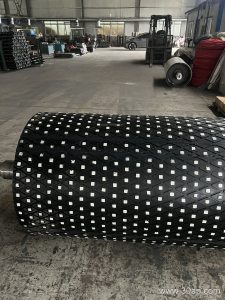
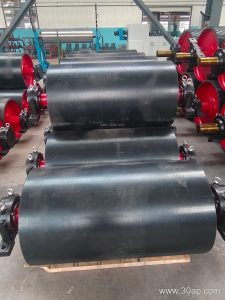
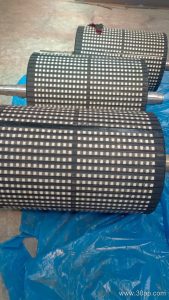
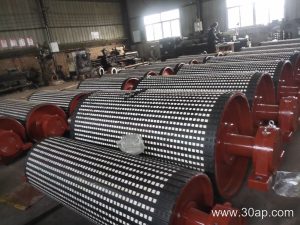
In practice, the same product appears under several accurate names, including underground conveyor belt and underground coal mining conveyor belt. These describe the duty, not a different item. A conveyor pulley at the head drives the belt, a tail pulley returns it, and bend pulleys guide it around curves; none of these can stand in for another, so the belt specification must match the pulley layout and the take-up design.
Construction and Common Specifications
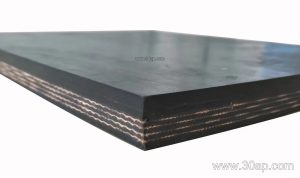
Most underground belts use a fabric core or a steel cord core. Fabric constructions such as EP conveyor belt and NN conveyor belt are common where flexibility and shorter center distances matter, while steel cord conveyor belt is chosen for long, heavily loaded runs. Flame retardant conveyor belt and anti-static conveyor belt grades are usual in coal mines, and abrasion resistant conveyor belt covers help in hard rock and ore haulage.
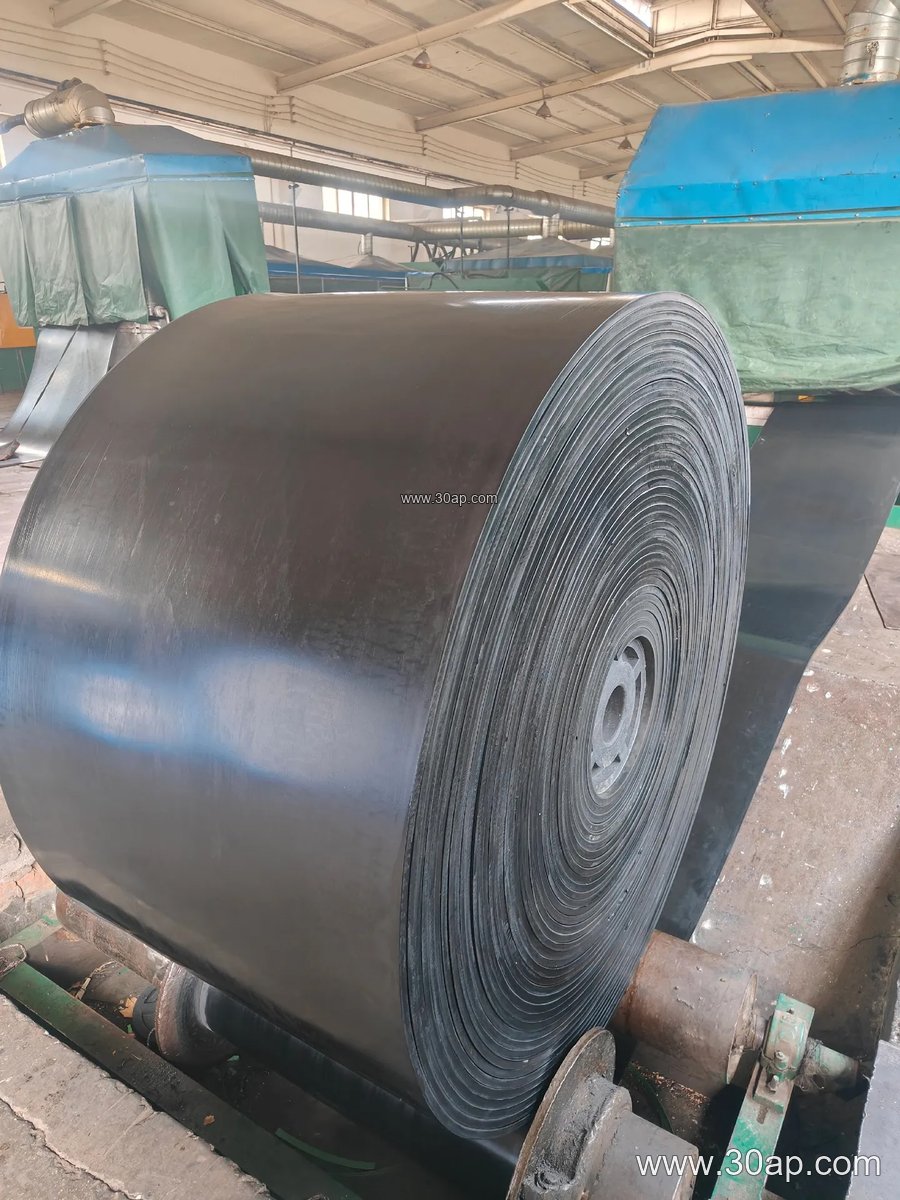
Typical reference values are shown below. They are common ranges, not fixed rules, and final values are set by design.
- Core types: EP, NN, steel cord, PVC, PVG
- Fabric plies: usually 2 to 6 layers
- Cover thickness: 3+1.5, 4+2, 5+2, 6+2, 8+3 mm
- Belt widths: B500, B650, B800, B1000, B1200, B1400, B1600, B1800, B2000
- Strength grades for EP: EP200, EP315, EP400, EP500, EP630, EP800, EP1000, EP1250, EP1600, EP2000
Width and strength are selected together with the load, incline, and pulley diameters. A wider belt does not automatically require a larger pulley, and belt width alone does not determine shaft size; those values come from the conveyor design, not from a single dimension.
Where These Belts Are Used
Underground service covers coal mines, metal mines, and tunnel projects in the quarry and aggregate sector. A coal mining conveyor belt usually needs flame resistance and anti-static properties, while an iron ore conveyor belt or copper ore conveyor belt in a hard rock mine leans toward high abrasion resistance and impact resistance at the loading point. In cement plants and power plants, similar belts handle limestone and clinker above ground, but the underground version must also fit restricted headroom and tight transfer points.
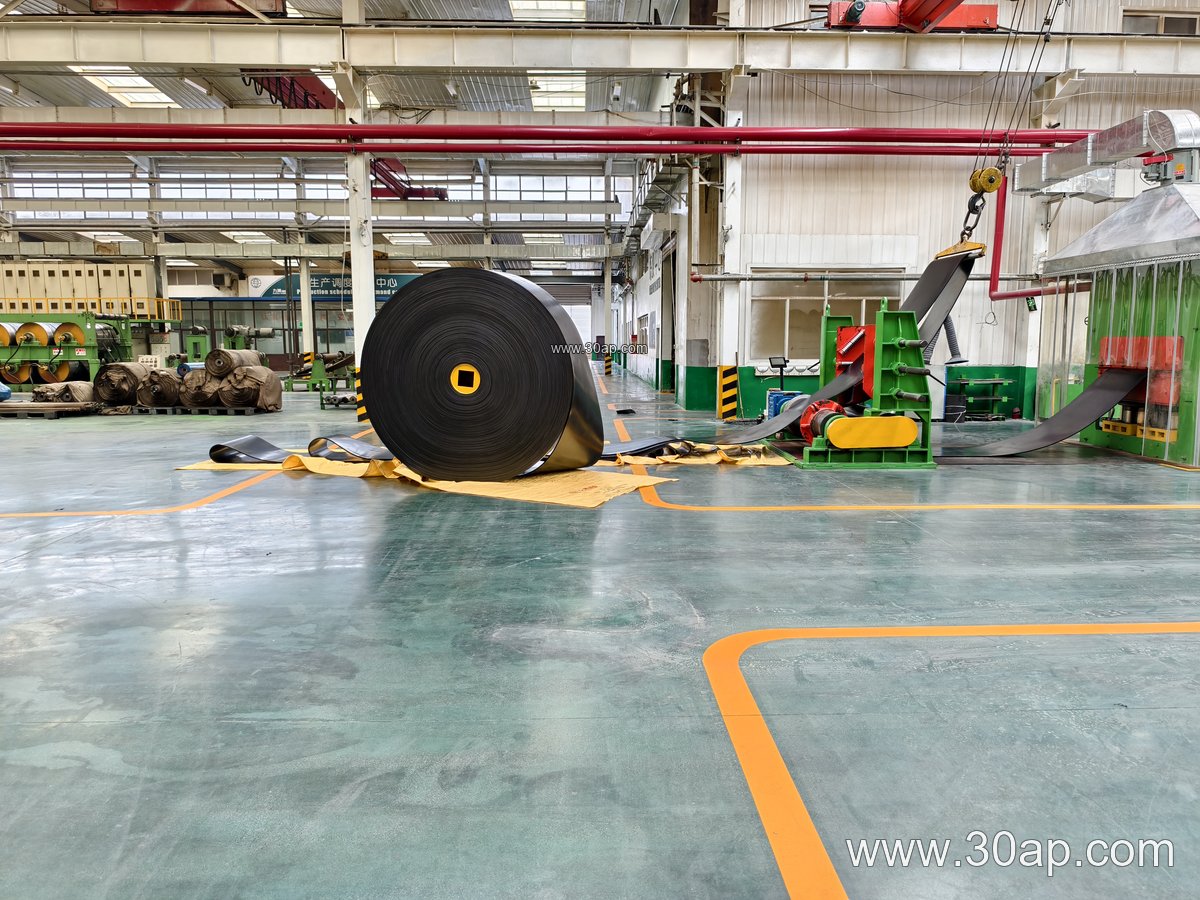
Where the route climbs steeply, a chevron conveyor belt or corrugated sidewall conveyor belt can help hold material, and a pipe conveyor belt may suit routes that must avoid spillage. These are alternatives for specific layouts, not replacements for the standard troughed belt described here.
Buyer Checklist
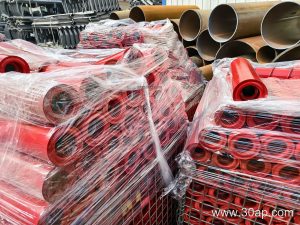
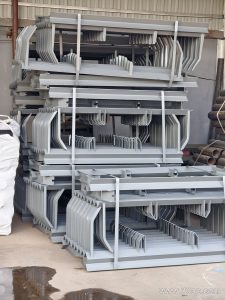
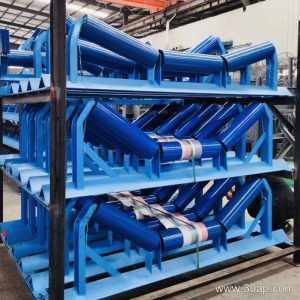
Before ordering, confirm the material size and drop height, the expected tonnage, the incline, and the ambient conditions. Ask for the cover grade and core type in writing, and check that the flame and anti-static requirements match the mine’s rules. Review the pulley and idler roller arrangement, since a conveyor bracket or idler roller spacing that suits one belt may not suit another. For long runs, discuss splice type and whether an endless conveyor belt is practical.
Also clarify storage and handling, because a heavy-duty mining conveyor belt is easily damaged by poor coiling. Keep the specification sheet, test reports, and marking records together so replacement belts can be matched later.