What a Belt Conveyor Bracket Does on the Line
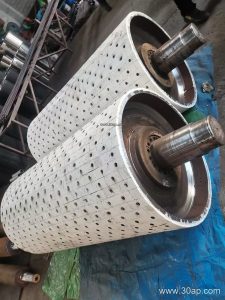
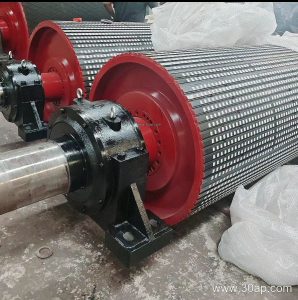
A belt conveyor bracket is the structural support that holds idler rollers in the correct position under and along the conveyor belt. In a quarry, cement plant, or power plant coal yard, these brackets keep the belt profile stable, guide the belt through transitions, and make maintenance faster because individual roller assemblies can be serviced without cutting the frame. The bracket is not a pulley: drive pulleys, tail pulleys, and bend pulleys transmit or redirect belt tension, while the bracket carries the idlers and the weight of the loaded belt.
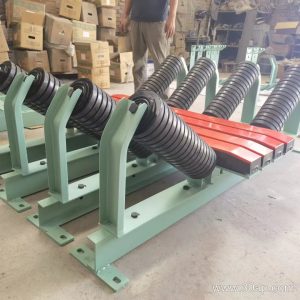
Typical bracket families include troughing brackets, upper trough brackets, transition brackets, return brackets, flat return brackets, V-return brackets, impact brackets, self-aligning brackets, forward-leaning brackets, spiral roller brackets, suspended brackets, and adjustable brackets. Each type has a specific mounting position and function, and mixing them up can lead to belt misalignment or premature idler wear.
How the Bracket Is Built
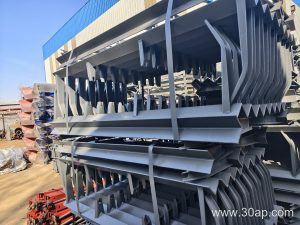
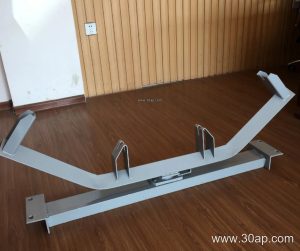
Most brackets are fabricated from angle steel, channel steel, or folded steel plate. The material choice depends on load, corrosion exposure, and the conveyor frame design. A troughing bracket usually carries three idlers set at a trough angle, while a return bracket supports the belt on the return strand with one or two rollers. Adjustable brackets allow the trough angle to be changed between common angles such as 20, 30, 35, and 45 degrees, which helps when a conveyor handles different bulk materials or needs fine tuning after installation.
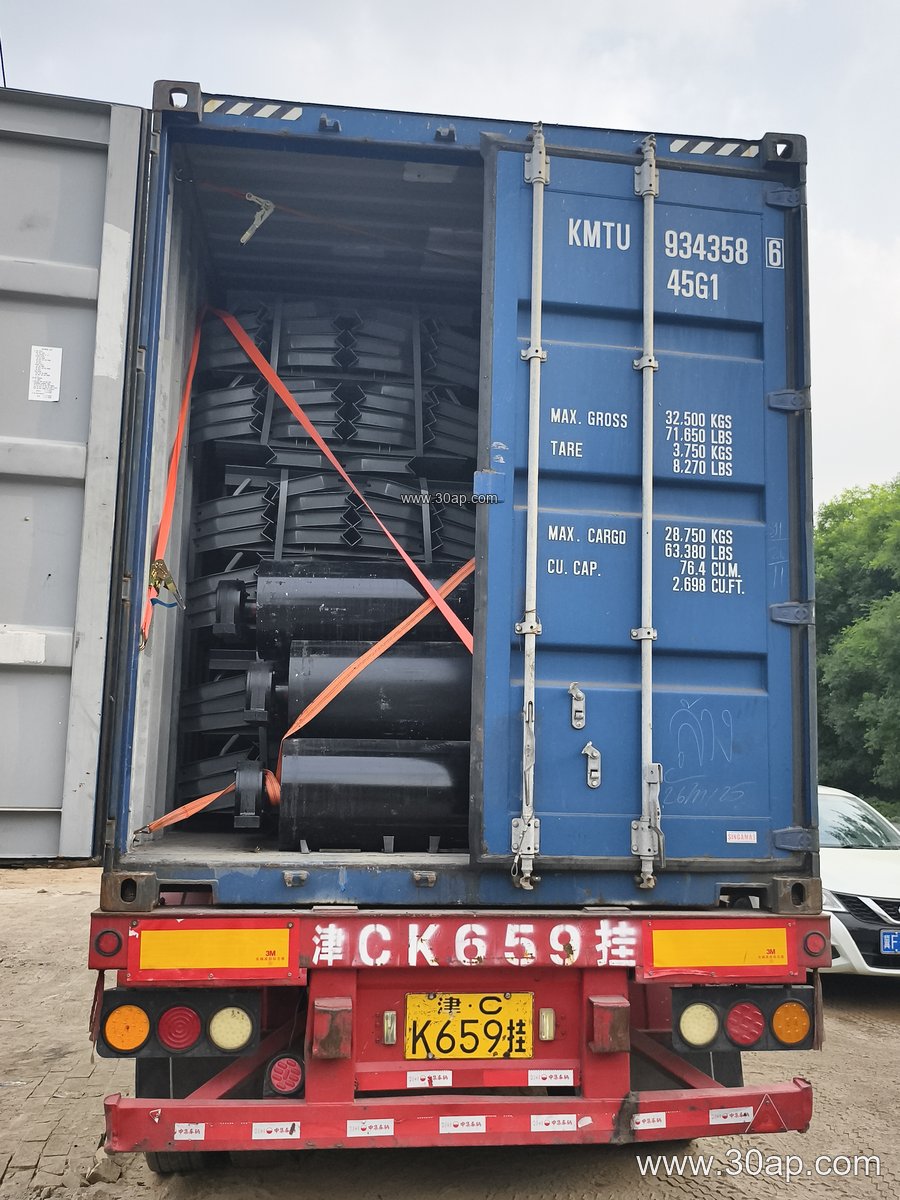
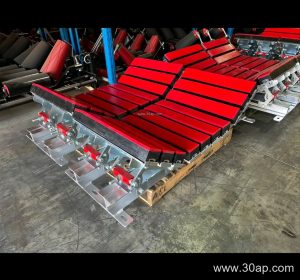
Forward-leaning brackets, often set at about 1.5 to 2 degrees, help train the belt and reduce wander on long runs. Impact brackets are mounted at load points and are built heavier to absorb the drop energy from crusher discharge or transfer chutes. Suspended brackets hang from the frame structure and are useful where floor space is limited or where quick roller replacement is needed.
Matching Bracket, Belt Width, and Roller Diameter
Bracket dimensions are not universal. Mounting hole spacing and crossbeam length usually change with belt width and trough angle, so a bracket for a B800 conveyor is not the same as one for a B1400 frame. Roller diameter also matters: common idler diameters include Ø89, Ø108, Ø133, Ø159, and Ø194, and the bracket must accept the roller shaft and bearing housing correctly. There is no fixed rule that one belt width can only use one trough angle or one roller diameter; the combination is determined by belt speed, material lump size, load, and the conveyor designer’s choice.
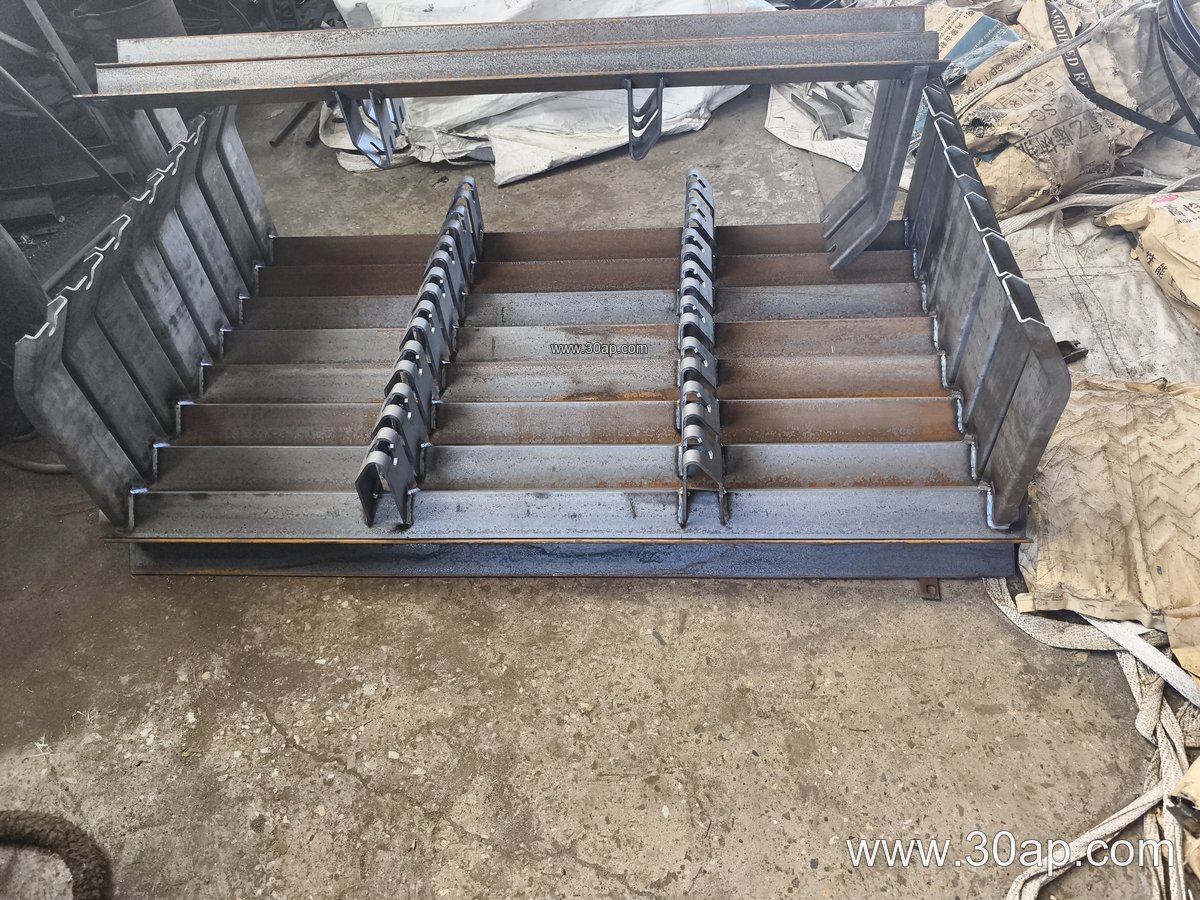
For reference, the following combinations are often seen in project drawings, but they are not mandatory pairings:
- B650 with 30 degree trough angle and Ø89 idlers
- B800 with 35 degree trough angle and Ø108 idlers
- B1200 with 45 degree trough angle and Ø133 idlers
- B1600 with 35 degree trough angle and Ø159 idlers
When specifying a belt conveyor bracket, confirm the frame beam spacing, the idler shaft end type, the required trough angle, and the return strand arrangement. On a steel cord conveyor belt system or a heavy-duty mining conveyor belt line, the bracket and idler frame must handle higher tension and impact, so heavier channel or folded plate construction is common.
Where These Brackets Are Used
Belt conveyor brackets appear in many bulk handling settings. In a limestone quarry or aggregate plant, troughing and impact brackets support crusher discharge belts and screen feed belts. In a coal washing plant or power plant coal yard, flame retardant conveyor belt and anti-static conveyor belt runs rely on well-aligned brackets to reduce spillage and belt edge damage. Cement plants use them on clinker and raw meal conveyors, while iron ore and copper ore operations often specify heavy-duty brackets for high-abrasion duty.
Port ship loading conveyors, fertilizer handling lines, and tunnel muck removal systems also use these brackets. In each case, the bracket works together with the conveyor belt, idler roller, and conveyor pulley to keep the belt tracking and the material moving.
Buyer Checklist for Belt Conveyor Brackets
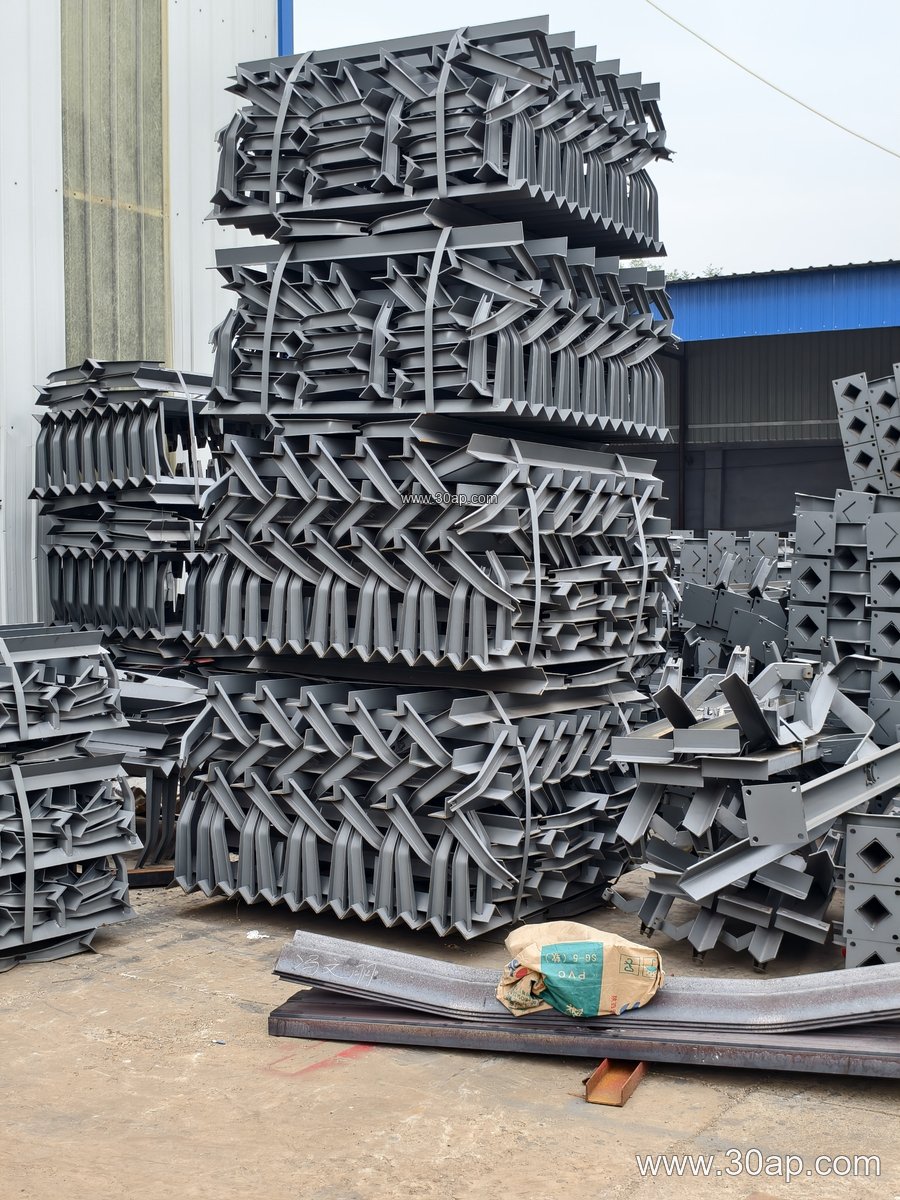
Before ordering, collect the belt width, trough angle, roller diameter, mounting hole pattern, and frame type. Ask whether the bracket is fixed or adjustable, and whether it is for the carrying side or return side. Check the material and finish against the environment: a washdown area may need galvanized or painted steel, while a dusty coal yard may need designs that shed fines easily.
Also confirm compatibility with the idler roller brand and bearing type used on the conveyor. Spare parts planning matters: keeping a few troughing brackets and return brackets on site can reduce downtime when a roller seizes or a bracket bends after an impact. For more information on related conveyor components, visit conveyor bracket and conveyor belt resources.
Finally, remember that the bracket is a support component, not a substitute for the drive pulley, tail pulley, or bend pulley. Correct selection and installation of the belt conveyor bracket keep the belt centered, extend idler life, and support safe operation in demanding industrial environments.