What Is an EP Conveyor Belt
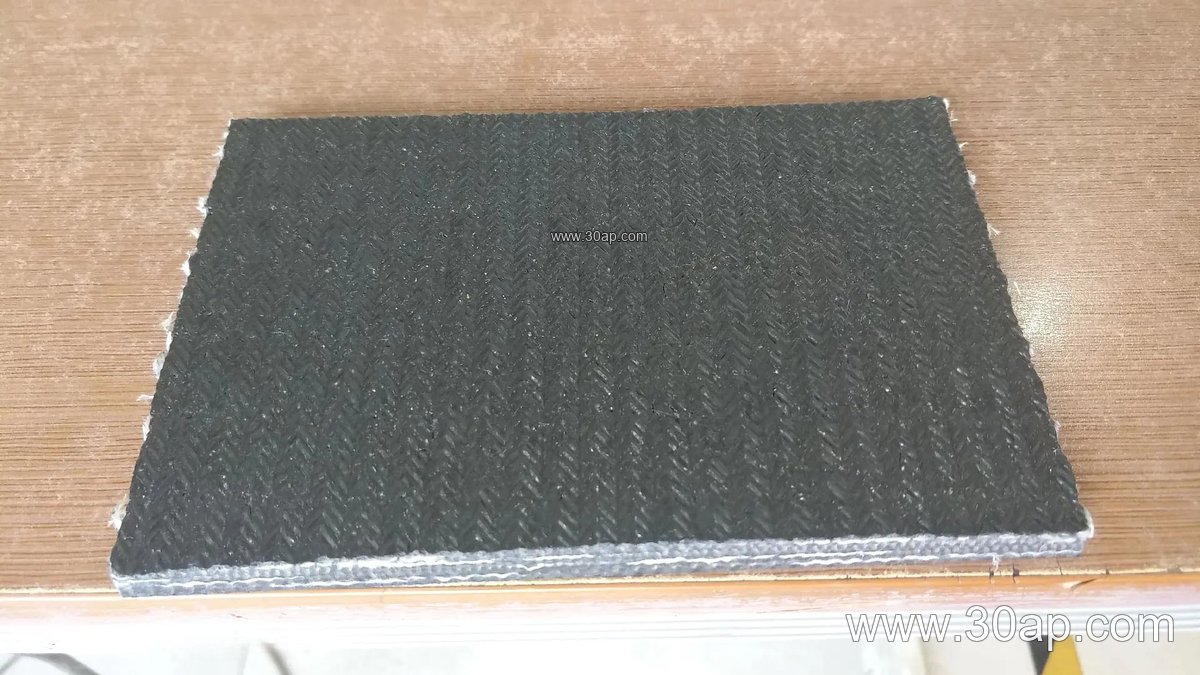
An EP Conveyor Belt is a fabric core conveyor belt built with warp cords of polyester (E) and weft cords of nylon (P). This hybrid carcass gives the belt high longitudinal strength with low elongation under load, plus good resistance to impact and flex fatigue. Because the polyester warp carries tension and the nylon weft absorbs shock and holds fastener pull-out, EP belts are a common choice for medium to long conveyors in mines, quarries, cement plants, power stations and port terminals. The same product is also called an EP rubber conveyor belt or EP fabric core conveyor belt, and it belongs to the wider family of fabric core conveyor belts.
How the Belt Is Built
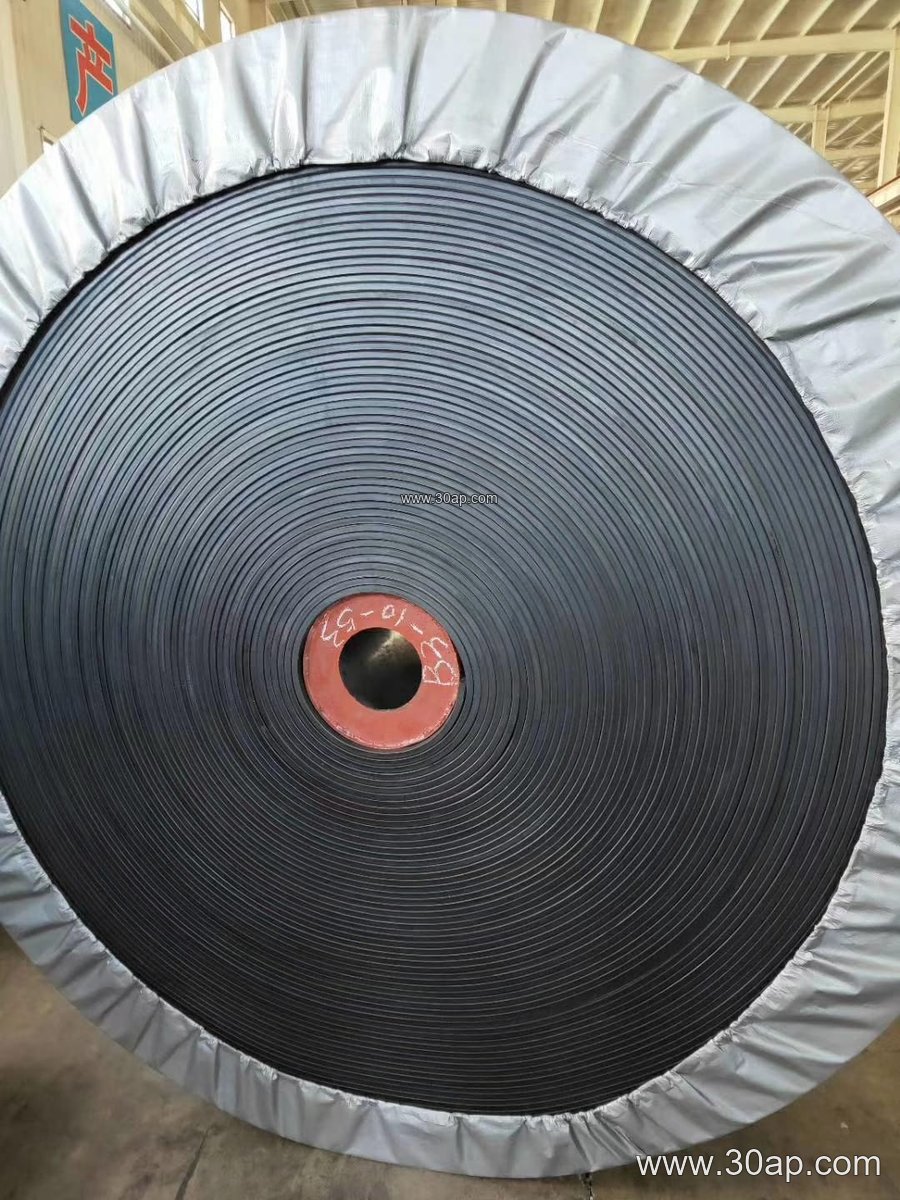
The carcass is made from multiple plies of EP fabric, usually two to six layers, bonded with rubber skim compounds. Top and bottom cover rubber protect the carcass from abrasion, moisture, oils or heat, depending on the compound selected. A buyer will see the construction expressed as cover thickness plus carcass, for example 4+2 mm or 6+2 mm, where the first figure is the top cover and the second is the bottom cover. The number of plies and the fabric strength class together define the belt’s rated tension. Edges may be cut or moulded, and the belt can be supplied open-ended for mechanical splicing or vulcanized into an endless conveyor belt on site.
Strength Grades and Common Sizes
EP belts are graded by the nominal tensile strength of the carcass per unit width. Typical grades include EP200, EP400, EP630, EP800, EP1000, EP1250 and higher. The grade is not a promise of a single belt width; width, ply count and cover thickness are selected together with the conveyor design. The table below shows reference combinations often discussed in project specifications, not a universal stock list.
| Strength grade | Common belt widths | Typical cover (top+bottom) | Typical carcass |
|---|---|---|---|
| EP200 | B500, B650, B800 | 3+1.5 mm, 4+2 mm | 2–3 plies |
| EP400 | B650, B800, B1000 | 4+2 mm, 5+2 mm | 3–4 plies |
| EP630 | B800, B1000, B1200 | 5+2 mm, 6+2 mm | 3–4 plies |
| EP1000 | B1000, B1200, B1400 | 6+2 mm, 8+3 mm | 4–5 plies |
| EP1250 | B1200, B1400, B1600 | 6+2 mm, 8+3 mm | 4–6 plies |
Widths such as 500 mm, 650 mm, 800 mm, 1000 mm, 1200 mm, 1400 mm and 1600 mm are common in bulk handling, while 1800 mm or 2000 mm belts appear on high-capacity trunk conveyors. A 10 mm thick EP conveyor belt may be a 6+2 mm construction or another combination; always confirm the cover and ply build rather than thickness alone.
Where EP Belts Are Used
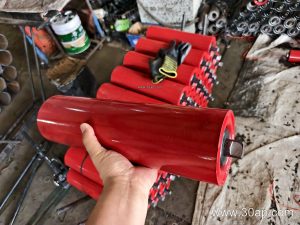
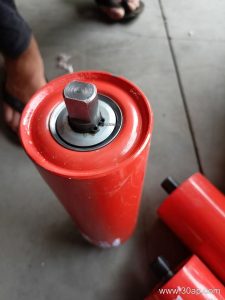
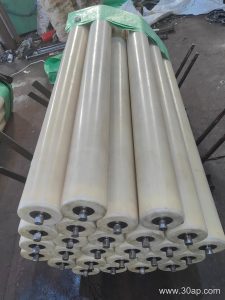
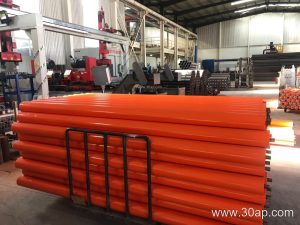
In mining and coal mining, EP belts carry run-of-mine ore and coal on surface and underground mining conveyors. In quarries and aggregate plants they handle crushed stone, sand and gravel, often paired with an idler roller and conveyor pulley set. Cement plants use them for clinker, limestone and raw meal; power plants for coal and ash; steel plants for sinter and coke; ports for ship loading and bulk material transfer. For abrasive rock duties, an abrasion resistant conveyor belt grade is preferred, and a high abrasion resistant cover helps on crusher discharge lines. Where fire safety matters, a flame retardant conveyor belt or fire resistant conveyor belt specification is requested, and anti-static properties are often added for underground coal mining conveyor belts.
Selecting the Right EP Belt
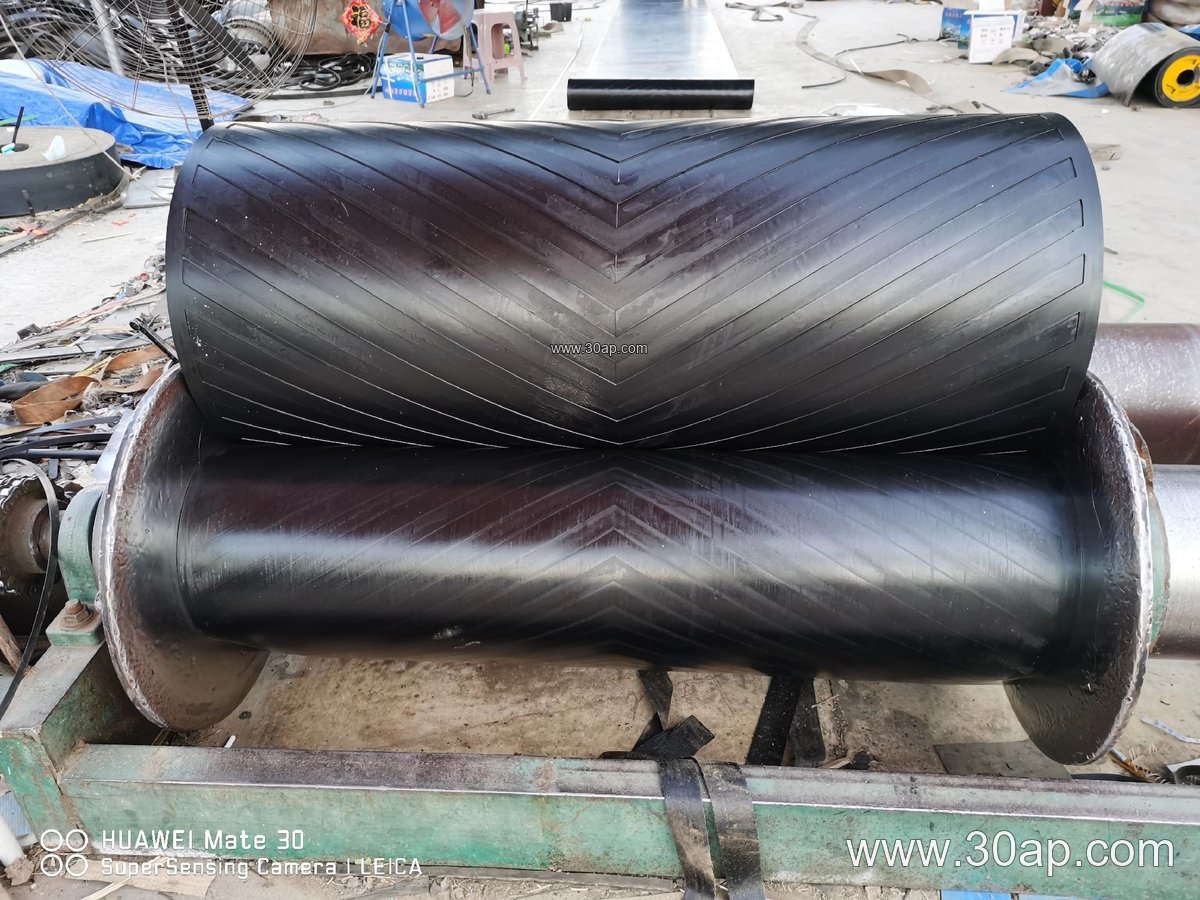
Start with the conveyor’s maximum tension and take-up travel, then choose the EP grade with a suitable safety factor. Check the load support: a wide belt on close idler spacing behaves differently from a narrow belt on a long span. Consider impact at the loading point, material temperature, oil or chemical exposure, and whether the belt runs in a cold climate. Special constructions include chevron conveyor belt profiles for inclined haulage, skirted conveyor belt and corrugated sidewall conveyor belt for steep inclines, and pipe conveyor belt for enclosed transport.
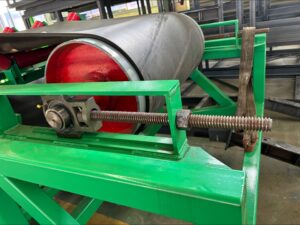
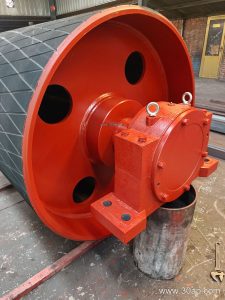
Compare alternatives only where they fit: an NN conveyor belt uses nylon in both warp and weft and may suit high-impact short conveyors, while a steel cord conveyor belt is chosen for very long, high-tension routes. For most medium-duty plants, EP fabric core conveyor belt remains a balanced, repairable option. Ask for the pulley and idler roller schedule, since drive pulley, tail pulley and bend pulley each have a different role and are not interchangeable; belt width and pulley diameter must be matched by design, not by a fixed rule.
Installation and Maintenance Notes
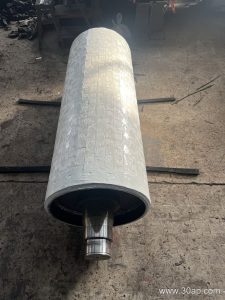
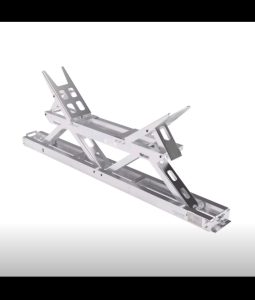
Store belts away from sunlight and ozone sources, support coils on a core, and avoid sharp bends. During installation, align the conveyor pulley and idler roller frames, tension gradually, and check tracking before full load. Inspect covers for cuts, edge wear and splice lifting; a small repair on an EP conveyor belt is usually faster than replacement. Keep lagging and pulley surfaces clean, and confirm that conveyor bracket supports are tight to prevent misalignment. For more product data and selection support, visit EP conveyor belt and conveyor idler roller pages.