What a Friction Idler Does
A friction idler is a self-aligning idler roller that uses friction between the rotating roller and the moving conveyor belt to steer the belt back toward the center of the structure. In a training or self-aligning station, the friction idler is mounted so that the roller axis can pivot slightly. When the belt drifts to one side, it contacts the roller at a different angle and the resulting friction force turns the idler frame, which nudges the belt back on track. This is a mechanical correction that works continuously, without sensors or motors.
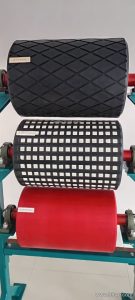
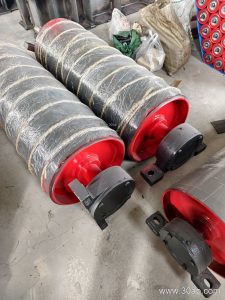
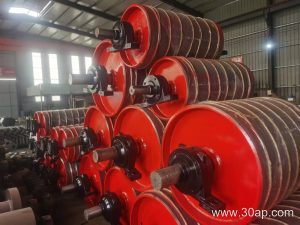
The friction idler is not the same as a drive pulley, tail pulley, or bend pulley. Those are conveyor pulleys that transmit power or change belt direction. The friction idler belongs to the idler family and is used for belt training, usually on the carrying side near a transition point or on the return side where misalignment is common.
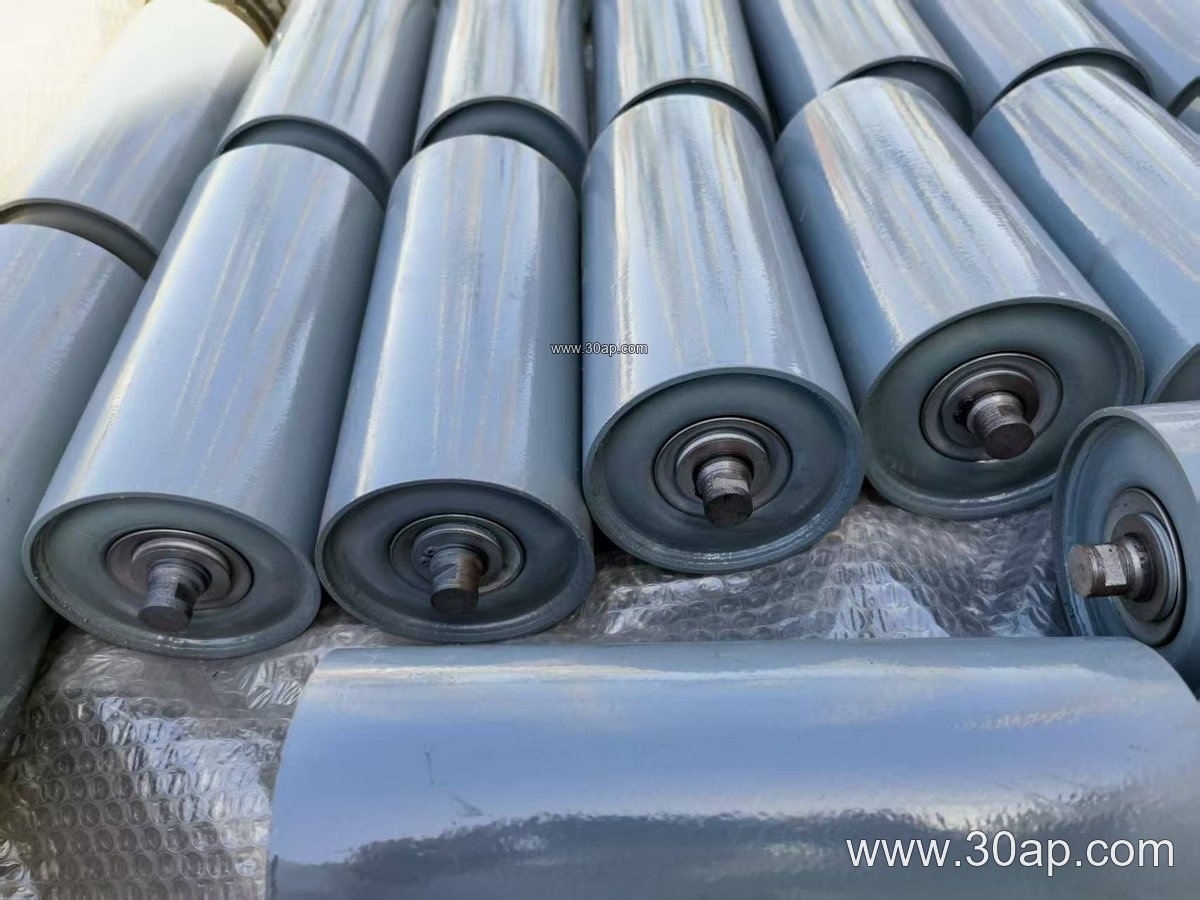
Construction and Working Principle
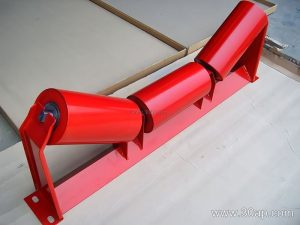
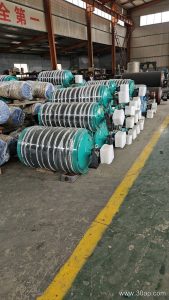
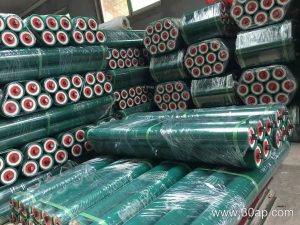
A typical friction idler uses a steel tube shell fitted with sealed bearings, mounted on a pivoting bracket. The roller surface may be plain steel, nylon, rubber-covered, or ceramic, depending on the material being conveyed. The friction comes from the belt surface pressing against the roller. Because the roller is allowed to swing around a vertical pivot, any sideways belt force produces a small rotation of the frame, and that rotation steers the belt.
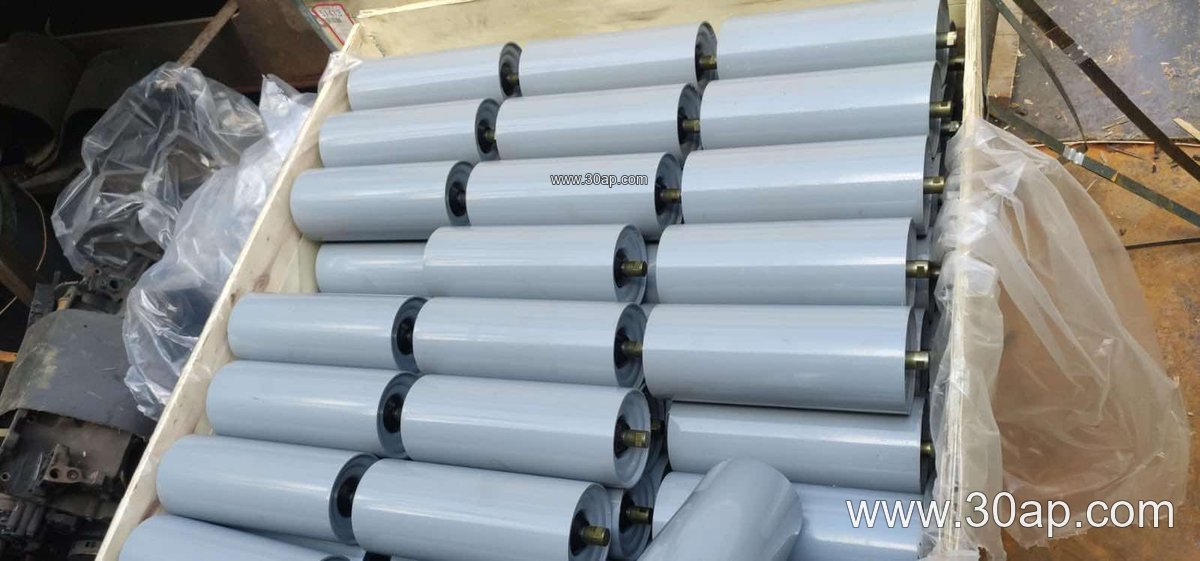
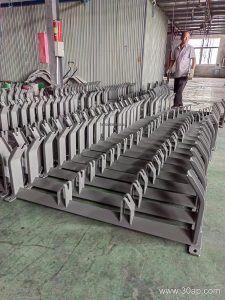
Friction training idlers are often supplied as a group: two or three rollers on a common frame, with the frame supported by a conveyor bracket. Some designs use a conical roller on each side to improve the correcting action. The pivot needs to move freely, so dust, water, and material spillage must be kept away from the bearing and pivot points.
Where Friction Idlers Fit in a Conveyor
These idlers are common in bulk handling lines where long conveyors are exposed to uneven loading. In a quarry or aggregate line, a friction idler ahead of the head end helps keep the belt centered after the crusher feed. In a coal mining conveyor or power plant coal handling system, self-aligning stations are often placed on the return run and after curves. Cement plants, steel plants, and port ship loading conveyors also use training idlers to reduce edge damage and spillage.
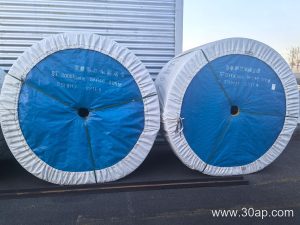
They work alongside other components: the conveyor belt, the conveyor pulley at the drive and tail, the conveyor bracket that holds the idler frame, and the many idler rollers that support the belt along the route. A well-aligned belt reduces wear on the belt edges and on the pulleys, which matters on abrasive duties such as iron ore, copper ore, or limestone.
Common Sizes and Arrangements
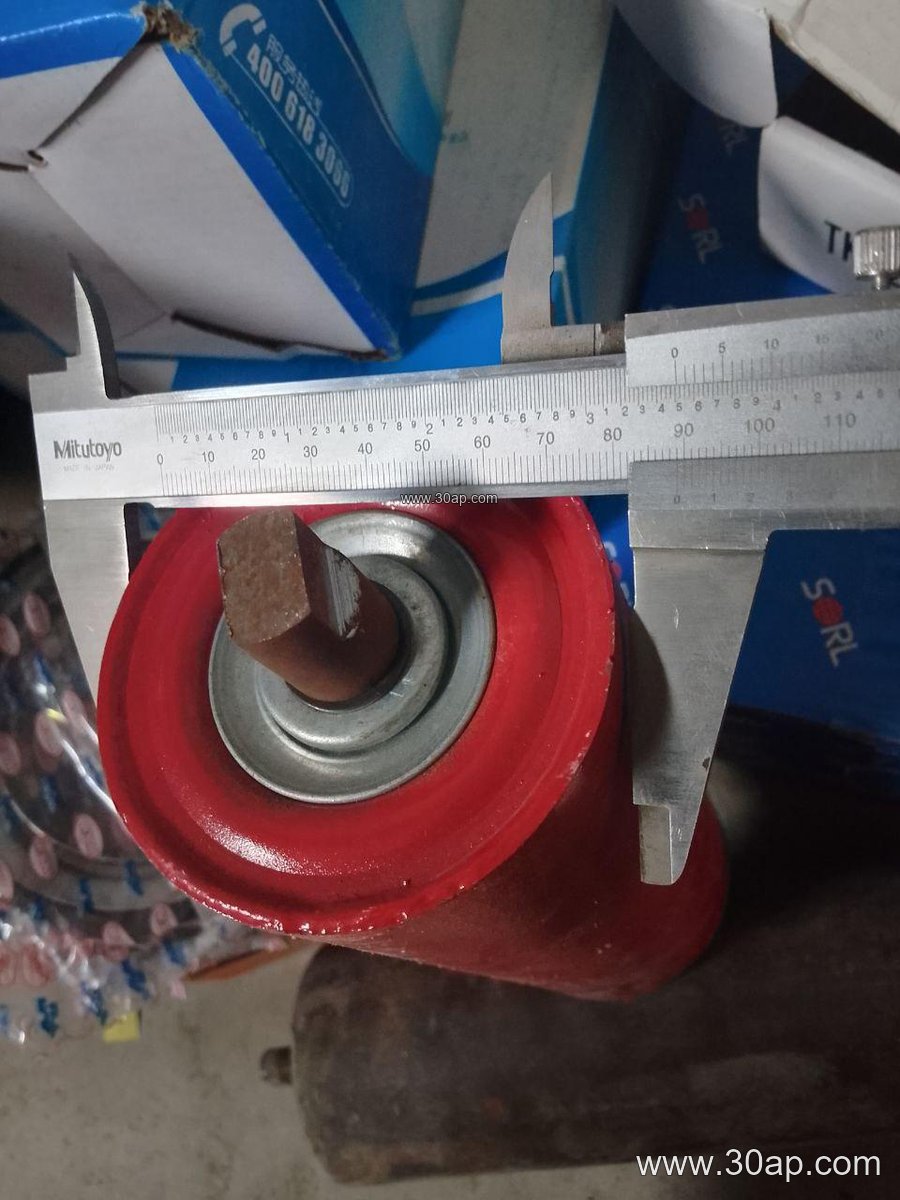
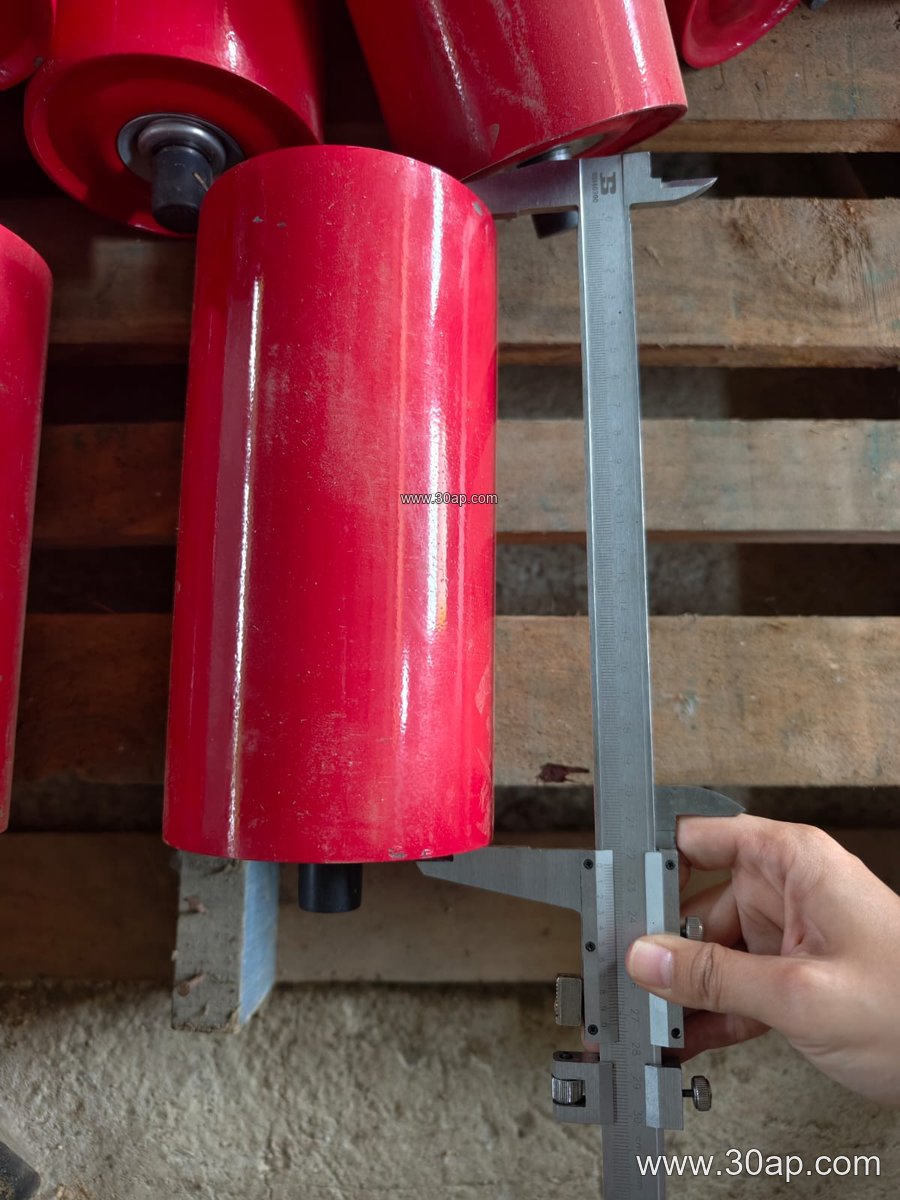
Friction idlers follow the same general size range as other idlers. Roller diameter and belt width are selected together with the conveyor design, not as a fixed pairing. The table below shows typical reference values; final dimensions should be confirmed with the conveyor designer.
| Parameter | Common Reference Values |
|---|---|
| Roller diameter | Ø63, Ø76, Ø89, Ø102, Ø108, Ø127, Ø133, Ø159, Ø178, Ø194, Ø219 mm |
| Belt width | B400, B500, B650, B800, B1000, B1200, B1400, B1600, B1800, B2000, B2200, B2400 |
| Trough angle | 20°, 30°, 35°, 45° |
| Roller surface | Steel tube, nylon, ceramic, rubber ring |
| Bearing | 6204, 6205, 6305, 6306, 6308, 6310 |
| Roller length (three-roll trough, example) | B500 about 200 mm, B650 about 250 mm, B800 about 315 mm, B1000 about 380 mm, B1200 about 465 mm, B1400 about 530 mm, B1600 about 600 mm |
These figures are examples only. Side rollers and center rollers can differ in length, and the correct combination depends on belt width, trough angle, and frame type. A friction idler on a 1200mm wide conveyor belt does not automatically require one specific shaft diameter; the shaft is determined by the load and the frame design.
Buyer Checklist
- Confirm the belt width and the trough angle of the station where the idler will be installed.
- Check whether the application needs a two-roll or three-roll self-aligning frame, and whether a friction or positive-guidance design suits the belt.
- Match the roller surface to the duty: rubber rings for impact areas, ceramic or nylon where build-up is a concern.
- Ask about bearing sealing and pivot protection, especially in dusty coal or cement service.
- Review the conveyor bracket dimensions so the idler frame fits the existing structure.
For heavy-duty mining conveyor belts carrying abrasive rock or ore, friction idlers should be specified with robust seals and a freely moving pivot. On a pipe conveyor belt or a steep chevron conveyor belt, training idlers may need special arrangements, so confirm the layout with the conveyor designer before ordering.
Installation and Maintenance Notes
Mount friction idlers square to the belt centerline and check that the pivot moves without binding. Keep the roller clean and inspect bearings at regular intervals. A friction idler that cannot rotate freely will not correct belt drift, and a worn roller surface reduces the friction needed to steer the belt. During maintenance, compare the idler position with the drive pulley and tail pulley alignment, because a belt that runs off-center often reflects a pulley or loading problem rather than a single faulty idler.