What a Conveyor Bracket Assembly Does
A conveyor bracket assembly is the structural link between the conveyor frame and the rollers that carry the belt. It holds the idler roller in the correct position, sets the trough angle, and keeps the belt profile stable under load. In a quarry, a coal preparation plant, or a cement plant, the bracket is a small part of the total cost but a large part of the conveyor’s day-to-day reliability. A poorly matched bracket can cause belt wander, edge damage, and premature roller failure, while a correctly specified assembly keeps the belt tracking smoothly for years.
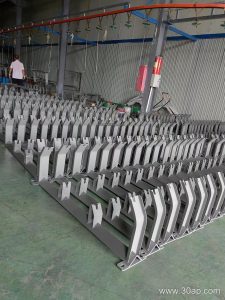
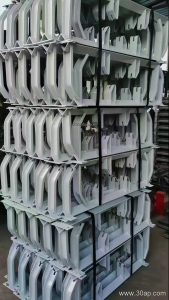
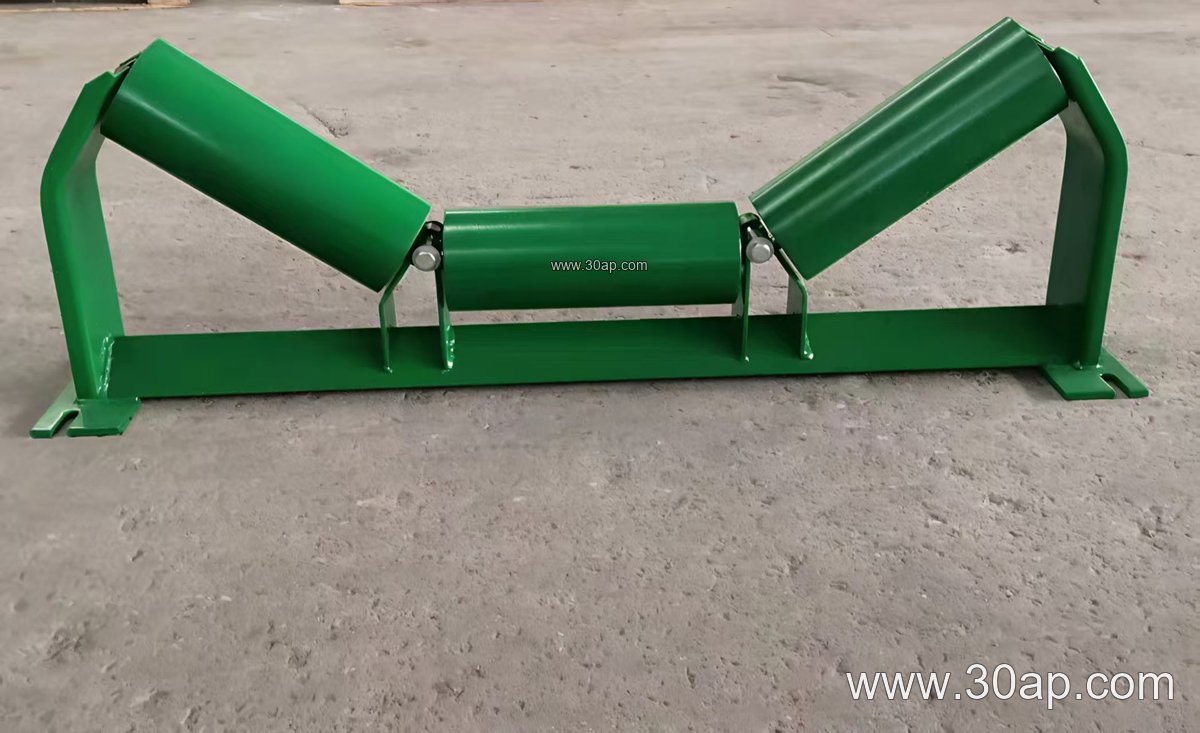
The assembly is more than a simple bracket. It typically includes a crossbeam, mounting plates, angle or channel sections, and fixing holes for the roller shafts. Depending on the design, it may also have adjustable arms, transition pieces, or impact-absorbing mounts. When buyers ask for a conveyor bracket, they are usually asking for this complete unit rather than a single piece of bent steel.
How the Assembly Is Built
Most assemblies are fabricated from angle steel, channel steel, or folded steel plate. The material choice follows the duty: lighter sections for a small sand and gravel line, heavier channel for a primary crusher discharge. Welding quality and hole alignment matter more than raw steel thickness, because a twisted crossbeam will never hold a roller square to the belt.
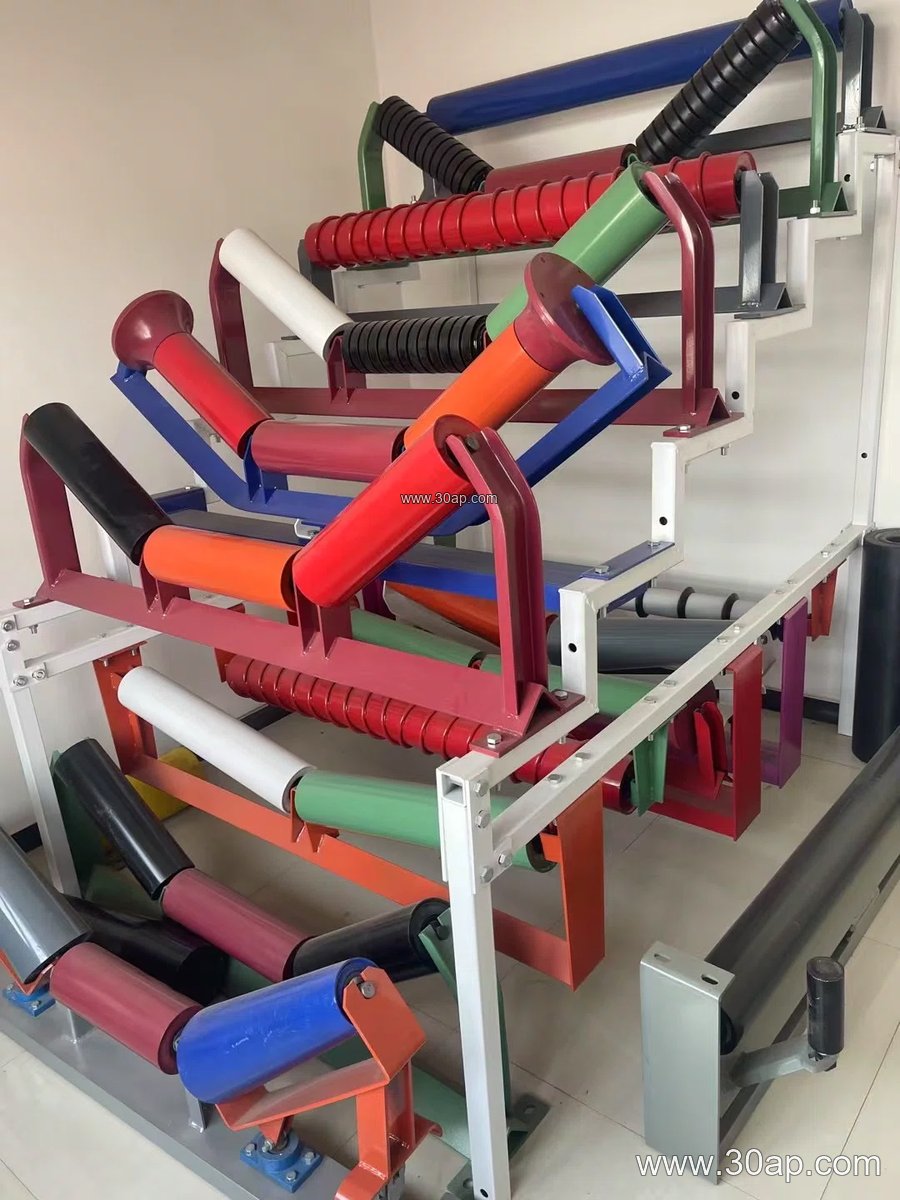
Common structural forms include:
- Troughing bracket assemblies for the carrying side, usually with two or three roller positions
- Return bracket assemblies for the lower run, including flat and V-type arrangements
- Transition brackets near pulleys, where the belt changes from flat to troughed
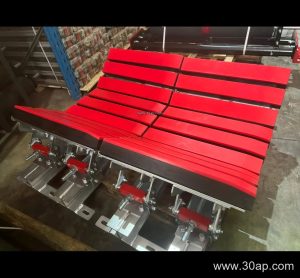
- Impact bracket assemblies under loading points, often paired with cushion rollers
- Self-aligning brackets that allow slight rotation to correct belt drift
- Adjustable brackets that let maintenance staff change the trough angle on site
Surface treatment is usually painting or galvanizing. In a fertilizer plant or a port handling bulk material, galvanizing is often preferred for corrosion resistance. In a coal preparation plant, flame-retardant and anti-static properties belong to the belt, not the bracket, but the bracket still needs to be sturdy enough to hold a flame retardant conveyor belt in place during emergency stop conditions.
Matching the Bracket to Belt Width and Roller Diameter
The bracket must fit the belt width and the roller diameter used on that conveyor. A B800 belt with a 35 degree trough and Ø108 rollers needs a different crossbeam length and hole spacing than a B1200 line running 45 degrees with Ø133 rollers. These are common combinations, not fixed rules. The same belt width can work with different trough angles and roller diameters depending on capacity, material lump size, and transition distance.
Typical reference values are shown below. Installation hole spacing and beam length should always be confirmed against the actual conveyor drawing.
| Belt width | Common trough angle | Common roller diameter | Typical bracket role |
|---|---|---|---|
| B500 | 20 to 30 degrees | Ø89 | Light sand and aggregate lines |
| B650 | 30 degrees | Ø89 to Ø108 | Small crushing and screening plants |
| B800 | 35 degrees | Ø108 | General bulk material handling |
| B1000 | 35 to 45 degrees | Ø108 to Ø133 | Cement and power plant coal feed |
| B1200 | 35 to 45 degrees | Ø133 | Heavy-duty mining and port conveyors |
| B1400 | 35 to 45 degrees | Ø133 to Ø159 | Iron ore and large quarry lines |
| B1600 | 35 to 45 degrees | Ø159 | High-capacity primary conveying |
| B1800 to B2000 | 35 to 45 degrees | Ø159 to Ø194 | Large tonnage bulk terminals |
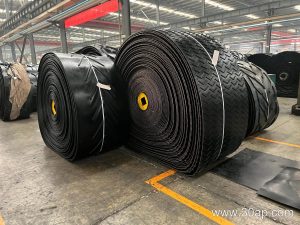
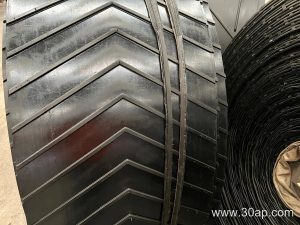
For wider belts, a heavy-duty conveyor belt such as an EP200 or steel cord conveyor belt may be used, and the bracket assembly must be sized to carry the extra weight without deflection. The bracket does not select the belt, but it must support whatever belt the conveyor design requires.
Where These Assemblies Are Used
In a limestone quarry, troughing bracket assemblies support the belt from the crusher to the screening deck. In a coal preparation plant, return bracket assemblies and V-type brackets guide the empty belt back to the tail pulley. A power plant coal yard uses transition brackets where the belt leaves the head pulley and flattens before discharge. Each location puts different stress on the assembly, so the bracket type should follow the belt line layout rather than a generic catalogue page.
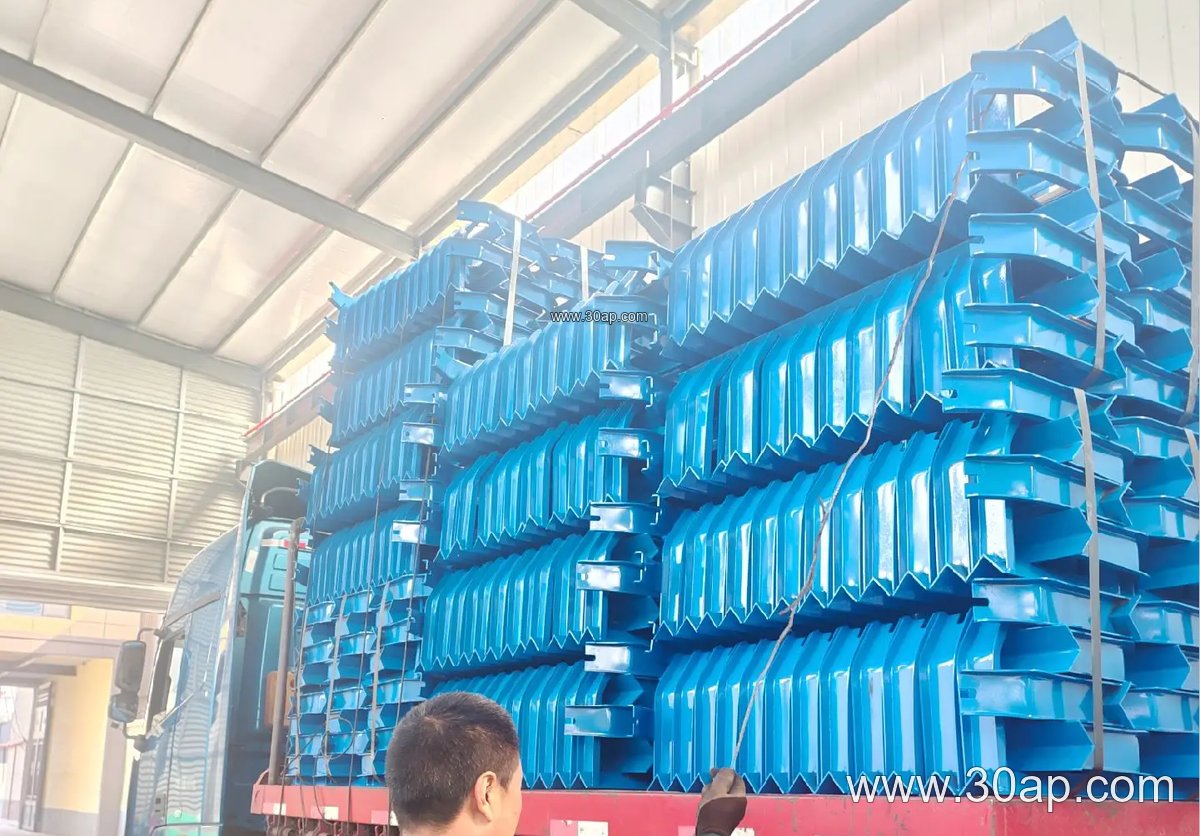
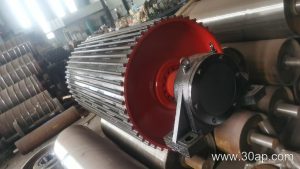
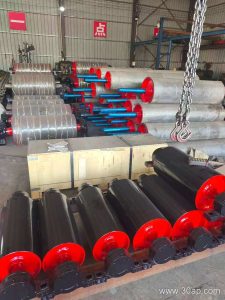
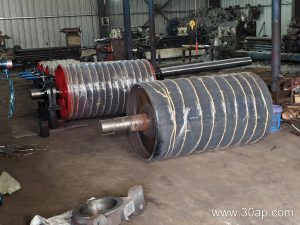
Brackets also work together with other components. The idler roller rotates inside the bracket, the conveyor pulley drives or redirects the belt, and the whole frame is anchored to the conveyor bracket assembly at regular intervals. If any one of these parts is misaligned, the belt will show it quickly.
What Buyers Should Check Before Ordering
Before placing an order, confirm the belt width, the roller diameter, the required trough angle, and the mounting hole pattern. Ask whether the assembly is fixed or adjustable, and whether it is for the carrying side, the return side, or a transition zone. Check the steel section and surface finish against the site conditions. For a dusty coal yard or a coastal port, corrosion protection deserves extra attention.
Also confirm that the bracket height matches the roller shaft and that the crossbeam will not foul the belt during start-up. A short checklist saves a long shutdown. When the bracket, roller, and belt are matched correctly, the conveyor runs quieter, tracks better, and needs less maintenance across the whole transfer line.