What a Sand and Gravel Production Line Idler Does
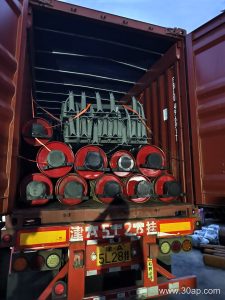
A sand and gravel production line idler is the rotating roller assembly that supports and guides the conveyor belt along the entire length of a quarry or aggregate conveyor. In a crushing and screening circuit, tons of abrasive rock, crushed stone, and wet or dusty sand move continuously between jaw crushers, screens, and stockpiles. The idler roller carries that load, keeps the belt tracking straight, and reduces friction so the drive system can run efficiently. Because the duty is heavy and the environment is gritty, idler selection has a direct effect on belt life and on how often maintenance crews must intervene.
Construction and Common Surface Forms
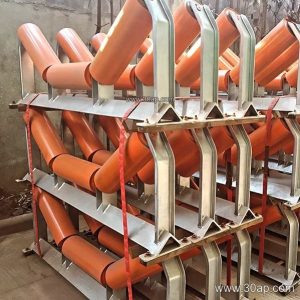
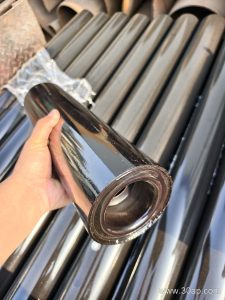
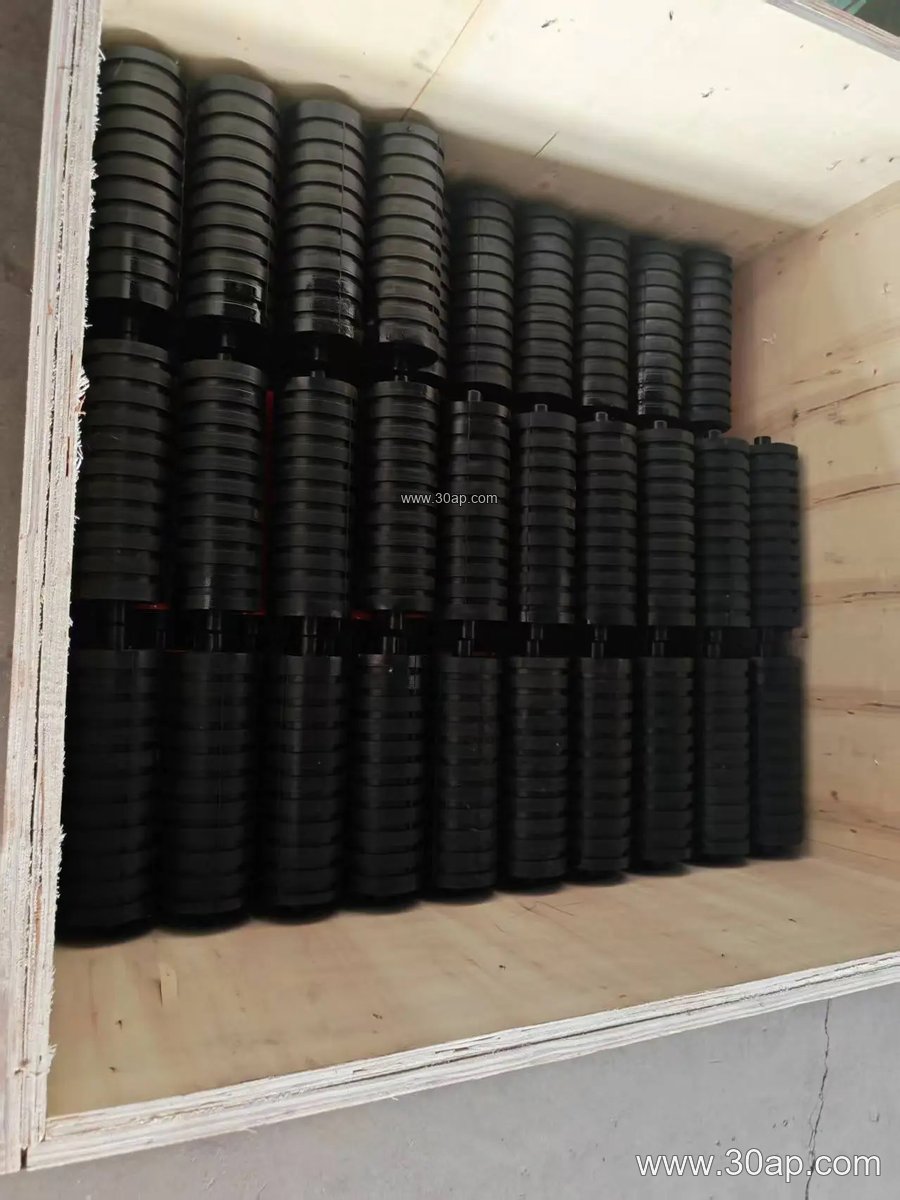
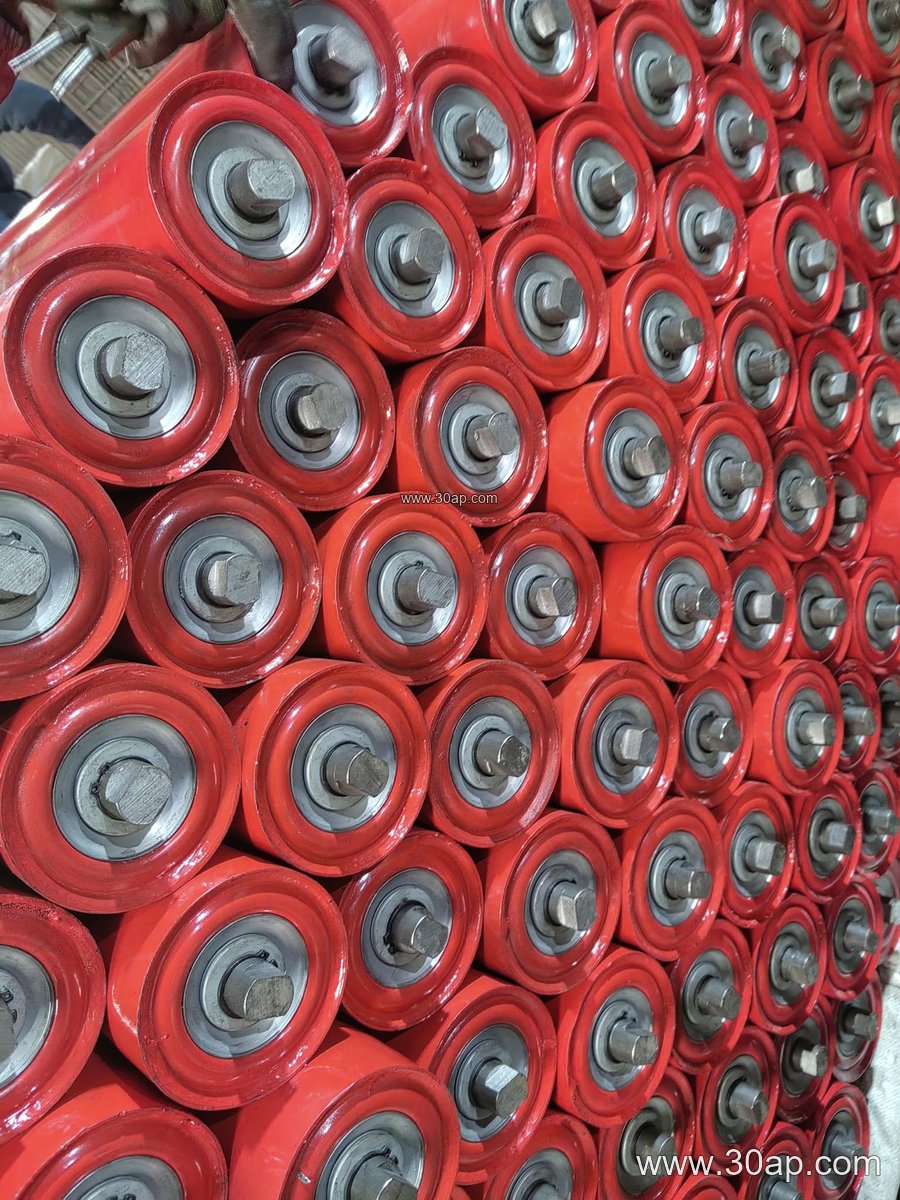
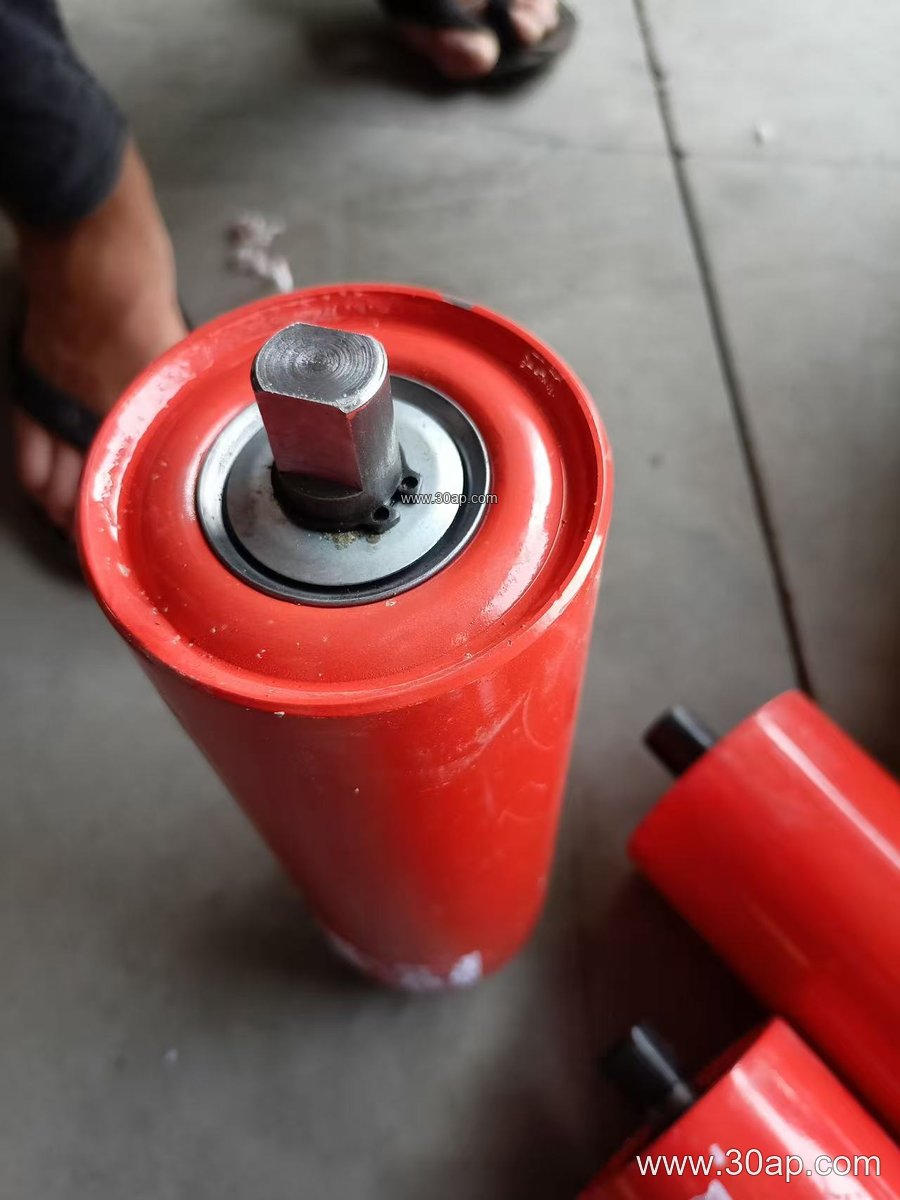
Most units consist of a steel tube shell, bearing housings, a shaft, and a sealing arrangement. The shell may be plain steel, nylon-coated, ceramic-covered, or fitted with rubber rings. Rubber ring impact idlers are common under crusher discharge points where lumps fall with force, while plain steel troughing idlers handle the long carrying runs. Bearing sizes such as 6204, 6205, 6305, 6306, 6308, and 6310 appear across different roller diameters, and the correct match depends on load and shaft design rather than on one fixed rule. Labyrinth seals and good grease retention matter greatly in dust, because fine sand destroys unprotected bearings quickly.
Where Idlers Sit on the Line
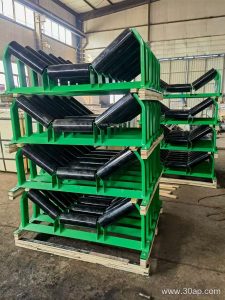
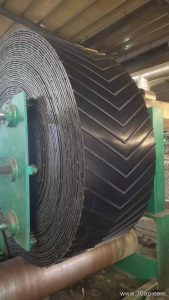
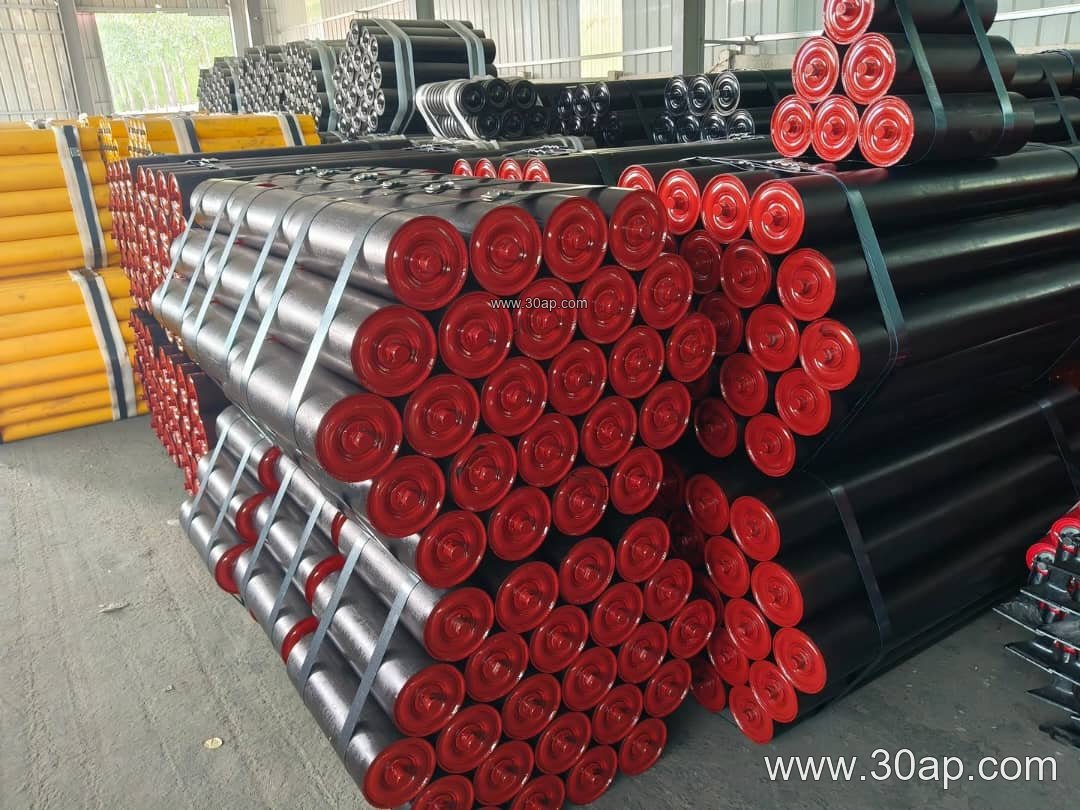
On the carrying side, three-roll troughing sets form a trough that keeps material centered. Return idlers support the empty belt underneath, and V-type return rollers help with belt training on long spans. Transition idlers ease the belt from flat to troughed shape near the tail and head. Self-aligning idlers correct minor mistracking caused by uneven loading or wind. In a sand and gravel plant, the conveyor from the screen deck to the stockpile often uses abrasion resistant conveyor belts and a mix of troughing and impact rollers, while the reclaim tunnel may run an EP conveyor belt or a multi-ply fabric core conveyor belt over closely spaced return idlers.
Roller Diameter, Belt Width, and Roll Length
Roller diameter is chosen from belt width, belt speed, load per meter, and available space. Common diameters include Ø63, Ø76, Ø89, Ø102, Ø108, Ø127, Ø133, Ø159, Ø178, Ø194, and Ø219 mm. Larger diameters usually suit wider, faster, or heavier belts. Roll length varies with belt width, trough angle, and the number of rolls in the set; side rolls and center rolls can differ. The table below shows typical reference values, not fixed pairings.
- B500: three-roll center roll about 200 mm
- B650: about 250 mm
- B800: about 315 mm
- B1000: about 380 mm
- B1200: about 465 mm
- B1400: about 530 mm
- B1600: about 600 mm
- B1800: about 670 mm
- B2000: about 750 mm
These examples are for orientation only. A 1200mm wide conveyor belt does not dictate one specific pulley or roller diameter, and shaft size must be engineered from actual loads.
Trough Angle and Belt Training
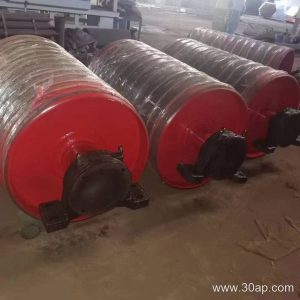
Trough angles of 20, 30, 35, and 45 degrees are common. A steeper angle deepens the trough and can increase material capacity, but it also raises edge stress on the belt. Forward tilt of about 1.5 to 2 degrees is sometimes used on training idlers to encourage the belt to stay centered. In a dusty quarry conveyor, self-aligning and friction self-aligning rollers are useful where loading is uneven, though they should not replace proper belt alignment at the pulleys. Drive, tail, and bend pulleys remain separate components with their own design rules.
Buyer Checklist
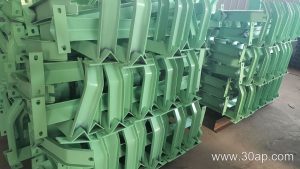
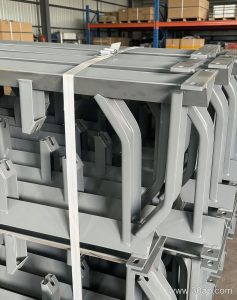
Before ordering, confirm belt width, belt type, material lump size, tonnage per hour, and the dust and moisture conditions. Ask whether the line runs a flame retardant conveyor belt or a heat resistant conveyor belt near hot process equipment, and whether oil or chemical exposure exists. Specify impact zones separately so rubber ring impact rollers are placed where they are actually needed. Check that the conveyor bracket and frame dimensions match the idler set, and confirm bearing and seal quality. For a sand and gravel production line idler, the cheapest unit is rarely the lowest-cost choice once downtime and belt wear are counted. Match roller diameter, wall thickness, and sealing to the duty, and keep spare troughing and return sets on site.