What a Fixed Conveyor Bracket Does
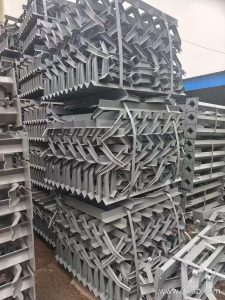
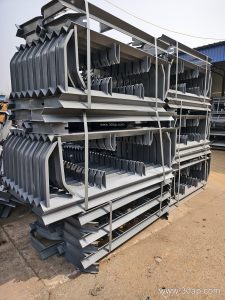
A fixed conveyor bracket is the stationary frame component that holds idler rollers in a set position along a conveyor structure. Unlike an adjustable bracket, it is welded or bolted to the stringer at a single, non-variable angle and height. In a crusher circuit at a quarry or a coal handling line at a power plant, this fixed position keeps the belt profile consistent from the load point to the discharge, which matters when the same conveyor carries the same material day after day.
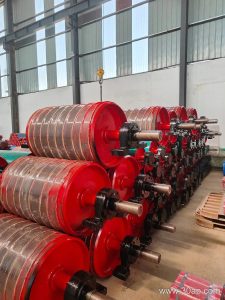
The bracket is not a pulley and does not drive or redirect the belt. Drive pulleys, tail pulleys and bend pulleys are separate components; a fixed bracket only supports the idlers that carry the belt. That distinction is important when ordering spares, because a bracket that fits a 35-degree trough set will not substitute for a bend pulley assembly.
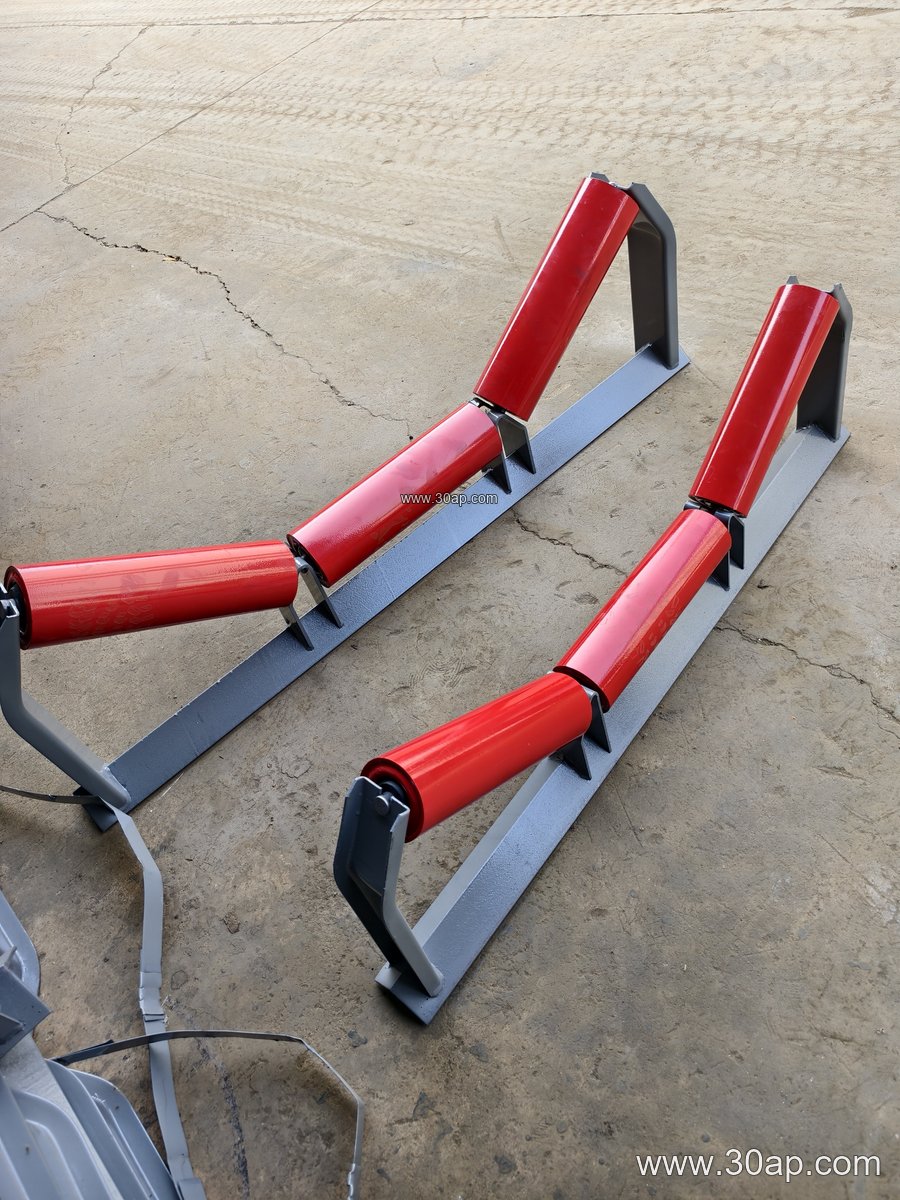
Construction and Common Forms
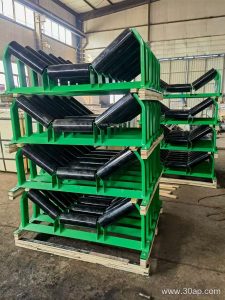
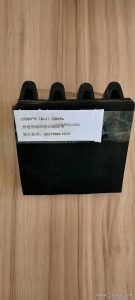
Most fixed brackets are fabricated from angle steel, channel steel, or folded steel plate. The frame carries mounting slots or drilled holes for the idler shaft, and the crossbeam length follows the belt width and trough angle. A trough bracket holds three idlers in a fixed V or U profile; a return bracket supports the belt on the return strand, often with a flat or V-shaped roller arrangement. Buffer brackets sit under the loading zone and are built heavier to absorb impact from coarse rock.
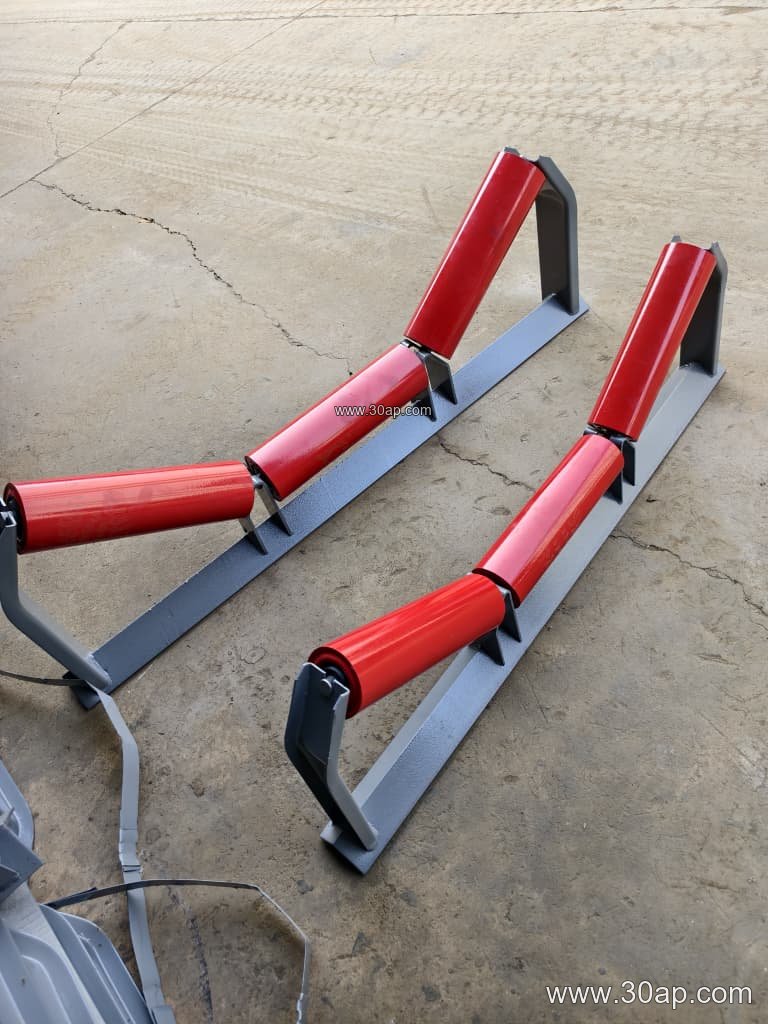
Common belt width and roller diameter pairings are shown below. These are reference combinations, not fixed rules, and final dimensions depend on the conveyor design.
| Belt Width | Trough Angle | Typical Roller Diameter | Bracket Form |
|---|---|---|---|
| B500 | 20 degrees | Ø89 | Trough bracket |
| B650 | 30 degrees | Ø89 | Trough bracket |
| B800 | 35 degrees | Ø108 | Trough bracket |
| B1000 | 35 degrees | Ø108 | Trough bracket |
| B1200 | 45 degrees | Ø133 | Trough bracket |
| B1400 | 45 degrees | Ø159 | Trough bracket |
| B1600 | 35 degrees | Ø159 | Trough bracket |
| B1800 | 45 degrees | Ø194 | Trough bracket |
Forward-leaning brackets are sometimes specified at roughly 1.5 to 2 degrees to help with belt tracking, and self-aligning brackets use a pivoting frame rather than a fixed one. Those are different products and should not be confused with the fixed version.
Where It Fits on the Line
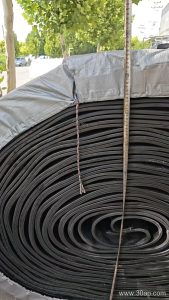
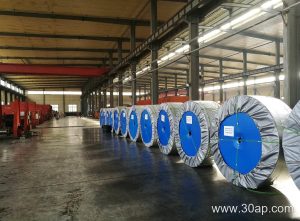
In a cement plant, fixed brackets are common on the long incline conveyors that feed the raw mill, where steady belt support reduces spillage. In an iron ore or limestone quarry, buffer and trough brackets work together after the primary crusher, where a heavy-duty mining conveyor belt carries sharp, lumpy material. The bracket must match the belt width and the idler shaft, and it should be checked against the belt’s load, since a 1200mm wide conveyor belt with a thick abrasion resistant cover can weigh considerably more than a light fabric belt.
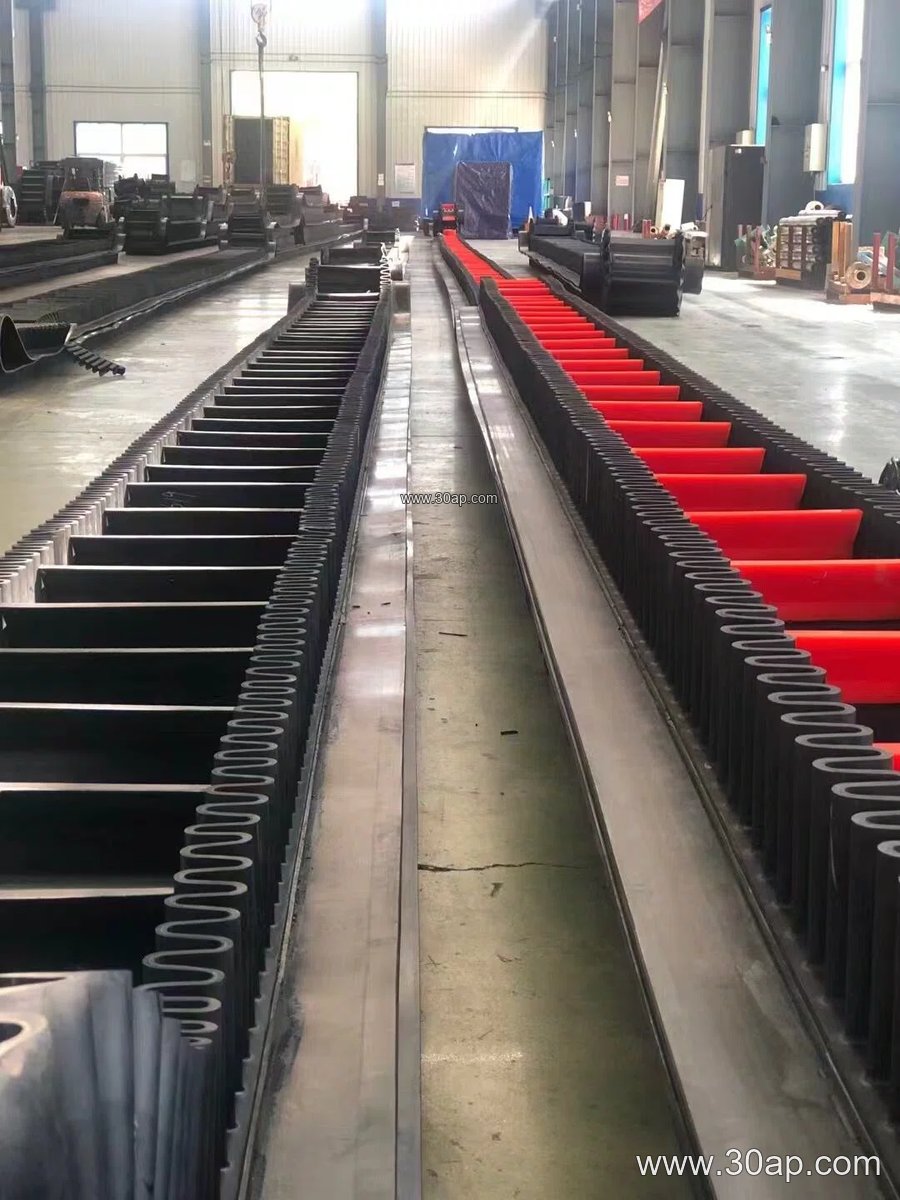
Selection also depends on the material. A heat resistant conveyor belt used near a sinter or clinker line may need wider spacing between brackets, while a flame retardant conveyor belt in an underground coal mine follows the mine’s support spacing rules. The bracket itself does not change the belt’s properties, but its spacing and alignment affect how evenly the belt runs.
Buyer Checklist
- Confirm the belt width, trough angle and roller diameter as a set, for example B800, 35 degrees, Ø108.
- Check the mounting hole spacing and crossbeam length against the existing stringer; these vary with width and angle and are not universal.
- Specify the material and finish if the site is wet, dusty, or corrosive.
- Ask whether the bracket is fixed or adjustable, since an adjustable bracket allows angle changes later.
- Match the bracket to the idler roller series and to the conveyor pulley layout so the belt line stays straight.
For a full conveyor package, buyers often source the belt, idlers and brackets together from www.tddconveyorbelt.com, so the fixed bracket geometry matches the EP conveyor belt and roller set. A correctly chosen bracket is a small part of the total cost, but it decides whether the belt runs quietly or wears unevenly.