What a Return Idler Bracket Does
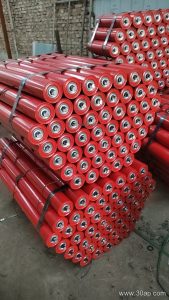
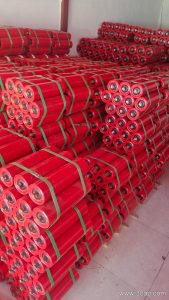
A return idler bracket, also called a return roller bracket or lower idler support, holds the return-side idlers that carry the empty belt on its way back to the tail pulley. It is mounted under the conveyor frame, so it works in a dusty, loaded environment while staying out of the material path. In a quarry, a limestone mine, or a cement plant, these brackets keep the belt tracking steadily and stop the return run from sagging between supports.
How the Bracket Is Built
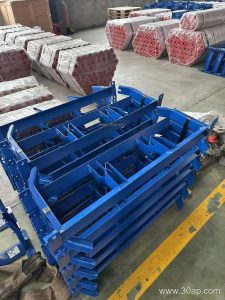
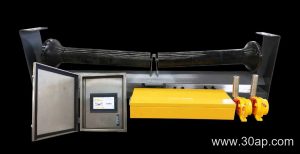
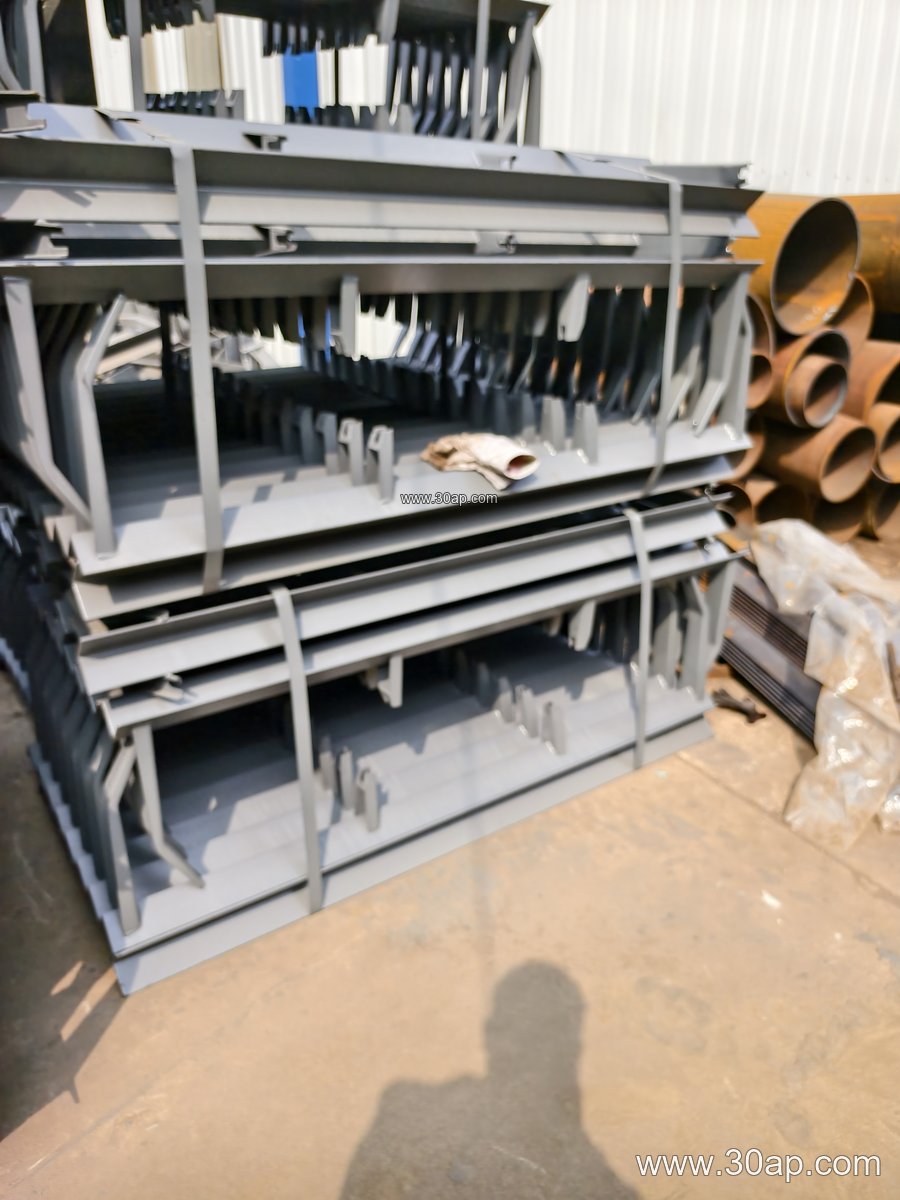
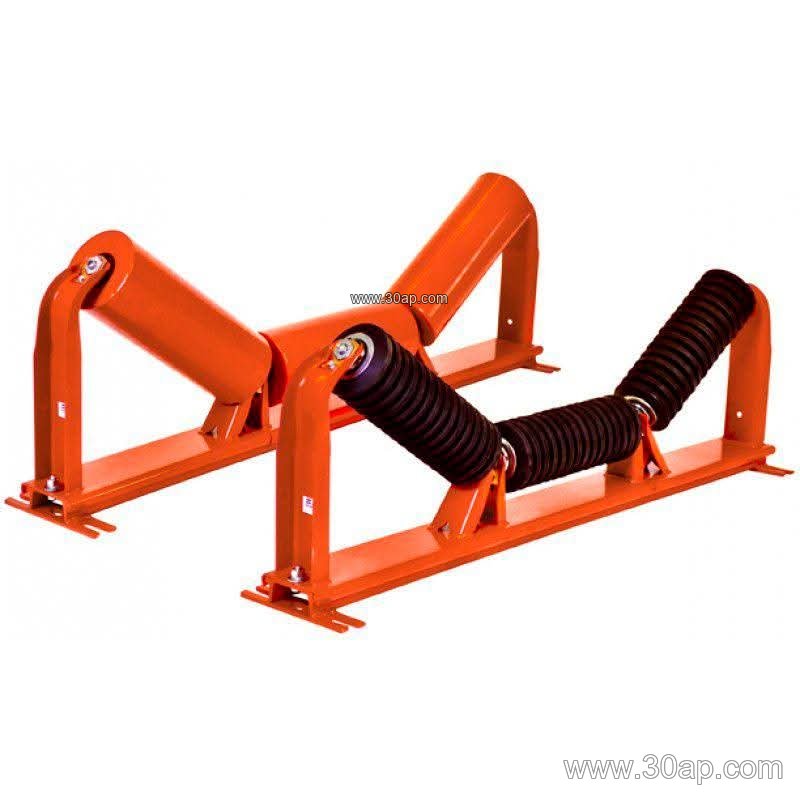
Most brackets are fabricated from angle steel, channel steel, or folded steel plate, then drilled and finished for mounting. A fixed bracket sets the idler at one height and angle. An adjustable bracket lets maintenance staff set the return roller height or angle to suit belt tracking and load conditions. Some designs use a V-shaped arrangement so the belt sits in a shallow trough on the return side, which helps center it and reduce spillage.
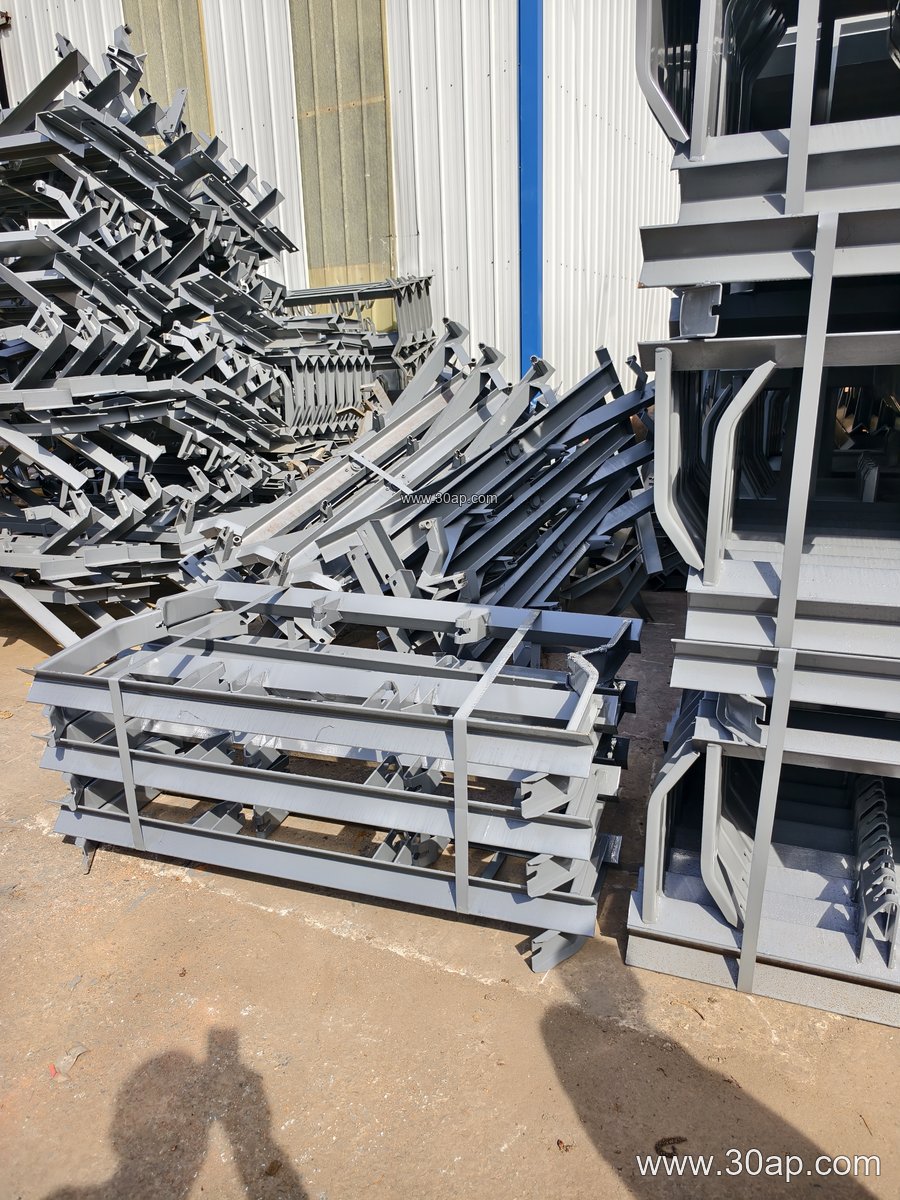
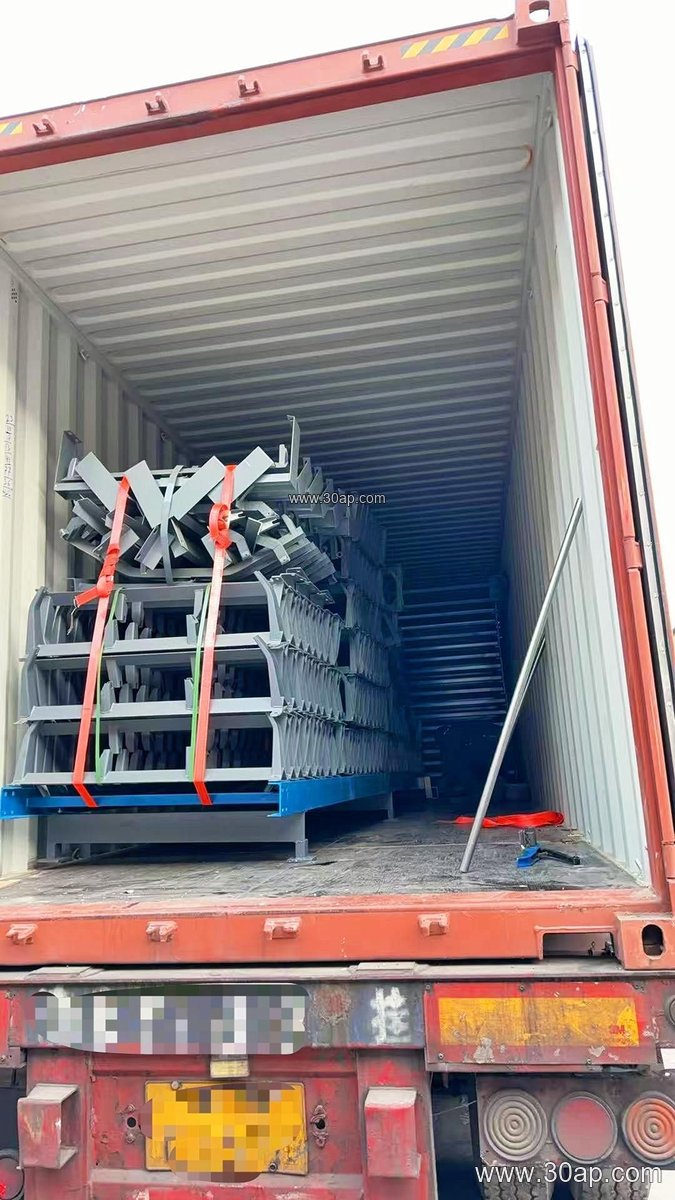
- Fabricated angle or channel frame
- Slotted or drilled mounting holes
- Fixed or adjustable idler position
- Single roller or V-return configuration
Where It Fits on the Conveyor
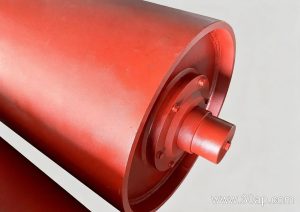
The bracket connects the return idlers to the conveyor stringer or frame. It is separate from the carrying-side brackets, and it should not be confused with the pulleys at either end of the belt. Drive, tail, and bend pulleys each have their own mounting and alignment requirements. The return bracket simply supports the lower run between those points. On a coal handling line at a power plant or a sand and gravel operation, a well-set return bracket reduces belt edge wear and keeps the return run stable.
Common Sizes and Matching
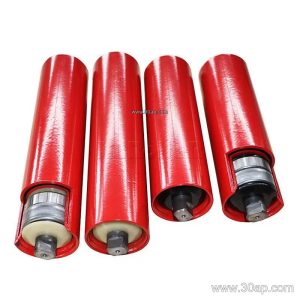
Bracket dimensions follow belt width and the idler diameter used on the return side. Common belt widths include B500, B650, B800, B1000, B1200, B1400, B1600, and B1800, with wider frames available for large installations. Return roller diameters are often Ø89, Ø108, Ø133, Ø159, or Ø194. The table below shows typical reference combinations; actual mounting hole spacing and beam length are determined by the conveyor design.
| Belt width | Typical return roller diameter | Bracket note |
|---|---|---|
| B500 | Ø89 | Compact frame, fixed or adjustable |
| B650 | Ø89 or Ø108 | Fixed bracket common |
| B800 | Ø108 | Adjustable version for tracking |
| B1000 | Ø108 or Ø133 | V-return option available |
| B1200 | Ø133 | Heavier frame for mining duty |
| B1400 | Ø133 or Ø159 | Reinforced mounting plates |
| B1600 | Ø159 | Wide frame, adjustable height |
| B1800 | Ø159 or Ø194 | Heavy-duty fabricated bracket |
Do not assume one belt width matches only one roller diameter or one bracket type. The correct combination depends on belt tension, load, and the return idler spacing chosen for the conveyor.
Buying Points to Check
Ask for the bracket drawing with hole spacing and mounting height, because these vary with belt width and frame design. Confirm the material thickness and the finish, since a coal mining conveyor or an iron ore line will need a more robust bracket than a light aggregate duty. Check whether the bracket is fixed or adjustable and whether it accepts the return roller diameter you plan to use. For a conveyor carrying an abrasive bulk material, pair the bracket with a suitable abrasion resistant conveyor belt and quality idler roller so the whole return run works together.
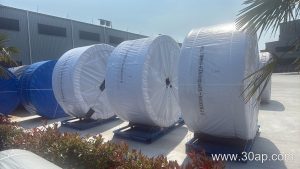
If the conveyor uses a steel cord conveyor belt or a heavy-duty fabric belt, the return side carries more tension, so bracket strength and bolt grade deserve attention. For a food or grain silo application, a smoother, cleanable finish may be preferred. Always match the bracket to the conveyor frame, not to a single nominal belt width alone.
Maintenance and Installation Notes
Install the bracket square to the belt centerline and tighten fasteners to the specified torque. With an adjustable bracket, set the return roller so the belt sits evenly and does not rub the frame. Inspect brackets during routine idler checks; a bent or loose bracket can cause belt misalignment and edge damage. Replacing a worn return roller is easier when the bracket uses slotted holes, which also helps correct small tracking errors without moving the whole frame.