What a 1250mm Drive Pulley Does
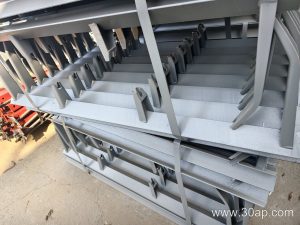
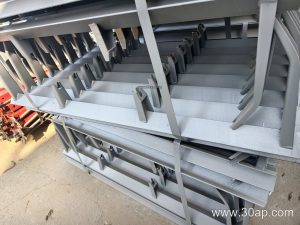
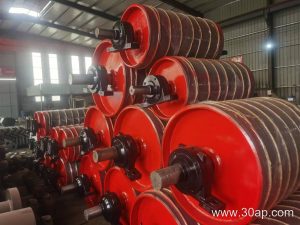
The 1250mm drive pulley is the head-end drum that transmits motor torque to the conveyor belt, pulling the loaded belt forward. In a typical conveyor, this pulley sits at the discharge point, often with a conveyor bracket mounting it to the main frame. The 1250mm figure refers to the drum diameter, a size that suits medium-to-high tension applications where the belt wraps around the pulley and needs enough contact area to avoid slip. This is not a tail pulley or a bend pulley; those serve different positions and are not interchangeable. A drive pulley must be sized for the torque and radial loads of the whole system, and the 1250mm diameter is often paired with belt widths from around 1400mm to 2000mm, depending on the conveyor design.
Construction and Surface Options
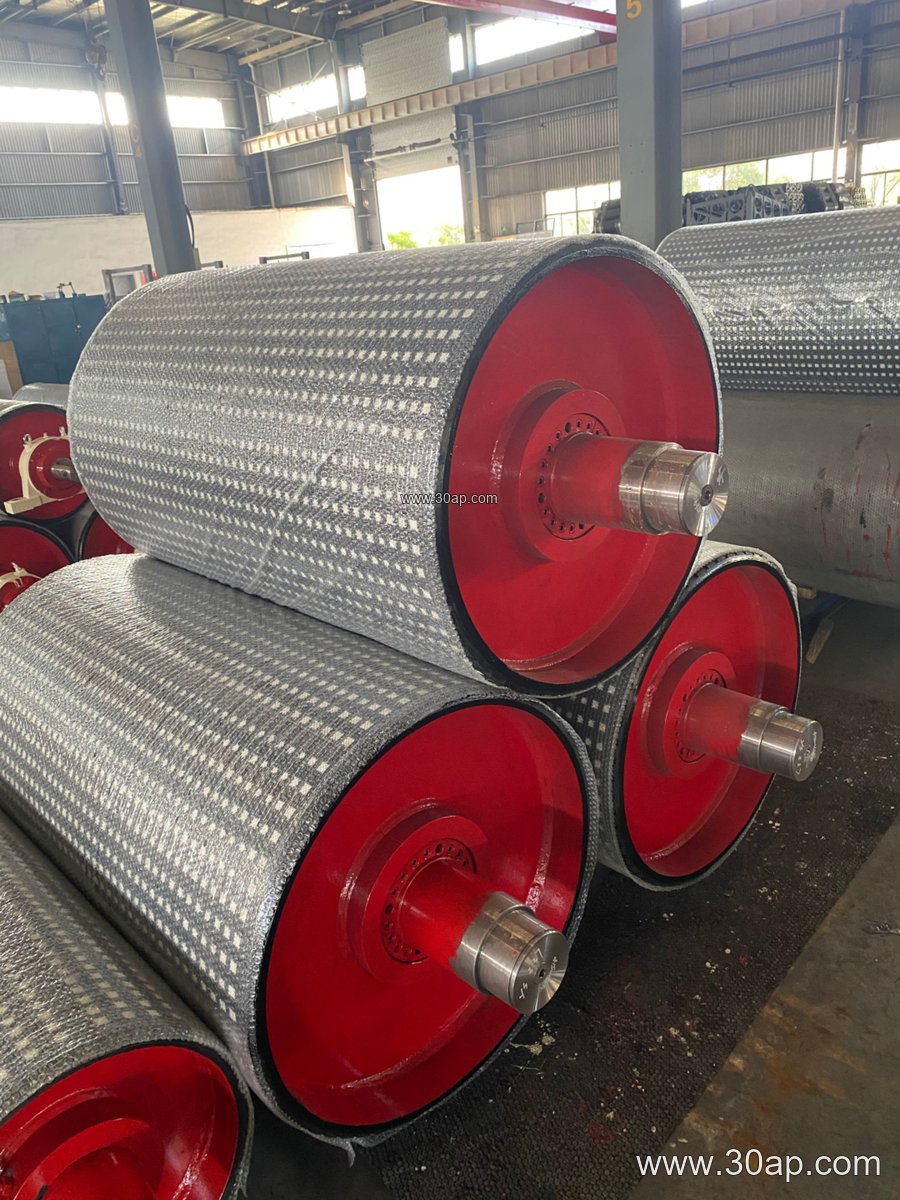
A 1250mm drive pulley is usually built with a welded steel shell, a heavy shaft, and hub assemblies that connect shell to shaft. The shaft diameter is determined by torque and load, not by belt width alone—common shaft sizes might range from Ø160 to Ø200 for this class of pulley, but final sizing is always by design calculation. Surface treatment matters for grip and belt life. Plain (smooth) surfaces work in clean, low-traction conditions. Rubber lagging—applied by cold bonding or hot vulcanizing—improves friction and protects the belt. Diamond or herringbone grooving helps evacuate water and fines, which is useful in wet or dusty plants. Ceramic lagging offers high wear resistance for abrasive bulk materials. Lagging thickness commonly ranges from 8mm to 20mm, with 10–12mm typical for general duty and thicker layers for high-wear service.
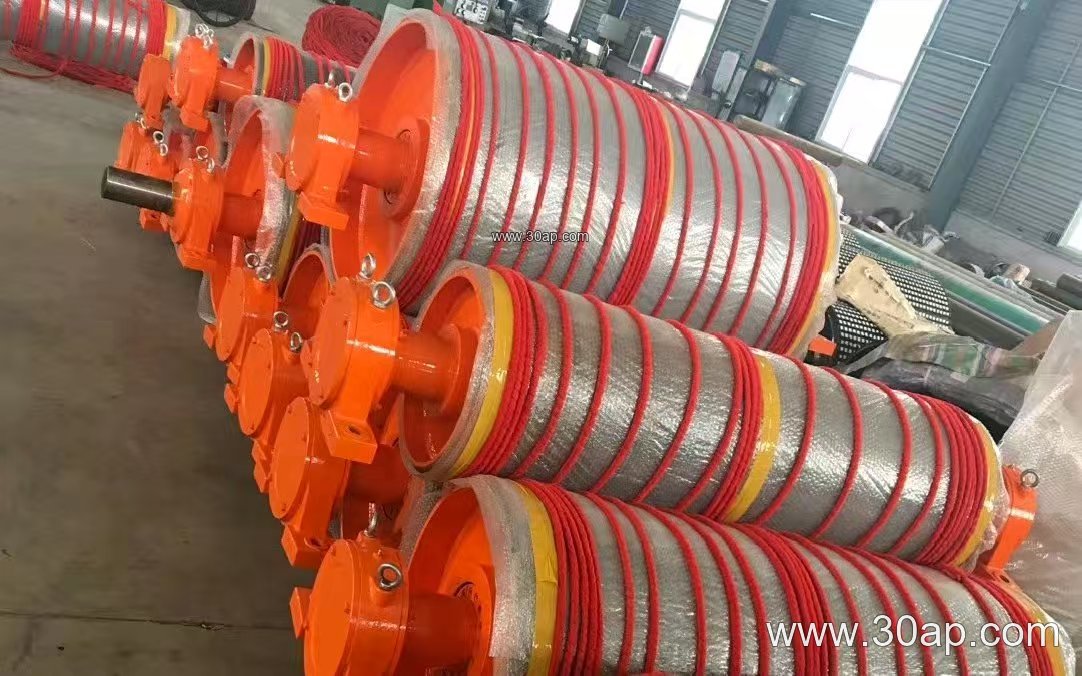
The shell width is normally wider than the belt to allow for tracking. For example, a pulley for a 1400mm belt might have a face width around 1600mm. A 1250mm drive pulley can be supplied with a shell width to match the specific belt, and the buyer should confirm face width, lagging type, and shaft dimensions against the conveyor design. Bearings and bearing housings are selected for the radial load from belt tension, and the pulley is often supplied with a keyed shaft and a locking assembly for the drive coupling.
Where It Fits in the Plant
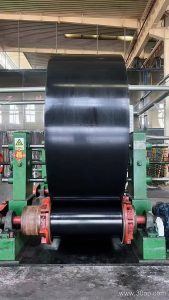
This size of drive pulley appears in a range of bulk handling operations. In a quarry or aggregate line, it may drive the main discharge belt after a crusher, moving crushed rock to the stockpile. In a coal mining or coal preparation plant, it can be found on a high-capacity belt conveyor handling raw coal. Cement plants use similar pulleys on clinker and raw material belts, while power plants employ them in coal handling systems. The 1250mm diameter provides enough wrap and traction for belts carrying heavy loads, and it works together with conveyor idler rollers that support the belt along the route. In these environments, the drive pulley must be matched with the right conveyor belt—for example, an abrasion resistant conveyor belt in a quarry, a flame retardant conveyor belt in a coal mine, or a heat resistant conveyor belt in a cement plant. The belt and pulley are a system: the pulley’s lagging and diameter influence belt tension and tracking, while the belt’s construction affects the loads on the pulley.
Selection and Maintenance Notes
When specifying a 1250mm drive pulley, the buyer should provide the belt width, belt type, maximum belt tension, motor power, and speed. The pulley diameter is often chosen to ensure a minimum number of belt wraps and to keep belt bending stress within limits—but there is no fixed rule that a given belt width must use a 1250mm pulley. The same belt width might use a smaller or larger diameter depending on tension and space. Shaft size, bearing type, and lagging should be confirmed with the pulley manufacturer. For maintenance, check lagging wear, especially in high-abrasion service; worn lagging reduces traction and can cause belt slip. Inspect the pulley shell for cracks and the shaft for corrosion or fatigue. Proper alignment with the conveyor frame and idler rollers helps prevent belt mistracking. In coal mining or underground mining applications, flame retardant and anti-static properties of the belt and lagging are important, and the pulley should be selected to suit the environment. For abrasive ore or rock, a ceramic or thick rubber lagging extends service life. Regular inspection of the drive pulley and its bearings avoids unplanned downtime in continuous plants such as power stations and cement works.