Understanding the 1800mm Conveyor Belt
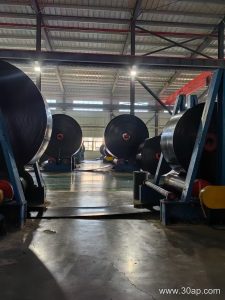
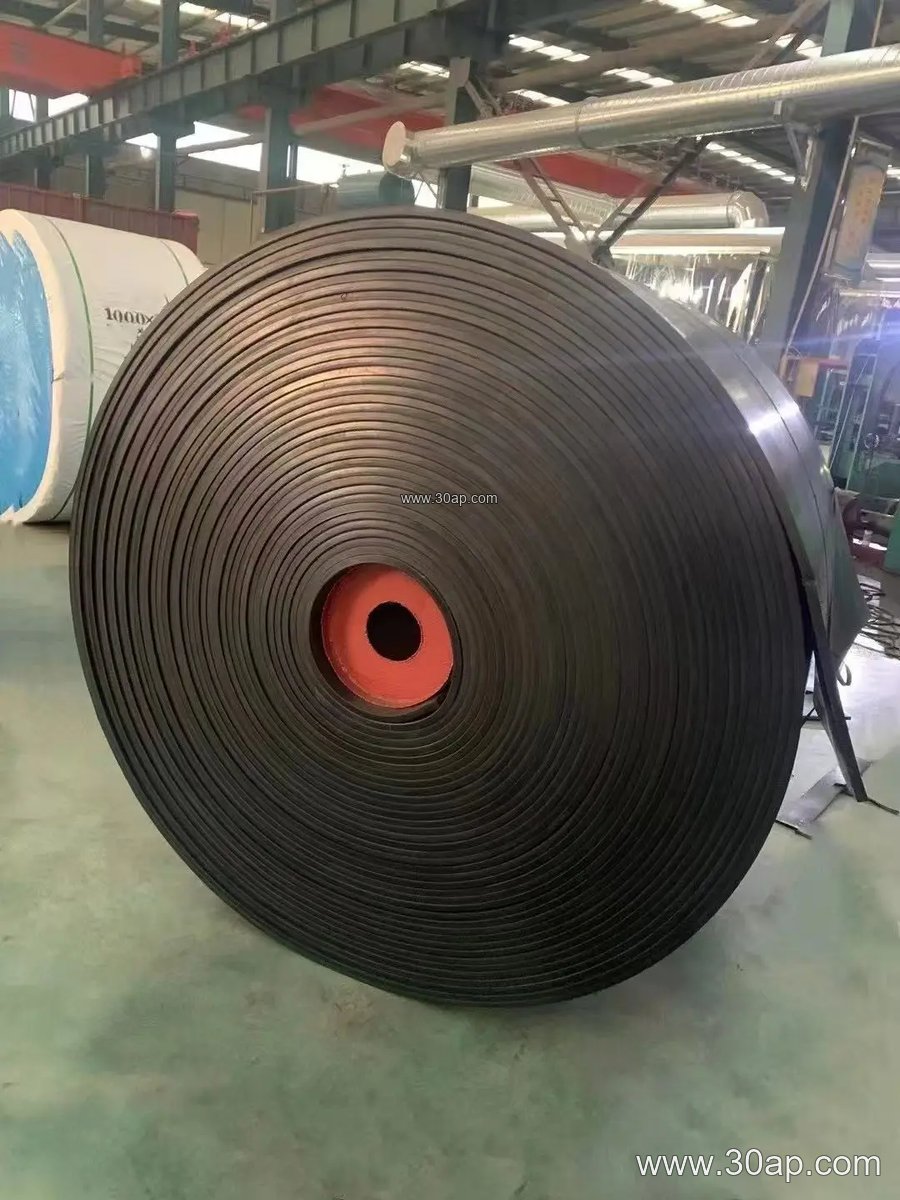
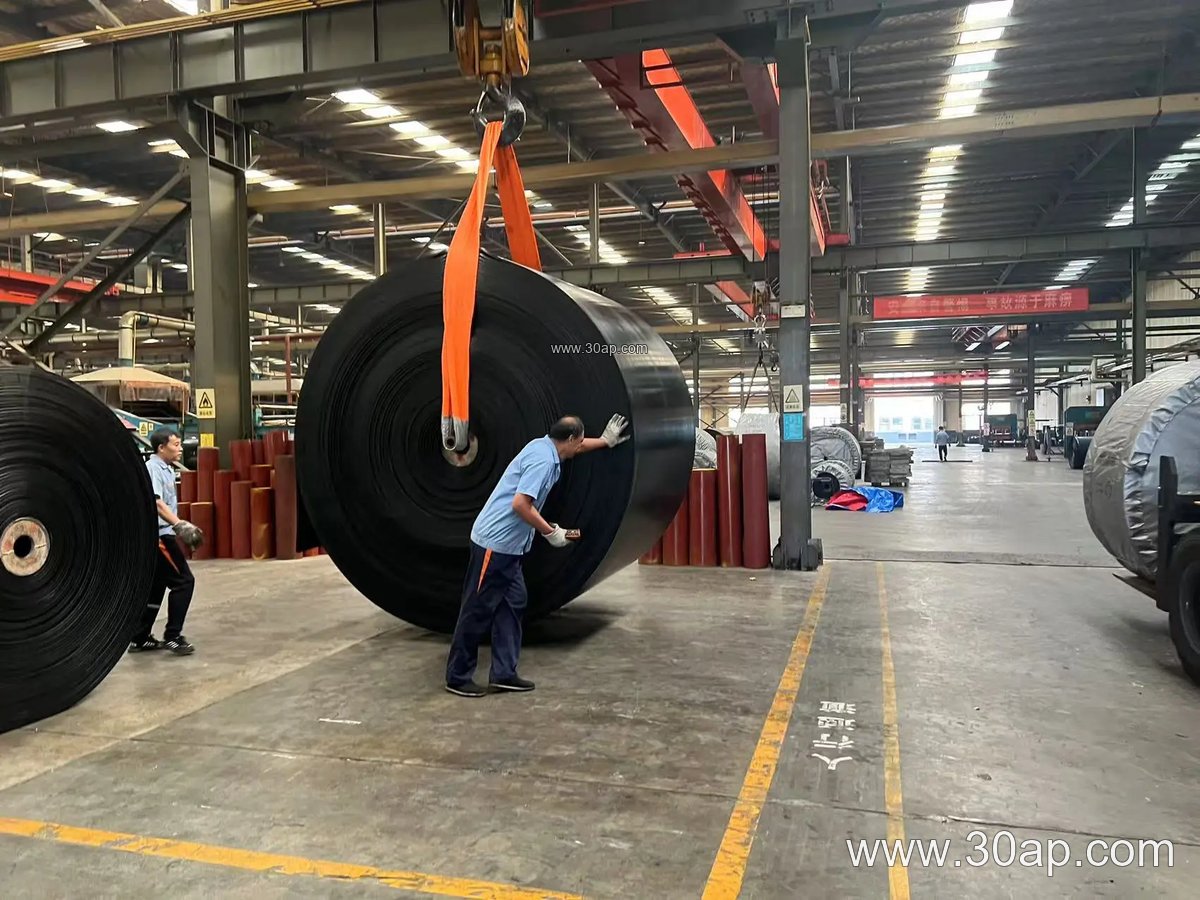
A 1800mm conveyor belt is a wide-profile belt designed for high-capacity material transport in demanding industrial settings. Often referred to as an 1800mm wide conveyor belt, this dimension is common in bulk handling operations where large volumes must move efficiently. The width allows for greater load distribution and higher throughput, making it a practical choice for primary crushing circuits, stockyard systems, and long overland conveyors. Industries such as mining, coal preparation, cement plants, power stations, and large quarries frequently specify this width to match the capacity of their conveyor systems.
Construction and Material Options
The construction of a 1800mm conveyor belt varies with the application. Common carcass types include EP (polyester-nylon) fabric, NN (nylon-nylon) fabric, and steel cord. For general bulk handling, an EP conveyor belt or multi-ply fabric core conveyor belt is often used. In high-tension or long-distance applications, a steel cord conveyor belt may be selected. The cover rubber compound is chosen based on the material being conveyed: abrasion resistant conveyor belt grades for minerals and aggregates, heat resistant conveyor belt for cement clinker or sinter, oil resistant conveyor belt for oily materials, and flame retardant conveyor belt for coal mining and underground operations.
Typical cover thicknesses for heavy-duty belts might be 6+2 mm or 8+3 mm, with fabric carcasses ranging from 2 to 6 plies. For example, an EP1000 1800mm conveyor belt might be used in a coal mining conveyor belt system, while an EP1250 1800mm conveyor belt could suit a cement plant conveyor belt line. These are reference configurations, and final specifications are determined by the conveyor design engineer.
Key Specifications at a Glance
The table below outlines common parameters for a 1800mm conveyor belt. Values are indicative and should be confirmed with the manufacturer for each project.
| Parameter | Common Range / Example |
|---|---|
| Belt width | 1800 mm (B1800) |
| Carcass type | EP, NN, steel cord |
| Strength grades (EP) | EP200, EP315, EP400, EP500, EP630, EP800, EP1000, EP1250, EP1600, EP2000 |
| Number of plies | 2 to 6 (fabric core) |
| Cover thickness | 3+1.5, 4+2, 5+2, 6+2, 8+3 mm |
| Special properties | Abrasion resistant, heat resistant, oil resistant, flame retardant, anti-static, cold resistant |
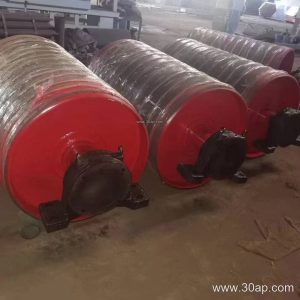
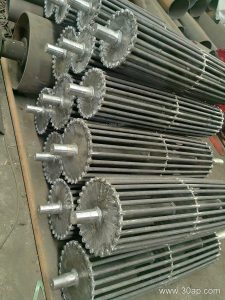
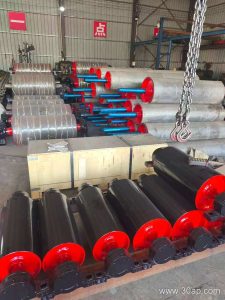
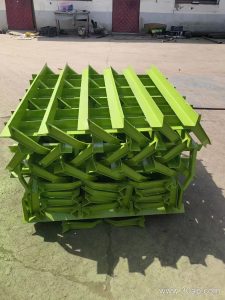
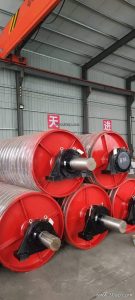
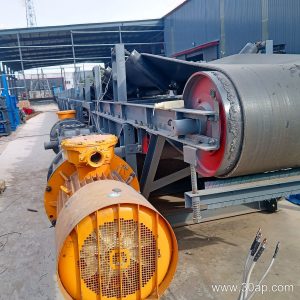
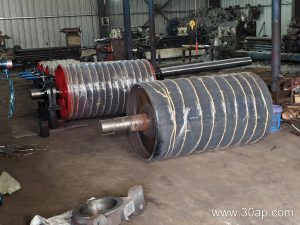
When selecting a belt, factors such as lump size, impact energy, troughability, and pulley diameters must be considered. A 1800mm belt does not have a fixed pulley diameter; drive, tail, and bend pulleys are sized according to the belt’s tension rating and the conveyor’s power requirements. Proper matching of idler roller spacing and conveyor pulley dimensions is essential for belt life.
Applications in Heavy Industry
This width is frequently found in primary and secondary crushing plants, where a crusher conveyor belt must handle large rock sizes. In coal mining, both surface and underground coal mining conveyor belt systems may use 1800mm belts with flame retardant and anti-static properties. Cement plants rely on them for raw meal and clinker transport, often specifying heat resistant conveyor belt grades. Power plants use them for coal and ash handling, while port facilities employ them for ship loading conveyor belt operations. Quarries and aggregate plants benefit from the high capacity and abrasion resistance of an 1800mm wide conveyor belt to move crushed stone and sand.
Buyer’s Checklist
- Define the material type, lump size, and temperature to choose the right cover compound (e.g., abrasion resistant, heat resistant, oil resistant).
- Confirm the required tensile strength and carcass type (EP, NN, or steel cord) with the conveyor designer.
- Check compatibility with existing conveyor pulleys, idler rollers, and brackets. Ensure the belt can trough properly on the idler set.
- Consider special constructions such as chevron conveyor belt or corrugated sidewall conveyor belt if the incline is steep or material containment is needed.
- For underground coal mining, verify flame retardant and anti-static properties (e.g., PVG conveyor belt grades).
- Review splicing method: endless conveyor belt preparation may require specific vulcanization equipment.
- Ask for the manufacturer’s technical data sheet to confirm cover thickness, ply count, and strength grade.
For more information on conveyor belt specifications and related components, visit conveyor belt and conveyor pulley resources.
Maintenance and Longevity
Regular inspection of the belt surface, edges, and splices helps prevent unexpected downtime. Keep idler rollers turning freely and check pulley lagging for wear. Avoid over-tensioning, which can reduce belt life. For high-abrasion applications, consider a high abrasion resistant conveyor belt compound. In cold climates, a cold resistant conveyor belt may be necessary to prevent cracking. Proper training and alignment are critical for wide belts to avoid edge damage.
Selecting the right 1800mm conveyor belt involves balancing strength, cover properties, and system compatibility. By understanding the available options and working closely with technical specialists, buyers can ensure reliable performance in the most demanding bulk material handling environments. For additional guidance on heavy-duty conveyor belt solutions, see heavy-duty conveyor belt and mining conveyor belt.