What the Ø127 Heavy-Duty Idler Is
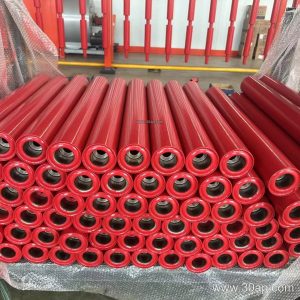
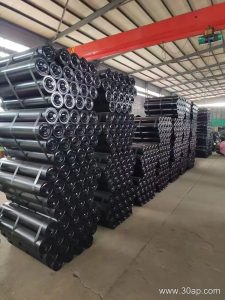
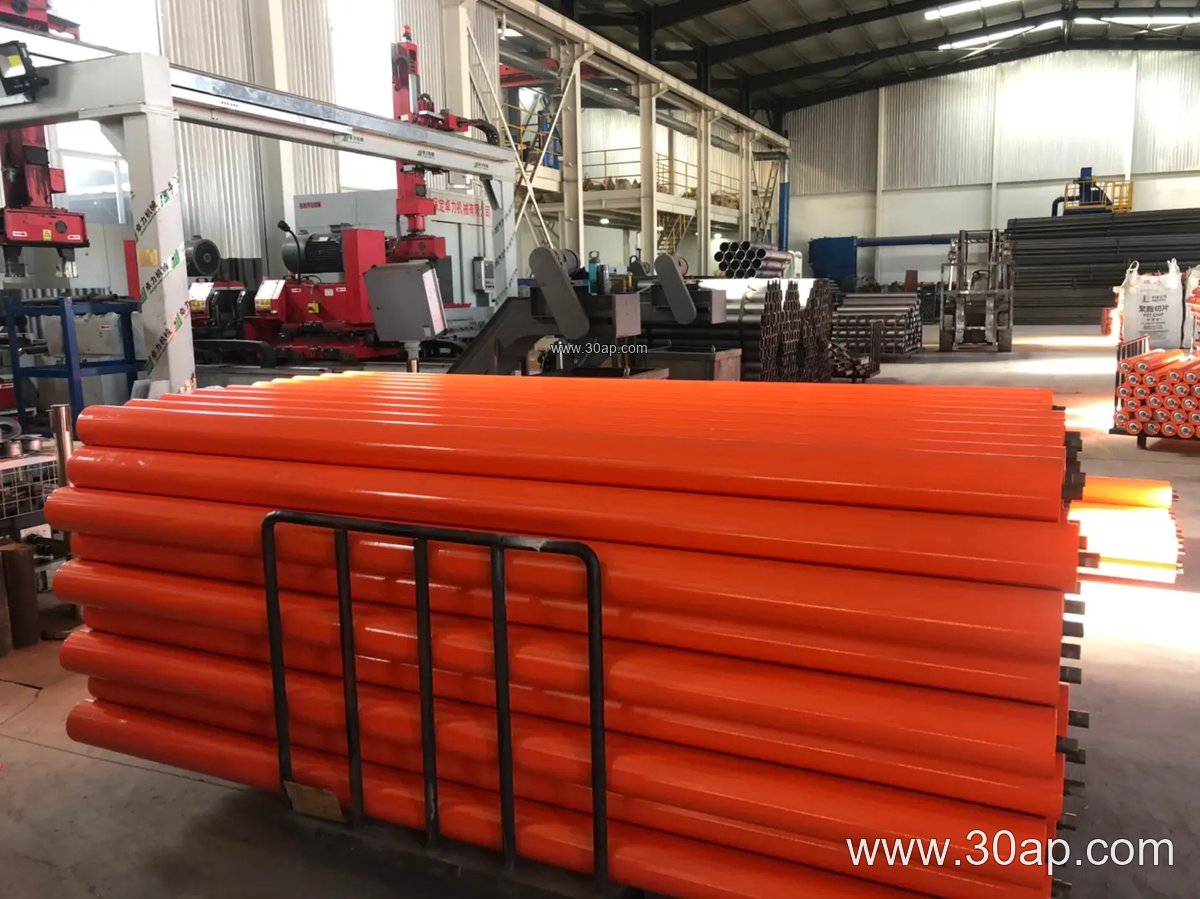
The Ø127 heavy-duty idler is a 127 mm diameter roller built for the carrying or return side of a belt conveyor where shock, abrasion, and continuous load are part of the daily routine. In a quarry, limestone mine, or iron ore operation, this idler roller sits under a moving conveyor belt and takes the weight of rock, ore, or aggregate. The 127 mm roller diameter gives a useful balance between load capacity and rolling resistance, making it a common choice for medium to wide belt systems. It is not a drive pulley, tail pulley, or bend pulley; those are different conveyor pulley components with their own shafts and lagging. The Ø127 heavy-duty idler is strictly a rolling support element, often grouped in three-roll troughing sets or single return stations.
How It Is Built
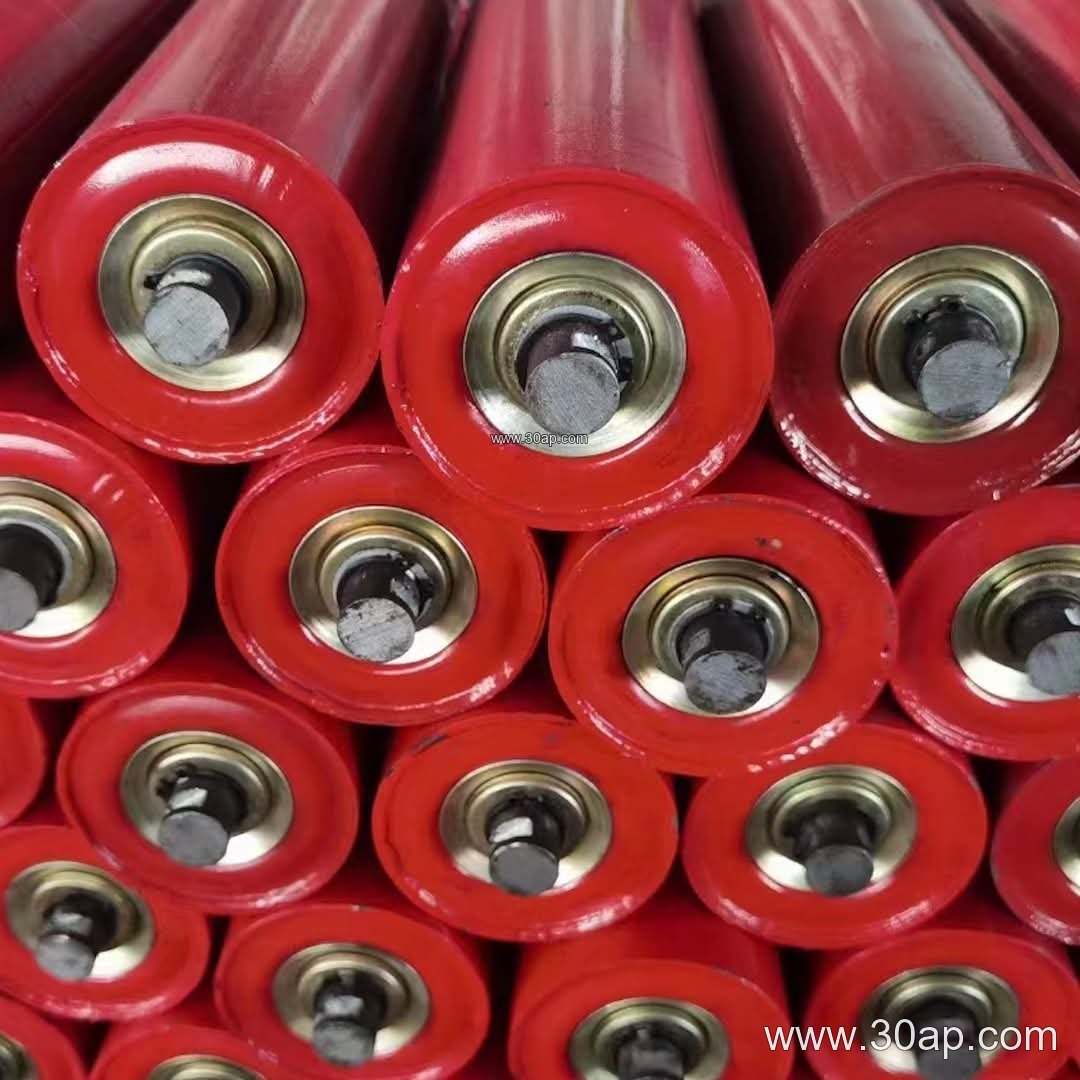
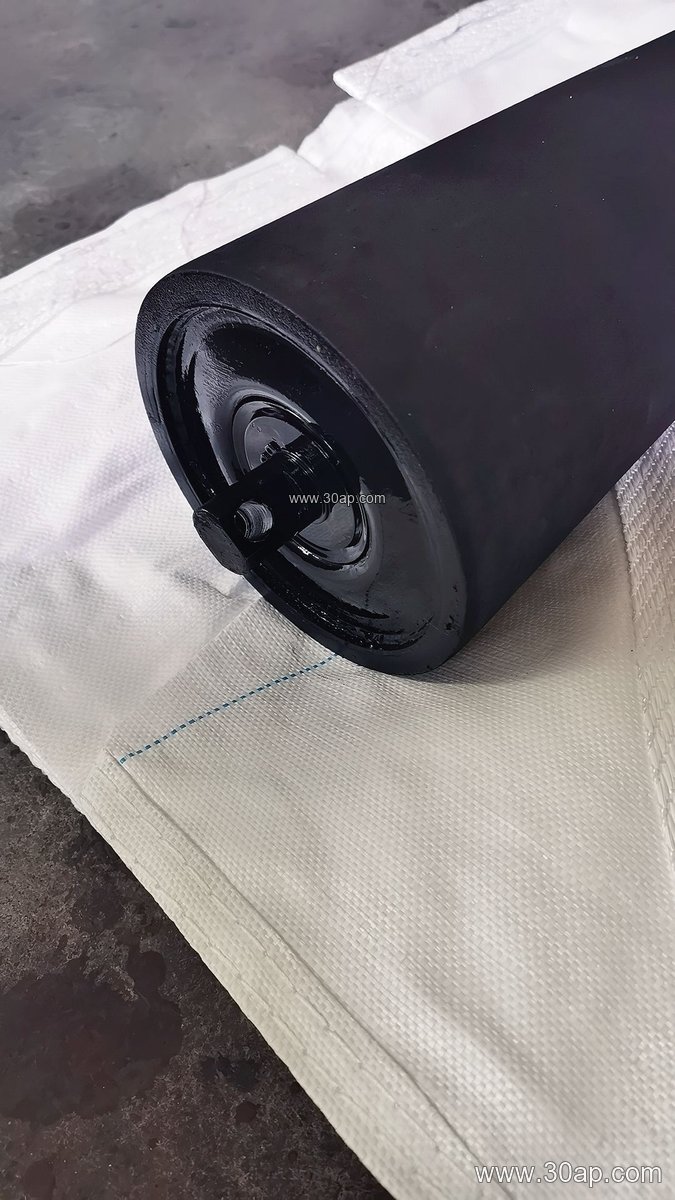
A heavy-duty idler in this size class typically uses a thick steel tube shell, welded end discs, and a sealed bearing housing. The roller surface may be plain steel, nylon, or fitted with rubber rings for impact absorption. Bearing selection follows the load and speed of the conveyor, with common sizes such as 6205, 6305, 6306, or 6308 appearing in this diameter range. The shaft is machined to fit the conveyor bracket, and the sealing arrangement is critical in dusty or wet conditions. In coal mining and power plant coal handling, dust ingress is a constant enemy, so labyrinth seals or heavy contact seals are often specified. The idler must also resist vibration from primary crusher discharge and transfer points.
Where It Fits on the Conveyor
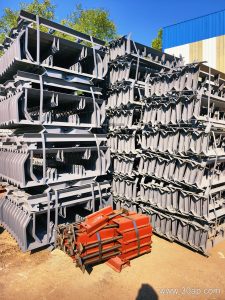
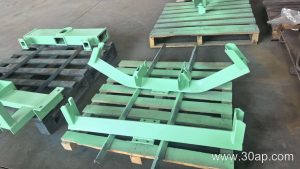
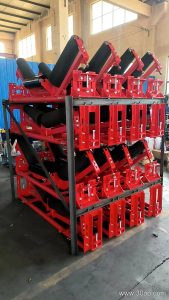
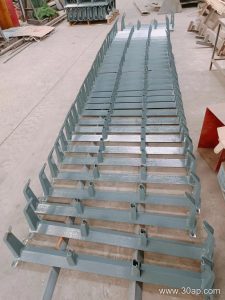
The Ø127 heavy-duty idler is most often used in troughing sets on the carrying side, especially where the conveyor belt carries abrasive bulk material. A three-roll troughing set with 30 or 35 degree trough angle is a common arrangement for B800 to B1400 belts. In a sand and gravel line or aggregate conveyor, the idler roller under the loading zone may be a rubber-ring impact idler to cushion falling stone. On the return side, a single flat or V-return idler of the same diameter can support the empty belt. The idler works together with the conveyor bracket, which holds the shaft ends and sets the trough angle. It does not replace a drive pulley or tail pulley; when maintenance crews talk about a conveyor pulley, they mean the larger drum that transmits power or changes belt direction.
Common Sizes and Arrangements
Roller length changes with belt width and troughing configuration. The values below are common reference examples, not fixed matches for every conveyor design.
- B500 belt: three-roll troughing, roller length around 200 mm
- B650 belt: roller length around 250 mm
- B800 belt: roller length around 315 mm
- B1000 belt: roller length around 380 mm
- B1200 belt: roller length around 465 mm
- B1400 belt: roller length around 530 mm
- B1600 belt: roller length around 600 mm
- B1800 belt: roller length around 670 mm
- B2000 belt: roller length around 750 mm
These lengths are for the idler roller body; side rollers and center rollers in a troughing set can differ. The bearing size is selected by load rating and speed, not by belt width alone. A Ø127 heavy-duty idler may carry a 6305 bearing on one conveyor and a 6308 on another with the same belt width, depending on the load calculation and shaft design.
Buyer Checklist
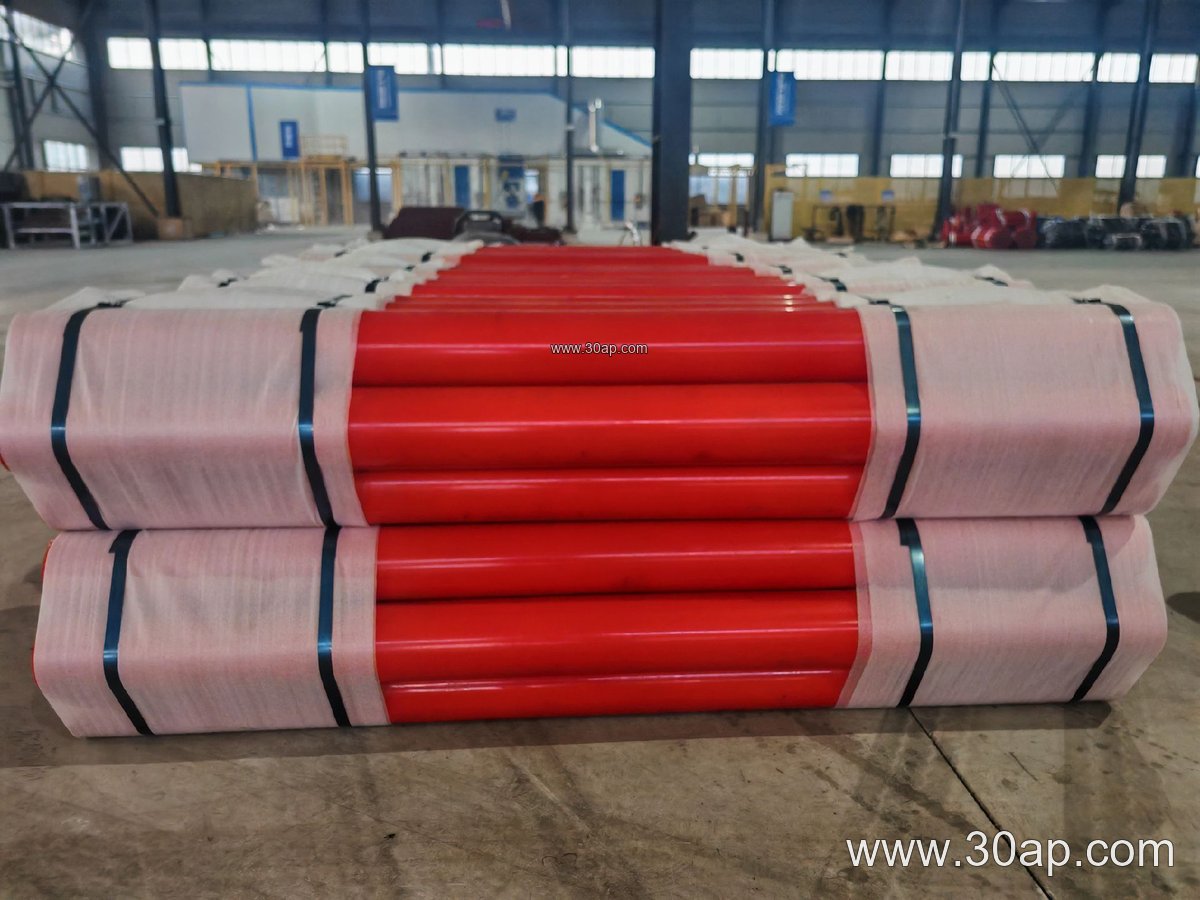
When specifying a Ø127 heavy-duty idler, confirm the belt width, trough angle, and whether the station is carrying or return. Check the material being conveyed: coal, limestone, iron ore, or cement clinker each puts different demands on the roller surface and seal. For dusty coal mining or underground mining conveyors, flame retardant and anti-static properties may apply to the conveyor belt itself, while the idler needs effective dust sealing. Ask about the bearing brand and seal type, the shaft end configuration, and the wall thickness of the tube. If the conveyor uses an EP conveyor belt or a steel cord conveyor belt, the idler load and spacing should be checked against the belt tension and sag limits. Do not assume that one idler size fits every belt width or every conveyor bracket.
Maintenance Notes
Inspect idlers for seized bearings, worn shells, and buildup of sticky material. A worn idler roller can damage the conveyor belt edge and increase power draw. Replace idlers in sets when possible to keep the belt supported evenly. Keep the conveyor bracket bolts tight and check alignment after any belt tracking adjustment. In a cement plant or power plant, regular cleaning around the idler stations helps prevent material buildup that can misalign the belt.