What Is an EP200 Conveyor Belt
An EP200 Conveyor Belt is a multi-ply fabric core belt built with polyester warp and nylon weft cords in its carcass. The “EP” refers to the polyester-nylon fabric construction, while the “200” indicates the nominal tensile strength of the carcass, commonly expressed in N/mm. This puts the belt in a mid-range strength class, making it a practical choice for many bulk material handling lines where moderate tension and good troughability are required. It is a recognizable example of an EP Conveyor Belt and falls within the broader family of Fabric Core Conveyor Belt products.
Compared with an NN Conveyor Belt, which uses nylon in both warp and weft, the EP construction typically offers lower elongation under load, which helps maintain stable belt tracking on long runs. This is one reason EP200 is frequently specified for main haulage and transfer conveyors rather than only short feeder sections.
Construction and Cover Options
The carcass of an EP200 belt usually consists of two to six fabric plies, depending on the required strength and the manufacturer’s design. The plies are bonded with rubber skim compound and protected by top and bottom cover rubber. Common cover thickness combinations include 3+1.5 mm, 4+2 mm, 5+2 mm, 6+2 mm, and 8+3 mm. The cover grade should match the working environment.
- Abrasion Resistant Conveyor Belt covers for sand, gravel, and crushed stone
- Heat Resistant Conveyor Belt grades for cement clinker or sintered material
- Oil Resistant Conveyor Belt compounds where lubricants or oily cargo are present
- Flame Retardant Conveyor Belt and Anti-Static Conveyor Belt versions for underground coal mining and other hazardous areas
- Cold Resistant Conveyor Belt grades for low-temperature outdoor installations
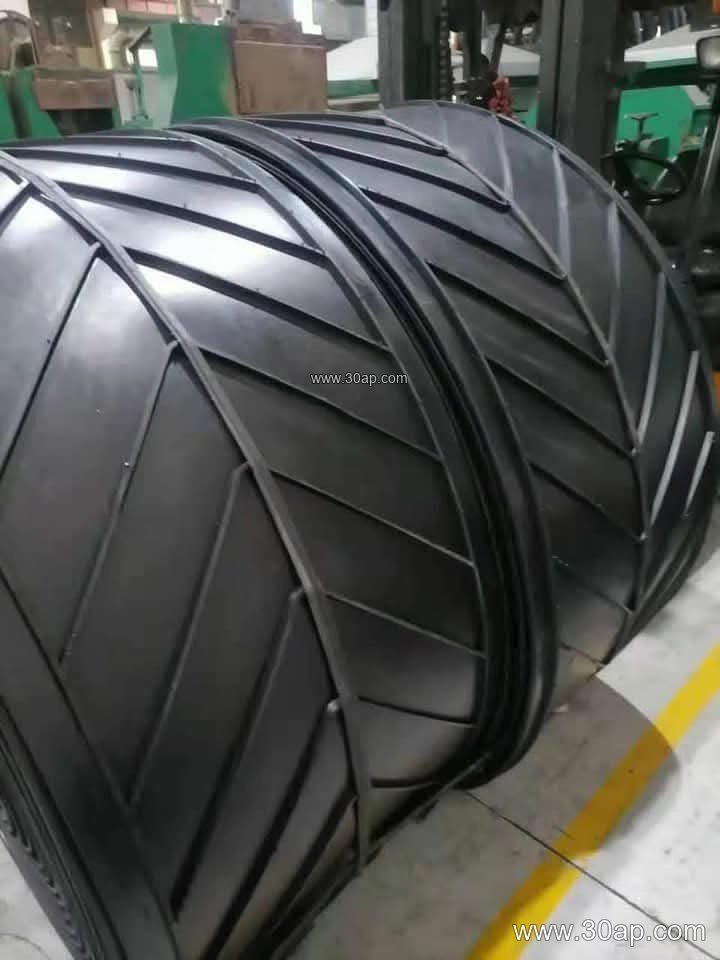
Special surface forms such as a Chevron Conveyor Belt pattern or a Corrugated Sidewall Conveyor Belt can be produced on an EP carcass when the application calls for inclined conveying or material containment. These are separate design choices, not replacements for the standard flat EP200 belt.
Where EP200 Belts Are Used
The strength class suits a wide spread of industries. In a quarry or aggregate plant, an EP200 belt often runs on primary and secondary crusher discharge conveyors. In a cement plant, it can handle limestone, clinker, and raw meal. Power plants use it for coal and ash handling, while sand and gravel yards rely on it for stockpiling and transfer. Ports and ship loading facilities also apply EP200 belts on medium-length boom and yard conveyors.
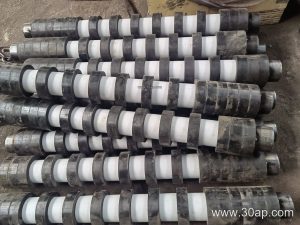
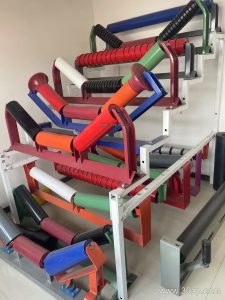
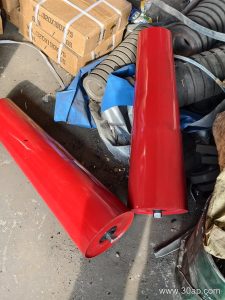
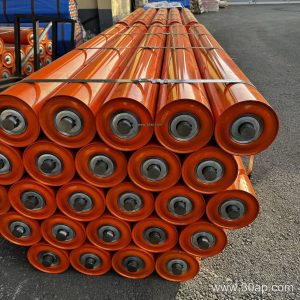
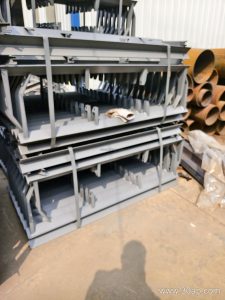
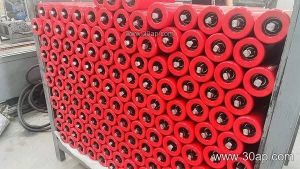
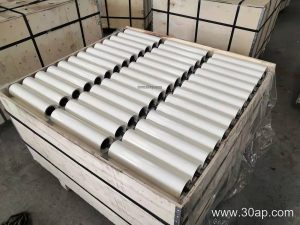
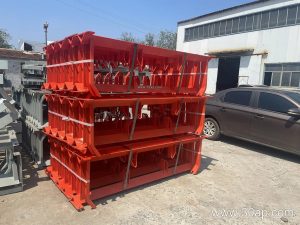
Because the belt is flexible and troughs well, it works with standard three-roller idler sets, conveyor pulleys, and conveyor brackets. Drive pulleys, tail pulleys, and bend pulleys each have a distinct role in the conveyor layout and should be selected according to the belt tension and pulley location, not treated as interchangeable components. The belt width and pulley diameter are matched through conveyor design calculations.
Common Sizes and Strength Reference
The table below gives typical reference values. Actual supply should be confirmed with the manufacturer or belt supplier, as constructions vary.
Strength Grades in the EP Range
| Grade | Typical Use |
|---|---|
| EP200 | Medium-duty main haulage, transfer conveyors |
| EP315 / EP400 | Higher tension lines, longer conveyors |
| EP500 / EP630 | Heavy-duty mining and plant conveyors |
| EP800 and above | High-strength bulk handling where fabric belts are still suitable |
Belt Width Reference
| Width | Width | Width |
|---|---|---|
| B500 | B650 | B800 |
| B1000 | B1200 | B1400 |
| B1600 | B1800 | B2000 |
A 650mm or 800mm belt is common on smaller plant conveyors, while 1000mm and 1200mm widths appear in main haulage. Wider belts such as 1400mm or 1600mm are used where high tonnage must be moved. The correct width should be determined by the conveyor design, material lump size, and required capacity.
Buyer Checklist
- Confirm the required strength grade, for example EP200 versus EP315 or EP400, against the conveyor tension calculation.
- Specify cover grade and thickness for the actual material and environment.
- State the belt width and required number of plies.
- Clarify whether an Endless Conveyor Belt is needed or whether mechanical splicing is acceptable.
- Check compatibility with the existing idler roller spacing, pulley diameters, and conveyor bracket arrangement.
- Ask for the manufacturer’s data sheet rather than relying on generic tables.
For a dependable EP Rubber Conveyor Belt in mining, cement, power, or aggregate service, the EP200 grade remains a sensible middle ground between light fabric belts and high-strength steel cord constructions. Matching the belt to the conveyor design and the material being carried is the key to long service life.