What a Polyurethane Idler Is
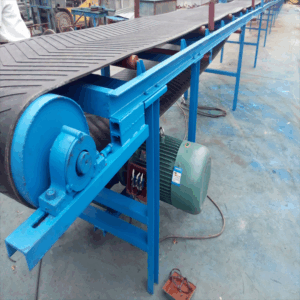
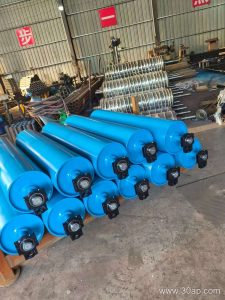
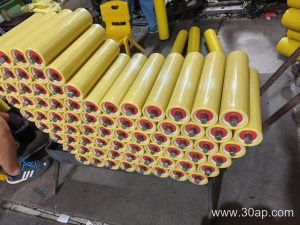
A polyurethane idler is a conveyor idler roller whose outer surface is made of polyurethane rather than steel, rubber, or nylon. It is used in belt conveyor systems to support the conveyor belt and the material being carried, and it belongs to the broader family of idler rollers that keep the belt tracking smoothly along the conveyor structure. In a typical installation, the polyurethane idler sits in a conveyor bracket or frame, with the belt running over it. The polyurethane layer serves as the belt contact surface, while the internal structure remains a steel tube with bearings and a shaft.
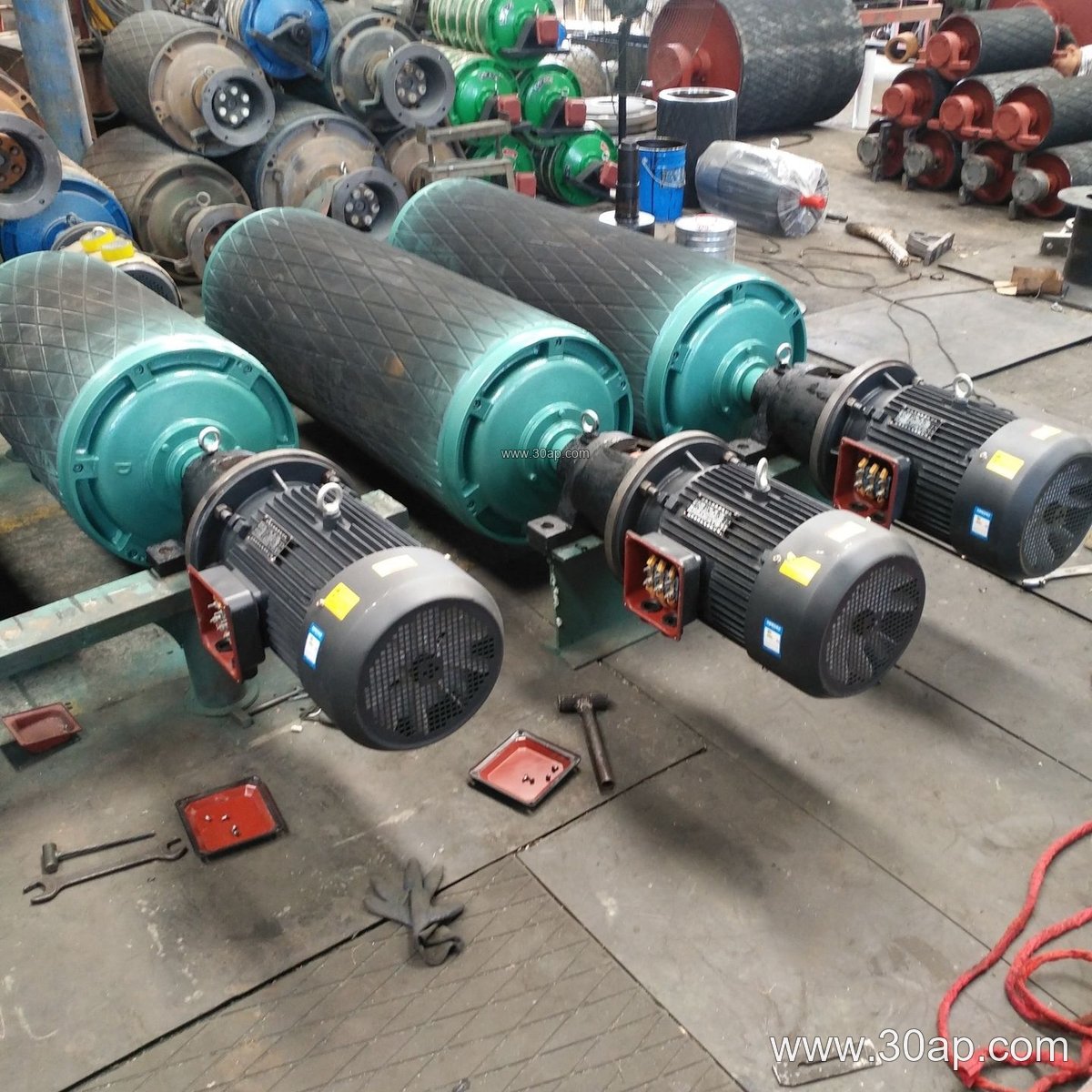
The name “polyurethane idler” is often used interchangeably with “PU idler roller” or “polyurethane conveyor roller.” These terms refer to the same product. It is not a drive pulley, tail pulley, or bend pulley—those are different components that transmit power or change belt direction. A polyurethane idler is a carrying or return roller, not a pulley.
How It Is Built
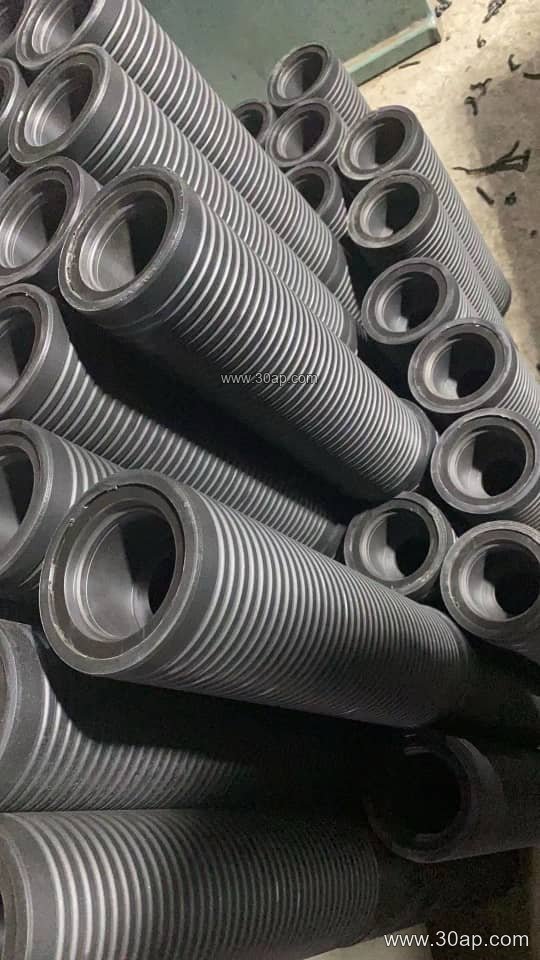
Construction starts with a steel tube that provides structural strength. The tube is machined and fitted with bearing housings at each end. Common bearing sizes for conveyor idlers include 6204, 6205, 6305, 6306, 6308, and 6310, though the exact bearing depends on the load and shaft design. The shaft runs through the bearings and is secured to the conveyor frame via brackets. The polyurethane layer is bonded or cast onto the steel tube. This layer can be smooth or have a specific profile, and its thickness and hardness are selected based on the application. The polyurethane protects the belt from abrasion, reduces noise, and can offer better resistance to certain chemicals and oils compared to rubber.
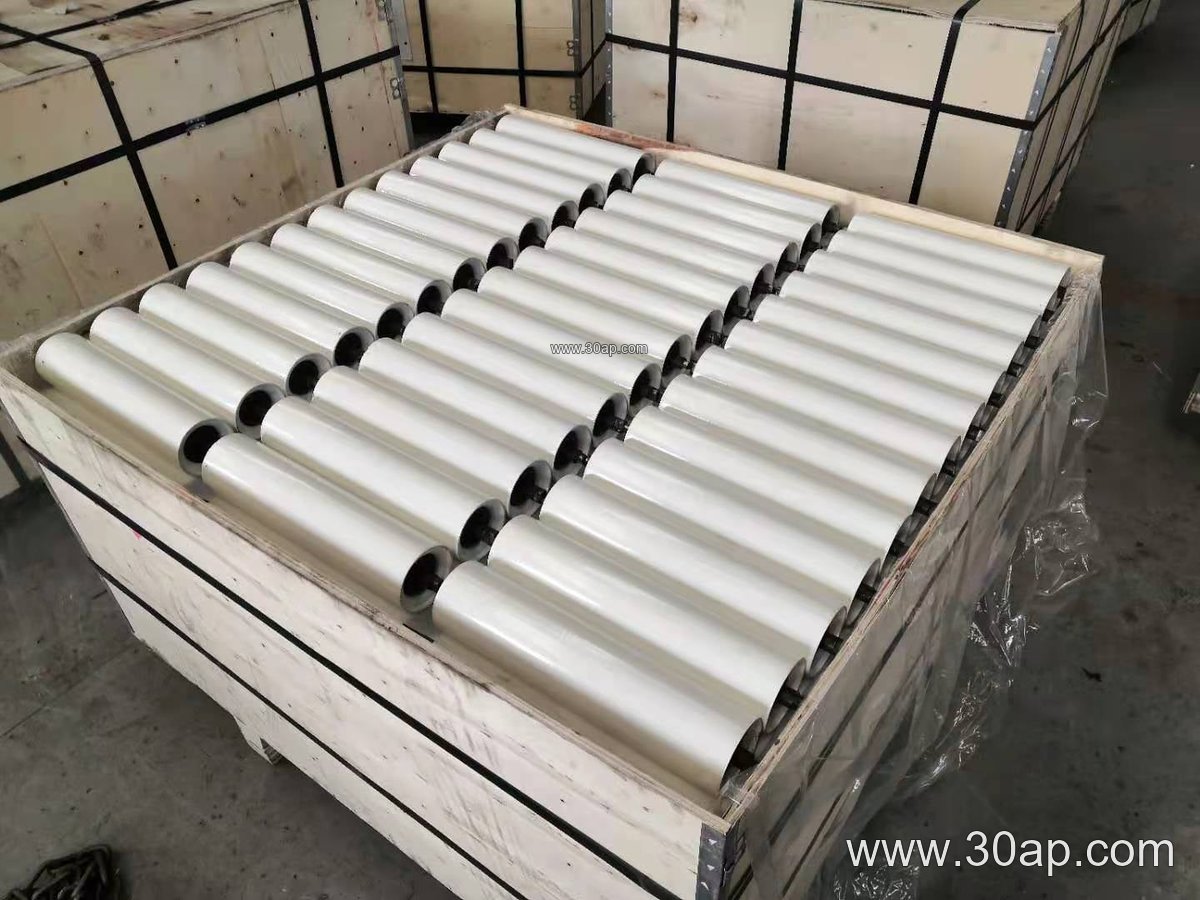
Sealing is critical. Dust, water, and fine particles are the main enemies of idler bearings. A well-built polyurethane idler uses effective labyrinth seals or contact seals to keep contaminants out and grease in. This is especially important in dusty environments like coal mines, cement plants, and aggregate operations.
Where Polyurethane Idlers Are Used
Polyurethane idlers are found in a wide range of bulk material handling operations. In the mining industry—whether coal, iron ore, copper, or limestone—they support conveyor belts that carry heavy, abrasive materials. The polyurethane surface can help reduce belt wear and extend service life in these harsh conditions. In cement plants and lime kilns, polyurethane idlers handle clinker, raw meal, and other abrasive materials. Power plants use them in coal handling systems. Quarries and sand and gravel plants rely on them for transporting crushed stone and aggregates. They also appear in fertilizer plants, grain handling facilities, and tunnel muck removal systems.
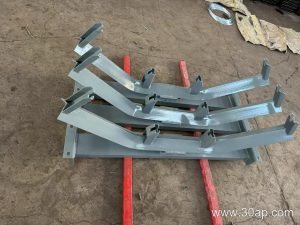
Polyurethane idlers can be used in both carrying and return positions. For carrying, they are often part of a troughing set with two or three rollers. For return, they may be flat or V-shaped. The polyurethane layer is particularly useful where belt stickiness or material buildup is a concern, as it tends to shed material better than some other surfaces.
Key Parameters and Selection Considerations
When selecting a polyurethane idler, several parameters matter. The roller diameter must match the conveyor design and belt width. Common diameters include Ø63, Ø76, Ø89, Ø102, Ø108, Ø127, Ø133, Ø159, Ø178, Ø194, and Ø219 mm. Belt widths range from B400 to B2400, and the idler length is determined by the belt width and troughing configuration. For example, in a three-roller troughing set, the side roller length might be around 200 mm for B500 and 750 mm for B2000, but these are typical examples, not fixed rules. The trough angle—20°, 30°, 35°, or 45°—affects how the belt is supported and how the material is contained. The bearing size is chosen based on load and speed, and should not be tied to a single roller diameter.
Polyurethane hardness and thickness are also important. Softer polyurethane offers more grip and cushioning, while harder grades resist abrasion better. The operating environment—temperature, presence of oils or chemicals, and dust load—should guide the choice. Buyers should confirm the shaft diameter and mounting dimensions with the conveyor manufacturer, as these are not determined by belt width alone. It is also wise to check the sealing system and bearing quality, as these often determine the idler’s service life.
Maintenance and Buyer Tips
Polyurethane idlers generally require less maintenance than steel idlers because the polyurethane surface resists buildup and corrosion. However, regular inspection is still needed. Check for worn or damaged polyurethane, seized bearings, and loose mountings. Replace any idler that shows excessive wear or wobble. Keep the conveyor belt properly aligned to avoid uneven loading on idlers. In dusty or wet conditions, ensure that seals are intact and that water can drain away.
When purchasing, ask for the roller diameter, length, shaft size, bearing type, and polyurethane hardness. Confirm that the idler is suitable for your belt width and trough angle. Avoid assuming that a given belt width automatically dictates a specific shaft diameter—always verify with the supplier or conveyor designer. A polyurethane idler can be a reliable component in your conveyor system, but it must be selected and installed correctly to deliver its benefits.